Nicotine Pouch Gum Damage: The Complete Guide
Roon Team
Nicotine Pouch Gum Damage: The Complete Guide
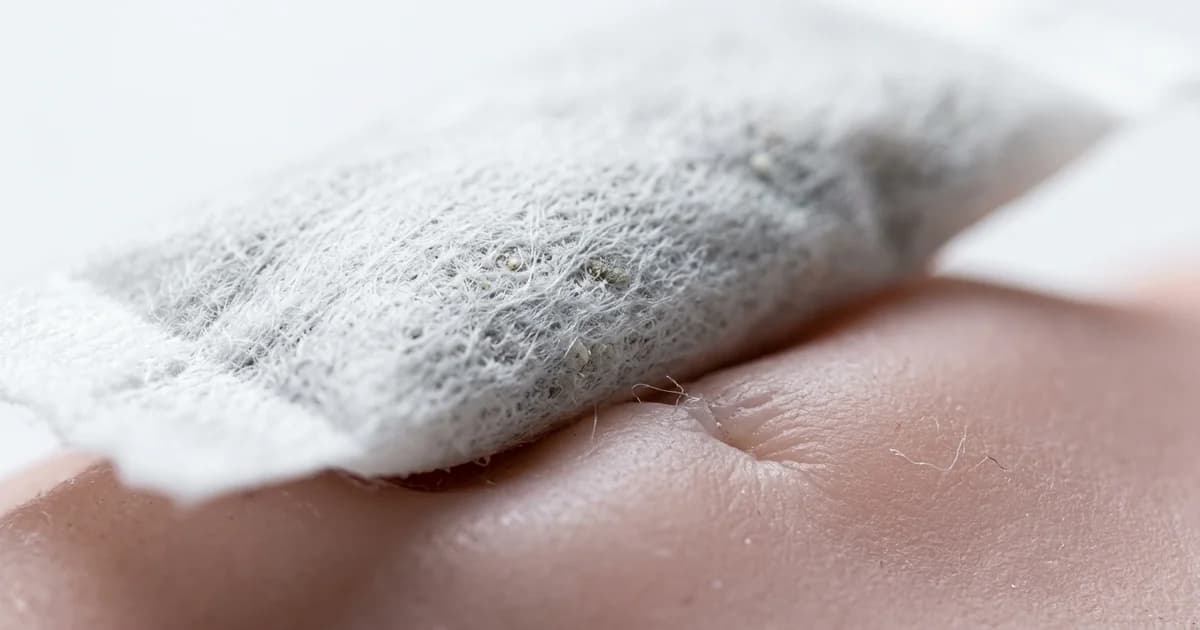
Your gums are telling you something. That white patch where you park your nicotine pouch every morning? The tenderness that wasn't there six months ago? Those aren't random. Nicotine pouch gum damage is a real, documented phenomenon, and the research is finally catching up to what millions of users are feeling in their mouths every day.
The nicotine pouch market hit an estimated $7.5 billion globally in 2024, and it's growing at nearly 20% per year. Philip Morris invested $600 million in a new Colorado manufacturing facility just to keep up with Zyn demand. But as pouches fly off shelves, dentists are seeing a pattern they can't ignore.
Here's what the science actually says about nicotine pouch gum damage, and what you can do about it.
Key Takeaways
- Nicotine pouches cause visible oral mucosal changes in a large percentage of regular users, including white lesions and gum irritation at the placement site.
- Nicotine restricts blood flow to gum tissue, impairing healing and potentially accelerating gum recession over time.
- Rotating pouch placement and limiting session duration can reduce localized nicotine pouch gum damage.
- Zero-nicotine functional pouches offer the oral fixation and focus benefits without the gum tissue risks tied to nicotine exposure.
What Nicotine Pouch Gum Damage Actually Looks Like
The first sign is usually subtle. A slight wrinkling of the tissue where you place the pouch. Then the condition progresses.
A 2024 systematic review published in BMC Oral Health examined the existing clinical evidence on nicotine pouches and oral health. The findings were consistent: oral mucosal changes at the site of pouch placement were common among users. These changes ranged from slight tissue wrinkling to white lesions consistent with smokeless tobacco keratosis.
That last term matters. Smokeless tobacco keratosis is a condition where the tissue thickens and turns white in response to chronic irritation. The same BMC Oral Health review noted that this type of lesion "may have the potential to progress to oral squamous cell carcinoma," though more long-term research is needed.
A separate 2024 case series published in Diagnostic Pathology took things further. Researchers examined nicotine pouch users and found that the white lesions weren't just surface-level cosmetic changes. They involved measurable changes at the cellular level. The study concluded that nicotine pouches had a measurable, direct impact on oral mucosa.
The Three Stages of Nicotine Pouch Gum Damage
Based on the available clinical literature and dental observations, nicotine pouch gum damage tends to follow a progression:
| Stage | What You See | What's Happening |
|---|---|---|
| Early | Slight wrinkling, mild redness | Surface irritation from pouch contact and nicotine absorption |
| Intermediate | White patches, persistent tenderness | Tissue thickening (keratosis), reduced blood flow to the area |
| Advanced | Visible gum recession, exposed root surfaces | Connective tissue loss, chronic inflammation |
A narrative review in PMC examining smokeless tobacco's oral health effects reported that a study of young adults in Norway found mucosal alterations in 79.2% of daily snus users, with gum recession observed in over 18% of participants. While snus and nicotine pouches aren't identical products, the delivery mechanism (placing a pouch against the gum) is the same, and the nicotine exposure pathway is comparable.
How Nicotine Pouches Cause Gum Damage (The Mechanism)
Understanding why nicotine pouch gum damage occurs requires a quick look at what nicotine does to your blood vessels.
Nicotine is a vasoconstrictor. It narrows your blood vessels. When you place a nicotine pouch against your gums, the nicotine absorbs directly into the soft tissue and constricts the tiny blood vessels feeding that area. A review published in PMC on nicotine and periodontal tissues found that nicotine affects gingival blood flow, cytokine production, neutrophil function, and connective tissue turnover.
In plain terms: nicotine chokes off the blood supply your gums need to stay healthy and repair themselves.
This creates a compounding problem. Less blood flow means less oxygen and fewer nutrients reaching the tissue. The gums become less capable of fighting off irritation. And because nicotine also suppresses your immune response locally, your body is slower to repair the nicotine pouch gum damage that each session causes.
Here's the part that fools people: nicotine actually masks the symptoms of gum disease. Because it constricts blood vessels, your gums bleed less. You might think your gums are healthy because they don't bleed when you brush. But the lack of bleeding is itself a sign that blood flow has been compromised.
As MD Anderson Cancer Center notes, nicotine pouches could cause the same types of oral health issues as other smokeless tobacco products, including cavities, gum recession, and lesions that could become pre-cancerous.
Are Nicotine Pouches Safer Than Smoking? (Yes, But That's a Low Bar)
Let's be clear about one thing: nicotine pouches are almost certainly less harmful than cigarettes, though tobacco-free pouch options vary widely in what they actually deliver. Combustible tobacco generates over 7,000 chemicals, many of them carcinogenic. Nicotine pouches contain no tobacco leaf and produce no smoke.
In January 2025, the FDA authorized certain nicotine pouches for marketing in the United States, finding that specific products have fewer risks for serious health conditions than other tobacco products.
But "fewer risks than cigarettes" is not the same as "safe." The American Cancer Society is clear on this point: no nicotine pouch product has been FDA-approved as a way to stop smoking, and nicotine in any form carries health risks.
The oral health question is separate from the cancer question. Even if nicotine pouches don't carry the same cancer risk as cigarettes, nicotine pouch gum damage from daily use is a distinct concern. Your gums don't care whether the nicotine came from a cigarette or a pouch. The vasoconstriction, the tissue irritation, and the impaired healing happen regardless of the delivery method.
How to Minimize Nicotine Pouch Gum Damage
If you currently use nicotine pouches and aren't ready to stop, there are evidence-based steps to protect your gums.
1. Rotate Your Placement
This is the single most effective way to reduce nicotine pouch gum damage. Dental professionals recommend never placing the pouch in the same spot repeatedly. Alternating between the left and right sides of your mouth distributes the irritation and gives tissue time to recover.
2. Limit Session Duration
Most pouch manufacturers recommend keeping the pouch in for 20 to 30 minutes. Leaving one in longer doesn't give you more nicotine. It just extends the period of direct tissue irritation.
3. Choose Lower Nicotine Strengths
The dose matters, and pouch side effects by strength are well documented: brands like Zyn offer 1.5mg to 6mg per pouch (9mg and 11mg in ZYN Ultra), On! goes from 1.5mg to 8mg, and higher nicotine concentrations mean more vasoconstriction and more tissue stress per session.
4. Maintain Aggressive Oral Hygiene
Brush twice daily, floss, and use an antiseptic mouthwash. Dental professionals emphasize that proper oral hygiene helps reduce plaque buildup and lowers the risk of gum disease in pouch users.
5. Get Regular Dental Checkups
Your dentist can spot mucosal changes before you notice them. If you use nicotine pouches daily, mention that at every visit. Early detection of keratosis or recession changes the treatment calculus entirely.
What About "Gum-Friendly" Nicotine Pouch Designs?
The industry is aware of nicotine pouch gum damage concerns. A 2025 pilot study coordinated by CoEHAR (the Center of Excellence for the Acceleration of Harm Reduction) tested a new pouch design intended to reduce gum irritation. The study found that even mild nicotine pouch gum damage from standard products or snus may be partially reversible when users switched to the redesigned product.
That's encouraging, but it also confirms the underlying point: standard nicotine pouches, the ones most people are actually buying, cause enough gum irritation that the industry is engineering solutions for it. The damage is the baseline, not the exception.
And even a "gum-friendly" pouch design doesn't address the core issue. The nicotine itself, independent of the pouch material, constricts blood vessels and impairs tissue health. You can soften the wrapper. You can't soften the pharmacology.
The Tolerance Trap: Why Nicotine Pouch Gum Damage Compounds
There's a secondary problem with nicotine pouches that worsens the gum damage issue. Nicotine builds tolerance. Your brain adapts to the dose, and the same pouch that gave you a noticeable lift three months ago barely registers now.
So you use more pouches per day. Or you move to a higher strength. Or you leave them in longer. Each of these escalations increases your gum tissue exposure. Nicotine pouch gum damage isn't linear. It compounds.
This is the cycle that concerns dental professionals most. The product that started as a "cleaner alternative" becomes a habit that delivers more nicotine to more gum tissue for more hours per day than the user ever intended.
The Question Worth Asking
If what you actually want from a pouch is sustained focus, alertness, and a clean ritual that fits your workflow, it's worth asking: does that pouch need to contain nicotine at all, or is finding caffeine-based pouches the smarter starting point?
Nicotine is a stimulant, but it's not the only compound that supports cognitive performance. And it comes with baggage: addiction, tolerance buildup, vasoconstriction, and the nicotine pouch gum damage we've spent this entire article documenting.
Roon is a sublingual pouch built around a different premise entirely. It contains zero nicotine. Instead, it uses a stack of Caffeine (80mg), L-Theanine, Theacrine, and Methylliberine, four compounds that work together to promote 6 to 8 hours of sustained focus without jitters, crashes, or the tolerance escalation that defines nicotine use.
No nicotine means no vasoconstriction. No nicotine pouch gum damage from chronic exposure. No addiction cycle pushing you toward higher doses. Just a functional pouch designed for people who want the performance benefits without slowly wrecking their gums in the process.
Your gums have been doing their job for decades. They deserve a pouch that doesn't punish them for it.