Nicotine Gum vs Zyn: Quit Aid vs Habit
Nicotine Gum vs Zyn: Quit Aid vs Habit (What the FDA Approval Actually Means)
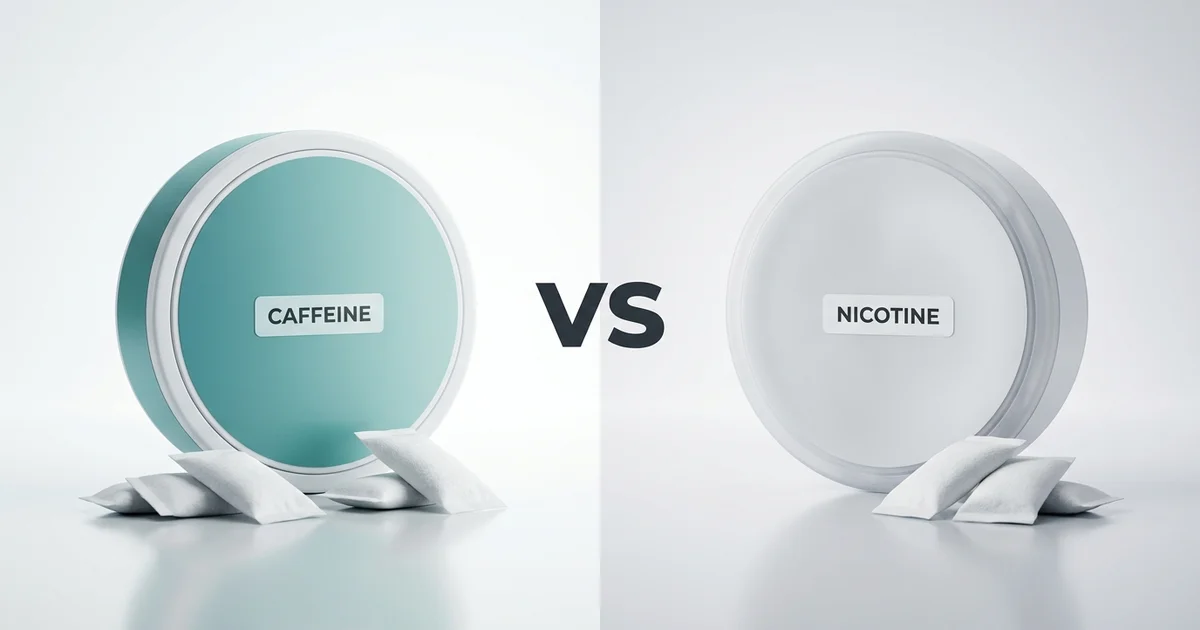
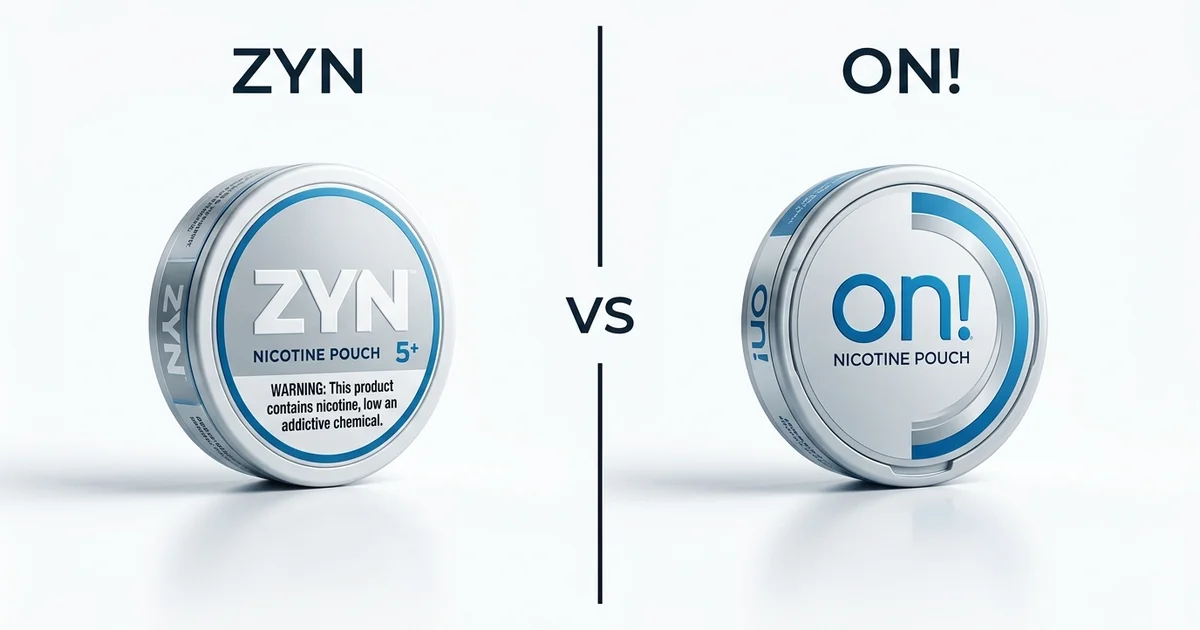
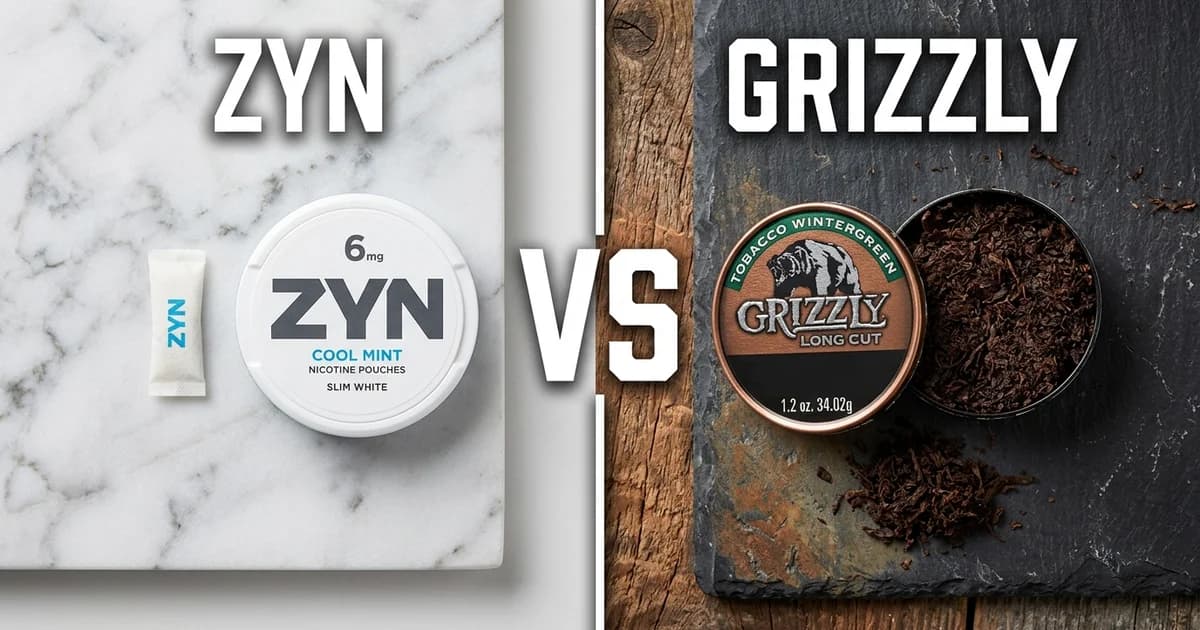
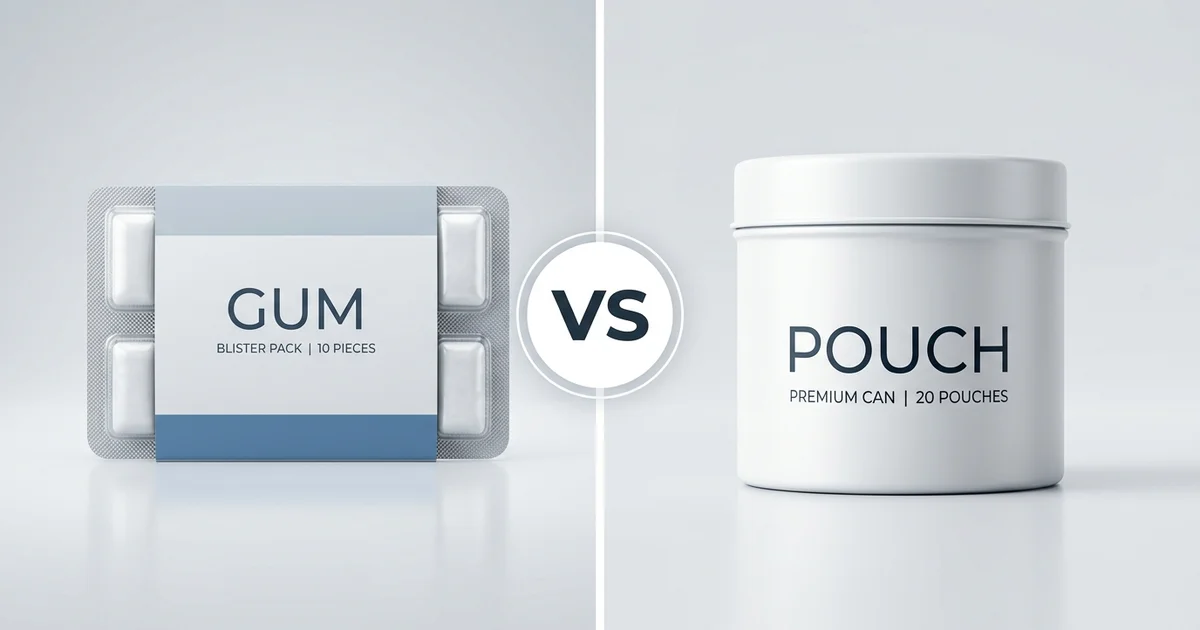
Nicotine gum and Zyn both deliver nicotine through the lining of your mouth, but they are not the same category of product. Nicotine gum is an FDA-approved nicotine replacement therapy (NRT) built to taper you off nicotine on a schedule. Zyn is an oral nicotine pouch authorized for sale to adults, not approved as a quit-smoking medication. If your goal is to stop using nicotine, that distinction is the entire decision.
This is the point most "nicotine gum vs zyn" guides bury. One tool exists to help you quit. The other exists to keep you using, just in a cleaner-feeling format.
This article is for informational purposes only and is not medical advice. If you have health concerns, are pregnant or breastfeeding, or are trying to cut down on caffeine or quit nicotine, talk to a healthcare provider.
Key Takeaways
- Nicotine gum is an FDA-approved NRT. It is one of five FDA-approved nicotine replacement products, designed for structured tapering and craving relief during a quit attempt.
- Zyn is authorized for sale, not approved for cessation. The FDA authorized marketing of 20 ZYN products in January 2025, but explicitly stated they are not "safe" and did not approve them as a quit aid.
- Both still deliver addictive nicotine. Gum is meant to be reduced over weeks. Zyn has no built-in off-ramp.
- Roon is a zero-nicotine focus pouch. It is not an NRT and not a cessation medication. It keeps the oral ritual without the nicotine.
What the FDA Approval Actually Means (and What It Doesn't)
The FDA "approval" of Zyn that you keep reading about is a marketing authorization, not a medical endorsement. On January 16, 2025, the FDA authorized the marketing of 20 ZYN nicotine pouch products in 3 mg and 6 mg strengths through the premarket tobacco product application pathway. That pathway asks one question: do these products offer greater benefit than risk to public health overall, mostly by giving adult smokers a lower-harm alternative to cigarettes.
That is a very different bar from "approved to help you quit." The agency was direct about it. As Psychology Today summarized the decision, the FDA emphasized the pouches are authorized for sale but are "not without risk and not considered safe."
Nicotine gum lives in the opposite category. It is a true nicotine replacement therapy, one of the FDA-approved NRT products available over the counter alongside the lozenge and patch. The gum exists for a single medical purpose: to manage withdrawal while you walk yourself off nicotine.
Nicotine Gum vs Zyn: The Comparison Table
Here is the honest side-by-side, including a zero-nicotine option for readers who want the oral habit without the drug.
| Product | Nicotine per dose (mg) | FDA-approved NRT? | Onset | Intended use (quit vs recreational) | Tobacco-free? | Daily-use risk | Zero-nicotine option? |
|---|---|---|---|---|---|---|---|
| Nicotine gum | 2 mg or 4 mg | Yes | Fast (buccal, faster than patch) | Quit aid (taper) | Yes (pharmaceutical nicotine) | Lower; designed to taper off over weeks | No |
| Zyn pouch | 3 mg or 6 mg | No | Fast (buccal) | Recreational / adult alternative product | Yes (tobacco-leaf-free nicotine) | Higher; no built-in off-ramp, easy to use all day | No |
| Roon | 0 mg | No (not an NRT) | 5 to 10 min (sublingual) | Focus and oral ritual, not cessation | Yes | No nicotine; caffeine-based, use as you would coffee | Yes (zero nicotine by design) |
Roon is on this table for one reason. If the only thing keeping you on Zyn is the pouch ritual, a zero-nicotine pouch answers that without dosing you with an addictive drug. It is not a quit medication, and it should not be sold to you as one.
Why the "Quit" Angle Separates These Two
Nicotine gum is engineered to make itself unnecessary. The product is built around tapering. You start with a strength matched to how heavily you smoke, use a piece when cravings hit, then step the frequency and dose down over weeks until you stop. Gum and lozenges are absorbed through the mouth and kick in faster than the patch, which is why they work for the sudden spikes that derail a quit attempt. A Cochrane systematic review of nicotine replacement therapy found that NRT increases the chance of quitting smoking by 50 to 60 percent compared with placebo.
Zyn has no such structure. It is sold as a flavored, all-day product, and that is exactly the trap people describe online. There is no taper schedule on the can. There is no clinical endpoint where you are supposed to stop. You buy more pouches.
The research community treats pouches accordingly. Truth Initiative notes that oral nicotine pouches like Zyn are not approved by the FDA as cessation aids, and that nicotine itself is highly addictive. Yale Medicine raises similar concerns about pouch use, particularly the high nicotine content and appeal to young people.
Honest Pros and Cons
Neither product is villain or hero. Here is the straight read.
Nicotine gum
- Pros: FDA-approved for cessation, available over the counter, fast craving relief, structured to taper, decades of safety data.
- Cons: the taste and jaw fatigue are real, you can chew it wrong and get a stomach ache or hiccups, and some users stay on it longer than intended.
- Pros: tobacco-leaf-free, discreet, lower-harm than cigarettes for an adult who already smokes and fully switches, no smoke or spit.
- Cons: not a cessation product, easy to use continuously, 6 mg strengths deliver meaningful nicotine, and the all-day format can deepen dependence rather than reduce it.
If you smoke now and want to quit, the gum is the tool with the credential and the off-ramp. If you are using Zyn recreationally and want out, the honest move is treating it like any nicotine habit: taper down, or switch to a genuine NRT under guidance, not to a stronger pouch.
What About the Pouch Ritual Itself?
A lot of people are not actually chasing nicotine. They are chasing the pouch. The lip placement, the slight tingle, the small physical anchor during a deadline or a long drive. That habit loop is powerful, and it is often what survives long after someone has decided they are done with the drug.
This is the narrow space where a zero-nicotine pouch makes sense. It satisfies the oral, ritual side of the habit while removing the addictive compound entirely. It is not medicine, and it will not manage nicotine withdrawal. It simply gives your hands and mouth something to do that does not refill your nicotine tank.
Conclusion: One Is a Tool to Leave, One Is a Reason to Stay
The cleanest way to read nicotine gum versus Zyn is by intent. Nicotine gum is a regulated quit aid with a built-in exit. Zyn is an authorized recreational product with none. The FDA decision in 2025 confirmed Zyn can be sold to adults as a lower-harm alternative to cigarettes; it did not bless it as a way to quit nicotine, and the agency was clear that it is not "safe."
So if quitting is the goal, choose the product designed to end your nicotine use, not the one designed to be pleasant enough to continue. The category label matters more than the flavor.
Frequently Asked Questions
When to See a Doctor
If you are trying to quit nicotine, a healthcare provider can help you choose an FDA-approved cessation therapy and a plan that fits you. This article does not replace personalized medical guidance.
Is nicotine gum better than Zyn for quitting?
For quitting nicotine, yes. Nicotine gum is an FDA-approved nicotine replacement therapy built to taper you off over weeks, and it provides fast craving relief through the mouth. Zyn is authorized for adult sale but is not approved as a cessation product and has no taper structure. If your goal is to stop using nicotine, the gum is the tool with both the medical credential and a clear off-ramp.
Did the FDA approve Zyn as safe?
No. The FDA authorized the marketing of 20 ZYN products in January 2025 through its tobacco product pathway, which weighs population-level risk and benefit. The agency stated the products are not without risk and not considered "safe." Authorization means Zyn can be legally sold to adults as a potentially lower-harm alternative to cigarettes, not that it is harmless or approved to help anyone quit nicotine.
How much nicotine is in Zyn versus nicotine gum?
Nicotine gum typically comes in 2 mg and 4 mg strengths, with the dose matched to how heavily someone smokes. The FDA-authorized ZYN products come in 3 mg and 6 mg strengths. The key difference is not just the milligrams. Gum is meant to be reduced and discontinued, while pouches are sold for ongoing daily use with no built-in plan to stop.
Can Zyn help me quit smoking or vaping?
Zyn is not approved by the FDA as a cessation aid, and research groups including Truth Initiative point out that pouches are not authorized quit products and still deliver addictive nicotine. Some adult smokers do switch fully from cigarettes to pouches as a lower-harm option, but switching is not the same as quitting nicotine. For a structured quit attempt, FDA-approved NRT or a conversation with a clinician is the evidence-based route.
Is nicotine gum addictive too?
Nicotine gum contains real, addictive nicotine, so dependence on the gum is possible, especially if you use it longer than the recommended program. The difference is design. Gum is meant to be stepped down in dose and frequency until you stop, usually within a few months. Used as directed, it reduces your nicotine intake over time rather than maintaining it indefinitely the way an all-day pouch can.
What is a zero-nicotine pouch, and is it an NRT?
A zero-nicotine pouch delivers flavor and the familiar oral sensation without any nicotine. It is not a nicotine replacement therapy and not a cessation medication. It cannot manage nicotine withdrawal because it contains no nicotine to taper. Its only role is satisfying the physical pouch ritual for people who want that habit without the drug. If you need to manage withdrawal, an FDA-approved NRT is the appropriate product.
If It's the Ritual, Not the Nicotine, Holding You
This article drew one line down the middle: nicotine gum is a tool built to leave, Zyn is a product built to keep. But there is a third thing hiding in many people's habit, and it is neither the drug nor the harm. It is the pouch itself, the small physical cue you reach for when you need to lock in.
That is the only job Roon is built for. Roon is a zero-nicotine sublingual pouch with 80 mg caffeine, 60 mg L-theanine, 25 mg methylliberine (Dynamine), and 5 mg theacrine (TeaCrine), designed to support clean, sustained focus. It keeps the lip-and-mouth ritual while removing nicotine entirely.
Be clear on what it is not. Roon is not a nicotine replacement therapy, not a quit-smoking medication, and not a substitute for medical cessation support. If you are working to quit nicotine, talk to a clinician about FDA-approved options first. If what you actually miss is the pouch and the focus, that is where Roon fits.
By Roon Team