Morning Brain Fog: How to Wake Up Mentally Sharp Instead of Groggy

Morning Brain Fog: How to Wake Up Mentally Sharp Instead of Groggy
You hit snooze twice, drag yourself to the kitchen, and stare at the coffee maker like it owes you an explanation. Your body is awake. Your brain is still buffering.
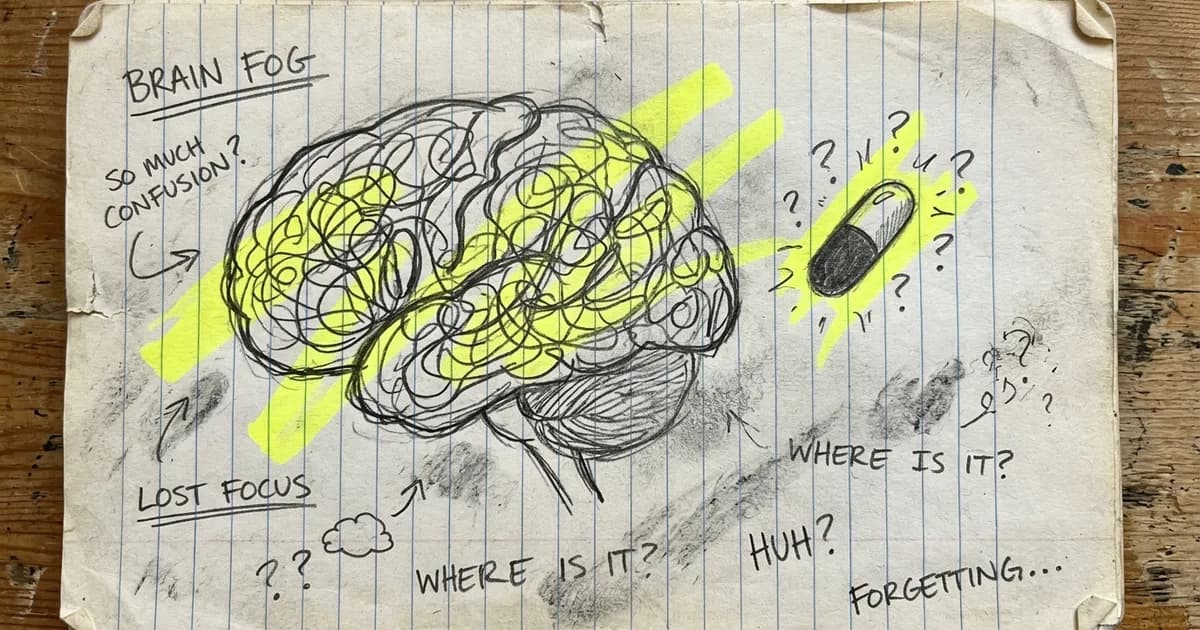
That gap between opening your eyes and actually thinking clearly has a name, and it is not a character flaw. Morning brain fog is mostly a measurable, predictable brain state called sleep inertia, and you can shorten it with a handful of evidence-based moves.
This guide breaks down why a foggy brain in the morning happens, how long it should last, and the specific steps that help you wake up mentally sharp.
Key Takeaways
- Morning grogginess is usually sleep inertia, a temporary dip in alertness right after waking.
- For most people, sleep inertia lasts 15 to 30 minutes, though it can stretch to a couple of hours after short or broken sleep.
- The fastest fixes are physical and behavioral: light, movement, hydration, and smart caffeine timing.
- Persistent, daily fog that lasts hours can signal a sleep disorder worth checking with a doctor.
What Morning Brain Fog Actually Is
Morning brain fog is the cognitive lag you feel in the minutes after waking, when reaction time, memory, and decision-making run slower than normal. Sleep scientists call it sleep inertia.
The mechanism is simple to picture. When you wake up, parts of your brain reboot faster than others. The regions handling alertness come back online quickly, while the prefrontal cortex, the area you use for planning and focus, takes longer to catch up.
That mismatch is why you can physically stand at the stove yet forget whether you already added coffee to the cup. In the majority of cases, morning sleep inertia is experienced for 15 to 30 minutes after waking, though impairment can take several hours to dissipate, according to the research summarized on Wikipedia's sleep inertia entry.
The severity depends heavily on how and when you wake. Waking out of deep slow-wave sleep, the kind you get pulled from by an alarm during the early hours, tends to produce the heaviest fog.
Why You Get a Foggy Brain in the Morning
A foggy brain in the morning comes down to four overlapping factors: which sleep stage you woke from, how much sleep you got, your circadian timing, and your overnight chemistry. Most morning grogginess traces back to at least one of them.
1. You Woke During Deep Sleep
Your sleep cycles through light, deep, and REM stages roughly every 90 minutes. Wake during a light stage and you feel relatively clear. Wake mid-deep-sleep and your brain fights you.
An alarm does not care which stage you are in. It just goes off.
2. You Did Not Sleep Enough
Sleep debt makes inertia worse and longer. Although the period of grogginess normally diminishes within 30 to 60 minutes, it can last longer if a person is underslept, per the Sleep Foundation.
If you are routinely fogged for hours, the first question is not "what supplement do I take." It is "am I actually sleeping enough."
3. Your Cortisol and Adenosine Are Misaligned
Cortisol naturally rises in the first 30 to 45 minutes after waking, a pattern called the cortisol awakening response, and that rise helps drive alertness. Meanwhile, adenosine, the molecule that builds sleep pressure, may not have fully cleared if your sleep was short or fragmented.
When cortisol is sluggish and adenosine is still high, you get that heavy, underwater feeling. This is the sleep inertia brain fog state most people are trying to escape.
4. Your Body Clock Is Off
Wake up far outside your natural rhythm, like a 5 a.m. alarm after a midnight bedtime, and your internal clock is still set to "night." Your brain expects darkness and rest, so it delivers fog.
How to Wake Up Mentally Sharp: 7 Evidence-Based Moves
The fastest way to clear morning brain fog is to stack physical and behavioral cues that tell your brain the day has started. Here are seven that hold up under research.
1. Get Bright Light Within Minutes of Waking
Light is the strongest signal your circadian system reads. Bright light upon waking is one of the most studied sleep inertia countermeasures, and NASA-affiliated research published in Sleep Health tested short-wavelength enriched light specifically to reduce inertia after nighttime awakenings.
Practical version: open the curtains, or step outside, within the first few minutes. Sunlight beats a phone screen by a wide margin.
2. Move Your Body
A short burst of activity raises core body temperature and heart rate, both of which climb naturally as you wake. Researchers list a brief bout of exercise among the reactive countermeasures studied for sleep inertia, as covered in this Frontiers in Physiology review.
You do not need a workout. Twenty bodyweight squats or a brisk walk to the kitchen and back counts.
3. Splash Cold Water on Your Face
Face washing on waking shows up repeatedly in the countermeasure literature. It is a small thermal and sensory jolt that nudges your nervous system toward alertness.
It is cheap, fast, and works the same morning you decide to try it.
4. Hydrate Before You Caffeinate
You lose water overnight through breathing and sweat, and mild dehydration drags on attention and mood. A full glass of water before coffee gives your brain an easier baseline to work from.
Salt a little if you sweat heavily at night. It helps the water actually stick.
5. Time Your Caffeine
Caffeine works by blocking adenosine, which is exactly the molecule keeping you foggy. The science on timing is interesting though.
A study in Scientific Reports tested a pulsatile-release caffeine taken at bedtime and found it eased sleep inertia symptoms immediately on waking. The takeaway for the rest of us: caffeine genuinely helps inertia, but standard coffee takes around 30 minutes to peak, so the cup you drink at 7:00 is working closer to 7:30.
6. Pair Caffeine With L-Theanine
Caffeine alone can spike alertness and anxiety together. L-theanine, an amino acid in tea, smooths that edge.
One study found that 97 mg of L-theanine combined with 40 mg of caffeine helped focus attention during a demanding task, with no significant effects on tasks like visual search or mental rotation, as reported in this PubMed-indexed trial. More recent work backs the pairing for sleep-deprived brains too. A high-dose L-theanine and caffeine trial in the British Journal of Nutrition found the combination improved measures of selective attention in overnight sleep-deprived adults.
This pairing is the reason green tea feels calmer than coffee at the same caffeine dose.
7. Stop Snoozing
Each snooze risks dropping you back into a light sleep cycle, only to yank you out again before it completes. You restart the inertia clock every time.
Set the alarm for when you actually need to rise, then get up.
A Quick Comparison of Morning Fog Fixes
Different tools work on different timelines. Here is how the common options stack up for clearing a foggy brain in the morning.
| Method | Speed of effect | Best for | Notes |
|---|---|---|---|
| Bright light | 5 to 30 min | Resetting circadian timing | Sunlight beats screens |
| Movement | 5 to 15 min | Raising body temperature and heart rate | A short burst works |
| Cold water on face | Immediate, brief | A fast sensory jolt | Pairs well with light |
| Hydration | 15 to 30 min | Reversing overnight fluid loss | Do it before coffee |
| Coffee alone | ~30 min to peak | Blocking adenosine | Can add jitters |
| Caffeine + L-theanine | 5 to 30 min | Focus without the edge | Calmer than coffee alone |
| Roon sublingual pouch | 5 to 10 min onset | Fast, steady clarity | 6 to 8 hr window, no crash |
When Morning Brain Fog Is Worth a Doctor Visit
Occasional grogginess is normal. Daily fog that lasts hours and wrecks your function is not, and it can point to something treatable.
Severe, prolonged morning inertia, sometimes called sleep drunkenness, shows up in conditions like idiopathic hypersomnia. The Hypersomnia Foundation notes that in these cases symptoms can last up to a few hours and include automatic behaviors you do not remember.
If your fog comes with loud snoring, gasping at night, or constant daytime sleepiness, ask a doctor about sleep apnea. Persistent fog can also tie to thyroid issues, low iron, or medication side effects, so it is worth a real workup rather than another espresso.
Fog Is a State You Can Engineer Out Of
Morning brain fog is not a sign that you are lazy or broken. It is sleep inertia, a normal transition state your brain runs through every single morning.
The fix is rarely one magic move. It is a stack: enough sleep first, then light, movement, water, and well-timed caffeine to tell your brain the day has begun. Most people can cut their groggy window from a slog into something closer to fifteen clear-headed minutes.
Get the inputs right and "I am useless before my second coffee" stops being your personality.
Frequently Asked Questions
How long should morning brain fog last?
For most people, sleep inertia clears within 15 to 30 minutes of waking. It can stretch toward an hour or more if you are sleep-deprived or woke from deep sleep. If you feel foggy for several hours every single day, that is outside the normal range and worth raising with a doctor, since it can signal a sleep disorder, thyroid issue, or other underlying cause.
Why am I so groggy even after 8 hours of sleep?
Total sleep time is only part of the picture. You can sleep eight hours and still wake during a deep sleep stage, which produces heavy sleep inertia regardless of duration. Fragmented sleep, alcohol, an irregular schedule, or an undiagnosed condition like sleep apnea can also leave you groggy despite adequate time in bed. Quality and timing matter as much as quantity.
Does coffee actually fix sleep inertia brain fog?
Caffeine helps because it blocks adenosine, the molecule that builds sleep pressure and keeps you foggy. Research even shows specially timed caffeine can ease inertia right on waking. The catch is that standard coffee takes roughly 30 minutes to reach peak effect, so it does not deliver instant clarity. Pairing caffeine with L-theanine can give you focus with less of the jittery spike.
What is the fastest way to wake up mentally sharp?
Stack several cues at once. Get bright light immediately, move your body for a minute or two, splash cold water on your face, and drink a glass of water before caffeine. Each one signals your brain that the day has started, and together they clear fog faster than any single tactic. Avoiding the snooze button protects the whole effect.
Is morning brain fog the same as sleep inertia?
In most cases, yes. Sleep inertia is the clinical term for the temporary grogginess and slowed thinking right after waking, which is exactly what people describe as morning brain fog. The terms are used interchangeably for everyday morning grogginess. Brain fog that persists all day, however, may have separate causes like dehydration, illness, stress, or nutritional gaps.
Does hitting snooze make brain fog worse?
Usually, yes. Snoozing often pushes you back into a light sleep cycle that you then interrupt before it completes, restarting the sleep inertia process. You end up fragmenting the most fragile part of your sleep and waking groggier than if you had just gotten up. Setting your alarm for the actual time you need to rise is the better play.
Can supplements help with morning grogginess?
Some can support focus and clear-headed energy, particularly combinations of caffeine and L-theanine, which research links to improved attention without the harsh edge of caffeine alone. Supplements work best alongside the basics, not instead of them. No supplement substitutes for adequate sleep, and persistent daily fog still deserves a medical look rather than a stronger stack.
The Calm-Clarity Tool for That First Foggy Hour
Everything above starts with sleep, light, and movement. Those are the foundation, and nothing replaces them. But once you are up and you still need to think clearly through that groggy first hour, the caffeine-plus-L-theanine pairing is the part you can carry in your pocket.
That is the gap Roon was built for. It is a zero-nicotine sublingual pouch with a 4-ingredient stack: 80 mg caffeine, 60 mg L-theanine, 25 mg methylliberine (Dynamine), and 5 mg theacrine (TeaCrine). The sublingual format means a 5 to 10 minute onset, so you are not waiting 30 minutes for a coffee to kick in, and it is designed to support 6 to 8 hours of steady focus with no jitters, no crash, and no tolerance buildup.
Roon supports focus and calm, clear-headed energy. It is not a sleep aid and not a replacement for the rest your brain actually needs. If you want to clear the morning fog faster on the days that count, try Roon as the layer on top of your real routine.
Written by Roon Team