L-Tyrosine vs L-Theanine for Focus Under Stress
Roon Team
L-Tyrosine vs L-Theanine for Focus Under Stress: When Each One Wins
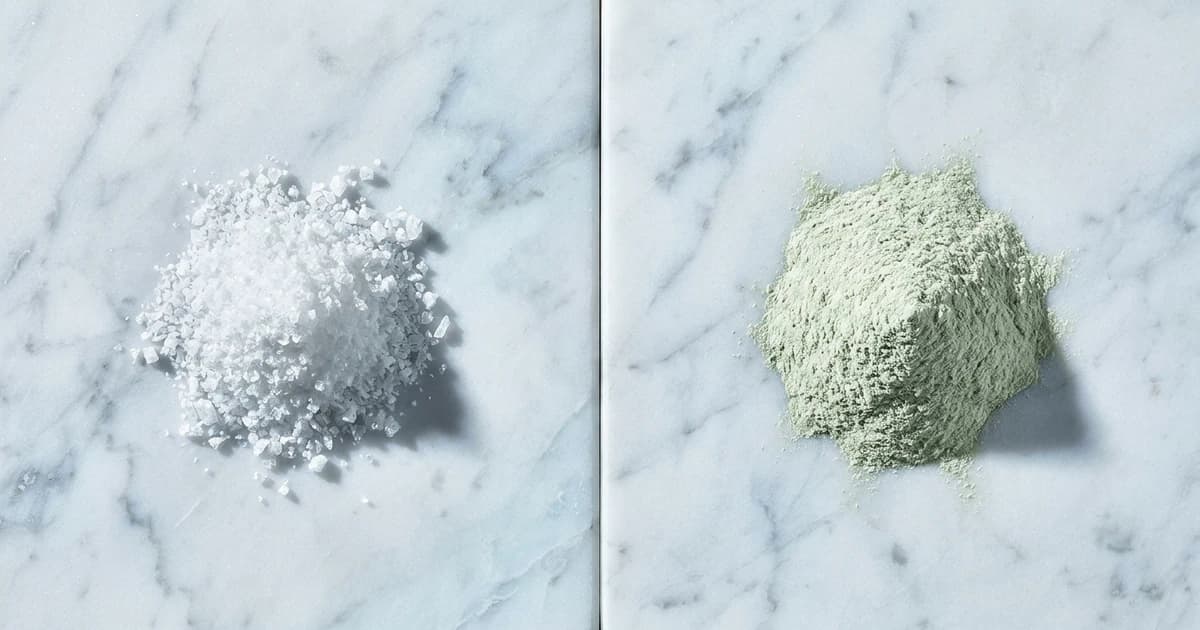
You are staring at a deadline, your inbox is a fire alarm, and you need to think clearly right now. The question of l-tyrosine vs l-theanine for focus comes down to one thing most supplement labels never tell you: these two amino acids solve opposite problems.
L-theanine quiets an overactive system. L-tyrosine refuels a depleted one. Pick the wrong one for your situation and you either feel sedated when you needed sharpness, or wired when you needed calm.
Here is the science on what each does, and the specific moments when each one wins.
Key Takeaways
- L-theanine promotes calm, alert focus by raising alpha brainwave activity. Best for anxious energy, racing thoughts, and pairing with caffeine.
- L-tyrosine is a precursor to dopamine and norepinephrine. It supports working memory and attention when acute stress, sleep loss, or cold has drained those neurotransmitters.
- They are not interchangeable. One smooths a spike; the other restores a deficit.
- Dosing and timing differ sharply, and that difference matters more than which one is "better."
How L-Theanine Works: Calm Without Sedation
L-theanine produces a state of relaxed alertness, not drowsiness. It is an amino acid found almost exclusively in tea leaves, and it changes your brain's electrical activity in a measurable way.
In a frequently cited study, a single oral dose of 200 mg of L-theanine produced alpha-electric waves in the occipital and parietal regions of subjects' brains. Alpha waves are the signature of a mind that is awake but settled, the opposite of the beta-wave buzz of stress.
This is why theanine calm focus is the phrase that fits it best. It does not blunt your thinking. It lowers the static around it.
Theanine Plus Caffeine
L-theanine shines brightest next to caffeine. The two together do something neither does alone.
A meta-analysis of randomized trials found that the combination of caffeine and l-theanine increased attention switching accuracy and unisensory visual attention accuracy in the first and second hours post-dose compared to placebo, with a moderate effect on alertness. Theanine takes the rough edges off caffeine, so you get the alertness without as much of the jitter.
The evidence is not unanimous. One double-blind, placebo-controlled study reported no positive behavioral effects from combining L-theanine and caffeine, contrary to several earlier findings. The signal is real but dose, timing, and the task being measured all move the result.
How L-Tyrosine Works: Fuel for a Stressed Brain
L-tyrosine supports cognition specifically when stress has depleted your brain's chemistry, and not much otherwise. This is the single most important fact about it.
Tyrosine is the raw material your body uses to build dopamine and norepinephrine. Under acute stress, your brain burns through these faster than it makes them, and performance on demanding mental tasks slips. Tyrosine tops up the tank.
A widely referenced review by Jongkees and colleagues, published in the Journal of Psychiatric Research, put it plainly. Tyrosine supplementation reverses cognitive decline under stress or cognitive demands, though disease characteristics likely determine its efficacy. The key qualifier from the same body of work: it helps mainly when neurotransmitter function is taxed.
Tyrosine, Working Memory, and Real Stress
The stressors where tyrosine for stress has shown effects are the harsh ones. In studies using hypothermia as the stressor, tyrosine administration reversed impairments on attention and memory, and it has shown benefits across other demanding conditions too.
The link to tyrosine working memory is genuine but conditional. Research on the N-back task, a standard working-memory test, found tyrosine helped people update information held in mind, but the effect depended on individual genetics and the demand of the task. In low-stress, low-demand conditions, you should not expect much.
There is even a downside case. One study found tyrosine can negatively affect flexible-like behavior under certain cognitively demanding conditions. More is not always better.
L-Tyrosine vs L-Theanine for Focus: The Head-to-Head
Here is the direct comparison. Read the "best for" row first, because that is where the decision actually lives.
| Factor | L-Theanine | L-Tyrosine |
|---|---|---|
| Primary mechanism | Raises alpha brainwaves; calm alertness | Precursor to dopamine and norepinephrine |
| Best for | Anxious energy, racing thoughts, smoothing caffeine | Acute stress, sleep loss, cold, high cognitive load |
| Effect feel | Settled, clear, unforced | Sharper, more driven under pressure |
| Works at baseline? | Yes, even when calm | Mostly only when neurotransmitters are depleted |
| Typical dose | 100 to 200 mg | Often 500 to 2,000 mg; stress studies use far more |
| Pairs with caffeine? | Yes, the classic combination | Less commonly stacked this way |
| Onset | Roughly 30 to 60 minutes oral | Peaks 1 to 2 hours after oral dosing |
Theanine vs Tyrosine: When to Take Each
The question of theanine vs tyrosine when to take has a clean answer once you frame it by your problem.
Reach for theanine when your focus is being wrecked by too much arousal: caffeine jitters, pre-presentation nerves, a mind that will not stop pinging. It is the better daily, low-friction amino acid for focus for most people because it works even when you are not under extreme stress.
Reach for tyrosine when your focus is failing because you are running on empty: a night of bad sleep, a brutal cognitive sprint, cold, or back-to-back high-pressure tasks. It is a situational tool, not a daily one.
The Dosing Reality Most Labels Hide
Tyrosine's catch is the dose. The anti-stress research that everyone cites used amounts most products do not come close to.
According to Examine.com, the human studies showing the most anti-stress promise used a dosage range of 100 to 150 mg per kg of bodyweight, roughly 9 to 13.5 g for a 200 lb person, taken about 60 minutes before exercise. That is grams, not the few hundred milligrams on a typical capsule. If you take a small dose and feel nothing under stress, the dose is the likely reason.
L-theanine is friendlier here. The studied benefits show up at 100 to 200 mg, an amount that fits easily into a single serving.
The Conclusion: Two Tools, Two Jobs
L-theanine and L-tyrosine are not rivals. They are answers to different questions.
If stress shows up as too much noise, too much arousal, a buzzing mind that cannot land, theanine is your tool, and it works even on an ordinary day. If stress shows up as depletion, the foggy flatness of poor sleep or relentless pressure, tyrosine can restore what got burned, provided you dose it high enough and only when the system is actually taxed.
The smartest approach is not loyalty to one molecule. It is matching the molecule to the state you are in.
Frequently Asked Questions
Can I take L-tyrosine and L-theanine together?
Yes, and they do different jobs, so combining them is reasonable. Theanine provides calm alertness while tyrosine supports neurotransmitter levels under stress. The practical issue is dose and timing. Theanine works at 100 to 200 mg, while meaningful anti-stress tyrosine doses are far larger. If you stack them, treat tyrosine as the situational add-on for high-stress days, not a daily fixture.
Which is better for everyday focus at work?
L-theanine is the better daily choice for most people. It supports calm, alert focus even when you are not under extreme stress, and it pairs cleanly with caffeine for sustained attention. Tyrosine mainly helps when your neurotransmitters are depleted by sleep loss, cold, or acute pressure, so on a normal day it often does little. Match the tool to your actual state.
Does L-tyrosine really help working memory?
It can, but only under the right conditions. Research on working-memory tasks shows tyrosine helps update information held in mind when the brain is taxed, though the effect depends on individual genetics and task demand. Under low-stress, low-demand conditions, expect little. The reviews are consistent: tyrosine repletes what stress depletes rather than boosting an already-rested brain.
How long before a stressful event should I take each one?
Timing differs. L-theanine acts within roughly 30 to 60 minutes when taken orally. L-tyrosine peaks about 1 to 2 hours after an oral dose, so studies typically dose it around 60 minutes before a demanding event to align peak levels with peak need. Sublingual delivery can speed onset for compounds absorbed through the mouth lining.
Will L-theanine make me sleepy?
No. L-theanine promotes relaxed alertness, not sedation. It raises alpha brainwave activity, the pattern linked to a calm but awake mind, which is why it pairs so well with caffeine. You feel steadier, not drowsy. If you want a sleep aid, theanine is not the right tool; its strength is taking the edge off arousal while keeping you sharp.
Is more L-tyrosine always better?
No. One study found tyrosine can negatively affect flexible thinking under certain demanding conditions, so dose matters in both directions. The anti-stress research used large amounts relative to bodyweight, but that does not mean limitless dosing helps. Tyrosine restores a deficit; it does not stack benefits indefinitely. Use it situationally and at researched doses rather than treating more as automatically better.
Which one helps with caffeine jitters?
L-theanine. It is the classic partner to caffeine because it smooths the overstimulation without canceling the alertness. A meta-analysis found the caffeine and theanine combination improved attention switching and visual attention accuracy in the first two hours post-dose. Tyrosine does not play this role; it addresses depletion, not overstimulation, so it is the wrong tool for a caffeine buzz.
Why Roon Built Around Theanine, Not Tyrosine
This article makes the case that theanine and tyrosine solve opposite problems, and that distinction is exactly why Roon is built the way it is. For sustained, everyday focus that holds up without jitters, the calm-alertness mechanism wins. That is the theanine job.
Each Roon pouch pairs 60 mg of L-theanine with 80 mg of caffeine, plus 25 mg of methylliberine (Dynamine) and 5 mg of theacrine (TeaCrine), delivered sublingually for a 5 to 10 minute onset and a 6 to 8 hour window with no crash and no tolerance buildup. The theanine is there for the precise calm-focus role described above: it takes the edge off the caffeine so you get clean attention instead of a buzz.
Roon is not a tyrosine product, and it is not meant to be. If your problem is acute depletion from a sleepless night or extreme stress, high-dose tyrosine is a different, situational tool. For the daily work of staying calm and sharp, try Roon and let the theanine do what it does best.
Written by Roon Team