Keurig Coffee Filters Replacement: The Complete Guide to Better-Tasting Brews
Your Keurig is only as good as the filters inside it, and a proper keurig coffee filters replacement routine is the single easiest way to improve what ends up in your mug every morning. If you can't remember the last time you swapped yours out, your coffee is paying the price.
Here's the thing most people miss: Keurig machines actually use two different types of filters. Confusing them (or ignoring both) is why so many K-Cup owners complain about flat, stale, or off-tasting coffee. This keurig coffee filters replacement guide breaks down exactly which filters your machine needs, when to replace them, and how to pick the right ones.
Key Takeaways:
- Keurig machines use water filter cartridges (charcoal) and, depending on the model, coffee filters (reusable mesh or paper).
- Water filter cartridges should be replaced every 2 months or 60 tank refills, whichever comes first.
- Reusable K-Cup filters let you use your own ground coffee, saving money and reducing plastic waste.
- K-Duo models with a carafe side need flat-bottom paper filters or a gold-tone mesh replacement.
The Two Types of Keurig Filters (And Why Both Matter)
Most Keurig owners know about K-Cup pods. Fewer realize their machine also has a built-in water filtration system that directly affects how their coffee tastes. Understanding both filter types is the first step in any keurig coffee filters replacement plan, and it builds on the basics of general coffee filter replacement.
Water Filter Cartridges
Every Keurig brewer with a rear water reservoir is designed to hold a charcoal water filter cartridge. These small, oval-shaped filters sit inside a plastic filter holder that clips into the reservoir. Their job is straightforward: remove chlorine, calcium, and other impurities from your tap water before it touches your coffee grounds.
According to Keurig's official recommendation, you should replace the cartridge every two months or after 60 tank refills. To keep your beverages at the peak of their flavor, Keurig recommends changing the Water Filter Cartridge every 2 months or 60 tank refills, whichever comes first.
Skip this keurig coffee filters replacement step, and mineral buildup starts doing two things: degrading your coffee's flavor and slowly clogging your machine's internal lines. That's how you end up needing a full descale months earlier than you should.
Reusable Coffee Filters (My K-Cup)
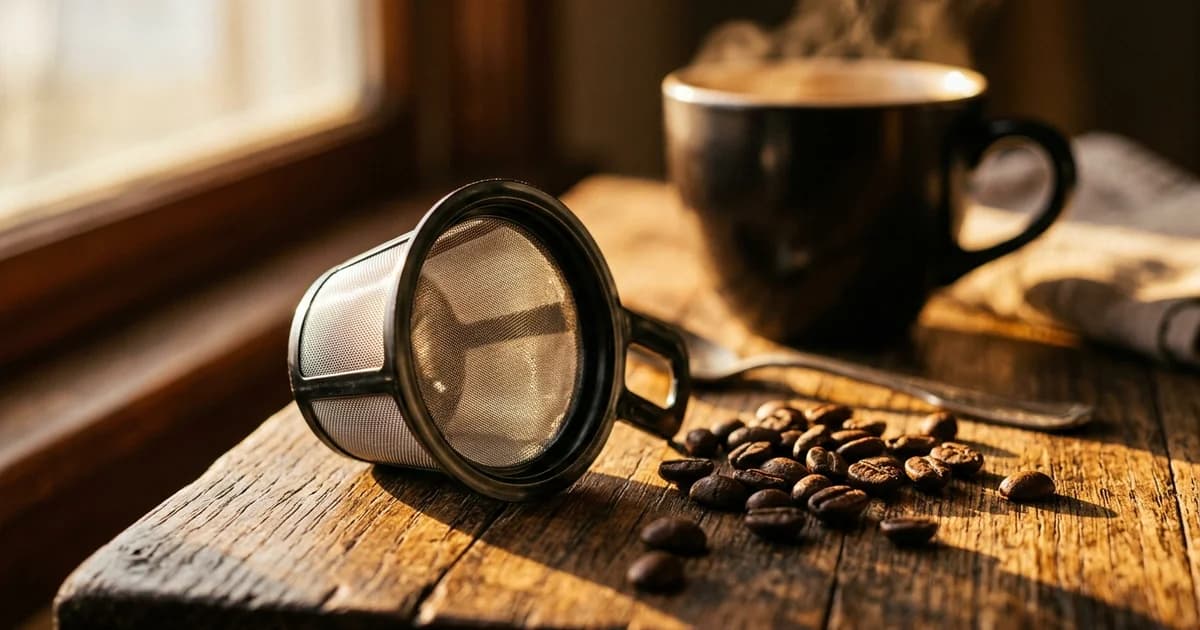
The second filter type is the one that actually holds your coffee. If you're using standard K-Cup pods, the filter is built into the pod itself. But if you want to brew your own ground coffee in a Keurig, you need a reusable K-Cup filter like the official My K-Cup Universal Reusable Coffee Filter.
These mesh filters snap into the pod holder in place of a disposable K-Cup. You fill them with your preferred ground coffee, brew, dump the grounds, and rinse. Simple. Knowing when this reusable filter needs a keurig coffee filters replacement is just as important as tracking your water cartridge schedule.
Paper Filters (K-Duo and Carafe Models)
If you own a Keurig K-Duo, K-Duo Plus, or K-Duo Essentials, there's a third filter in the mix. The K-Duo Plus coffee maker comes with a gold tone reusable mesh filter, but you can also fit a flat-bottom paper filter that is compatible with a 12-cup coffee maker, which follows the same principles as a coffee filter basket replacement on drip machines. These paper filters go on the carafe side of the machine, not the single-serve K-Cup side.
You can buy disposable paper filters designed specifically for K-Duo models or simply use standard flat-bottom 12-cup paper filters from any grocery store.
How to Replace Your Keurig Water Filter Cartridge
This keurig coffee filters replacement process takes about five minutes. Here's the step-by-step:
- Remove the water reservoir from the back of your Keurig.
- Pull out the filter holder from inside the reservoir. It's a small plastic housing, usually near the bottom.
- Discard the old cartridge from the holder.
- Soak the new charcoal cartridge in a cup of clean water for five minutes. Then rinse it under cold water for 60 seconds.
- Insert the new cartridge into the filter holder, snap the holder back into the reservoir, and refill with fresh water.
That's it. The whole keurig coffee filters replacement is faster than brewing a cup of coffee.
One detail worth knowing: for best results, replace your cartridge every 60 days or after 60 tank refills to keep your water tasting pure and chlorine-free. If you have hard water, you may need to swap even more frequently. You'll know it's time when your coffee starts tasting flat or slightly metallic.
Keurig Coffee Filters Replacement: OEM vs. Third-Party Options
You have two paths for your keurig coffee filters replacement: buy Keurig's own filters or go with a compatible third-party brand, much like Cuisinart filter replacement options follow a similar OEM-versus-aftermarket split. Both work. The difference comes down to cost and, in some cases, fit.
Water Filter Cartridges: Price Comparison
| Option | Quantity | Approximate Cost | Cost Per Cartridge |
|---|---|---|---|
| Keurig OEM (6-pack) | 6 | $8–$10 | ~$1.50 |
| BRENSTEN (12-pack) | 12 | $9–$11 | ~$0.85 |
| Housewares Solutions (6-pack) | 6 | $6–$8 | ~$1.15 |
Third-party charcoal cartridges are typically universal fit for both Keurig 1.0 and 2.0 machines. Keurig offers compatible water filter cartridges for 2.0 K-Cup Pod Coffee Makers. Most aftermarket keurig coffee filters replacement options use the same activated charcoal filtration and perform nearly identically to the OEM version.
Reusable K-Cup Filters: What to Look For
If you're buying a reusable coffee filter, compatibility is the main concern. Keurig's own My K-Cup filter uses MultiStream Technology, which distributes water more evenly over the grounds for better extraction. Third-party alternatives from brands like CAPMESSO and PureHQ are often cheaper and come in multi-packs.
Key things to check before buying a keurig coffee filters replacement:
- Machine compatibility: Newer Keurig models (K-Supreme, K-Slim, K-Duo Gen 2) use MultiStream and need filters designed for that system. Older 1.0 and 2.0 machines use a different pod holder.
- Mesh quality: Finer mesh means fewer grounds in your cup. Stainless steel mesh tends to outlast plastic.
- BPA-free materials: Both Keurig's official filter and most reputable third-party options are BPA-free.
Why Reusable Filters Save You Real Money
The economics of a keurig coffee filters replacement with reusable options are hard to argue with. A single K-Cup pod can cost anywhere from $0.50 to $1.25, depending on the brand. Specialty blends can push that even higher, sometimes over $1.50.
Ground coffee, on the other hand, costs a fraction of that per cup. A 12-ounce bag of quality ground coffee runs about $8–$12 and yields roughly 40–50 cups. That puts your per-cup cost between $0.16 and $0.30.
If you drink two cups a day using K-Cup pods at $0.70 each, you're spending about $511 per year on pods alone. Switch to a reusable filter and ground coffee at $0.25 per cup, and that drops to roughly $182 per year. That's over $300 back in your pocket.
The reusable filter itself costs between $10 and $15 and lasts for years with basic cleaning. Paired with regular keurig coffee filters replacement for the water cartridge, the ROI is almost immediate.
Maintenance Tips to Extend Filter Life
Your keurig coffee filters replacement schedule works best when the rest of your machine is clean too. A few habits that make a real difference:
For water filter cartridges:
- Mark the date on your calendar or phone when you install a new one. Two months goes by fast.
- If your home has particularly hard water, consider replacing every 40 tank refills instead of 60.
- Always soak and rinse new cartridges before installing. Skipping this step can leave charcoal residue in your first few brews.
For reusable K-Cup filters:
- Rinse immediately after each use. Dried coffee grounds are much harder to clean from mesh.
- Deep clean weekly by soaking in a mixture of warm water and white vinegar for 15–20 minutes.
- Schedule a keurig coffee filters replacement if you notice tears, warping, or persistent grounds in your coffee.
For the machine itself:
- Descale every 3–6 months, depending on water hardness and usage.
- Run a water-only brew cycle (no pod, largest cup size) once a week to flush the internal lines.
- Wipe down the pod holder and needle area monthly. Coffee oils build up there and go rancid.
Common Signs Your Keurig Coffee Filters Replacement Is Overdue
Not sure if it's time for a keurig coffee filters replacement? Here are the tells:
Water filter cartridge is spent:
- Coffee tastes flat, chalky, or has a chlorine-like aftertaste.
- Brew time has slowed down noticeably.
- It's been more than two months since your last swap.
- Another way people can tell when they should change their Keurig filter is when the coffee changes taste.
Reusable K-Cup filter needs attention:
- Grounds are leaking into your cup.
- The mesh looks stained, warped, or clogged even after cleaning.
- Coffee tastes weak despite using the right amount of grounds.
K-Duo paper/mesh filter issues:
- Coffee from the carafe side tastes muddy or over-extracted.
- The gold-tone mesh filter has visible buildup that won't scrub off.
- Paper filters are tearing or collapsing during brewing.
If any of these symptoms sound familiar, a keurig coffee filters replacement should be your first troubleshooting step before exploring Keurig machine replacement parts or considering a full machine repair.
The Caffeine Question: What's Actually in Your K-Cup?
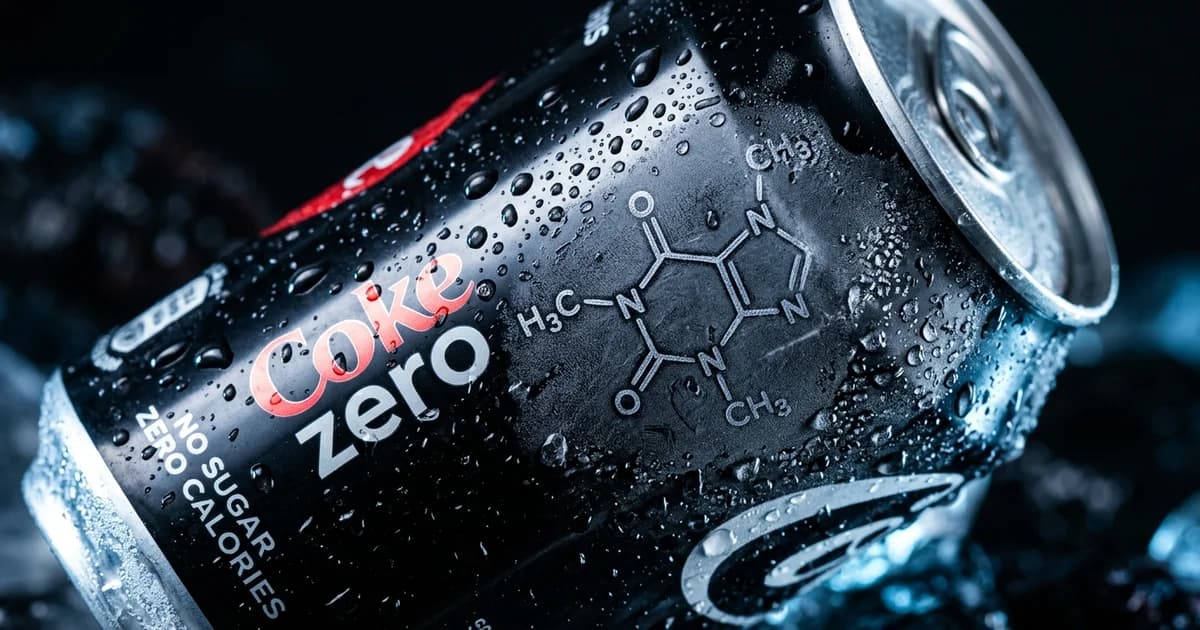
While we're talking about getting the most from your Keurig, it's worth understanding what each cup is delivering beyond flavor. Most standard K-Cups contain between 75–150mg of caffeine per 8-ounce serving, though this varies widely by brand and roast. Light roast K-Cups typically contain 90–140mg of caffeine per serving, as lighter roasting preserves more of the bean's caffeine.
That's a wide range, and most people have no idea how much caffeine they're actually consuming with each pod. The brew size you select matters too. A 6-ounce cup from the same pod will be stronger (and contain a higher concentration of caffeine) than a 12-ounce cup, since the same grounds are just being diluted with more water.
For people who are sensitive to caffeine or trying to manage their intake precisely, this unpredictability can be a real problem. Even a perfect keurig coffee filters replacement routine won't solve the inconsistency of caffeine dosing from pod to pod. Too much caffeine means jitters, anxiety, and the inevitable afternoon crash. Too little means you're reaching for a second or third cup before lunch.
Clean Energy Without the Guesswork
If the inconsistency of caffeine dosing from K-Cups sounds familiar, there's a different approach worth considering. Roon is a zero-nicotine sublingual pouch built around a precise 80mg of caffeine paired with L-Theanine, Theacrine, and Methylliberine. That's roughly one cup of coffee, but the L-Theanine smooths out the edges so you don't get the jittery spike-and-crash cycle that coffee is famous for. And the Theacrine and Methylliberine extend the effect to 6–8 hours of sustained focus without building tolerance.
No brewing, no keurig coffee filters replacement to track, and no guessing how much caffeine you just consumed: Roon's nootropic pouches deliver clean energy with zero crash.
Check it out at takeroon.com.