I Quit Nicotine Pouches, But I Still Miss the Ritual
Roon Team

I Quit Nicotine Pouches, But I Still Miss the Ritual
You did it. Weeks, maybe months off nicotine pouches. The withdrawal headaches are gone. The irritability faded. You don't crave nicotine anymore. But you still miss the ritual after quitting nicotine pouches: the tin in the pocket, the tuck under the lip, the small sensory punctuation that used to organize your day. You're not imagining this, and you're not backsliding. That feeling has a name in the research literature, and it is neurologically separate from nicotine dependence itself.
This is one of the most common experiences people describe in online nicotine-pouch-quitting communities. The chemical part is done. The behavioral part lingers. And almost nobody talks about why.
Why Do You Still Miss the Ritual After Quitting Nicotine Pouches?
Because the ritual was always a separate reinforcement loop from the nicotine. Research going back decades has shown that the behavioral and sensorimotor components of tobacco use, the hand-to-mouth motion, the oral sensation, the predictable rhythm of use, activate different brain systems than nicotine's chemical effects.
A neuroimaging study by McClernon and colleagues measured resting-state cerebral blood flow in 29 smokers across four conditions, combining nicotine patches with denicotinized cigarettes to isolate the chemical and sensorimotor components. The results were clear: the sensorimotor and non-nicotine psychoactive components of smoking independently impacted craving and activated distinct brain regions, including a fronto-temporo-cerebellar network, independent of nicotine itself.
That means your brain formed two habits, not one. The nicotine patch, or going cold turkey, addresses the chemical dependency. But it leaves the behavioral loop completely untouched.
The Ritual Is Not a Weakness. It's a Separate System.
A foundational line of research from Jed Rose and colleagues at Duke University demonstrated this decades ago. Denicotinized cigarettes, which deliver the full physical ritual (the hand motion, the taste, the throat hit) without meaningful nicotine, relieved craving substantially. A nicotine patch alone, pure chemical replacement with no ritual, barely touched the same craving. The sensorimotor experience itself was doing heavy lifting that pharmacology alone could not replicate.
A 2025 study published in Frontiers in Public Health examined this behavioral dimension directly. The researchers found that gestural rituals associated with smoking, the repetitive motions of holding and bringing something to the mouth, function as a form of emotional regulation and self-soothing. These behavioral routines maintained habits even in smokers with low biochemical nicotine dependence. The repetitive, predictable nature of the gestures provided sensory and proprioceptive feedback that reduced physiological arousal.
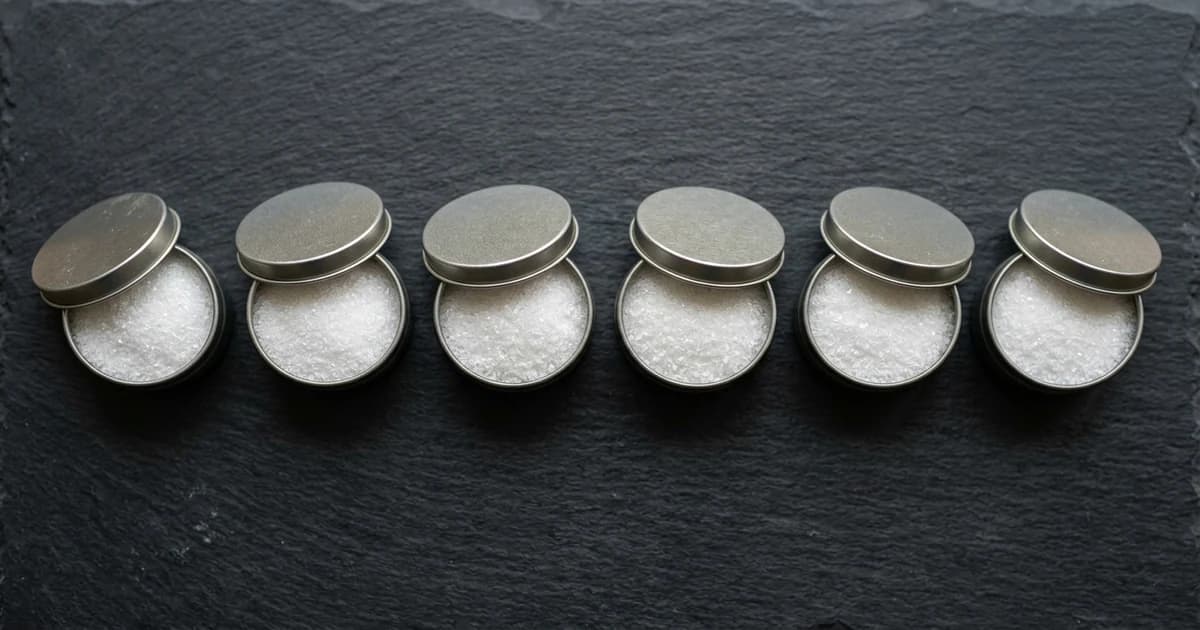
Translate this to nicotine pouches. The tin click. The tuck. The slight tingle under your lip. These sensory anchors were doing real neurological work, calming a low-grade restlessness, marking transitions in your day, giving your hands and mouth a role during moments of stress or boredom. Losing nicotine didn't erase those grooves. It just left them empty.
This Pattern Is Everywhere in Quitting Communities
A note on sourcing: live research for this article could not retrieve specific, citable Reddit posts from communities like r/QuittingZyn or r/NicotineFreePouches. Reddit's content is largely unscrapable by automated search tools right now. So rather than invent a specific quote or attribute words to a poster we can't cite, here is what we can say honestly.
The pattern is real and widely reported. Across online quitting communities, the same experience surfaces over and over: people who are weeks or months past their last nicotine pouch, who have zero chemical craving, describing a persistent feeling of "something missing." It shows up as fidgeting, reaching for the pocket where the tin used to be, feeling unmoored during a work call that used to come with a pouch, or simply not knowing what to do with their hands.
This isn't anecdotal noise. It maps directly onto the neurological evidence above. The chemical addiction and the behavioral habit are distinct systems, and quitting nicotine only addresses one of them.
What Actually Helps Replace the Oral Ritual?
The research points toward a specific strategy: behavioral substitution that matches the sensory profile of the original habit, rather than willpower alone.
A pilot study by Krebs and colleagues tested exactly this approach. They combined nicotine-free e-cigarettes with standard nicotine replacement therapy, giving participants chemical support through the patch while restoring the behavioral ritual through a zero-nicotine device. The result: maintaining the physical ritual while removing the chemical trigger measurably reduced cue-induced craving over two weeks compared to NRT alone.
The principle here is straightforward. Your brain wants format-matched replacement, not abstraction. Telling yourself "just chew gum" partially works because it gives your mouth something to do, but it doesn't match the sensory fingerprint of a pouch under the lip. The closer the replacement matches the original ritual's sensory profile (same location, similar oral sensation, comparable hand-to-tin motion), the more effectively it fills the behavioral gap.
Practical options that align with this evidence:
- Herbal or nicotine-free pouches that preserve the tuck-and-park format
- Flavored toothpicks or oral fixation aids for the hand-to-mouth component
- Structured ritual replacement: pairing the old trigger moments (start of a work session, post-meal break) with a new, deliberate physical action
The key insight from the research is that the replacement should feel physically similar to the old habit, not just occupy the same time slot. Your brain encoded the sensory details, not just the schedule.
How Long Does the Ritual Craving Last?
For most people, the behavioral component fades more slowly than the chemical withdrawal. Nicotine withdrawal symptoms typically peak within the first 3 to 7 days and largely resolve within 2 to 4 weeks. The behavioral habit loop, built over months or years of repetition, operates on a different timeline.
There is no clean universal number. Some people report the "missing something" feeling fading within a few months. Others describe it persisting for a year or more, especially in contexts tightly linked to the old habit (driving, work calls, post-meal moments). The gestural rituals research suggests that for individuals who used smoking-related gestures as emotional regulation tools, the behavioral attachment may be particularly persistent.
If you're past the acute withdrawal window and want a deeper look at what changes physically and cognitively in those early weeks, we've covered that in detail in Life After Zyn: What Changes in Your First 30 Days Off Nicotine Pouches and our 30-Day Recovery Guide for Quitting Nicotine Pouches. This article picks up where those leave off: the long tail, when the chemistry is resolved but the ritual isn't.
The Ritual Gap Is Real, and Filling It Is Not Failure
The core argument of this article is simple: missing the ritual after quitting nicotine pouches does not mean you still want nicotine. It means your brain built a behavioral habit that was reinforced thousands of times, and that habit has a neurological basis independent of the drug.
Decades of research, from Rose's denicotinized cigarette studies to the 2025 gestural-ritual findings, confirm that the sensorimotor components of tobacco use are separately reinforcing. A nicotine-free behavioral replacement that matches the original sensory format is not a crutch or a step backward. It is, based on the evidence, the most direct way to address the specific craving that lingers after the chemical dependency is gone.
Frequently Asked Questions
Is it normal to miss nicotine pouches months after quitting?
Yes. The behavioral habit loop, built through thousands of repetitions, is neurologically separate from nicotine's chemical effects. Research shows that sensorimotor rituals associated with tobacco use activate distinct brain systems from nicotine itself. Missing the physical act of using a pouch, even with zero chemical craving, is a well-documented pattern, not a sign of failure or relapse risk.
What is the difference between nicotine craving and ritual craving?
Nicotine craving is driven by the drug's effect on acetylcholine receptors and typically resolves within 2 to 4 weeks of quitting. Ritual craving is a conditioned behavioral response to the physical actions and sensory cues of pouch use: the tin, the tuck, the oral sensation. Neuroimaging research has shown these two types of craving involve different brain circuits, which is why eliminating nicotine doesn't automatically eliminate the behavioral urge.
Does using a nicotine-free pouch count as relapse?
No. A nicotine-free pouch contains no nicotine and does not reintroduce the chemical dependency. If you've successfully quit nicotine, using a zero-nicotine pouch to address the behavioral component is consistent with the research on sensorimotor replacement, which shows that format-matched substitutes reduce cue-induced craving without reinstating the drug.
What can I do with my hands after quitting nicotine pouches?
The research suggests that the closer a replacement matches the original sensory profile, the more effective it is. Options include nicotine-free oral pouches, flavored toothpicks, fidget tools, or even a deliberate hand-to-pocket-to-mouth ritual with mints or gum. The goal is to give the behavioral loop a new target, not to suppress it through willpower alone.
How long does the oral fixation last after quitting Zyn?
There is no universal timeline. Chemical withdrawal symptoms typically resolve within 2 to 4 weeks, but the behavioral habit can persist for months, especially in situations tightly linked to the old routine. People who used the pouch ritual as an emotional regulation tool, rather than purely for nicotine, may experience a longer adjustment period, consistent with 2025 research on gestural habits in smokers.
Can chewing gum replace the nicotine pouch ritual?
Partially. Gum gives your mouth something to do, which addresses one dimension of the oral fixation. But it doesn't replicate the specific sensory experience of tucking a pouch under the lip, which is a distinct motor pattern your brain encoded separately. A closer format match, like a nicotine-free pouch, is more likely to satisfy the full sensory profile of the original habit.
Should I be worried if I still reach for my pocket where the tin used to be?
No. That reaching motion is a conditioned motor response, essentially muscle memory. It does not indicate ongoing nicotine dependence. It indicates that your brain automated the physical sequence of pouch use, and that automation fades gradually with disuse, not instantly. It is the behavioral equivalent of reaching for a light switch in a room where the switch moved.
A Pouch That Fills the Gap Without Restarting the Problem
If you've done the hard part, you don't need someone telling you what you already accomplished. What you might need is something that fills the format gap: same tin, same tuck, same oral sensation, without the thing you quit.
That's what Roon was built for. Each pouch contains 80 mg caffeine, 60 mg L-theanine, 25 mg methylliberine (Dynamine), and 5 mg theacrine (TeaCrine), a focus stack in a familiar sublingual format. Methylliberine slows caffeine's clearance, extending the felt window to 6 to 8 hours from a single pouch, based on a randomized crossover PK study that found co-administration cut caffeine's oral clearance with no increase in peak concentration. The tradeoff: don't take it within 8 hours of bedtime.
Roon is not a nicotine replacement product and is not medically indicated for nicotine withdrawal. It gives you the physical ritual back, paired with a functional reason to reach for it. At $9.16 per tin on subscription ($0.61 per pouch), it sits where the old habit used to, without reintroducing the ingredient you worked to leave behind.
Written by Roon Team