Green Mocktail Recipes: 7 Drinks That Actually Do Something for Your Brain
Most "wellness drinks" are sugar water with good branding. Green mocktail recipes are different. The best ones combine ingredients with real, measurable effects on how you think, focus, and feel across a full day. Not because green is trendy (though it is), but because the compounds that make these drinks green, things like matcha catechins, chlorophyll, and cucumber fisetin, have actual research behind them.
The non-alcoholic drink movement isn't slowing down. According to NCSolutions (a Circana company), nearly half of Americans plan to drink less alcohol in 2025, with 65% of Gen Z saying they intend to cut back. People aren't just removing alcohol from their glass. They're replacing it with something better, and green mocktail recipes are leading the charge.
Here's what's worth making, what's worth skipping, and which green ingredients have the science to back up the hype.
Key Takeaways
- Green mocktail recipes built around matcha, cucumber, and fresh herbs offer measurable cognitive and anti-inflammatory benefits, not just aesthetics.
- Matcha is the single most effective green mocktail base for focus, thanks to its natural combination of L-theanine and caffeine.
- Spirulina and chlorophyll add antioxidant density, but taste requires careful pairing.
- The best green mocktail recipes prioritize function over sugar content, keeping you sharp instead of spiking your blood glucose.
Why Green Mocktail Recipes Are Worth Your Time
Not all mocktails are created equal. A virgin margarita is still a glass of sugar and lime. What separates green mocktail recipes from the rest is the ingredient profile. The "green" part isn't decoration. It signals the presence of chlorophyll-rich, polyphenol-dense compounds that your body and brain can actually use.
Matcha, for example, contains both L-theanine and caffeine in a ratio that promotes calm alertness. A 2024 randomized controlled study published in PLOS One found that regular matcha consumption improved emotional perception and sleep quality in older adults with mild cognitive decline over a 12-month period.
Cucumber contains fisetin, a flavonol with neuroprotective properties studied by researchers at Cymbiotika for its potential role in protecting nerve cells and supporting memory.
Spirulina, that intense blue-green powder, is a concentrated source of antioxidant and anti-inflammatory compounds. A review published in PMC found that spirulina supports nervous system development and promotes a beneficial immune response in the brain.
These aren't fringe claims. These are peer-reviewed findings about ingredients you can buy at any grocery store and turn into green mocktail recipes at home.
The 7 Green Mocktail Recipes Worth Making
1. The Matcha Focus
This is the workhorse of all green mocktail recipes. Clean, simple, and built around the single best cognitive ingredient you can put in a glass.
Ingredients:
- 1 tsp ceremonial-grade matcha powder
- 2 tbsp hot water (175°F, not boiling)
- 6 oz oat milk or coconut water
- 1 tsp honey or maple syrup
- Ice
Method: Whisk the matcha and hot water until smooth and frothy. Pour over ice, add your milk or coconut water, and sweeten to taste.
Why it works: Matcha delivers roughly 30-50mg of caffeine alongside L-theanine, an amino acid that research from PubMed shows can improve accuracy during task switching and increase subjective alertness when combined with caffeine. The combination reduces tiredness without the jittery spike you get from coffee. This is the green mocktail recipe to master first.
2. Cucumber Mint Cooler
The lightest option on this list, and probably the most refreshing green mocktail recipe you'll find.
Ingredients:
- ½ cucumber, sliced
- 8-10 fresh mint leaves
- Juice of 1 lime
- 8 oz sparkling water
- Pinch of sea salt
Method: Muddle the cucumber and mint in the bottom of a glass. Add lime juice and a pinch of salt. Fill with ice and top with sparkling water. Stir gently.
Why it works: Cucumber is over 95% water, making this an efficient hydration vehicle. The fisetin in cucumber acts as an anti-inflammatory flavonol, while mint contains rosmarinic acid, which supports digestive comfort. The salt helps with electrolyte balance, especially if you're drinking this after a workout or on a hot day.
3. Green Apple Ginger Smash
Sharp, spicy, and complex enough to satisfy anyone who misses cocktail hour. Among green mocktail recipes, this one has the most bite.
Ingredients:
- 4 oz fresh green apple juice
- 1 oz fresh ginger juice (or ½ inch ginger, muddled)
- Juice of ½ lemon
- 4 oz sparkling water
- Fresh thyme sprig for garnish
Method: Combine apple juice, ginger juice, and lemon juice in a shaker with ice. Shake briefly, strain into a glass over fresh ice, and top with sparkling water. Garnish with thyme.
Why it works: Ginger is one of the most studied anti-inflammatory botanicals available. Green apple provides quercetin, a flavonoid with antioxidant activity. The lemon adds vitamin C, which supports the absorption of plant-based nutrients.
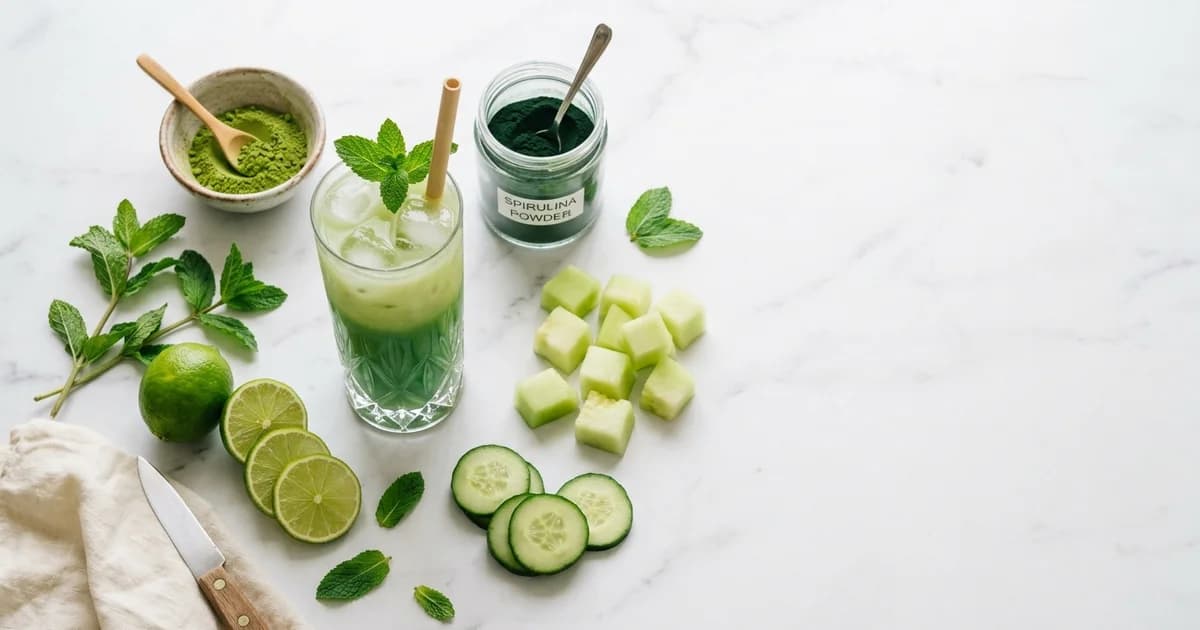
4. Spirulina Tropical Green
This is the green mocktail recipe that turns heads. Deep blue-green color, tropical flavor, and a serious nutrient profile.
Ingredients:
- ½ tsp spirulina powder
- 4 oz pineapple juice
- 2 oz coconut water
- Juice of ½ lime
- 4 oz sparkling water
Method: Whisk the spirulina into the pineapple juice until fully dissolved (spirulina clumps if you skip this step). Add coconut water and lime juice. Pour over ice and top with sparkling water.
Why it works: Spirulina contains phycocyanin and beta-carotene, both potent antioxidants. Research reviewed in PMC indicates that spirulina can exert neuroprotective effects by inhibiting inflammatory and oxidative neurotoxic mechanisms at several molecular levels in the brain. The pineapple masks the algae taste, which is the main reason people give up on spirulina.
5. Basil Cucumber Elderflower Spritz
The most "cocktail-like" option among these green mocktail recipes. Elegant, herbaceous, and surprisingly easy.
Ingredients:
- 4-5 fresh basil leaves
- 3 cucumber slices
- 1 oz elderflower syrup (or elderflower cordial)
- Juice of ½ lemon
- 6 oz sparkling water
Method: Muddle basil and cucumber gently in a glass. Add elderflower syrup and lemon juice. Fill with ice and top with sparkling water. Stir once.
Why it works: Basil contains eugenol, a compound with anti-inflammatory properties. Elderflower has been used in traditional medicine for centuries and contains flavonoids like quercetin and rutin. This drink is about layered flavor as much as function. It's the one to serve guests.
6. Chlorophyll Lemon Drop
Minimal ingredients, maximum visual impact. This green mocktail recipe looks like it belongs on a wellness brand's Instagram, but it actually delivers.
Ingredients:
- 10-15 drops liquid chlorophyll
- Juice of 1 lemon
- 1 tsp honey
- 8 oz cold water or sparkling water
Method: Combine chlorophyll drops, lemon juice, and honey in a glass. Stir until honey dissolves. Add ice and water. That's it.
Why it works: Chlorophyll, the pigment that makes plants green, has antioxidant properties. According to WebMD, regular intake of leafy green vegetables helps increase antioxidants in the bloodstream. A review in PMC also notes that chlorophyll promotes liver function and aids in the detoxification of endocrine-disrupting compounds. The lemon makes it taste like something you'd actually want to drink twice.
7. Matcha Mint Garden Tonic
A hybrid of recipes 1 and 2. More complex, more herbaceous, and the best green mocktail recipe for an afternoon reset.
Ingredients:
- ½ tsp matcha powder
- 2 tbsp hot water
- 6-8 fresh mint leaves
- Juice of ½ lime
- 1 tsp agave or simple syrup
- 6 oz tonic water (choose one with low or no sugar)
Method: Whisk matcha with hot water until smooth. Muddle mint and lime juice in a separate glass. Add the matcha mixture, sweetener, and ice. Top with tonic water and stir.
Why it works: You get the cognitive benefits of matcha's L-theanine and caffeine combination plus the digestive support from mint. Tonic water adds a bitter complexity that makes this feel like a proper drink, not a health chore.
How to Build Green Mocktail Recipes That Actually Work
Here's the framework. Every effective green mocktail has four components:
| Component | Role | Best Options |
|---|---|---|
| Green Base | Active compounds, color | Matcha, spirulina, chlorophyll, cucumber |
| Acid | Brightness, balance | Lemon, lime, green apple |
| Sweetener | Palatability (use sparingly) | Honey, agave, maple syrup, elderflower |
| Fizz/Volume | Texture, drinkability | Sparkling water, tonic water, coconut water |
The ratio that works best for green mocktail recipes: roughly 30% active green base, 10% acid, 5% sweetener, and 55% fizz or volume. Adjust to taste, but this keeps sugar low and function high.
One rule to follow: if your mocktail has more than 15g of sugar per serving, you've made a dessert. Keep it under 10g if you want the cognitive and anti-inflammatory benefits without the glucose spike that undoes them.
What to Skip in Your Green Mocktail Recipes
A quick note on what doesn't belong in a functional green mocktail:
- Green food coloring. Obviously. But some green mocktail recipes online are just lemon-lime soda with dye.
- Excessive fruit juice. Pineapple and apple juice are fine in small amounts, but a glass that's 80% juice is a sugar bomb.
- Artificial sweeteners in large quantities. A little stevia or monk fruit is fine. Four packets of sucralose is not a wellness drink.
- Cheap matcha. Culinary-grade matcha tastes bitter and chalky. Ceremonial grade costs more but dissolves better and tastes cleaner.
Beyond the Glass: Stacking Your Day for Performance
Green mocktail recipes are a solid foundation for daily wellness. They hydrate you, deliver antioxidants, and (in the case of matcha) provide a clean, jitter-free source of focus. But a drink is one input in a much larger system.
The same principle that makes these green mocktail recipes work, combining complementary compounds for a better total effect, applies to cognitive performance more broadly. L-theanine paired with caffeine outperforms either ingredient alone. That's not opinion. That's what a systematic review in PMC found: the combination improved short-term sustained attention and overall cognition.
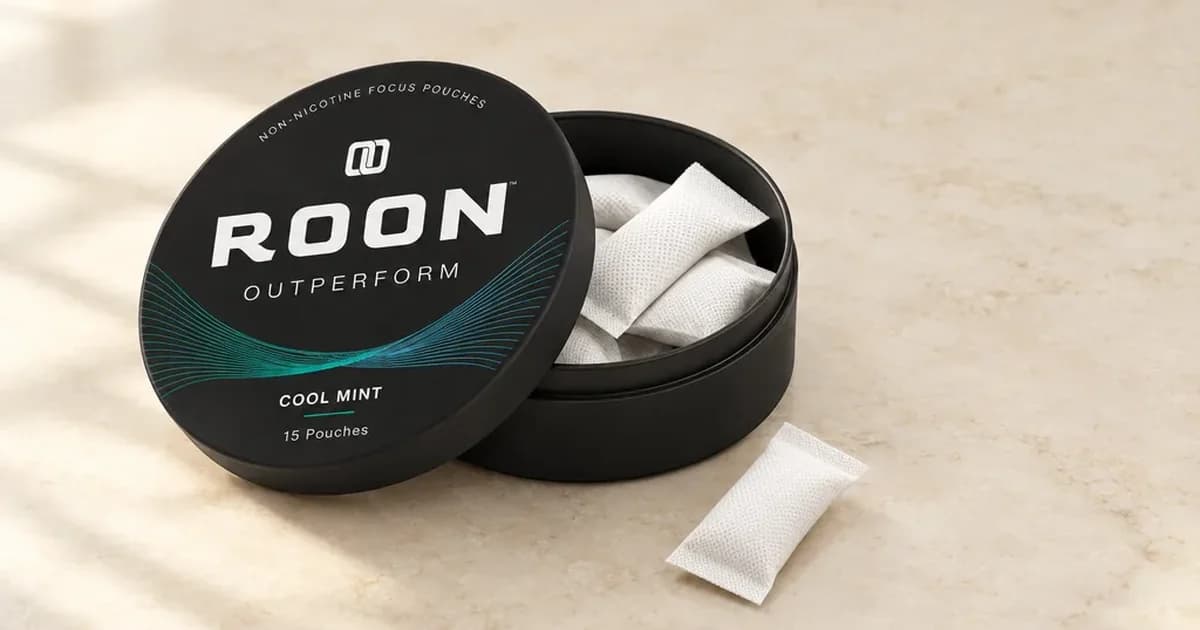
Roon is built on this same logic. It's a zero-nicotine sublingual pouch that pairs caffeine (80mg) with L-theanine, theacrine, and methylliberine for 6-8 hours of sustained focus without the crash or tolerance buildup. No blender required. No prep time. Just clean cognitive performance you can take anywhere.
Make your favorite green mocktail recipes part of your morning ritual. Keep Roon in your pocket for everything else. Optimize your day.