Cognitive Performance Specialist: What They Do
Cognitive Performance Specialist: What They Do, Why They Matter, and How to Think Like One
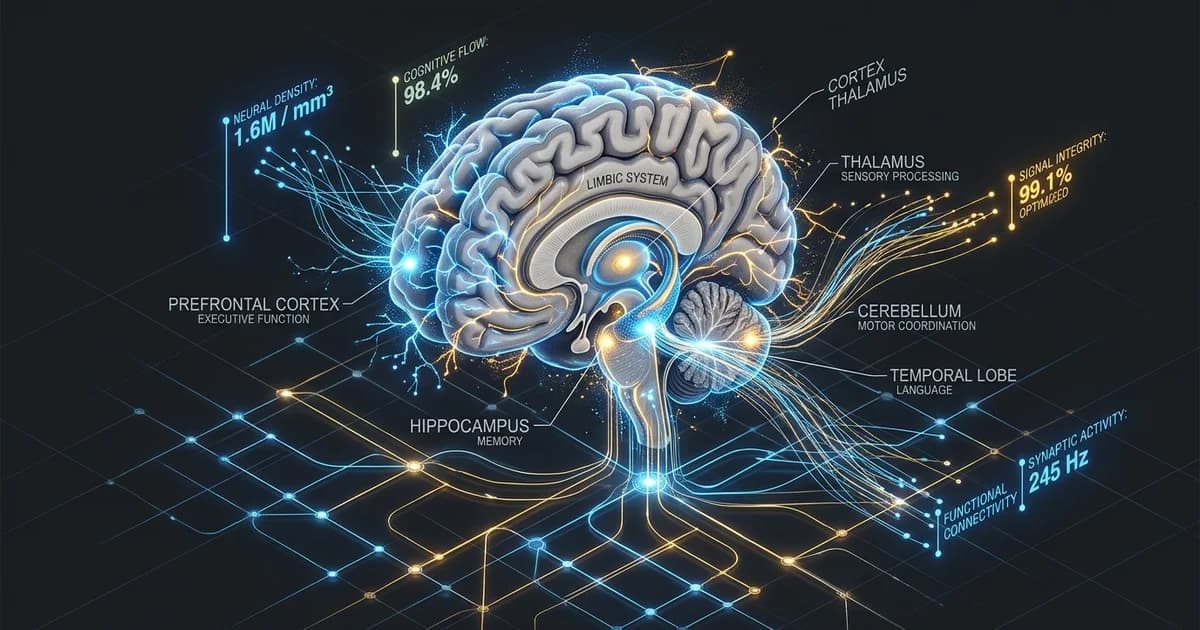
Your brain is the most expensive asset you own. It runs every decision, every reaction, every creative leap you'll ever make. And yet most people spend more time optimizing their Netflix queue than their neural output. A cognitive performance specialist exists to fix that gap.
This role is quietly becoming one of the most sought-after positions in human performance. The U.S. Army is hiring them. Pro sports teams rely on them. And the principles they use to sharpen elite minds apply to anyone who wants to think faster, focus longer, and perform under pressure.
Here's what the field actually looks like, who these specialists work with, and what you can steal from their playbook.
Key Takeaways:
- A cognitive performance specialist trains mental skills like focus, reaction time, and decision-making under stress.
- The field grew out of military and sports psychology but now extends to corporate performance and esports.
- Core techniques include biofeedback, visualization, goal-setting frameworks, and attention training.
- You don't need to hire a specialist to apply many of their methods to your own daily routine.
What Is a Cognitive Performance Specialist?
A cognitive performance specialist helps individuals sharpen mental agility, focus, decision-making, and overall cognitive output. According to ZipRecruiter, they "often work with athletes, military personnel, or professionals in high-stress environments" to improve mental readiness.
Think of them as a strength coach for your brain. Where a physical trainer builds muscle and endurance, a cognitive performance specialist builds attentional control, emotional regulation, and the ability to execute complex tasks when the stakes are high.
The role sits at the intersection of sport psychology, neuroscience, and applied performance science. Most specialists hold a master's or doctoral degree in fields like kinesiology, exercise science, or sport psychology with a cognitive specialization. Many also carry certifications in biofeedback through organizations like the Biofeedback Certification International Alliance (BCIA).
This isn't a wellness coach who tells you to meditate more. It's a trained professional who uses data, clinical protocols, and structured mental skills training to produce measurable cognitive gains.
Where Cognitive Performance Specialists Work
The Military Pipeline
The biggest employer of cognitive performance specialists right now is the U.S. Department of Defense. The Army's Holistic Health and Fitness (H2F) program embeds these specialists directly into brigade-level units. Their job: design and deliver mental readiness programs that keep soldiers sharp during sustained operations.
According to Army Times, the Army announced plans in 2024 to expand the H2F program to all soldiers, not just combat arms brigades. The program addresses five domains: physical, spiritual, mental, sleep, and nutrition. Cognitive performance specialists own the mental domain.
Their day-to-day work includes running education sessions on goal-setting, teaching visualization techniques for mission rehearsal, and coaching soldiers through biofeedback protocols that train heart rate variability (HRV) control. The goal is cognitive dominance under stress, the ability to make fast, accurate decisions when fatigue and chaos are working against you.
Elite Sports
Certified Mental Performance Consultants (CMPCs), a closely related credential governed by the Association for Applied Sport Psychology, work with athletes from youth leagues to the Olympics. Their toolkit overlaps heavily with cognitive performance specialists: attention training, pre-performance routines, self-talk restructuring, and pressure inoculation.
The difference between a good athlete and a great one often comes down to what happens between the ears. A baseball player who can maintain pitch recognition accuracy in the ninth inning of a playoff game isn't just physically gifted. That player has trained their attentional systems to resist degradation under fatigue. That's cognitive performance work.
Esports and Corporate Settings
The field is expanding fast. A 2022 study published in the Journal of the International Society of Sports Nutrition found that cognitive performance optimization is gaining traction beyond traditional athletics. Esports organizations now hire specialists to train reaction time and sustained vigilance in competitive gamers. Corporate wellness programs are following suit, recognizing that a mentally fatigued workforce bleeds productivity.
The Business Collaborative for Brain Health, launched in October 2024, has already enrolled over 420 companies that benchmark employees on cognitive metrics like memory span, decision speed, and stress physiology.
The Core Techniques a Cognitive Performance Specialist Uses
Biofeedback and Neurofeedback
Biofeedback gives you real-time data on physiological processes you normally can't see: heart rate variability, skin conductance, muscle tension, and brainwave activity. A specialist uses this data to teach you self-regulation.
Neurofeedback, a subset of biofeedback, uses EEG readings to train specific brainwave patterns. A 2024 review in Frontiers in Psychology examined neurofeedback's applications in military contexts and found it effective for improving sustained attention and reducing cognitive fatigue. The protocol works through a closed-loop system: your brain activity is measured, translated into a visual or auditory signal, and you learn to consciously shift your neural state toward optimal performance bands.
This isn't science fiction. It's standard practice in high-performance environments.
Visualization and Mental Rehearsal
Visualization is one of the oldest tools in the cognitive performance playbook, and the evidence behind it keeps growing. According to Medical News Today, visualization helps people organize information and make better decisions by forming vivid mental images of tasks before execution.
Cognitive performance specialists take this beyond simple "picture yourself succeeding" advice. They build structured mental rehearsal protocols: step-by-step walkthroughs of complex tasks, complete with sensory detail, emotional cues, and contingency planning. A surgeon visualizing a procedure, a soldier rehearsing a breach, a trader running through market scenarios. The neural pathways activated during vivid visualization overlap with those used during actual performance.
Attentional Control Training
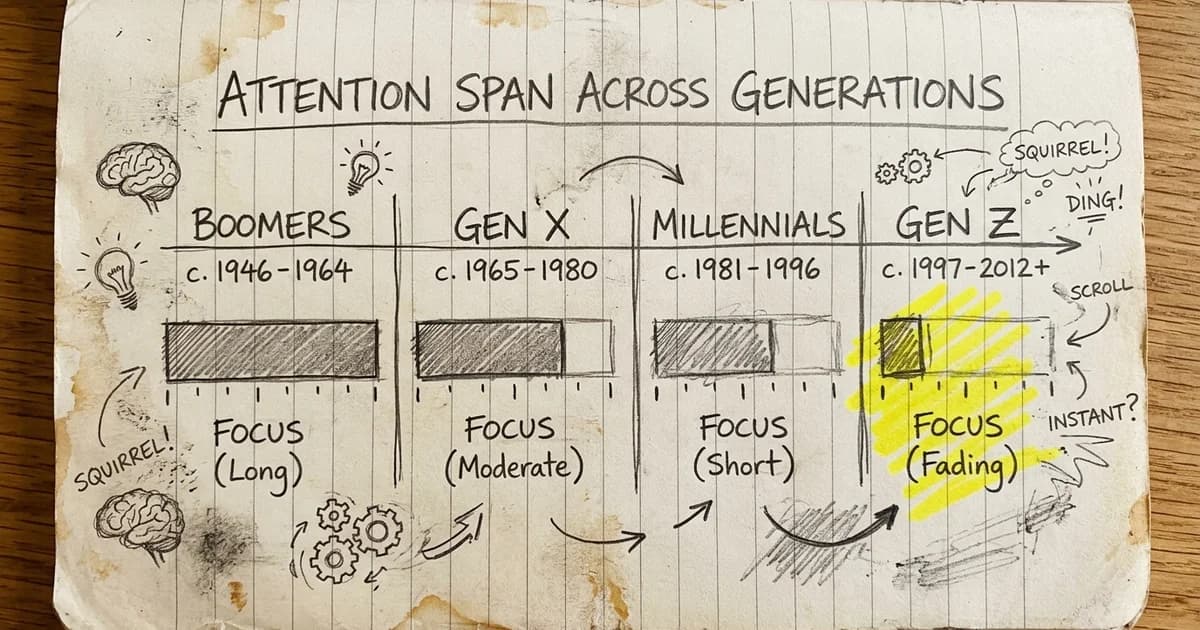
Your ability to focus isn't fixed. It's a trainable skill, and cognitive performance specialists treat it that way.
Attentional control training involves exercises that strengthen your capacity to direct focus, sustain it over time, and shift it efficiently between tasks. This matters because most real-world performance demands aren't about raw intelligence. They're about managing your attention budget across competing inputs without losing accuracy.
Goal-Setting and Performance Profiling
Specialists don't just tell you to "set goals." They use structured frameworks that break performance into measurable components, identify gaps, and build progressive training plans. Performance profiling, where an individual rates themselves across multiple cognitive and emotional dimensions, creates a baseline cognitive assessment that drives targeted intervention.
What a Cognitive Performance Specialist Costs (and Earns)
If you're considering hiring one, or becoming one, the economics are worth knowing.
According to Glassdoor, the estimated total pay for a cognitive performance specialist in the United States is approximately $94,500 per year, with an average base salary around $86,391. ZipRecruiter places the national average slightly lower at $68,249 annually, with top earners pulling higher in markets like the San Francisco Bay Area.
The salary range reflects the field's diversity. Military-contracted positions often include security clearance requirements and deployment readiness. Private-sector roles in sports or corporate wellness may offer more flexibility but less stability.
Education requirements are steep. Most positions require a master's degree minimum. According to the IBCCES Board Certified Cognitive Specialist program, applicants need a master's degree in fields like psychology, education, or human development, plus documented clinical experience.
How to Apply Cognitive Performance Principles to Your Own Life
You don't need a $94,000-a-year specialist on retainer to benefit from these methods. Here's what translates directly to daily performance.
Train your attention deliberately. Set a timer for 25 minutes and work on a single task with zero interruptions. No phone. No tabs. When your focus drifts (and it will), notice it and redirect. This is attentional control training in its simplest form.
Use structured visualization. Before a big meeting, presentation, or workout, spend two minutes mentally rehearsing the sequence. Include sensory detail. What does the room look like? What's your opening line? Where are the likely friction points? Run the scenario from start to finish.
Track your cognitive load. Pay attention to when you think best and when your brain feels sluggish. Most people have 4-6 hours of peak cognitive output per day. Protect those hours for your hardest work.
Control your inputs. Cognitive performance specialists obsess over sleep, nutrition, and stimulant management because these factors directly affect the brain's ability to perform. You can train attention all day, but if you're running on four hours of sleep and a blood sugar roller coaster, the training won't stick.
Fuel the Hardware, Not Just the Software
Cognitive performance specialists focus on training the mind's software: the skills, habits, and mental frameworks that drive output. But software runs on hardware. And your brain's hardware needs the right fuel.
This is where most people get it wrong. They reach for another cup of coffee at 2 PM, ride the spike, crash at 4, and wonder why their afternoon focus disappeared. Or they grab an energy drink loaded with sugar and enough caffeine to make their hands shake. Neither approach supports the kind of sustained, clean cognitive output that specialists train their clients to achieve.
Roon was built around the same principle that drives cognitive performance science: precision inputs produce better outputs. Each sublingual pouch delivers 80mg of caffeine paired with L-Theanine, Theacrine, and Methylliberine, four compounds that work together to support 6-8 hours of sustained focus without jitters, crashes, or tolerance buildup.
The combination of L-Theanine and caffeine alone has strong clinical backing. A study published on PubMed found that combining 97mg of L-Theanine with 40mg of caffeine improved accuracy during task switching and increased self-reported alertness in young adults. Roon uses a different dose profile, but the combination of caffeine and L-Theanine works on the same principle. A separate study in the Journal of the International Society of Sports Nutrition found that adding Theacrine and Methylliberine to caffeine increased cognitive performance and reaction time in competitive gamers without negatively affecting mood.
You can train your brain like a cognitive performance specialist would recommend. But don't forget to feed it properly.