Yerba Mate Skin Benefits: What Science Actually Shows
Yerba Mate Skin Benefits: What Science Actually Shows
Yerba mate gets plenty of attention as a South American energy drink, but the yerba mate skin benefits showing up in dermatology and cosmetic science research deserve a closer look alongside the broader yerba mate health research. The compounds in this plant do more than just wake you up; many of them act directly on skin cells.
The short version: the yerba mate skin benefits stem from its high concentrations of polyphenols, caffeoyl derivatives, and antioxidants that appear to protect skin cells from UV damage, slow the breakdown of collagen, and reduce inflammation. Here's what the data actually says.
Key Takeaways
- Yerba mate contains higher polyphenol and antioxidant concentrations than green tea or black tea, which helps explain its skin-protective effects.
- Its primary active compounds, chlorogenic acid and caffeoyl derivatives, have demonstrated anti-aging effects on skin cells in lab studies.
- Yerba mate extract inhibits collagenase and elastase, two enzymes that break down the proteins keeping skin firm.
- Most research into yerba mate skin benefits is still in vitro (cell-based), not large-scale human trials. The results are promising, not proven gospel.
What's Actually in Yerba Mate That Affects Skin?
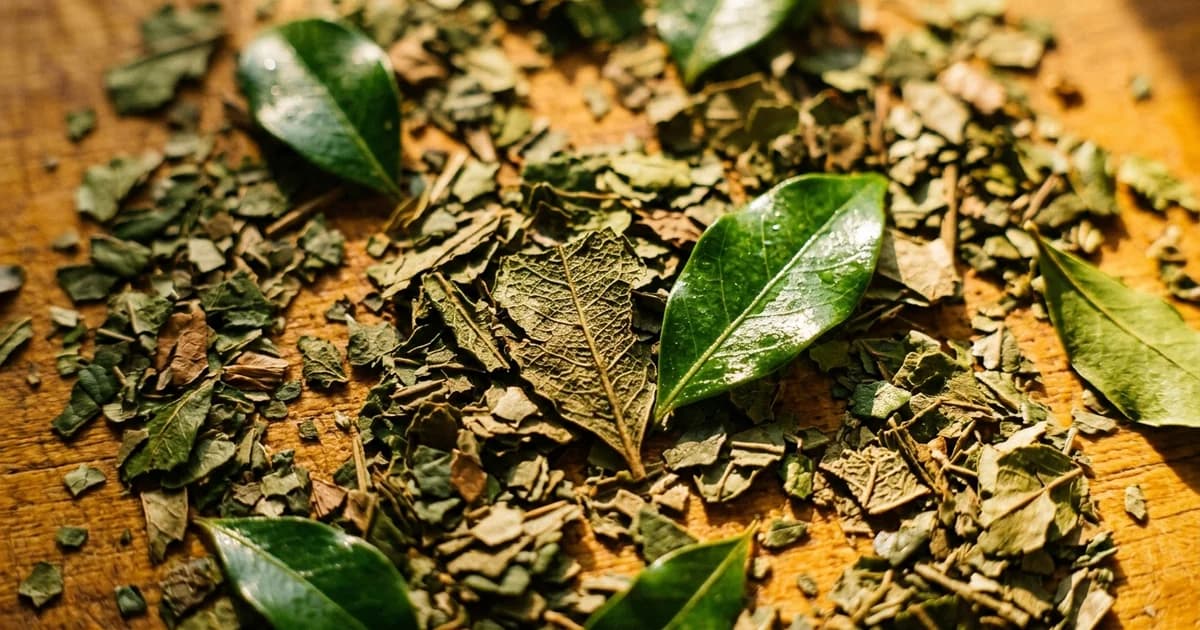
Yerba mate (Ilex paraguariensis) isn't just caffeine in a different cup. The leaf contains a specific cocktail of bioactive compounds that set it apart from coffee and standard teas, and these compounds are the foundation of yerba mate skin benefits.
According to a 2022 review published in PMC, the key compounds include xanthines (caffeine, theobromine), caffeoyl derivatives (chlorogenic acid, neochlorogenic acid, dicaffeoylquinic acid), polyphenols (including the flavonoids quercetin and rutin), saponins, and vitamins. The same review found that neochlorogenic acid levels ranged from 1.24 to 39.03 mg per gram of dry weight, depending on the preparation.
Why does this matter for skin? Because chlorogenic acid and its related compounds are some of the strongest plant-based antioxidants studied in dermatology. They scavenge free radicals, the unstable molecules generated by UV exposure and pollution that damage skin cell DNA and accelerate visible aging. This free radical defense is central to yerba mate benefits for skin health.
Healthline's breakdown of yerba mate notes that the caffeoyl derivatives in the plant are its "main health-promoting antioxidants," while its saponins contribute anti-inflammatory and cholesterol-lowering properties.
Yerba Mate Skin Benefits: The Antioxidant Advantage
The antioxidant case for yerba mate benefits for skin is strong. Multiple sources report that yerba mate has a higher polyphenol concentration than both green and black tea. Research compiled by Dr. Axe states that yerba mate contains 196 active compounds compared to green tea's 144, with higher overall polyphenol and antioxidant counts.
This matters because polyphenols are the front line of defense against oxidative stress, the process where free radicals damage skin cells faster than your body can repair them. Oxidative stress is a primary driver of wrinkles, hyperpigmentation, and loss of skin elasticity, and combating it is one of the most well-supported yerba mate skin benefits.
How Chlorogenic Acid Protects Skin Cells
Chlorogenic acid (CGA) is the star compound behind many yerba mate skin benefits. A 2022 study published in the International Journal of Molecular Sciences investigated CGA's effects on human dermal fibroblasts exposed to UVA radiation. The results were clear: CGA upregulated collagen I (Col1) mRNA and protein expression and increased collagen secretion, effectively counteracting the damage UVA does to the skin's structural protein.
A separate study in PMC confirmed CGA's anti-aging and anti-inflammatory properties on UV-exposed skin fibroblast cells, reinforcing the idea that this compound does double duty: it reduces inflammation and protects the proteins that keep skin looking firm.
Since yerba mate is one of the richest dietary sources of chlorogenic acid, the connection between drinking mate as a coffee alternative for skin support and overall skin health is logical. Yerba mate benefits for skin through this pathway just haven't been tested in a large, controlled human trial yet.
Collagenase and Elastase Inhibition: The Anti-Aging Mechanism
Here's where the research on yerba mate skin benefits gets specific. Collagenase and elastase are enzymes your body produces that break down collagen and elastin fibers. In moderation, that's normal tissue remodeling. In excess (triggered by UV exposure, stress, or aging), it's what causes skin to sag and wrinkle.
A 2021 study published in Scientific Reports examined yerba mate extracts for their ability to inhibit these enzymes. The researchers found that yerba mate extract showed approximately 65% anti-collagenase activity. The fermented versions (kombucha-style yerba mate) also inhibited elastase, with the 14- and 21-day ferments providing long-lasting hydration when applied to skin.
Cosmetics Design's coverage of the study highlighted that the ferments "strongly inhibited the activity of enzymes such as collagenase and elastase," which the researchers described as playing "an important role in the skin aging process through the degradation of collagen and elastin fibers."
This enzyme inhibition is a meaningful finding among yerba mate skin benefits. A 65% inhibition rate puts yerba mate in the same conversation as other well-studied anti-aging botanicals like white tea and green tea extract.
The Caffeine Factor
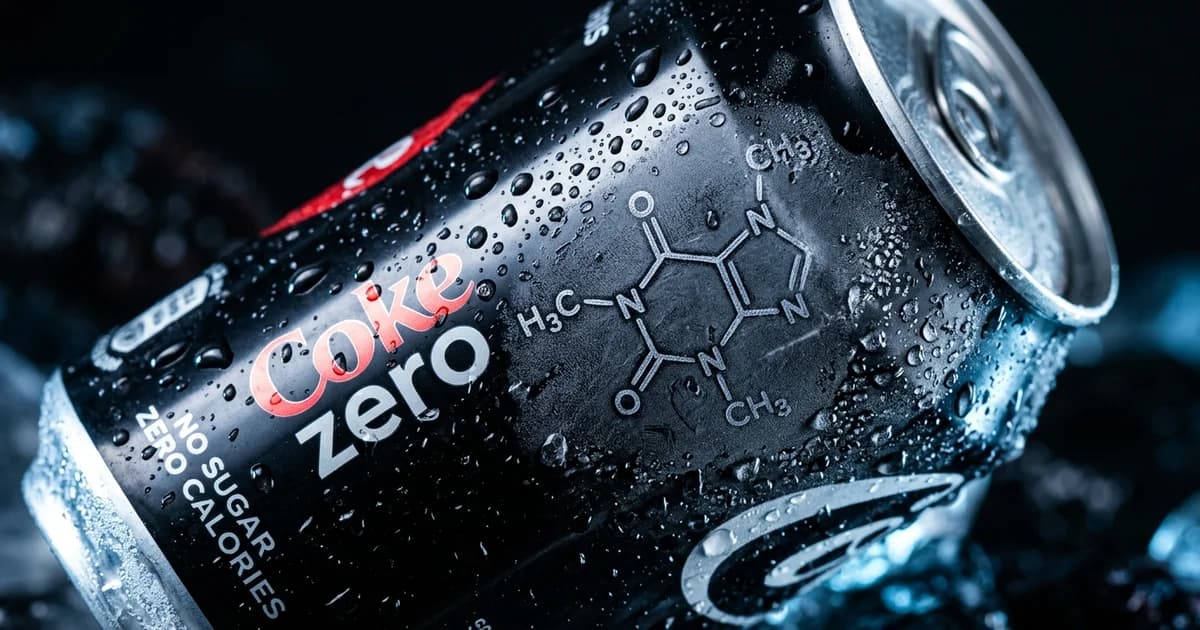
Caffeine contributes its own layer to yerba mate skin benefits, and yerba mate is one of the more studied caffeine sources beyond coffee in this context. Yerba mate contains roughly 30 to 50 mg of caffeine per serving, depending on preparation, and caffeine itself has documented effects on skin.
A review indexed in PubMed found that caffeine has "potent antioxidant properties," helps protect cells against UV radiation, slows photoaging, and increases microcirculation of blood in the skin. A separate study on coffee and skin blood flow found that caffeinated coffee intake produced stronger vasodilation compared to decaffeinated coffee, suggesting caffeine improves blood delivery to the skin.
Better blood flow means more oxygen and nutrients reaching skin cells. It also means faster removal of waste products. This is one reason caffeine shows up in so many topical eye creams and serums, but the oral route (drinking yerba mate) supports systemic circulation as well, adding another dimension to yerba mate benefits for skin.
What the Science Doesn't Show (Yet)
Honesty matters more than hype. Here's what we don't have regarding yerba mate skin benefits:
- No large-scale human clinical trials specifically testing oral yerba mate consumption and measurable skin outcomes (wrinkle depth, elasticity scores, hydration levels).
- Most studies are in vitro. Cell culture results are a strong starting point, not a finish line. Compounds that work on isolated fibroblasts don't always behave the same way in a living body.
- Dose-response data is thin. We know yerba mate contains skin-relevant compounds. We don't know exactly how many cups per day would produce a visible difference.
The research points in a positive direction. Yerba mate's polyphenol profile, chlorogenic acid content, and enzyme-inhibiting properties all suggest real skin benefits. But "suggests" and "proves" are different words, and the honest answer is that we're closer to the beginning of this research than the end.
Yerba Mate Skin Benefits: A Compound-by-Compound Summary
| Compound | Found in Yerba Mate? | Skin-Relevant Effect | Evidence Level |
|---|---|---|---|
| Chlorogenic acid | Yes (primary compound) | UV protection, collagen support, anti-inflammatory | In vitro studies |
| Quercetin | Yes | Antioxidant, anti-inflammatory | In vitro and animal studies |
| Rutin | Yes | Strengthens capillaries, reduces redness | In vitro studies |
| Caffeine | Yes (30-50mg/serving) | Increases microcirculation, UV protection, antioxidant | In vitro + human studies |
| Saponins | Yes | Anti-inflammatory | In vitro studies |
Clean Energy That Works With Your Body
The yerba mate skin benefits backed by current research are real, and the science supporting them is growing. But here's the practical problem: most people don't drink yerba mate for their skin. They drink it for the energy.
If clean, sustained energy is what you're after, Roon delivers 80 mg of caffeine paired with L-Theanine, Theacrine, and Methylliberine in a zero-nicotine sublingual pouch. You get 6 to 8 hours of smooth focus without the jitters, the crash, or the tolerance buildup that comes with most stimulants.
Clean energy, zero crash. That's the whole point.