Brain Fog Mold: Why Your Home Might Be Wrecking Your Thinking
Roon Team
Brain Fog Mold: Why Your Home Might Be Wrecking Your Thinking
You can't focus. Words slip away mid-sentence. Simple decisions feel like calculus. You've blamed sleep, stress, your phone. But what if the problem is in your walls?
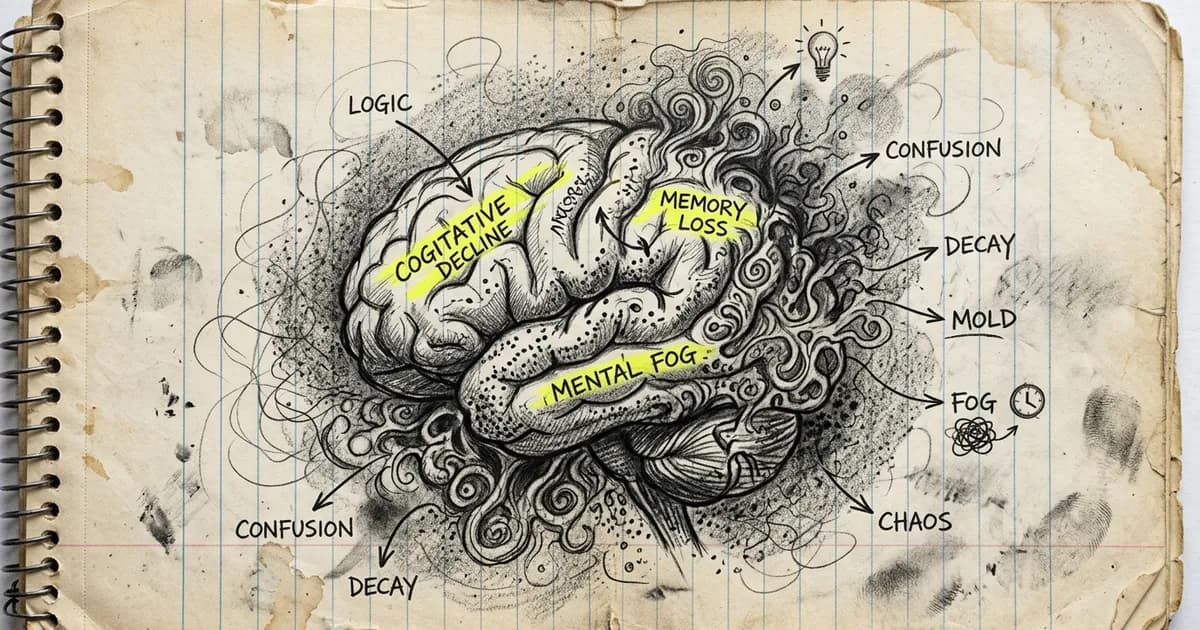
Brain fog mold is the cognitive fallout from living or working in a mold-contaminated environment. It's real, it's measurable, and it's more common than most people realize. A study published on ScienceDirect found that 62% of workers in a mold-affected hospital reported brain fog, compared to just 11% of a control group. That's not a marginal difference. That's a six-fold increase in cognitive symptoms from the building you happen to work in.
This guide breaks down the science behind brain fog mold, the specific toxins responsible, how to identify exposure, and what to do about it.
Key Takeaways
- Mold produces mycotoxins that cross the blood-brain barrier and trigger neuroinflammation, directly impairing memory, focus, and processing speed.
- You don't need to see mold for it to affect you. Hidden mold behind walls, under floors, and inside HVAC systems is often the worst offender.
- Recovery starts with removing the source. No supplement or protocol works if you're still breathing in spores.
- Cognitive support strategies, from anti-inflammatory nutrition to targeted nootropic compounds, can help restore mental clarity during and after recovery.
How Brain Fog Mold Develops: The Mycotoxin Problem
Mold itself isn't the main issue. The real threat comes from mycotoxins, toxic secondary metabolites that certain mold species release into the air. When you inhale these compounds, they don't just irritate your lungs. They enter your bloodstream and, in many cases, cross the blood-brain barrier.
A 2020 study published in Brain, Behavior, and Immunity confirmed that mold inhalation causes innate immune activation along with neural, cognitive, and emotional dysfunction. The researchers found that even non-toxic mold spores (spores stripped of their mycotoxins) still caused memory deficits in mice. The immune response alone was enough to damage cognition.
Here's what happens inside your brain when mycotoxins show up:
- Microglial activation: Your brain's immune cells detect the foreign compounds and shift into attack mode, releasing pro-inflammatory cytokines.
- Chronic neuroinflammation: Unlike a short-term immune response, ongoing mold exposure keeps this inflammation running constantly. Your brain never gets a break.
- Neurotransmitter disruption: According to a review in Clinical Therapeutics, mycotoxins affect neurotransmitter metabolism and can increase the permeability of both the gut-blood and blood-brain barriers through mast cell mediators.
- Oxidative stress: A review in the journal Toxins (PMC) detailed how mycotoxins induce neurotoxicity through oxidative stress pathways, damaging neurons and disrupting normal brain cell function.
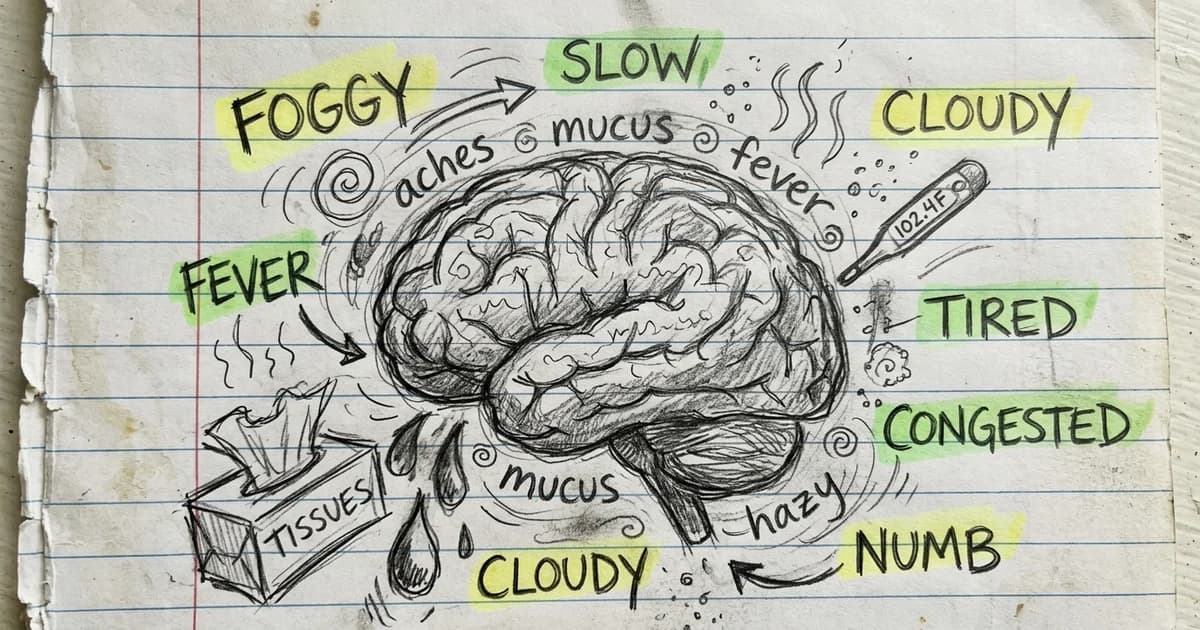
The result? Difficulty concentrating, short-term memory loss, slowed processing, word-finding problems, and that heavy, "thinking through mud" sensation people describe as brain fog mold symptoms.
The Mold Species That Cause Brain Fog
Not all mold is equally dangerous. Here are the primary offenders linked to neurological symptoms:
| Mold Species | Key Mycotoxins | Neurological Effects |
|---|---|---|
| Stachybotrys chartarum (black mold) | Satratoxins G and H | Neurotoxicity, olfactory neuron death, cognitive impairment |
| Aspergillus species | Aflatoxins, Ochratoxin A | Dopaminergic neuron loss, hippocampal damage |
| Fusarium species | Trichothecenes, T-2 toxin | Neuronal apoptosis, neuroinflammation |
| Penicillium species | Ochratoxin A | Oxidative stress in brain tissue |
Stachybotrys gets the most attention (and the scariest nickname), but research published in the Journal of Integrative Neuroscience notes that Ochratoxin A causes loss of dopaminergic neurons and apoptosis in the substantia nigra, striatum, and hippocampus. These are the same brain regions affected in Parkinson's disease. Aspergillus and Penicillium species produce this toxin, and both are extremely common in water-damaged buildings.
Brain Fog Mold: Signs You're Being Exposed
The tricky part about brain fog mold is that you often can't see the source. The most dangerous mold growth tends to hide behind drywall, under flooring, inside HVAC ductwork, and in ceiling cavities after slow leaks.
Physical Signs in Your Environment
- Musty or earthy smell, especially in specific rooms
- Visible water stains on ceilings or walls (yellow, brown, or dark spots)
- Bubbling or peeling paint
- Warped or soft drywall
- Condensation on windows
- History of water damage, flooding, or plumbing leaks
Cognitive and Physical Symptoms of Brain Fog Mold
According to Healthline's review of mold and neurological symptoms, mold exposure can cause a range of cognitive and neurological problems, including difficulty with focus, concentration, and memory. The full symptom profile often includes:
- Persistent brain fog and mental slowness
- Difficulty finding words or following conversations
- Short-term memory problems
- Headaches that worsen indoors
- Fatigue that doesn't improve with sleep
- Anxiety or mood changes without an obvious trigger
- Sensitivity to light or sound
One pattern worth noting: if your symptoms improve when you leave a specific building for several days and return when you go back, testing whether you have brain fog linked to your environment should be high on your list of next steps.
CIRS: When Brain Fog Mold Becomes a Chronic Condition
For some people, mold exposure triggers a condition called Chronic Inflammatory Response Syndrome (CIRS). This happens when the body's immune system fails to clear biotoxins properly, creating a self-perpetuating cycle of inflammation.
The Aeon Clinic notes that CIRS is often misdiagnosed because its symptoms overlap with so many other conditions. Memory problems, difficulty concentrating, confusion, and brain fog mold symptoms are among the most common cognitive complaints.
Worth noting: UCLA Health has reported that CIRS is not universally accepted as an established medical diagnosis in conventional medicine. Some clinicians use the Shoemaker protocol to treat it, while others remain skeptical. If you suspect CIRS, work with a physician who has experience with environmental illness and can run appropriate diagnostics.
How to Address Brain Fog Mold Symptoms
Recovery from brain fog mold follows a clear sequence. Skip a step and the others won't work.
Step 1: Identify and Remove the Source
This is non-negotiable. No amount of detox protocols or supplements will help if you're still inhaling mycotoxins daily. Hire a certified mold inspector (not just a general home inspector) to test your home. Professional testing includes air sampling, surface swabs, and sometimes infrared moisture detection to find hidden growth.
If mold is confirmed, professional remediation is the standard approach. DIY removal of small patches (under 10 square feet) may be manageable, but large-scale contamination requires trained crews with proper containment equipment.
Step 2: Support Your Body's Recovery
Once you've removed the exposure source, recovery timelines vary. Austin MD Clinic reports that while some people notice improvements within days of removing the mold source, others may require weeks or months of treatment, with a typical detox protocol taking at least three months.
Key recovery strategies include:
- Anti-inflammatory nutrition: Prioritize omega-3 fatty acids, leafy greens, and antioxidant-rich foods. Reduce sugar and processed foods that feed inflammation.
- Binder protocols: Some practitioners recommend activated charcoal, bentonite clay, or cholestyramine to help bind and remove circulating mycotoxins. Always work with a doctor on these.
- Sleep optimization: Your brain does its heaviest repair work during deep sleep. Protect your sleep environment and routine.
- Hydration: Basic but often overlooked. Adequate water intake supports every detoxification pathway in your body.
Step 3: Rebuild Cognitive Function
After removing the source and supporting detox, the final phase is actively rebuilding your mental performance, and strategies for clearing brain fog after mold exposure are where targeted support pays off most. This is where targeted cognitive support becomes valuable.
Exercise is one of the strongest tools available. It increases brain-derived neurotrophic factor (BDNF), promotes neuroplasticity, and helps clear neuroinflammation. Even 30 minutes of moderate cardio three to four times a week makes a measurable difference.
Stress management matters too. Chronic stress amplifies neuroinflammation, the exact mechanism that brain fog mold uses to impair your cognition. Meditation, breathwork, and time in nature all help lower baseline cortisol.
And then there's the question of what you put in your body to support focus and clarity while your brain recovers.
Clearing Brain Fog Mold: Targeted Cognitive Support
When your brain is recovering from an inflammatory insult like mold exposure, it needs compounds that support clean, sustained mental energy without adding more stress to an already taxed system.
This is where specific nootropic compounds show real promise:
L-Theanine, the amino acid found naturally in tea, has documented neuroprotective and anti-inflammatory properties. Research from Authorea highlights its role in reducing neuroinflammation and buffering the effects of chronic stress on neural tissue. It also promotes alpha brain wave activity, the brainwave pattern associated with calm, focused attention.
Caffeine in moderate doses (around 80mg, comparable to a standard cup of coffee) supports alertness and processing speed. When paired with L-theanine and other complementary compounds, it delivers sustained energy without the jitters or crash that coffee alone often causes.
Theacrine and Methylliberine extend and smooth out the cognitive effects of caffeine. A randomized crossover study published in Cureus found that the combination of caffeine, theacrine, and methylliberine improved cognitive performance and reaction time without negatively affecting mood. Theacrine also shows no tolerance buildup with repeated use, meaning it keeps working at the same dose over time.
Support Your Recovery From Brain Fog Mold
If mold has been dragging down your mental clarity, the path forward starts with fixing your environment. That comes first. Always.
But once you've addressed the source, supporting your brain with the right compounds can help you regain the focus and sharpness you've been missing. Roon combines exactly the stack discussed above: 80mg of caffeine, L-Theanine, Theacrine, and Methylliberine in a zero-nicotine sublingual pouch. It delivers six to eight hours of sustained focus with no jitters, no crash, and no tolerance buildup. No water needed, no waiting for a pill to kick in. Just clean cognitive support when your brain needs it most.