Brain Fog After Drinking: Why the Morning-After Haze Happens

Brain Fog After Drinking: Why the Morning-After Haze Happens and How to Clear Your Head
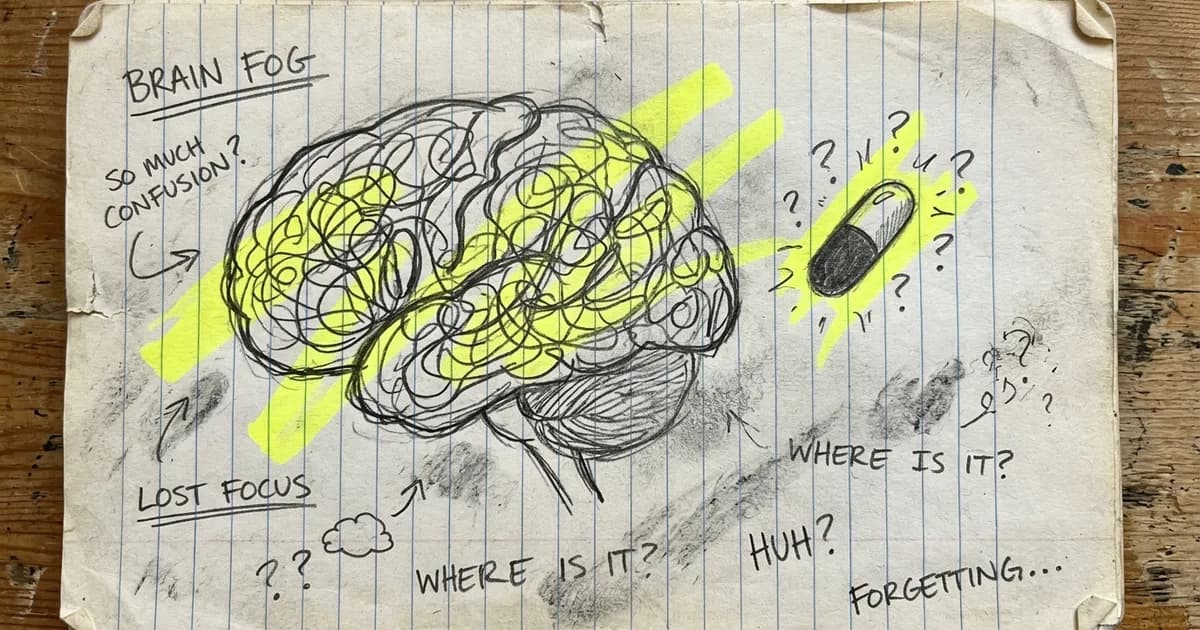
Three drinks last night, nothing wild, but this morning your brain is buffering. Words come slow, focus slides mid-sentence, and simple decisions feel weirdly heavy. That haze is not a character flaw or a sign you are getting old. It is the predictable result of four overlapping mechanisms: mild dehydration, fragmented and REM-suppressed sleep, a neurotransmitter rebound as your brain swings back toward overexcitation, and a low-grade inflammatory response. For most casual drinkers, the fog clears within 8 to 24 hours.
This article is informational and is not medical advice. If your symptoms are severe, frequent, or worrying, talk to a clinician.
Brain Fog After Drinking: How Long It Lasts and Why
Brain fog after drinking usually peaks the morning after and resolves within 8 to 24 hours; after a heavier night it can linger 24 to 72 hours. The cause is not the alcohol still in your system, since most of it is gone by morning. The fog is the aftermath of how alcohol disrupted your water balance, your sleep architecture, and your brain chemistry overnight.
This is well documented. A systematic review and meta-analysis published in Addiction found that sustained attention and driving ability are reliably impaired during hangover, with mixed effects on memory and psychomotor skills. In other words, the slow, foggy feeling is real and measurable, not imagined.
Key Takeaways
- Timeline: Morning-after brain fog typically lasts 8 to 24 hours; a heavier night can stretch it to 24 to 72 hours.
- Four mechanisms: Dehydration, disrupted sleep, a GABA-glutamate rebound, and low-grade neuroinflammation work together.
- What helps: Rehydration, electrolytes, food, light movement, and steady (not stacked) caffeine.
- What backfires: More alcohol. A "hair of the dog" only delays the same rebound.
- Red flags: Frequent fog, fog after small amounts, or fog that does not lift deserves a doctor's input.
What the Morning-After Haze Actually Feels Like
Brain fog after drinking is less about pain and more about a drop in mental sharpness. A headache might be there or might not. The defining feature is cognitive: your processing speed feels throttled.
You will recognize the pattern. Reading the same sentence twice. Losing the thread of a meeting. Reaching for a common word and coming up empty. Studies measure this with executive-function tests, and the results track with how rough the night was. A 2019 field study in the journal Healthcare found that poorer working memory and executive performance correlated directly with hangover severity. The worse you feel, the slower you actually think.
It is worth separating the fog from anxiety. Many people also wake with a restless, on-edge feeling, sometimes called hangxiety. That overlaps with the same brain chemistry described below, but the cognitive fog can show up entirely on its own, even on a morning when your mood is fine.
Why It Happens: Dehydration, Sleep Disruption, Neurotransmitter Rebound, and Inflammation
Four mechanisms drive the morning-after haze, and they stack. No single one explains the fog; the combination does. Here is each in plain language.
1. Mild Dehydration
Alcohol suppresses vasopressin, the hormone that tells your kidneys to hold onto water. The result is more trips to the bathroom and a net fluid loss overnight. Even mild dehydration is enough to dull attention and slow reaction time, which is part of why the first glass of water in the morning feels so good.
2. Fragmented, REM-Suppressed Sleep
Alcohol helps you fall asleep faster, then sabotages the back half of the night. According to the Sleep Foundation, alcohol reduces rapid eye movement (REM) sleep, the stage tied to memory consolidation and emotional processing, and increases disruptions in the second half of the night. You may have spent eight hours in bed, but you did not get eight hours of restorative sleep. The fog is partly just under-recovery.
3. The GABA-Glutamate Rebound
This is the mechanism most people have never heard of, and it explains a lot. Alcohol boosts GABA, your brain's main calming signal, and dampens glutamate, its main excitatory signal. That is the sedation you feel while drinking. Overnight, your brain compensates by pulling in the opposite direction. As detailed in an NCBI review of GABA-A receptor plasticity, the system rebounds toward a more excitable, less calm state once alcohol clears. That swing produces the jittery, foggy, slightly wired-but-tired morning.
4. Low-Grade Neuroinflammation
Alcohol triggers an immune response. Research in Frontiers in Psychiatry links alcohol-related neuroinflammation to cognitive symptoms including memory issues and confusion. Even after a single heavy night, a transient inflammatory signal can contribute to the dull, heavy-headed feeling. This typically settles as the rest of your body recovers.
How Long Does Brain Fog After Drinking Last?
For a typical social night, expect the fog to clear within a day; heavier sessions can extend it to two or three. The table below maps rough timelines and the dominant driver at each stage. These are general patterns, not medical guarantees, and individual recovery varies with sleep, hydration, food, and tolerance.
| Drinking pattern | Typical fog duration | Dominant drivers | What usually helps most |
|---|---|---|---|
| 1-2 drinks, well hydrated | A few hours to ~8 hours | Mild sleep disruption | Water, food, normal morning routine |
| 3-4 drinks, average night | 8 to 24 hours | Dehydration + REM loss + early rebound | Fluids, electrolytes, meal, steady caffeine, light movement |
| 5+ drinks, heavy session | 24 to 72 hours | All four mechanisms, stronger inflammation | Rest, hydration, patience, no repeat drinking |
| Frequent fog after small amounts | Does not reliably clear | Possible underlying issue | See a clinician (see red-flag section) |
Gunn et al.'s systematic review published in Addiction confirms that next-day cognitive effects are real and measurable, while also noting that severity scales with how much you drank. More alcohol, more fog, longer recovery. The math is unforgiving but predictable.
A Clear-Head Ritual for the Day After
You cannot rush alcohol out of your brain, but you can support the systems trying to recover. None of this is a cure. It addresses the four mechanisms above so the fog lifts on its own timeline with less friction. Here is a practical sequence.
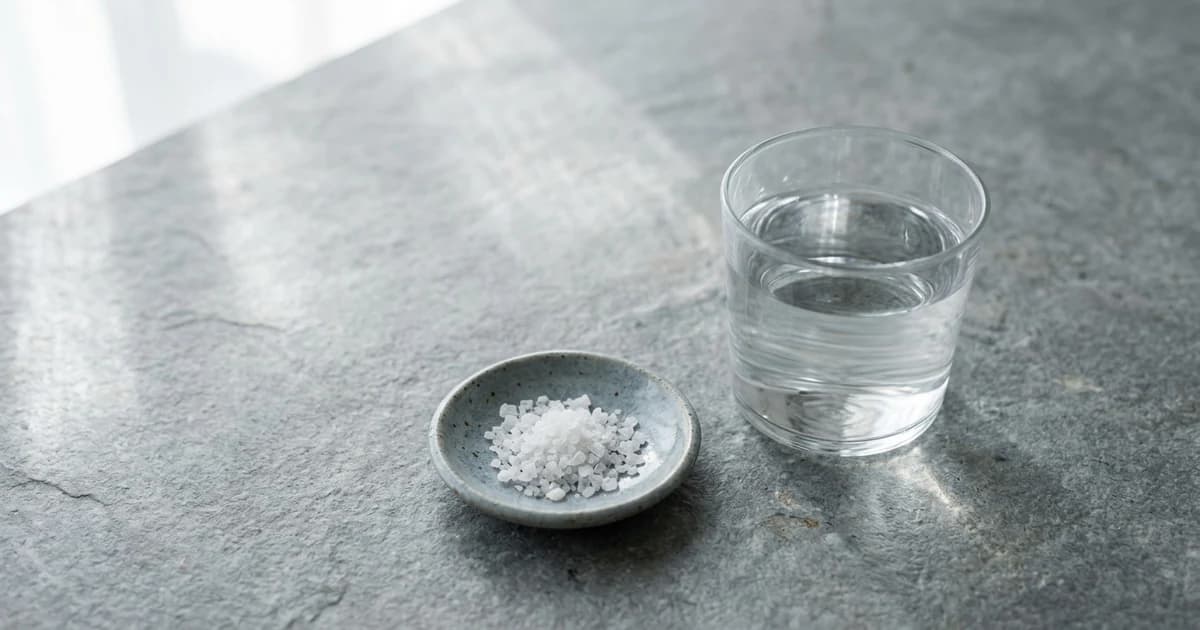
- Rehydrate first, with electrolytes. Water plus a pinch of salt or an electrolyte mix replaces what vasopressin suppression cost you overnight. This directly targets mechanism one.
- Eat a real breakfast. Protein and complex carbs stabilize blood sugar and give your recovering brain fuel. Skipping food tends to deepen the haze.
- Get light and movement. A short walk and morning daylight help reset your circadian signals after a fragmented night, nudging your alertness system back online.
- Use caffeine steadily, not in a panic stack. A single, measured dose of caffeine supports alertness during recovery. The catch is the rebound state from mechanism three, which already leaves you a little wired-but-tired. Pairing caffeine with L-theanine is the smarter move here.
That last point deserves a section of its own, because the combination matters more than the caffeine alone.
Why Caffeine With L-Theanine Beats Caffeine Alone
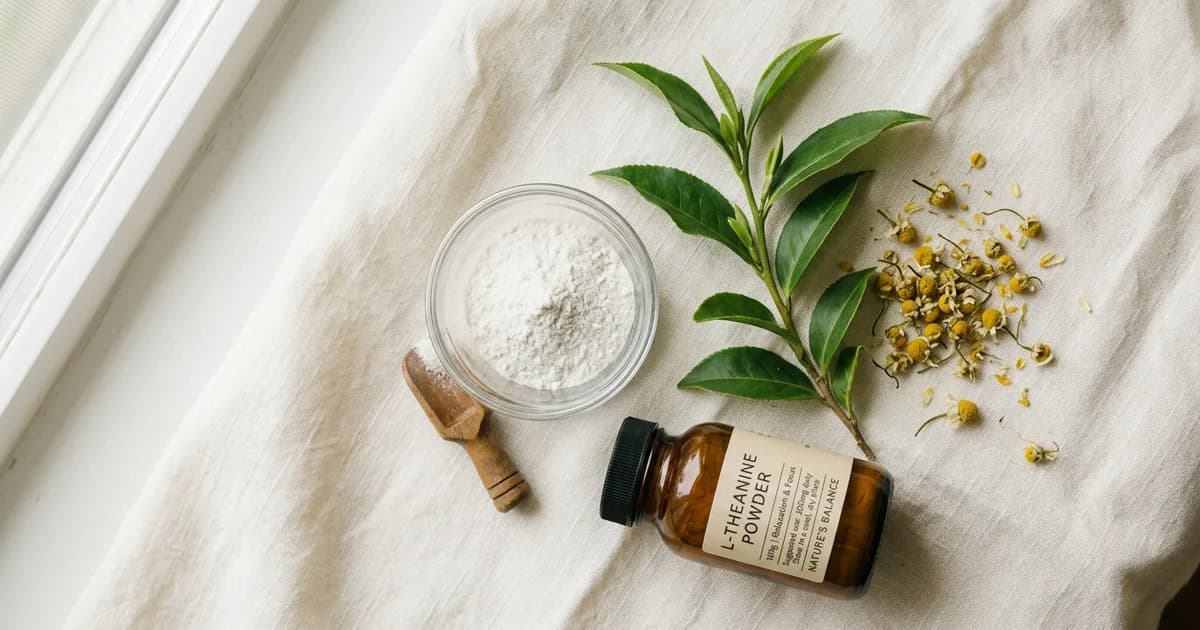
On a rebound-heavy morning, slamming a triple espresso can amplify the jittery edge. L-theanine, an amino acid found in tea, is the counterweight. A double-blind crossover study published in the British Journal of Nutrition found that an L-theanine and caffeine combination improved selective attention in acutely sleep-deprived young adults, which is essentially your physiological state the morning after.
This is where a balanced caffeine and L-theanine product, whether brewed tea, a capsule, or a pouch, earns its place in a day-after routine. The goal is steadier alertness while your brain recovers, not a chemical override of the fog.
Why More Alcohol or a "Hair of the Dog" Makes It Worse
A morning drink does not fix the fog; it postpones the rebound that caused it. The hair-of-the-dog ritual works for the same reason it fails. Adding alcohol pushes GABA back up and glutamate back down, briefly muting the overexcited rebound state from mechanism three. You feel temporary relief.
The problem is straightforward. You have only reset the same clock. When that second round of alcohol clears, the rebound returns, now layered on more dehydration, more sleep debt, and a fresh inflammatory hit. You are paying interest on the original loan. The fog comes back deeper and later.
For anyone tracking their own patterns, the morning craving for "just one" to feel normal is worth noticing. Occasional is one thing. A reliable need for a morning drink to function is a signal, not a solution.
When Brain Fog After Drinking Is a Red Flag
Most morning-after fog is benign and self-limiting, but a few patterns warrant a doctor's attention. This is not about judgment. It is about catching the difference between a rough night and something underlying.
Talk to a clinician if you notice any of the following:
- Brain fog that does not clear after a few days of normal sleep and hydration.
- Cognitive fog after only small amounts of alcohol, or that is worsening over time.
- Shakiness, sweating, a racing heart, or anxiety on mornings after drinking, which can reflect a stronger withdrawal response.
- Needing alcohol to steady yourself, or finding it hard to cut back despite wanting to.
- Memory gaps or blackouts.
These can point toward issues ranging from sleep disorders to alcohol use disorder (AUD), which is common and treatable. If drinking has become harder to control, the NIAAA Rethinking Drinking resource is a confidential, non-judgmental place to start. Asking for help here is the same kind of decision as seeing a doctor for any other symptom.
The Bottom Line on the Morning-After Haze
Brain fog after drinking is not mysterious, and it is rarely cause for alarm. It is the sum of four overlapping processes, dehydration, lost REM sleep, a GABA-glutamate rebound, and a brief inflammatory response, that peak the morning after and usually clear within 8 to 24 hours, longer after a heavier night. You cannot detox your way out of it faster than your biology allows.
What you can do is stop fighting it and start supporting it. Rehydrate, eat, move, get daylight, and keep your caffeine steady rather than stacked. Skip the morning drink, which only delays the same rebound. And if the fog keeps returning, or shows up after very little alcohol, treat that as information worth bringing to a clinician.
Frequently Asked Questions
How long does brain fog after drinking usually last?
For a typical social night of a few drinks, the fog generally peaks the morning after and clears within 8 to 24 hours. After a heavier session, it can stretch to 24 to 72 hours. Recovery speed depends on how much you drank, how well you slept, your hydration, and your food intake. If fog persists beyond a few days of normal sleep and hydration, see a clinician.
Is brain fog after drinking the same as a hangover?
It is one component of a hangover, but it can also appear on its own. A hangover is a cluster of symptoms that may include headache, nausea, and fatigue. The cognitive piece, slow processing, poor focus, word-finding trouble, is what people describe as brain fog. Research shows this cognitive impairment scales with hangover severity, even on mornings without a strong headache.
Does drinking water cure brain fog after alcohol?
No single thing cures it, but rehydration helps meaningfully because alcohol suppresses the hormone that keeps you hydrated overnight. Water plus electrolytes addresses one of the four mechanisms behind the fog. It will not undo lost REM sleep or the neurotransmitter rebound, so pair it with food, light movement, and rest. Hydration shortens friction; it does not override your recovery timeline.
Why does coffee sometimes make my hangover fog worse?
Because the morning after leaves your brain in an overexcited rebound state, and caffeine can amplify that jittery edge. A single measured dose helps alertness, but a large panic-stack of coffee can add restlessness on top of the rebound. Pairing caffeine with L-theanine, the amino acid in tea, supports smoother attention, which one crossover study found improved focus in sleep-deprived adults.
Does a "hair of the dog" actually work?
It provides brief, false relief. A morning drink temporarily reverses the GABA-glutamate rebound that drives the fog, so you feel better for an hour or two. When that alcohol clears, the rebound returns, now on top of more dehydration and sleep debt. You have reset the clock, not stopped it. Persistent reliance on a morning drink is a reason to talk with a clinician.
Can brain fog after drinking signal a bigger problem?
Sometimes. Occasional fog after a heavy night is normal. But fog after small amounts, fog that worsens over time, morning shakiness or anxiety, or needing alcohol to feel normal can point to alcohol use disorder or another issue. These are treatable, and reaching out early helps. The NIAAA's Rethinking Drinking site is a confidential starting point.
A Steadier Morning, Without the Coffee Spiral
If your day-after ritual already includes water, food, and a walk, the last variable is how you handle caffeine. The morning after drinking is exactly the wrong time to stack three coffees onto an already overexcited brain. The smarter input is a balanced dose that supports alertness without piling onto the rebound.
That is the niche Roon is built for. Each zero-nicotine sublingual pouch delivers 80 mg caffeine paired with 60 mg L-theanine, plus 25 mg methylliberine (Dynamine) and 5 mg theacrine (TeaCrine), the same caffeine-with-theanine pairing the research above describes, in a format that absorbs without a fourth cup of coffee. The point is steadier focus while your brain does its own recovery work.
To be clear about what this is not: Roon is not a hangover cure, it does not detox alcohol, and it is not a treatment for alcohol use. It is a clean-headed caffeine and L-theanine reset for a slow morning. If your fog keeps returning or shows up after little alcohol, that is a conversation for your doctor, not a pouch.
By Roon Team