The Best Nootropics for Motivation in 2026

The Best Nootropics for Motivation in 2026
The best nootropics for motivation target your brain's dopamine system, stress resilience, and cellular energy, not just raw stimulation. If your drive has flatlined, the fix isn't another cup of coffee. It's restoring the neurochemical conditions that make effort feel worthwhile. Below, you'll find seven compounds backed by clinical evidence, a head-to-head comparison table, dosing protocols, and stacking strategies to rebuild sustained motivation without tolerance or crashes.
You're staring at your screen. The task list is full. Your brain is empty. Not tired, exactly. Just flat. No drive. No spark. The coffee wore off two hours ago, and the idea of brewing another cup makes you want to lie down. If you've been searching for the best nootropics for motivation, you're probably not dealing with a willpower problem. It's a neurochemistry problem.
Key Takeaways:
- Motivation is primarily driven by dopamine signaling in the brain's reward circuits, not by discipline or caffeine alone.
- The best nootropics for motivation target dopamine production, stress resilience, or brain energy, not just raw stimulation.
- Stacking compounds (like caffeine + L-theanine) often outperforms single ingredients.
- Sustainable motivation requires avoiding tolerance buildup and stimulant crashes.
- Seven compounds below have peer-reviewed evidence supporting their role in drive, focus, or cognitive endurance.
Best Nootropics for Motivation: Quick Comparison
Before the deep dive, here's how the seven compounds stack up on the metrics that matter most: mechanism, onset speed, tolerance risk, and evidence quality.
| Nootropic | Primary Mechanism | Onset | Tolerance Risk | Typical Dose | Best For |
|---|---|---|---|---|---|
| L-Tyrosine | Dopamine precursor | 30-60 min | Low | 500-2,000 mg | Stress recovery, depleted states |
| Theacrine (TeaCrine) | Adenosine + dopamine modulation | 30-60 min | Very low (no habituation at 8 weeks) | 100-200 mg | Sustained drive without tolerance |
| Caffeine + L-Theanine | Adenosine blockade + alpha-wave promotion | 10-20 min | Moderate (caffeine alone) | 40-100 mg + 100-200 mg | Daily focus and alertness |
| Rhodiola Rosea | Cortisol modulation, adaptogenic | 1-2 weeks | Low | 200-600 mg | Burnout recovery |
| Creatine | ATP recycling in neural tissue | 2-4 weeks (loading) | None | 3-5 g | Cognitive endurance |
| Lion's Mane | NGF support, neuroplasticity | 2-4 weeks | None | 500-1,000 mg | Long-term neural health |
| Methylliberine (Dynamine) | Dopamine + adenosine modulation | 5-10 min | Very low | 100-200 mg | Fast-acting energy and mood |
Why You Lost Your Motivation (It's Not Laziness)
Motivation lives in your dopamine system. Specifically, dopamine release in the nucleus accumbens, the brain region tied to reward, task completion, and the willingness to exert effort. When that system is depleted or dysregulated, you don't feel "sad" necessarily. You feel flat. Uninterested. Like nothing is worth starting.
Research published in Nature Reviews Neuroscience established that dopamine isn't just about pleasure. It's about the anticipation of reward and the motivation to pursue it. That distinction matters. You don't need more pleasure. You need the neurochemical signal that tells your brain a task is worth doing.
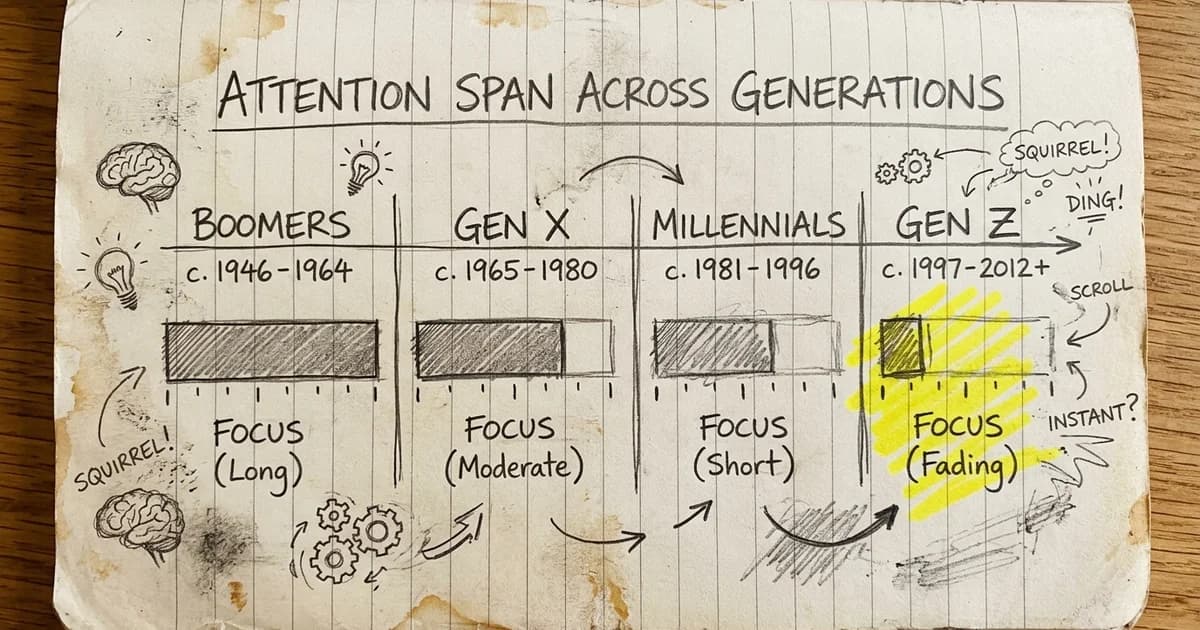
Burnout accelerates this problem. According to Aflac's 2025 workforce report, 72% of U.S. employees face moderate to very high stress at work, with Gen Z now surpassing millennials as the most burned-out generation at 74% experiencing at least moderate burnout compared to 66% of millennials. Chronic stress drains dopamine precursors and downregulates receptors. The result: you need more stimulation to feel the same drive you used to get for free.
So the goal isn't to whip a tired brain into submission with more caffeine. It's to restore the neurochemical conditions that make motivation possible. That's exactly what the best nootropics for motivation are designed to do.
The 7 Best Nootropics for Motivation in 2026
1. L-Tyrosine (The Dopamine Precursor)
L-Tyrosine is the amino acid your brain converts into dopamine, norepinephrine, and epinephrine. Think of it as the raw material your motivation system runs on. When you're stressed, sleep-deprived, or cognitively overloaded, your brain burns through tyrosine faster than normal. That's why it consistently ranks among the best nootropics for motivation in any serious discussion.
A review published in the Journal of Psychiatric Research analyzed the available evidence and concluded that tyrosine supplementation effectively enhances cognitive performance in short-term stressful or cognitively demanding situations. The effect is most pronounced when your system is already depleted, which makes it especially useful during heavy work periods or burnout recovery.
Typical dose: 500-2,000 mg, taken on an empty stomach.
Best for: Restoring baseline motivation after periods of high stress or sleep debt, where recovery from high stress periods also depends on the right sleep stack.
2. Theacrine (TeaCrine)
Theacrine is a purine alkaloid found in kucha tea that acts on both adenosine and dopamine receptors. It's structurally similar to caffeine but behaves differently in one critical way: it doesn't appear to build tolerance with regular use. For anyone researching the best nootropics for motivation, that tolerance-free profile is a major advantage.
A study on PubMed showed that theacrine enhanced activity levels in a dose-dependent manner through the nucleus accumbens, the same brain region responsible for motivation and reward. A human trial of 200 mg theacrine found subjective increases in energy, focus, concentration, and motivation to train compared to placebo.
The no-tolerance angle is what makes theacrine stand out. An eight-week safety study (N=60) published in the Journal of the International Society of Sports Nutrition tested doses up to 300 mg/day and found no habituation effects, meaning it kept working at the same dose over the full trial period. That's rare for any stimulatory compound.
Typical dose: 100-200 mg daily.
Best for: Sustained motivation without tolerance buildup.
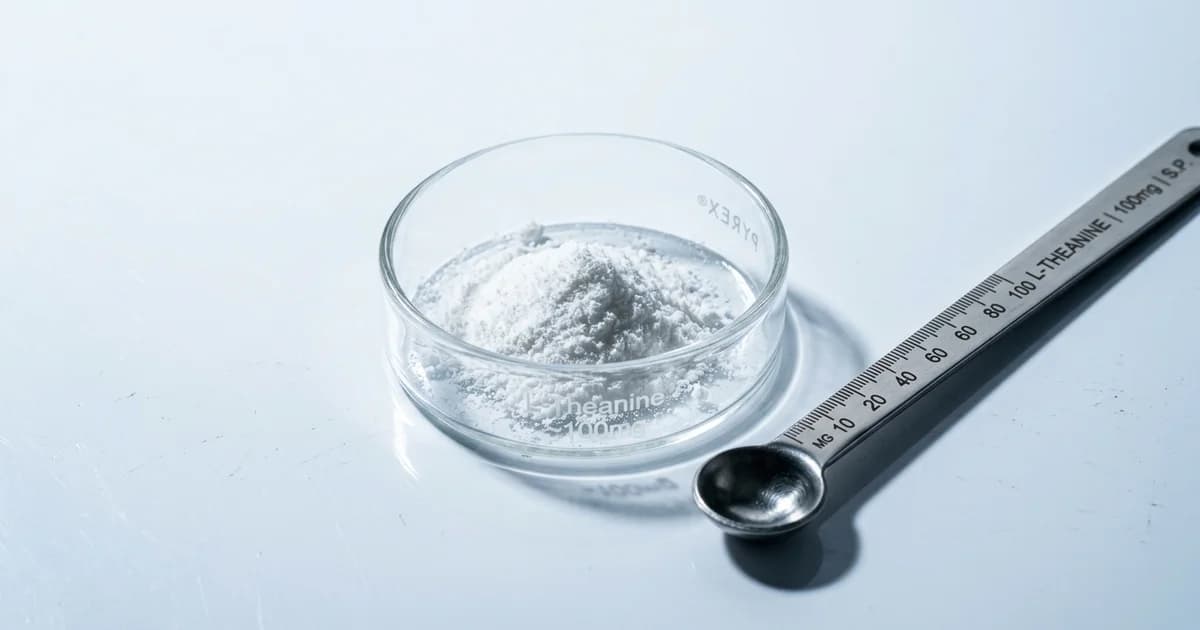
3. Caffeine + L-Theanine (The Classic Stack)
You already know caffeine. But caffeine alone is a blunt instrument: it blocks adenosine receptors, which makes you feel alert, but it also raises cortisol and can spike anxiety. Pair it with L-theanine, and the profile changes entirely, making this combination one of the best nootropics for motivation that's also accessible and affordable.
A study published in Nutritional Neuroscience found that combining 40 mg of caffeine with 97 mg of L-theanine improved cognitive performance and increased subjective alertness better than either compound alone. L-theanine smooths out the jittery edge of caffeine while preserving (and even enhancing) the focus and drive.
A 2025 study published in Frontiers went further, showing that a high-dose L-theanine and caffeine combination improved selective attention even in sleep-deprived subjects. That's the real-world scenario most of us are operating in.
Typical dose: 40-100 mg caffeine + 100-200 mg L-theanine (roughly a 1:2 ratio).
Best for: Daily focus and drive without the crash or jitters.
4. Rhodiola Rosea (The Anti-Fatigue Adaptogen)
Rhodiola doesn't directly boost dopamine the way tyrosine does. Instead, it works upstream by reducing the impact of stress on your brain and body. When stress is the reason your motivation tanked, Rhodiola addresses the root cause, earning its place among the best nootropics for motivation through a different mechanism entirely.
A 2024 clinical review in Integrative and Complementary Therapies reported that 100 patients taking 400 mg of Rhodiola rosea extract for 8 weeks showed MFI-20 improvements of 6.5 ± 4.3 points on "reduced activity" and 3.3 ± 3.3 points on "reduced motivation" subscales. A double-blind study of physicians on night duty showed that even low-dose Rhodiola improved mental performance during fatigue.
Typical dose: 200-600 mg of a standardized extract (3% rosavins, 1% salidroside).
Best for: Burnout recovery and stress-related motivation loss.
5. Creatine (Yes, for Your Brain)
Most people associate creatine with the gym. But your brain consumes roughly 20% of your body's total energy, and creatine plays a direct role in ATP recycling in neural tissue. That energy-sustaining function is why creatine appears on lists of the best nootropics for motivation, even though it's traditionally seen as a fitness supplement.
A 2024 systematic review and meta-analysis in Frontiers in Nutrition of randomized controlled trials found that creatine supplementation improved memory and processing speed in adults. A separate study published in Scientific Reports demonstrated that even a single dose of creatine improved cognitive performance during sleep deprivation by increasing cerebral high-energy phosphates.
Creatine won't give you a noticeable "kick" like caffeine. It works quietly, keeping your brain's energy reserves topped off so motivation doesn't fade under sustained cognitive load.
Typical dose: 3-5 g daily (creatine monohydrate).
Best for: Sustained mental energy and cognitive endurance.
6. Lion's Mane Mushroom (The Long Game)
Lion's mane works on a different timescale than everything else on this list. Rather than acutely boosting neurotransmitters, it supports nerve growth factor (NGF) production, which helps maintain and repair the neural circuits that motivation depends on.
A double-blind pilot study published in Nutrients found that four weeks of lion's mane supplementation improved cognitive performance and reduced stress in young adults. A 2025 randomized controlled trial in Frontiers in Nutrition showed acute effects on cognition and mood in healthy younger adults from a standardized extract.
Lion's mane is a "background" nootropic. You probably won't feel it on day one. But over weeks, the cumulative effect on brain health and resilience can support more consistent motivation, which is why it rounds out any serious list of the best nootropics for motivation.
Typical dose: 500-1,000 mg daily of a standardized extract.
Best for: Long-term neural health and cognitive resilience.
7. Methylliberine (Dynamine)
Methylliberine is a metabolite of caffeine found in kucha tea. It acts fast, typically within minutes, and provides a clean bump in perceived energy and alertness without the cardiovascular side effects of high-dose caffeine.
A 2023 study published in Nutrients found that acute methylliberine ingestion improved subjective feelings of energy, concentration, motivation, and mood in healthy men and women. Like theacrine, it doesn't appear to cause the same tolerance issues as caffeine, which is a key trait shared by the best nootropics for motivation.
Where methylliberine really shines is in combination with other compounds. Compound Solutions' research on the combination of caffeine, methylliberine, and theacrine showed benefits for working memory, reaction time, and sustained attention.
Typical dose: 100-200 mg.
Best for: Fast-acting motivation and energy boost, especially when stacked with theacrine and caffeine.
How to Stack the Best Nootropics for Motivation (Without Burning Out)
Here's where most people go wrong: they find something that works and hammer it until it stops working. That's the caffeine trap. More, more, more, until 400 mg barely moves the needle and you can't sleep.
A smarter approach to stacking the best nootropics for motivation combines compounds that work through different mechanisms:
| Layer | Purpose | Example |
|---|---|---|
| Dopamine support | Provide raw materials | L-Tyrosine (500-2,000 mg) |
| Clean stimulation | Increase alertness without jitters | Caffeine (40-100 mg) + L-Theanine (100-200 mg) |
| Tolerance prevention | Keep compounds effective long-term | Theacrine (100-200 mg), Methylliberine (100-200 mg) |
| Stress resilience | Protect against burnout | Rhodiola Rosea (200-600 mg) |
| Brain energy | Maintain ATP for sustained effort | Creatine (3-5 g) |
| Neural maintenance | Support long-term brain health | Lion's Mane (500-1,000 mg) |
The key principle: target multiple pathways at moderate doses rather than slamming one pathway at high doses. That's how the best nootropics for motivation deliver sustained drive without the crash-and-tolerance cycle that leads to burnout.
What to Avoid in a Motivation Stack
Not every nootropic marketed for motivation deserves your money. A few red flags:
- Mega-dose caffeine (300+ mg per serving). You'll get a spike, then a crash, then tolerance. The FDA's recommended daily ceiling is 400 mg, and most people perform best well below that.
- Proprietary blends with hidden doses. If a label says "Focus Matrix 1,200 mg" but doesn't break down individual ingredient amounts, you can't evaluate whether you're getting a clinical dose of anything.
- Racetams without a choline source. Piracetam and aniracetam have some cognitive research behind them, but they're unregulated in the U.S., and their effects on motivation specifically are thin.
- Anything promising "instant dopamine." Your dopamine system is a feedback loop. Compounds that flood it (like high-dose phenylethylamine) tend to cause rapid tolerance and rebound crashes.
The best nootropics for motivation work with your brain's existing architecture. They supply precursors, modulate receptors gently, or protect against the stress that depletes your drive in the first place.
Sustainable Performance, Not Stimulant Crashes
The pattern is familiar. You find a stimulant that works. You increase the dose. It stops working. You add another stimulant. Repeat until you're wired, anxious, and somehow still unmotivated.
That cycle is the opposite of what your brain needs. The best nootropics for motivation work with your neurochemistry, not against it. The compounds on this list share a common thread: they support the biological systems that produce motivation rather than artificially overriding them. Whether it's tyrosine replenishing dopamine precursors, rhodiola buffering cortisol, or creatine maintaining neural ATP, the goal is the same. Restore the conditions that make drive feel natural.
Related from Roon
- Best Supplements for Sleep and Recovery
- Caffeine and L-Theanine: The Science Behind the Stack
- What Is Methylliberine (Dynamine)?
- What Is Theacrine (TeaCrine)?
Frequently Asked Questions
What is the best nootropic for motivation and focus?
The strongest single-ingredient option is L-Tyrosine, which directly supplies the dopamine precursor your brain needs for drive and focus. But stacking outperforms any single compound. A combination of caffeine (40-100 mg), L-theanine (100-200 mg), and theacrine (100-200 mg) covers alertness, calm focus, and tolerance prevention in one protocol. The best results come from targeting multiple pathways at moderate doses.
Do nootropics for motivation actually work?
Yes, but with caveats. Compounds like L-tyrosine, caffeine + L-theanine, and rhodiola have peer-reviewed clinical evidence supporting their effects on cognitive performance, stress resilience, and subjective motivation. They work best when your motivation loss has a biological basis (stress, sleep debt, dopamine depletion) rather than a purely situational one. They're supplements, not substitutes for sleep, exercise, and purpose.
How long do nootropics take to work for motivation?
It depends on the compound. Caffeine and methylliberine act within 5-20 minutes. L-tyrosine and theacrine typically take 30-60 minutes. Rhodiola, creatine, and lion's mane are slower builds, requiring 2-4 weeks of consistent use before effects become noticeable. Fast-acting and slow-building nootropics complement each other well in a stack.
Can you take nootropics for motivation every day?
Most of the compounds on this list are safe for daily use at recommended doses. Creatine (3-5 g), lion's mane (500-1,000 mg), and theacrine (100-200 mg) show no tolerance buildup in studies lasting 4-8 weeks. Caffeine is the exception: daily use above 200-300 mg builds tolerance within 1-2 weeks. Cycling caffeine or keeping doses moderate (under 100 mg) helps preserve its effects.
Are nootropics for motivation safe?
The seven compounds listed here have published safety data in human trials. L-tyrosine, L-theanine, creatine, and lion's mane have strong safety profiles at standard doses. Theacrine showed no adverse effects in an 8-week trial of 60 participants. As with any supplement, consult a physician if you're on medication, pregnant, or managing a medical condition.
What's the difference between nootropics for motivation and ADHD medication?
Nootropics like L-tyrosine and theacrine gently support dopamine production and receptor function. Prescription ADHD medications (amphetamines, methylphenidate) directly increase dopamine and norepinephrine levels at much higher magnitudes. Nootropics are dietary supplements, not treatments for ADHD or any medical condition. If you suspect ADHD, see a clinician for proper diagnosis and treatment.
Can nootropics replace coffee for motivation?
They can reduce your dependence on coffee. The caffeine + L-theanine stack delivers alertness with fewer jitters and less crash than black coffee, especially at moderate doses (40-80 mg caffeine). Adding theacrine and methylliberine extends the duration to 6-8 hours without escalating caffeine intake. You don't have to quit coffee entirely, but you can use less of it.
What nootropic stack is best for work motivation?
For a full workday, a strong evidence-based stack looks like this: L-tyrosine (500-1,000 mg) in the morning on an empty stomach for dopamine support, caffeine (40-80 mg) + L-theanine (100-160 mg) for clean alertness, and theacrine (100-200 mg) for sustained drive without tolerance. Add creatine (3-5 g) daily for baseline brain energy. That covers four of the six motivation pathways in the stacking table above.
Four Compounds, One Pouch, Zero Tolerance
The stacking table above has six layers. Roon covers three of them in a single sublingual pouch: clean stimulation, tolerance prevention, and calm focus. Each pouch delivers 80 mg caffeine, 60 mg L-theanine, 25 mg methylliberine (Dynamine), and 5 mg theacrine (TeaCrine), the same compounds that earned individual spots on this list for their effects on drive, alertness, and crash-free duration.
Roon isn't a replacement for the full stack. It doesn't contain L-tyrosine, rhodiola, creatine, or lion's mane. If you want dopamine precursor support or adaptogenic stress buffering, you'll need to add those separately. What Roon does is deliver the stimulation-plus-tolerance-prevention layer in a format that absorbs sublingually in 5-10 minutes, lasts 6-8 hours, and doesn't require pills, powder, or a trip to the coffee machine.
If you've been cycling through bigger caffeine doses and still feel flat by 2 PM, the problem isn't dose. It's mechanism. Try Roon and see what a multi-pathway approach feels like.
Written by Roon Team