Dry January Before and After
Dry January Before and After: What Actually Happens to Your Body, Brain, and Habits
You told yourself you'd "just have one" at the holiday party. Then the wine kept flowing, the mornings got foggier, and by New Year's Day, you were Googling "dry january before and after" from the couch with a headache and a vague sense of regret.
You're not alone. Thirty percent of Americans participated in Dry January in 2025, a 36% jump from the previous year. What was once a niche wellness experiment has become a full-blown cultural reset. But the real question isn't whether people are doing it. It's what the dry january before and after experience actually looks like when you track the changes week by week.
Here's what the science says about what happens before, during, and after 31 days without alcohol.
Key Takeaways
- Sleep, skin, and energy improve within the first two weeks of cutting alcohol, making the dry january before and after contrast obvious early on.
- Liver fat, blood pressure, and insulin resistance all drop measurably after one month of abstinence.
- The benefits stick. Six months after Dry January, participants still report drinking less and feeling better.
- Even an imperfect month helps. People who don't fully abstain still see real improvements in well-being and self-control.
Before Dry January: What Alcohol Is Actually Doing to You
Most regular drinkers underestimate how much alcohol affects their baseline. Understanding the "before" side of the dry january before and after equation means recognizing the low-grade drag on everything: sleep architecture, metabolic function, skin hydration, and cognitive sharpness.
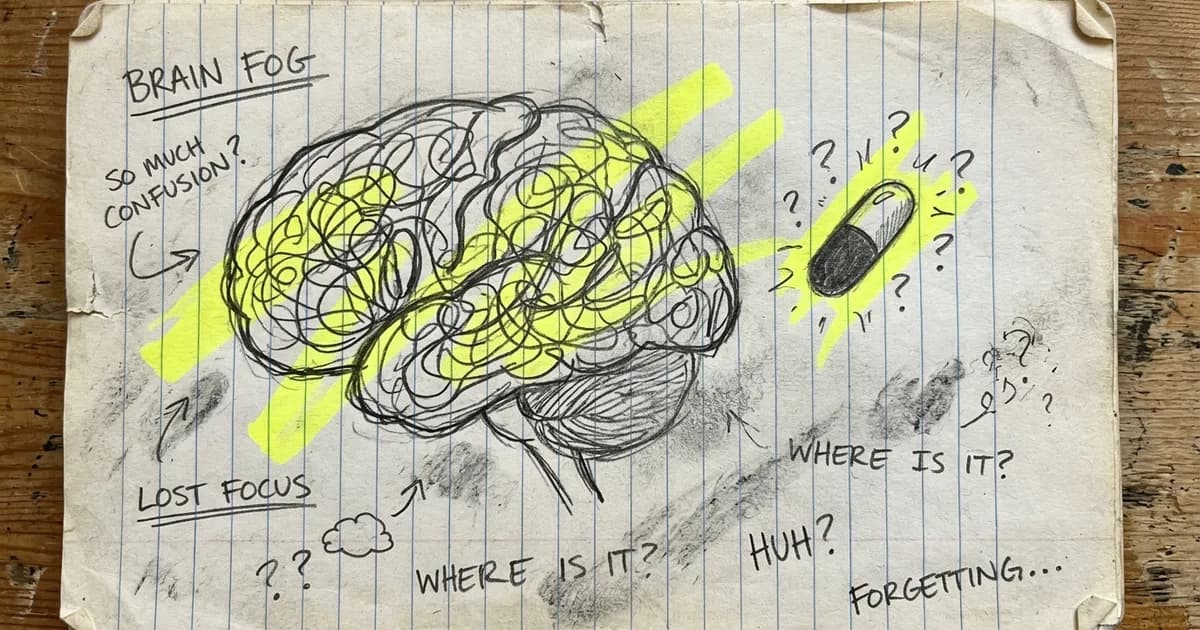
Alcohol suppresses REM sleep, the phase responsible for memory consolidation and emotional regulation. That means even "moderate" drinking leaves you waking up less restored than you should be. You adapt to the lower baseline and stop noticing. After a few months, you forget what genuinely rested feels like.
A 2025 study from Frontiers in Aging Neuroscience found that even light to moderate alcohol consumption is associated with reductions in cortical volume across multiple brain regions. The old idea that a glass of red wine "protects" your brain? That claim largely disappears once researchers control for income and cultural factors. The relationship between alcohol and brain volume appears to be linear: more alcohol, less brain tissue. There is no safe threshold where the effect reverses.
Then there's the metabolic toll. Alcohol is a toxin your liver has to prioritize over everything else. While it's busy processing ethanol, fat metabolism slows, blood sugar regulation suffers, and inflammatory markers creep up. You don't feel "sick." You just feel less than your best. Constantly. This is the "before" snapshot that makes the dry january before and after results so striking.
The Dry January Before and After Timeline: Week by Week
Week 1: The Recalibration
The first few days are the hardest, and not because of dramatic withdrawal (though heavy drinkers should absolutely consult a doctor before stopping abruptly). For most moderate drinkers, the challenge is more psychological than physical. You're breaking a habit loop.
Your liver starts recovering almost immediately. Hydration improves because alcohol is no longer acting as a diuretic. According to the Discovery Institute, bloating decreases, skin starts to look clearer, and the absence of hangovers makes weekends noticeably more productive. Even in this first week, the dry january before and after difference is starting to take shape.
Here's the counterintuitive part: sleep often gets worse before it gets better. Your brain spent months relying on alcohol's sedative effect to fall asleep. Without it, the first three to four nights can feel restless. This is temporary. Your brain is recalibrating its natural sleep-wake cycle, and the payoff comes fast.
Week 2: The Upswing
This is where most people start feeling genuinely different, and where the dry january before and after contrast becomes hard to ignore. Energy levels climb. Mood stabilizes. The afternoon slump that you blamed on a bad lunch? Turns out it was partly the residual metabolic drag from last night's drinks.
Research from the University of Sussex found that 71% of Dry January participants reported sleeping better, and 67% reported having more energy. These aren't marginal gains. They're the kind of changes that make you wonder how you tolerated the alternative.
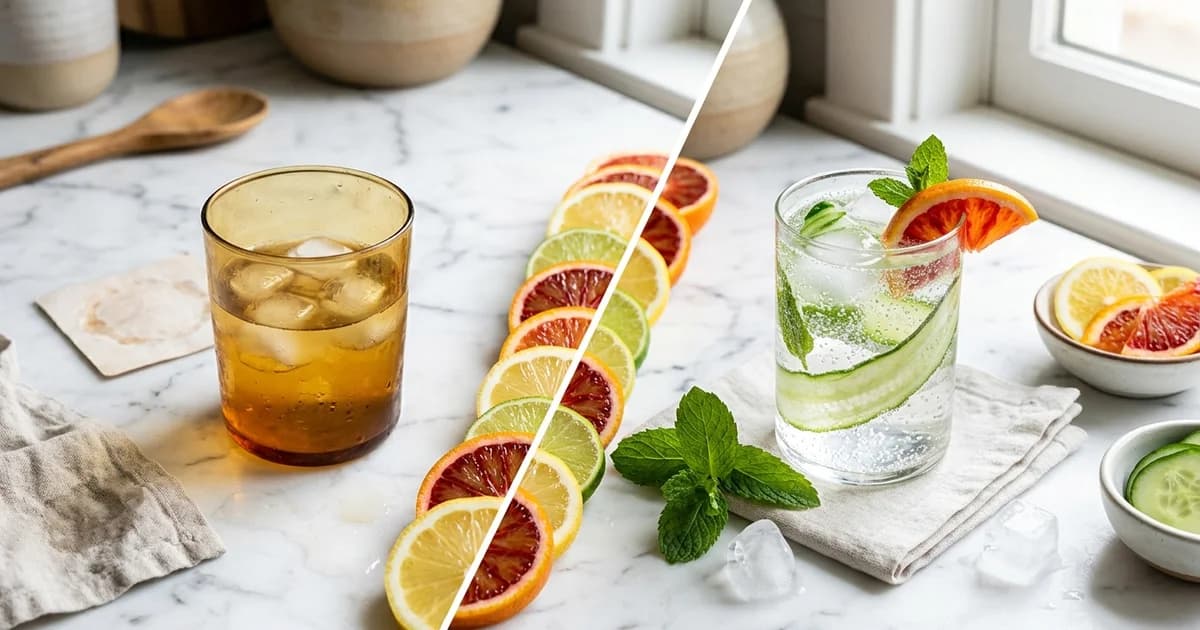
Your skin is visibly different by now too. Alcohol dehydrates skin tissue and dilates blood vessels, contributing to redness and puffiness. Two weeks without it, and the mirror starts telling a different story. Many people take dry january before and after photos at this point, and the visual difference is real.
Week 3: The Biological Shift
By the third week, the changes move from surface-level to systemic. Your liver has had enough time to start reducing accumulated fat. Blood sugar regulation improves. Inflammatory markers begin to drop.
A prospective observational study published in BMJ Open (Mehta et al., 2018) tracked moderate-to-heavy drinkers through a month of abstinence and found measurable improvements in insulin resistance, blood pressure, and cancer-related growth factors. Liver function tests improved across multiple markers, including gamma-glutamyl transferase, a substance often elevated in regular drinkers.
This is also when many people report a shift in their relationship with alcohol itself. The automatic "I need a drink" reflex starts to weaken. You realize that the craving was more about routine than actual desire. The after-work pour wasn't about the wine. It was about the signal that the workday was over. Once you find another way to mark that transition, the pull fades. This psychological shift is one of the most underrated parts of the dry january before and after experience.
Week 4: The New Baseline
By the end of the month, the cumulative dry january before and after effect is striking. According to Alcohol Change UK, participants reported a wide range of benefits: 86% saved money, 81% felt more in control of their drinking, 70% slept better, 67% had better concentration, and 54% lost weight.
A smaller study cited by Brown University researchers found that among 14 participants who abstained for about five weeks, liver fat decreased by 15%, blood glucose dropped by 23%, and participants lost an average of three pounds. Sleep quality improved by 10% and concentration jumped 18%.
These numbers represent what a single month without alcohol can do. No medication. No special diet. Just subtraction.
After Dry January: Do the Dry January Before and After Benefits Last?
This is the part most people skip, and it's the most important piece of the dry january before and after picture.
A scoping review published in the journal Alcohol and Alcoholism examined the long-term effects of Dry January participation. The findings were clear: six months after the challenge, participants still reported decreased drinking frequency, reduced episodes of drunkenness, and lower overall alcohol consumption.
The benefits weren't limited to people who made it through all 31 days, either. Those who didn't fully abstain still showed improved mental well-being and greater self-efficacy in resisting social and emotional drinking pressures one month later. Attempting the challenge delivered real dry january before and after results regardless of perfect execution.
According to a National Geographic report, a study tracking 94 moderate-to-heavy drinkers who gave up alcohol for a month found that six months later, their average drinking patterns placed them in the "low risk" category for problematic habits.
The mechanism isn't complicated. Thirty-one days is long enough to break an automatic behavior pattern and replace it with something else. Once you've experienced what clear mornings, stable energy, and unmedicated sleep feel like, the cost-benefit calculation around alcohol shifts permanently. That's why the dry january before and after change tends to outlast the month itself.
The Harder Truth: Why One in Three Don't Finish
Dry January isn't easy for everyone. Data from Oar Health's nationwide survey found that one in three participants don't fully succeed in their goals. The biggest obstacles? Alcohol cravings and social pressure.
This makes sense. Alcohol is woven into nearly every social ritual in Western culture: dinners, dates, networking events, watching the game. Removing it forces you to navigate those situations differently, which takes more mental energy than most people expect.
The people who succeed tend to have two things in common: a clear reason for doing it (health goals ranked highest) and some form of structured support, whether that's an app, a community, or just a friend doing it alongside them. Those who document their own dry january before and after progress often find that tracking changes keeps motivation high.
But even "failure" isn't really failure here. As the research shows, partial participation still delivers measurable benefits. The goal isn't perfection. It's pattern interruption.
The Bigger Picture: Dry January Before and After as Part of the Sober Curious Shift
Dry January isn't happening in a vacuum. The growing interest in dry january before and after results is part of a larger cultural recalibration around alcohol.
According to Circana's 2025 consumer survey, nearly half (49%) of Americans are actively trying to drink less, a 44% increase since 2023. Gen Z is leading the charge: 65% of Gen Zers plan to drink less in 2025, and 39% plan to stay dry for the entire year.
Gallup data cited by The Conversation shows a 10% decline in alcohol use among U.S. adults aged 18 to 34 over the past decade. This isn't a fad. It's a generational shift toward prioritizing mental clarity and physical performance over social lubrication.
The question people are asking has changed. It used to be "Why would you stop drinking?" Now it's "Why do you drink?"
And that shift isn't just philosophical. It's showing up in the market. Non-alcoholic beverage sales are surging. Sober bars are opening in major cities. The social cost of not drinking has dropped to nearly zero, especially among younger adults who never bought into the "you need a drink to relax" narrative in the first place.
Clean Focus for the Sober Curious
If your dry january before and after experience taught you anything, it's probably this: the version of you without alcohol in your system thinks faster, sleeps deeper, and handles stress better. The challenge is maintaining that edge once February rolls around and the social defaults kick back in.
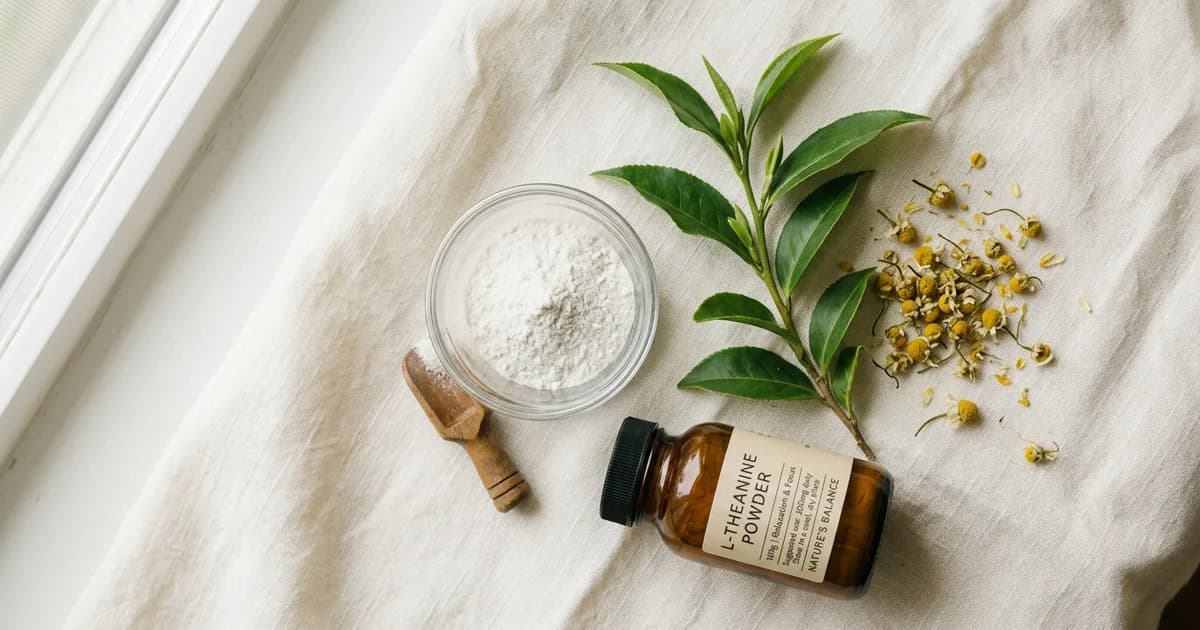
That's where your toolkit matters. Roon was built for exactly this kind of intentionality. It's a zero-nicotine sublingual pouch with caffeine, L-Theanine, Theacrine, and Methylliberine, designed to deliver six to eight hours of sustained focus without jitters, crashes, or tolerance buildup. No alcohol. No nicotine. No compromise.
You already proved you can perform without a crutch. The dry january before and after data backs you up. Now give yourself something that actually works with your biology instead of against it. Try Roon today.