Berberine: What the Science Actually Says About This Trending Supplement
Roon Team
Berberine: What the Science Actually Says About This Trending Supplement
Berberine went from a niche compound buried in traditional Chinese medicine texts to a TikTok sensation almost overnight, joining other trending wellness supplements like black seed oil in the influencer spotlight. Dubbed "Nature's Ozempic" by influencers, it's now one of the most searched supplements on the internet, alongside other hyped metabolic supplements of 2025 like shilajit. But the hype has outpaced the evidence in some important ways, and if you're considering a berberine supplement, you deserve a clearer picture than a 60-second video can give you.
This guide breaks down what berberine actually does in your body, what the clinical research supports, what the real berberine side effects look like, and how the most popular supplements on the market compare.
Key Takeaways
- Berberine activates AMPK, a metabolic enzyme sometimes called the body's "master energy switch," which influences blood sugar regulation, fat metabolism, and cholesterol levels.
- Blood sugar management is the strongest use case. Multiple clinical trials show berberine can lower fasting blood glucose and HbA1c in people with type 2 diabetes.
- It is not "Nature's Ozempic." The weight loss effects are modest at best, and the mechanism is completely different from semaglutide.
- GI side effects are common, and most berberine supplements have poor bioavailability, meaning your body absorbs very little of what you swallow.
- Drug interactions are a real concern. Berberine inhibits several cytochrome P450 enzymes, which means it can change how your body processes prescription medications.
How Berberine Works in Your Body
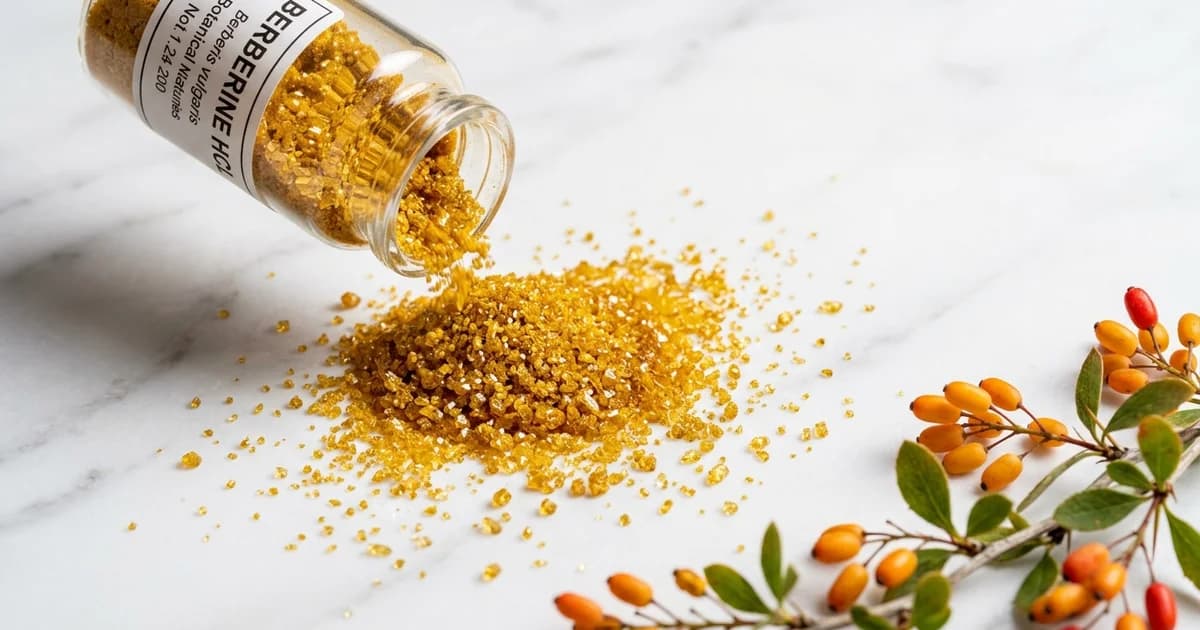
Berberine is an isoquinoline alkaloid found in plants like goldenseal, barberry, and Oregon grape. It has been used in Ayurvedic and Chinese medicine for centuries, primarily for infections and digestive issues. The modern interest, though, is almost entirely about metabolic health.
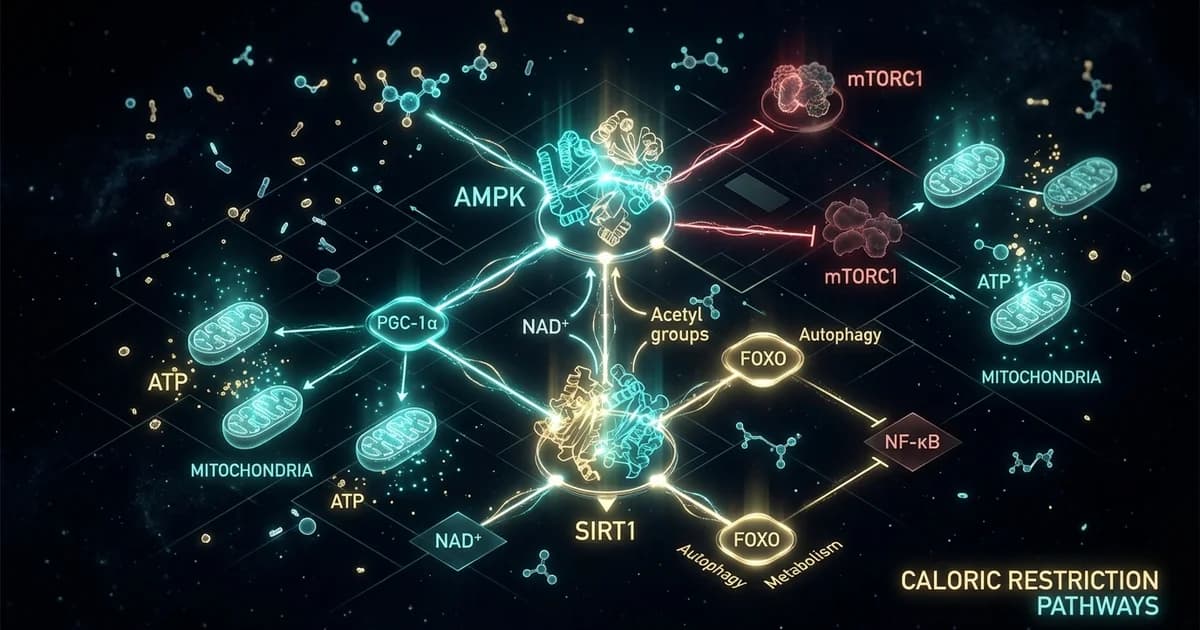
The primary mechanism is AMPK activation. AMPK (adenosine monophosphate-activated protein kinase) is an enzyme that acts as an energy sensor in your cells. When activated, it triggers a cascade of effects: increased glucose uptake into cells, improved insulin sensitivity, reduced fat storage, and lower cholesterol synthesis. Think of it as your body's way of switching from "storage mode" to "burn mode."
This is why berberine touches so many different health markers. It's not doing five separate things. It's pulling one lever that has downstream effects on blood sugar, lipids, inflammation, and more.
Berberine Benefits: What the Research Actually Shows
Blood Sugar and Insulin Sensitivity
This is where the evidence is strongest. A pilot study published in the journal Metabolism found that berberine lowered HbA1c from 8.1% to 7.3% in patients with type 2 diabetes. Fasting plasma insulin dropped by 28.1%, and HOMA-IR (a measure of insulin resistance) fell by 44.7%. Those are not trivial numbers.
A 2025 systematic review and meta-analysis published in Frontiers in Pharmacology looked at randomized, placebo-controlled trials and confirmed that berberine has measurable effects on multiple components of metabolic syndrome, including blood sugar, lipids, and insulin resistance.
The Cleveland Clinic notes that blood sugar regulation is the most studied berberine benefit, though they caution that most individual studies are small and need to be interpreted carefully.
Cholesterol and Heart Health
Berberine appears to lower LDL cholesterol and total cholesterol. The same Metabolism pilot study showed reductions in both markers. The proposed mechanism involves berberine increasing LDL receptor expression in the liver, which helps clear LDL from the bloodstream.
Some research also points to triglyceride reduction and modest improvements in blood pressure, though the data here is thinner than the blood sugar research.
Weight Loss: The "Nature's Ozempic" Question
Here's where we need to be honest. Berberine is not Ozempic. It's not even close.
Ozempic (semaglutide) is a GLP-1 receptor agonist that produces dramatic appetite suppression and weight loss, often 15% or more of body weight. Berberine may enhance the body's natural GLP-1 production to a small degree, which is how it got pulled into the comparison. But as CNN reported, the weight loss benefits of berberine are "modest at best."
The NIH's National Center for Complementary and Integrative Health states plainly that the evidence for berberine as a weight loss supplement is limited. Some of the appetite reduction people report may actually be a side effect of the GI distress berberine causes, not a direct metabolic benefit.
If you're taking berberine for metabolic health and you happen to lose a few pounds, great. But buying it expecting Ozempic-level results will leave you disappointed.
Gut Health and the Microbiome
This is an emerging area. A review published in the International Journal of Molecular Sciences found that berberine modulates the gut microbiome, reducing harmful bacteria and supporting beneficial species. Research in db/db mice showed that berberine increased short-chain fatty acid-producing bacteria while reducing opportunistic pathogens.
The irony is that berberine's most common side effects are gastrointestinal. So it may help your gut microbiome long-term while making your stomach miserable in the short term.
Neuroprotective Potential
Early research suggests berberine may have cognitive benefits. A systematic review and meta-analysis in PMC found that berberine inhibits neuroinflammation and oxidative stress, exhibiting neuroprotective properties. The Alzheimer's Drug Discovery Foundation notes that preclinical evidence shows both potential benefits and some concerns, and that more human research is needed.
This is promising but very early-stage. Nobody should be taking berberine specifically for brain health based on the current evidence.
Berberine Side Effects and Safety Concerns
The most common berberine side effects are gastrointestinal: nausea, diarrhea, constipation, bloating, and abdominal pain. The Cleveland Clinic recommends starting with a low dose and increasing gradually, with typical dosing at 500mg twice daily before meals, up to 1,500mg per day divided across three doses.
The bigger concern is drug interactions. According to WebMD, berberine can increase the amount of metformin in the body, amplifying both its effects and side effects. A study in PMC confirmed that repeated berberine administration inhibits cytochrome P450 enzymes (specifically CYP2D6, CYP2C9, and CYP3A4), which are responsible for metabolizing a huge number of common medications.
Per Ubie Health, the riskiest combinations are with diabetes drugs, blood pressure medicines, heart rhythm medications, statins, and blood thinners.
If you take any prescription medication, talk to your doctor before starting berberine. This isn't a generic disclaimer. The enzyme inhibition is well-documented and clinically relevant.
Comparing Popular Berberine Supplements
Not all berberine supplements are created equal. A ConsumerLab investigation found that many berberine products on the market contained far less berberine than claimed, with some containing only 33% to 89% of the labeled amount. Here's how three popular options stack up:
| Feature | Momentous Berberine | Thorne Berberine | Double Wood Berberine |
|---|---|---|---|
| Form | Berbevis® Phytosome | Berberine Phytosome + HCl | Standard Berberine HCl |
| Dose per serving | 550mg (1 capsule) | 1,000mg (2 capsules) | 500mg (1 capsule) |
| Enhanced bioavailability | Yes (9.6x claimed) | Partial (Phytosome blend) | No |
| Third-party testing | NSF Certified for Sport | NSF Certified | Third-party COA available |
| Price (approx.) | ~$50 for 60 capsules | ~$40 for 60 capsules | ~$16 for 60 capsules |
| Servings | 60 | 30 | 60 |
Momentous positions itself as the premium option with its Berbevis® Phytosome delivery system, which claims 9.6x higher absorption than standard berberine. It carries NSF Certified for Sport status, making it popular with athletes. The downside is price.
Thorne offers a dual-action formula combining Berberine Phytosome with standard berberine HCl. It's a respected brand with strong quality control, and Mayo Clinic's store carries it. The 1,000mg dose across two capsules is on the higher end.
Double Wood is the budget pick. At roughly $16 for a two-month supply, it's hard to beat on value. It provides 500mg of 97% purity berberine HCl per capsule with third-party testing. The trade-off is standard bioavailability, meaning your body absorbs less of each dose.
What's Missing From Berberine Supplements
After looking at the berberine market closely, a few gaps become clear.
Berberine doesn't address cognitive performance directly. While the neuroprotective research is interesting, berberine is fundamentally a metabolic health compound. It won't help you focus during a four-hour work block or stay sharp through a late afternoon meeting. None of these supplements are designed for that.
The delivery method is stuck in the capsule era. Oral capsules have to survive stomach acid and first-pass liver metabolism. Standard berberine HCl has notoriously poor bioavailability. Even the phytosome formulations are still fighting the same fundamental absorption challenge of the GI tract.
GI side effects create a real compliance problem. If a supplement makes you nauseous every time you take it, you'll stop taking it. This is a well-known issue across the berberine category, and the "start low and slow" advice only partially solves it.
There's no energy or focus component. Berberine is a long-game metabolic tool. It doesn't give you anything you can feel in the moment. For the large number of people who want both long-term health optimization and daily cognitive performance, berberine leaves a significant gap.
If Cognitive Performance Is What You're After
Berberine is a solid supplement for metabolic health, specifically blood sugar management and cholesterol support. The science backs that up. But it was never designed to help you think faster, focus longer, or maintain mental energy through a demanding day.
That's a different problem, and it requires a different approach.
Roon was built specifically for sustained cognitive performance. It's a zero-nicotine sublingual pouch that delivers 80mg of caffeine, L-Theanine, Theacrine, and Methylliberine directly through the oral mucosa, bypassing the GI tract entirely. That means no stomach issues, no waiting 45 minutes for a capsule to dissolve, and no first-pass metabolism reducing what actually reaches your brain.
The L-Theanine smooths out the caffeine so there are no jitters. Theacrine and Methylliberine extend the effect to 6-8 hours without the crash or tolerance buildup you get from coffee or energy drinks. It's a focused stack designed to do one thing well: keep you sharp when it matters.
If you're optimizing your metabolic health with berberine and looking for something to handle the cognitive performance side, Roon fills that gap without adding another pill to your routine.