Are Caffeine Pouches Bad for Your Gums? What the Dental Evidence Actually Says
Roon Team
Are Caffeine Pouches Bad for Your Gums? What the Dental Evidence Actually Says
Short answer: caffeine pouches are not bad for your gums the way nicotine pouches are. The gum damage that dentists warn about with pouch products comes from nicotine, not caffeine. So when you ask are caffeine pouches bad for your gums, the honest answer is that the biggest driver of pouch-related gum harm simply isn't in them.
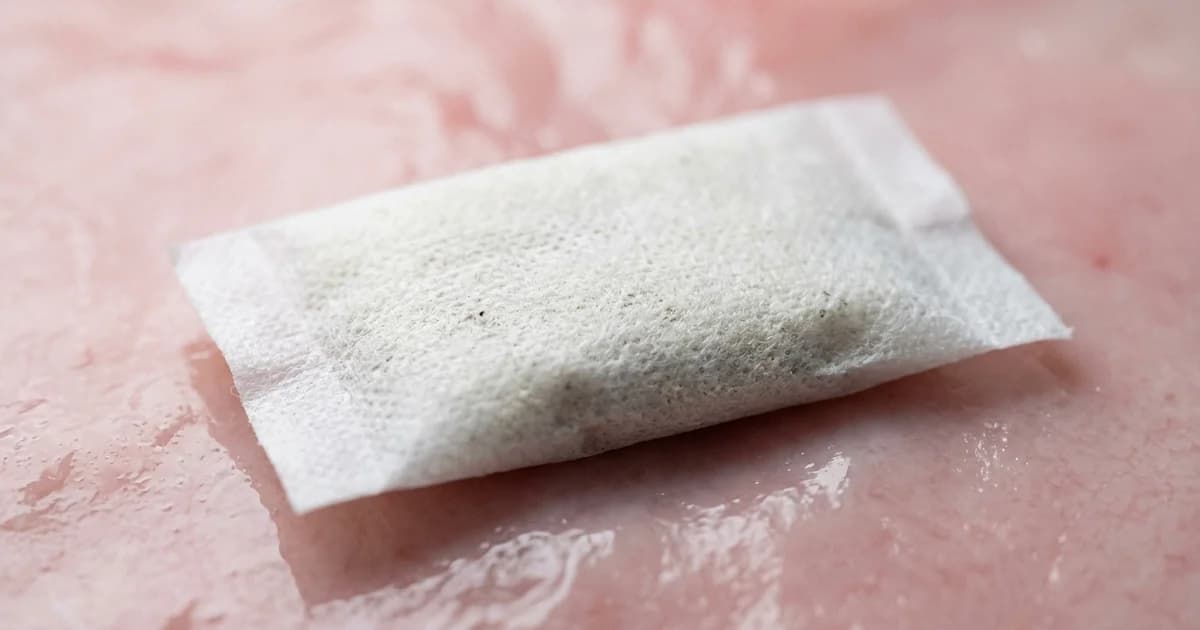
That doesn't mean any pouch is invisible to your mouth. Anything you tuck against your gum line for 20 to 40 minutes creates local contact, and contact has consequences.
This guide walks through what the clinical and dental literature says, where the real risks live, and how to use any in-mouth product without irritating your gums.
Key Takeaways
- Nicotine, not caffeine, drives pouch-related gum recession. Nicotine narrows blood vessels in gum tissue, which starves gums of the blood flow they need to heal.
- Caffeine pouches still involve local contact. Any object held against one spot on your gums can cause mild, temporary irritation.
- Acidity and dry mouth are the caffeine-specific concerns, and they apply more to sipping energy drinks all day than to a single pouch.
- Placement matters more than the product. Rotating where you park a pouch is the single best habit for gum comfort.
Are Caffeine Pouches Bad for Your Gums? The Direct Answer
Caffeine pouches do not cause the gum recession, oral lesions, or cancer risk linked to tobacco products, because they contain no tobacco and no nicotine. Those two ingredients drive most pouch-related oral damage, and they are absent from a caffeine pouch.
Here is the mechanism that matters. Nicotine is a potent vasoconstrictor: it narrows blood vessels and reduces circulation to peripheral tissues, including the gums. Less blood flow means gums cannot repair themselves well, which is how recession sets in. A caffeine pouch skips that mechanism entirely.
Dental writeups on caffeine pouches land in the same place. One dentist-reviewed guide puts it plainly: caffeine pouches do not cause the gum recession, oral lesions, or cancer risk associated with tobacco products. The tobacco is what changes the math, and there isn't any here.
So the caffeine pouches gums question really splits into two separate issues: what nicotine does (not relevant to caffeine pouches), and what any physical pouch does (relevant to all of them).
Why Nicotine Pouches Damage Gums and Caffeine Pouches Don't
The distinction is the whole point, so it's worth being precise about it.
Nicotine works against your gums in more than one way. Nicotine is a vasoconstrictor, reducing blood flow to tissues, potentially impairing gum healing processes and contributing to tissue degradation over time. On top of that, the flavorings and sweeteners in some products can shift the pH in your mouth.
Major health institutions have said the same thing. According to University of Utah Health, research shows nicotine pouches can cause irritation, inflammation, and gum recession where the pouch is placed. Researchers do not currently have enough evidence to say nicotine pouches directly cause oral cancer.
Dental sources echo it. Delta Dental notes that although they're marketed as safer, oral nicotine pouches can still cause gum irritation, dry mouth, and ulcers.
None of those nicotine-specific mechanisms apply to a caffeine pouch. That is the difference in one sentence.
The Real Caffeine Pouches Gum Health Concerns
Direct answer: the legitimate concerns with caffeine pouches are local mechanical irritation and, to a smaller degree, acidity and dry mouth from caffeine itself. All three are manageable.
Local Irritation From Pressure
Any object held against one spot on your gums for half an hour creates friction and pressure. That can leave the area tender, and it happens with mints, chew, and pouches of every kind.
A dentist-reviewed explainer describes exactly this and frames it correctly. This is not gum recession. It's surface-level irritation similar to what you'd get from eating something spicy or crunchy. It usually fades within a day.
The habit-based fix is straightforward. Repeated placement of any oral pouch in the same spot can cause localized irritation, soreness, and potentially minor tissue changes over time. Rotating your placement site and limiting each session to around 30 minutes reduces this risk considerably.
Acidity and Enamel
This one is about caffeine as a substance, not the pouch format. Most of the enamel worry in dental writing points at drinks, not pouches. As Appointment for Dentist explains, most caffeine beverages, especially energy drinks and sodas, are tremendously acidic. The acid acts on the enamel of the teeth, making them sensitive and, over time, creating weak areas through which cavities find their way.
A pouch avoids the sugar-and-acid bath that a can of energy drink delivers to every tooth. That is a point in its favor, not against it.
Dry Mouth
Caffeine is a mild diuretic, and dry mouth is a real oral-health lever. Mergen Dental notes that caffeine acts as a diuretic, which means it can lead to increased urination and, ultimately, dehydration. When you're dehydrated, your body produces less saliva, resulting in dry mouth.
Saliva protects your gums and teeth. Less of it lets bacteria grow faster, so staying hydrated is the countermove for anyone using caffeine in any form.
Caffeine Pouches vs Nicotine Pouches: Gum Risk Compared
The two products look identical in the tin. Their effect on your gums is not identical at all.
| Factor | Caffeine Pouches | Nicotine Pouches |
|---|---|---|
| Vasoconstriction (reduced gum blood flow) | No | Yes, a known driver of recession |
| Gum recession risk | Not clinically established | Documented where pouch sits |
| Local irritation from contact | Possible, mild and temporary | Possible, plus nicotine irritation |
| Dry mouth | Possible, from caffeine | Possible, reported with nicotine |
| Addiction / dependence | Low (caffeine only) | High (nicotine) |
| Tobacco content | None | None (but nicotine present) |
The clearest read comes from a caffeine-brand explainer that still credits the dental consensus on nicotine. It cites that the American Dental Association (ADA) notes that while nicotine pouches are less harmful than combustible tobacco for oral health, they are "not risk-free" and specifically identifies gum irritation and recession as potential concerns.
How to Protect Your Gums When Using Any Pouch
Direct answer: rotate placement, limit session length, stay hydrated, and keep up your normal oral hygiene. These four habits handle almost every gum concern that applies to a caffeine pouch.
- Alternate sides. Alternate placement sides. Switch between the left and right side of your mouth throughout the day. This keeps any one spot from taking constant pressure.
- Cap the time. Limit pouch duration. Most brands recommend 15 to 45 minutes per pouch. Pulling it in that window cuts contact time.
- Drink water. Counter caffeine's mild diuretic effect and keep saliva flowing.
- Watch for warning signs. DarePouch advises that if you notice persistent white patches, soreness, or changes to your gum tissue, stop use and consult a dentist.
If you're weighing pouches as part of a broader focus routine, our guides on caffeine and L-theanine for clean energy and how sublingual absorption works cover the delivery side in more detail.
The Bottom Line on Pouches and Your Gums
The gum damage that gives pouches a bad name is a nicotine story, not a caffeine one. Nicotine narrows the blood vessels your gums rely on, and that is the engine behind the recession dentists document. Take nicotine out of the equation and you remove the main mechanism.
What remains is ordinary. Any object pressed against your gums can cause mild, short-lived irritation, and caffeine can dry your mouth if you don't drink enough water. Both are managed by rotating placement, limiting session time, and staying hydrated.
Treat a caffeine pouch as what it is: a stimulant delivery format with the same local-contact considerations as any in-mouth product, minus the ingredient that actually harms gums.
Frequently Asked Questions
Do caffeine pouches cause gum recession?
There is no clinical evidence that caffeine pouches cause gum recession. Recession linked to pouch products is driven by nicotine, which narrows blood vessels and reduces the blood flow gums need to heal. Caffeine pouches contain no nicotine and no tobacco, so they skip that mechanism. You may notice mild, temporary irritation from the physical contact, but that is surface-level and different from true recession.
Are caffeine pouches safe for your gums long term?
For healthy adults using them as directed, caffeine pouches are generally considered low-risk for the gums. The main long-term habit worth building is rotating where you place the pouch so one spot doesn't take repeated pressure. There is limited long-term research on caffeine pouches specifically, so treat any persistent soreness or tissue change as a reason to pause and see a dentist.
Why do nicotine pouches damage gums but caffeine pouches don't?
Nicotine is a vasoconstrictor. It narrows blood vessels and cuts circulation to gum tissue, which impairs healing and contributes to recession over time. Flavorings and sweeteners in some nicotine products can also shift oral pH. Caffeine does not constrict blood vessels in gum tissue the way nicotine does, so a caffeine pouch avoids the primary driver of pouch-related gum damage.
Can caffeine pouches cause dry mouth?
Yes, indirectly. Caffeine is a mild diuretic, which can contribute to dehydration and reduced saliva production. Less saliva means less natural protection for your gums and teeth, letting bacteria grow faster. Drinking water alongside caffeine, in any form, is the simplest fix. Dry mouth is a caffeine effect, not a pouch-specific one.
What about enamel and acidity?
Most caffeine-related enamel concerns come from acidic energy drinks and sodas that bathe every tooth in acid and sugar. A pouch does not deliver that acidic liquid across your teeth, so the enamel risk is far lower than with drinks. Good oral hygiene and hydration handle the rest.
How do I use a caffeine pouch without irritating my gums?
Alternate sides between left and right, keep each session to roughly 15 to 45 minutes, and drink water throughout the day. Maintain your usual brushing and flossing. If you see white patches, ongoing soreness, or changes to your gum tissue, stop and consult a dentist.
The Nicotine-Free Option, With One Honest Caveat
If the reason you're reading this is that you want the focus and the ritual of a pouch without the ingredient that actually harms gums, that is a reasonable place to land. The dental literature is clear that nicotine is the problem, and a nicotine-free, tobacco-free pouch removes it.
Roon is one such option. It's a zero-nicotine, zero-tobacco sublingual pouch built for focus, using a four-ingredient stack: 80 mg caffeine, 60 mg L-theanine, 25 mg methylliberine (Dynamine), and 5 mg theacrine (TeaCrine), designed for a 5 to 10 minute onset and 6 to 8 hours of steady focus without jitters or a crash.
Here is the honest caveat. Roon makes no dental health claims, and no in-mouth product is exempt from local contact. Anything you park against your gum line can cause mild, temporary irritation, so rotate placement, stay hydrated, and see a dentist if anything persists. Roon is not a substitute for oral hygiene or dental care. If you want the pouch format without nicotine, try Roon and treat your gums the same way you would with anything else you hold in your mouth.
Written by Roon Team