Apigenin: The Sleep and Relaxation Flavonoid Your Brain Actually Responds To
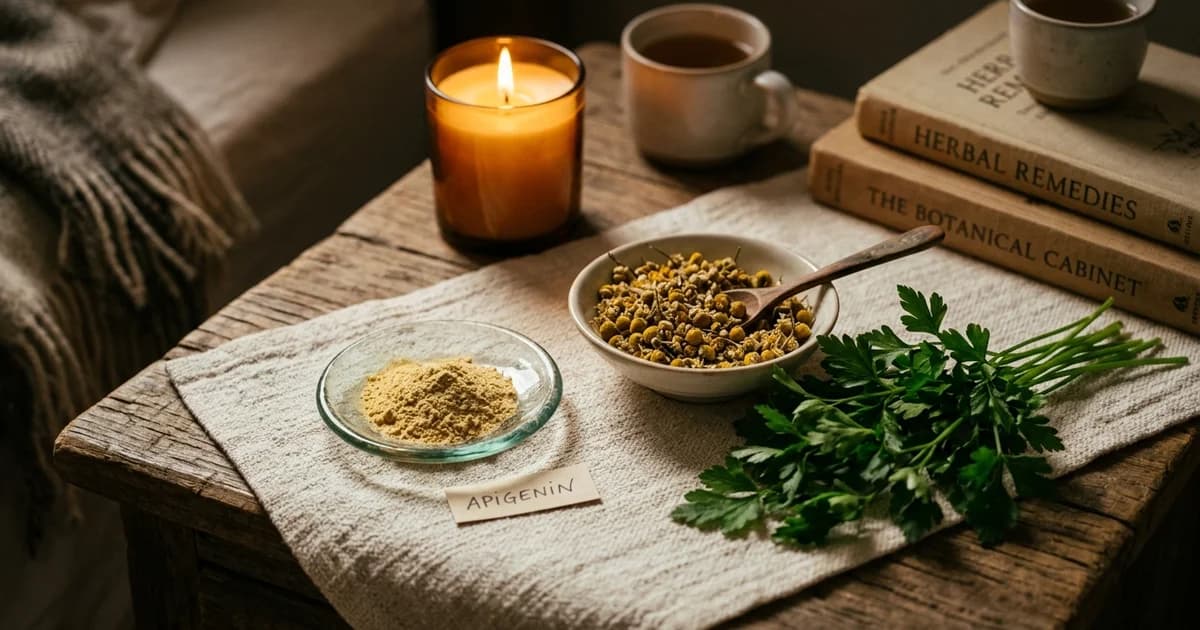
Apigenin: The Sleep and Relaxation Flavonoid Your Brain Actually Responds To
Short answer: Apigenin is a plant flavonoid concentrated in chamomile, parsley, and celery that binds to GABA-A receptors and supports relaxation rather than heavy sedation, which is why it shows up in many sleep formulas. The strongest human-relevant signals are calmer pre-sleep states and a correlation between dietary apigenin and better sleep quality, while clinical evidence for isolated supplements stays thin and absorption is a real limitation. It can support winding down, but it is not a sedative and will not knock you out.
Your grandmother probably knew chamomile tea helped her sleep. She just didn't know why. The answer is apigenin, a flavonoid buried inside chamomile flowers, parsley, and celery that acts on some of the same brain receptors targeted by prescription sleep drugs. And unlike melatonin, which forces a hormonal signal your body may not need, apigenin works by quieting the neural noise that keeps you wired at 2 a.m.
The interest in apigenin supplements has surged over the past two years, driven partly by neuroscience podcasts and partly by a growing frustration with sleep aids that leave you groggy the next morning. But the science behind this compound is more nuanced than most supplement brands want you to believe.
Here's what the research actually says, what apigenin can and can't do, and how it compares to the most popular products on the market.
Key Takeaways
- Apigenin binds to GABA-A receptors in the brain, the same targets used by benzodiazepines, but with a much lighter touch.
- It also inhibits CD38, an enzyme that breaks down NAD+, linking it to both sleep quality and cellular health.
- Food sources are rich but impractical for therapeutic doses: dried chamomile flowers contain up to 840 mg per 100 g, but a cup of chamomile tea delivers only about 1.5 to 5 mg.
- Isolated apigenin has bioavailability issues that most supplement companies don't mention.
- Apigenin supports relaxation, not sedation. It won't knock you out. It helps your brain stop fighting sleep.
What Is Apigenin?
Apigenin (4',5,7-trihydroxyflavone) is a naturally occurring flavonoid found in dozens of plants. It belongs to the flavone subclass, one of the six major categories of flavonoids, and it's been studied for anti-inflammatory, antioxidant, and neuroprotective properties.
The richest dietary sources tell an interesting story. Dried chamomile flowers pack roughly 840 mg of apigenin per 100 g, making chamomile the most concentrated natural source. Fresh parsley comes in at about 215 mg per 100 g, which is the highest among common foods you'd actually eat. Celery trails behind at around 19 mg per 100 g.
But here's the math problem. A standard cup of chamomile tea brews only 1.5 to 5 mg of apigenin. Most apigenin supplement products deliver 50 to 100 mg per capsule. You'd need to drink somewhere between 10 and 60 cups of chamomile tea to match a single supplement dose. Nobody's doing that before bed.
How Apigenin Works in the Brain
This is where things get interesting. Apigenin doesn't rely on a single mechanism. It touches at least three distinct biological systems that influence sleep and relaxation.
GABA-A Receptor Binding
The most well-studied mechanism is apigenin's interaction with GABA-A receptors. A study published in the Journal of Ethnopharmacology found that apigenin competitively binds to the benzodiazepine binding site on GABA-A receptors. In mice, it produced clear anxiolytic (anti-anxiety) effects without the sedation or muscle relaxation typical of drugs like diazepam.
That distinction matters. Benzodiazepines hit GABA-A receptors like a sledgehammer. Apigenin is more like a firm handshake. It enhances the brain's natural inhibitory signaling without overwhelming it, which is why researchers describe its action as anxiolytic rather than sedative.
CD38 Inhibition and NAD+
Apigenin also inhibits CD38, an enzyme that degrades NAD+ inside cells. NAD+ is a coenzyme essential for energy metabolism, DNA repair, and the activation of sirtuins (proteins tied to longevity and cellular maintenance).
A 2024 review in Frontiers in Nutrition connected these dots directly: by preserving NAD+ levels, apigenin may support the metabolic conditions that allow restorative sleep to happen. NAD+ declines with age, and so does sleep quality. That correlation isn't a coincidence, though the causal chain still needs more human data.
Orexin System Modulation
The newest and most preliminary mechanism involves the orexin system. Orexin neurons promote wakefulness. Drugs like suvorexant (Belsomra) work by blocking orexin receptors. Researchers have identified apigenin as a compound with a molecular signature similar to orexin receptor antagonists, though this finding is early-stage and needs direct confirmation in human trials.
If it holds up, apigenin would be one of the few natural compounds that touches GABA, NAD+, and orexin pathways simultaneously. That's a rare pharmacological profile for something found in chamomile.
Apigenin Benefits: What the Evidence Supports
Let's separate the solid findings from the preliminary ones.
Strong Evidence
- Anxiolytic effects in animal models: Multiple studies confirm that apigenin reduces anxiety-like behavior in rodents at doses comparable to benzodiazepines, without sedation or muscle relaxant side effects.
- NAD+ preservation: The CD38 inhibition pathway is well-established in cell and animal studies. Apigenin treatment in obese mice increased NAD+ levels and improved glucose and lipid metabolism.
- Dietary intake correlates with sleep quality: A 2024 review noted that dietary apigenin intake positively correlates with sleep quality in a large adult cohort.
Preliminary Evidence
- Chamomile extract for insomnia: A randomized, placebo-controlled pilot study testing 270 mg of chamomile extract twice daily for 28 days in patients with primary insomnia found a trend toward improved daytime functioning, but the results didn't reach statistical significance.
- Orexin inhibition: Identified through computational screening, not yet validated in controlled human sleep studies.
- Anti-aging effects: Promising in animal models, but no human longevity data exists.
The honest summary: apigenin for sleep has real biological plausibility and decent animal data, but the human clinical evidence is still thin. Most of the clinical work uses chamomile extract (which contains apigenin alongside other active compounds), not isolated apigenin.
Popular Apigenin Supplements Compared
The apigenin supplement market has grown fast, and the products vary more than you'd expect. Here's how the major options stack up.
| Product | Dose per Serving | Price per Serving | Source | Form | Third-Party Tested |
|---|---|---|---|---|---|
| Momentous Apigenin | 50 mg | ~$0.33 | Grapefruit | Capsule | Yes |
| VitalityPRO Apigenin | 100 mg | ~$0.36 | Grapefruit | Capsule | Yes |
| Double Wood Apigenin | 50 mg | ~$0.21 | Not specified | Capsule | Yes |
| Swanson Apigenin | 50 mg | ~$0.10 | Not specified | Capsule | Limited info |
| ProHealth Longevity Full Spectrum Apigenin Plus | Varies | ~$1.52 | Multiple sources | Capsule | Yes |
A few things stand out. Most products cluster around 50 to 100 mg per serving, which aligns with the dosing used in research contexts. Price varies wildly, from Swanson's budget-friendly option to ProHealth's premium blend. And nearly all of them are capsules, which means they pass through your digestive system before any active compound reaches your bloodstream.
That last point matters more than most buyers realize.
What's Missing from Apigenin Sleep Supplements
After reviewing the top products and the underlying science, a few consistent gaps emerge.
The Bioavailability Problem
Examine.com notes that isolated apigenin is rarely stable enough to be well-absorbed by the body. Apigenin from whole food sources (chamomile tea, parsley) comes packaged with other compounds that aid absorption. Strip those away and put pure apigenin in a capsule, and you're betting on a molecule that doesn't dissolve easily in water and has limited intestinal uptake.
This is the elephant in the room that most apigenin supplement brands quietly ignore.
Relaxation Without Daytime Performance
Apigenin is a nighttime compound. It promotes calm. It supports the conditions for sleep. But it does nothing for the other 16 hours of your day. If you're looking for sustained cognitive performance, focus, and alertness without the crash that coffee delivers, an apigenin capsule at bedtime isn't solving that problem.
Most people who search for "apigenin for sleep" are really searching for a better daily rhythm: sharper days and calmer nights. A single-ingredient sleep supplement addresses only half of that equation.
The Capsule Delivery Limitation
Every product in the comparison table uses oral capsules. Capsules must survive stomach acid, get processed by the liver (first-pass metabolism), and then deliver whatever's left to the brain. For a compound with already questionable bioavailability like isolated apigenin, that's a significant hurdle.
Sublingual delivery, where compounds absorb directly through the tissue under your tongue into the bloodstream, bypasses the gut and liver entirely. It's faster, more efficient, and avoids the bioavailability tax that capsules impose. Yet none of the major apigenin products use it.
No Complementary Stacking
Most apigenin supplements contain one ingredient: apigenin, with no consideration for proven combinations like an L-theanine and magnesium pairing. Some, like the Momentous Sleep Pack, pair it with magnesium threonate and L-theanine for sleep, which is a smarter approach. But even those stacks are designed exclusively for sleep. They don't address the full cognitive performance cycle of alert focus during the day and genuine relaxation at night.
A Different Approach to Cognitive Performance
The gaps in the apigenin market point to a broader issue with single-ingredient supplements: they solve one problem at one time of day through one delivery method.
Roon was built around a different philosophy. Instead of isolating one compound for one purpose, Roon's nootropic pouches combine Caffeine (80 mg), L-Theanine, Theacrine, and Methylliberine in a sublingual pouch that delivers 6 to 8 hours of sustained focus without jitters, crashes, or tolerance buildup.
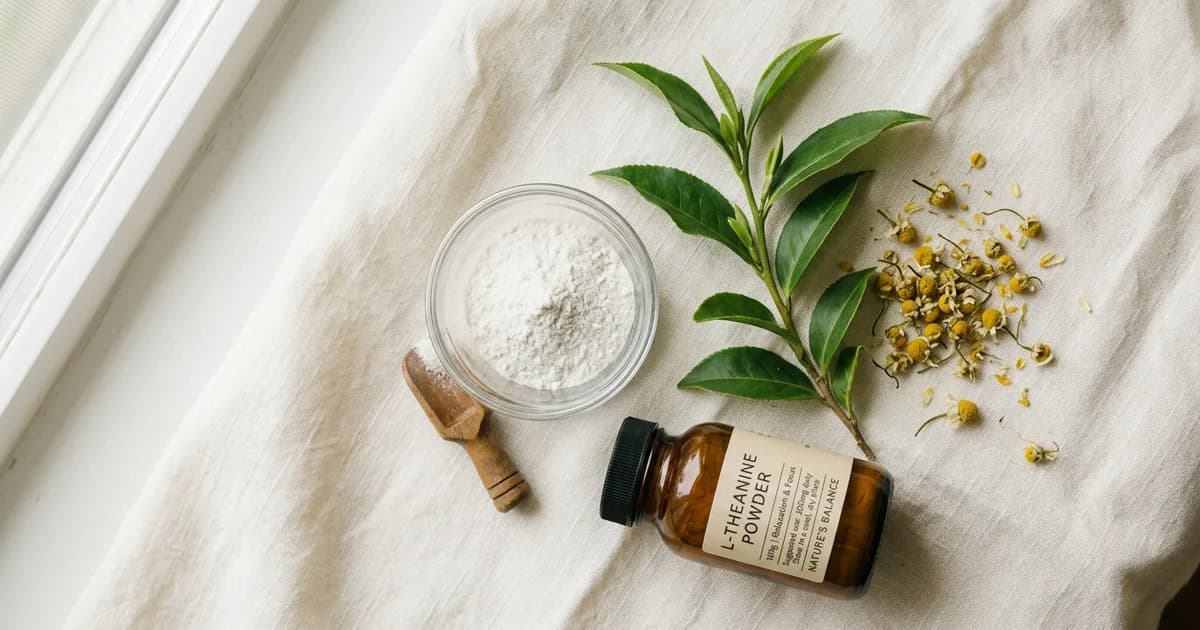
L-Theanine, which shows up in some of the better sleep stacks, does double duty here. Paired with caffeine at a dose comparable to a cup of coffee (~80 mg), it promotes calm, focused attention during the day rather than the anxious energy that high-caffeine products create. Theacrine and Methylliberine extend the duration of that focus without the diminishing returns you get from caffeine alone.
The sublingual format means the active ingredients hit your bloodstream in minutes, not the 30 to 60 minutes a capsule requires. And because the dose is calibrated for sustained performance rather than a single spike, you avoid the afternoon crash that sends most people reaching for a second (or third) coffee.
Apigenin is a genuinely interesting compound with real science behind it. If you're exploring it for nighttime relaxation, the research supports that direction. But if what you actually need is a sharper, more consistent day so that sleep comes naturally at night, exploring the best nootropics for sleep might offer more than another single-ingredient capsule. It might be a better approach to how you fuel your focus in the first place.
Frequently Asked Questions
What does apigenin actually do for sleep?
Apigenin binds to the benzodiazepine site on GABA-A receptors, the brain's main calming system. Rather than sedating you, it lowers the neural activity that keeps you alert, which supports an easier transition into rest. Research in animals shows anti-anxiety effects without the muscle relaxation or grogginess of prescription sedatives (Journal of Ethnopharmacology), and dietary apigenin intake correlates with better sleep quality in adults.
How much apigenin is in chamomile tea?
A standard cup of chamomile tea delivers only about 1.5 to 5 mg of apigenin, even though dried chamomile flowers contain up to 840 mg per 100 g. Most apigenin capsules provide 50 to 100 mg, so matching one capsule dose would take roughly 10 to 60 cups of tea. The tea still promotes a calming pre-sleep ritual, just at a much lower dose.
Is apigenin the same as a sleeping pill?
No. Benzodiazepines flood GABA-A receptors and force sedation, while apigenin nudges the same system more gently. Studies describe its effect as anxiolytic, meaning it eases anxiety-like activity, rather than sedative. It supports the conditions for sleep by quieting an overactive mind, but it will not switch you off the way a prescription hypnotic does, and it carries a different safety profile.
What is the bioavailability problem with apigenin supplements?
Isolated apigenin does not dissolve easily in water and has limited uptake in the intestine, so much of a capsule dose may never reach your bloodstream. Whole-food sources like chamomile and parsley package apigenin alongside compounds that aid absorption. Strip those away and the pure molecule becomes harder to absorb, a gap most supplement labels do not mention.
Is apigenin safe to take every night?
Apigenin has a long history of dietary exposure through chamomile, parsley, and celery, and animal studies report few side effects at relaxation-level doses. Human safety data on concentrated supplements is still limited, and chamomile can trigger reactions in people allergic to ragweed or related plants. Talk with a healthcare provider before adding any nightly supplement, especially if you take other medications.
Does apigenin do anything besides support sleep?
Beyond GABA-A activity, apigenin inhibits CD38, an enzyme that breaks down NAD+, a coenzyme tied to energy metabolism and cellular repair. A 2024 review linked preserved NAD+ to the metabolic conditions that allow restorative sleep. Early computational work also flags possible orexin-system effects. These pathways are promising in lab and animal models, though human confirmation is still needed.
Try Roon and see what sustained cognitive performance actually feels like.
By Roon Team