The Best Nootropics for Sleep in 2026
The Best Nootropics for Sleep in 2026
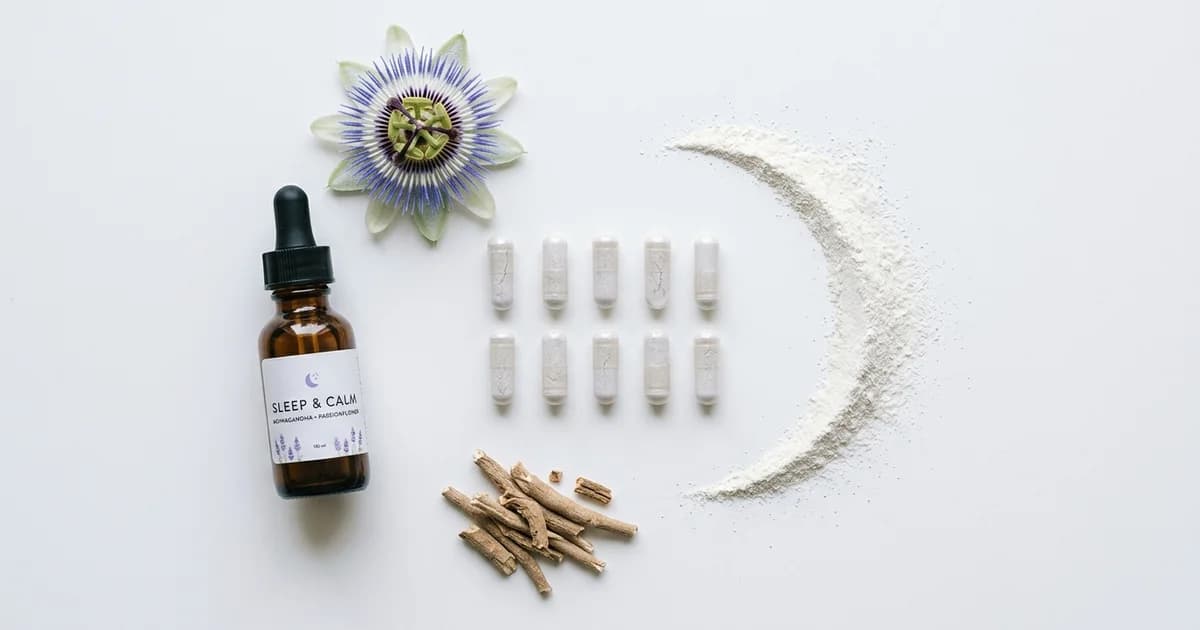
The best nootropics for sleep don't knock you out like a prescription sedative. You already know sleep matters. You've read the articles, downloaded the apps, bought the weighted blanket. And yet, you're still lying awake at 1 a.m. with a brain that won't shut up. The best nootropics for sleep work with your neurochemistry to help your brain actually wind down, so the sleep you get is deeper and more restorative.
This isn't a list of random herbs. Every compound here has real clinical data behind it. Some lower cortisol. Some boost GABA. Others drop your core body temperature, which is one of the strongest signals your brain uses to initiate sleep. If you're searching for the best nootropics for sleep, here's what's worth your money in 2026.
Key Takeaways:
- The best nootropics for sleep target specific mechanisms: GABA modulation, cortisol reduction, or thermoregulation.
- L-Theanine, magnesium glycinate, and glycine have the strongest clinical backing.
- Stacking two or three of these compounds tends to outperform any single one.
- Avoid anything marketed as a "sleep nootropic" that's really just melatonin in a fancy bottle.
1. L-Theanine: The Best Nootropics for Sleep Start Here
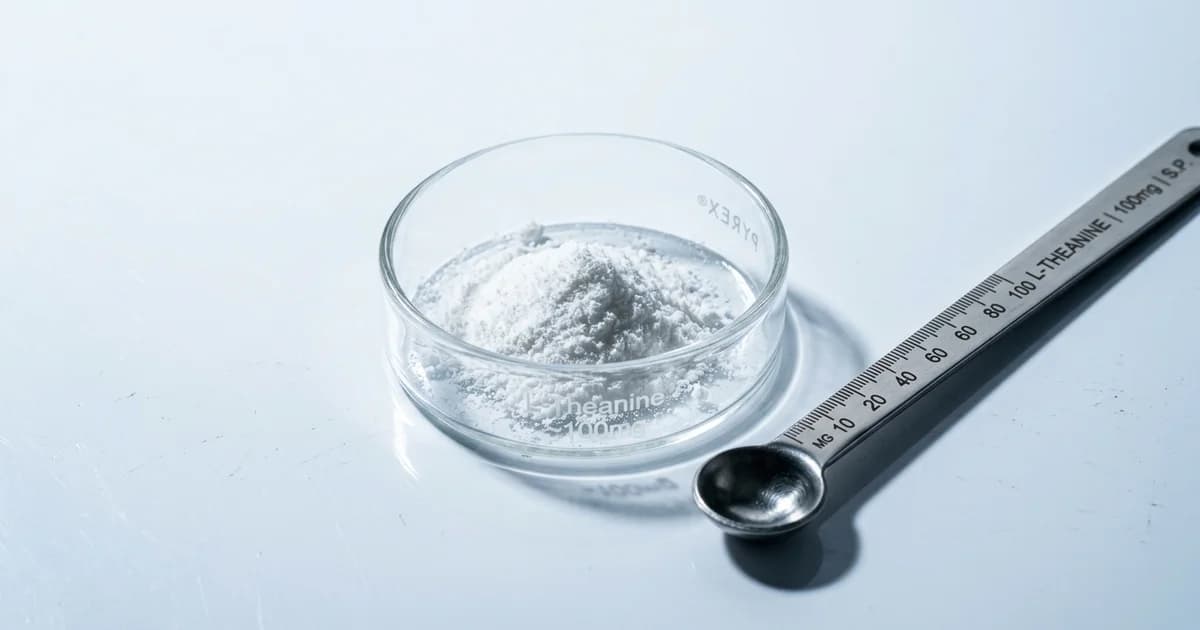
L-Theanine is an amino acid found naturally in tea leaves, and it's probably the single most versatile option among the best nootropics for sleep on this list. It doesn't sedate you. Instead, it promotes alpha brain wave activity, the same pattern your brain produces during calm, wakeful relaxation. That transition from "wired" to "relaxed" is exactly where most people get stuck at night.
A 2025 systematic review published in Nutritional Neuroscience confirmed that L-theanine supplementation helps aid relaxation without causing sedation or impairing cognitive function. And a meta-analysis on ScienceDirect found that L-theanine improved subjective sleep onset latency and reduced daytime dysfunction across 10 studies.
The effective dose in most trials sits between 200mg and 400mg, taken 30 to 60 minutes before bed. At higher doses (up to 900mg/day in some trials), the effects on sleep quality were even more pronounced with few adverse events reported.
What makes L-Theanine especially useful as one of the best nootropics for sleep: it pairs well with almost everything else on this list. It's the foundation of a good sleep stack.
2. Magnesium Glycinate: A Top Pick Among the Best Nootropics for Sleep
Magnesium is involved in over 300 enzymatic reactions in your body, and a good chunk of those relate to nervous system regulation. The problem? Most adults don't get enough from diet alone, which is why magnesium glycinate consistently ranks among the best nootropics for sleep.
A meta-analysis published in BMC Complementary Medicine and Therapies found that magnesium supplementation reduced sleep onset latency by an average of 17.36 minutes compared to placebo in older adults. That's not trivial if you're someone who spends 45 minutes staring at the ceiling every night.
A 2025 randomized, placebo-controlled trial on PMC also showed that magnesium bisglycinate supplementation improved sleep efficiency in healthy adults who reported poor sleep. The glycinate form matters here. Magnesium oxide, the cheap stuff in most drugstore supplements, has poor bioavailability and is more likely to send you to the bathroom than to sleep.
Recommended dose: 200mg to 400mg of elemental magnesium (as glycinate or bisglycinate), taken with dinner or before bed.
3. Apigenin: The Chamomile Compound, Isolated
You've probably heard that chamomile tea helps you sleep. That's not folklore. The active compound responsible is apigenin, a flavonoid that binds to GABA-A receptors in the brain, producing a calming, mildly sedative effect. Its mechanism of action is why apigenin appears on many lists of the best nootropics for sleep.
According to research published on PMC, apigenin demonstrated GABAergic activity in animal models and induced sedative effects in mice and rats. The same review noted that apigenin positively impacts both sleep and longevity markers. Human clinical data is still catching up to the preclinical work, but the mechanism is well understood and the safety profile is strong.
The reason apigenin has gained so much traction in the nootropics community is dosing. A cup of chamomile tea contains roughly 3 to 10mg of apigenin. Supplemental doses typically range from 50mg to 100mg, which is far more than you'd get from tea alone. That concentrated dose is where the real sleep benefits show up.
4. Glycine: The Amino Acid That Cools You Down
Your body needs to drop its core temperature by about 1 to 2 degrees Fahrenheit to initiate sleep. Glycine accelerates that process, earning it a spot among the best nootropics for sleep through a mechanism most people overlook.
Research from the Frontiers in Neuroscience journal on PMC showed that glycine at a dose of 3g per day before bedtime improved subjective sleep quality and reduced daytime sleepiness and fatigue. The mechanism involves NMDA receptors in the suprachiasmatic nucleus, your brain's master clock.
A separate study on PMC found that glycine improved next-day cognitive performance in sleep-restricted volunteers. So it's not just about falling asleep. It's about waking up sharper.
Glycine is cheap, well-tolerated, and mixes easily into water. At 3g per night, it's one of the highest-value entries on any list of the best nootropics for sleep.
5. Ashwagandha (KSM-66 or Shoden): The Cortisol Brake
If your sleep problem is stress-driven (and for most people, it is), ashwagandha targets the root cause. This adaptogenic herb lowers cortisol, the hormone that keeps your nervous system in fight-or-flight mode when you should be winding down. For stress-related insomnia, ashwagandha belongs in any conversation about the best nootropics for sleep.
A randomized, double-blind, placebo-controlled trial on PubMed gave 150 healthy adults 120mg of standardized ashwagandha extract (Shoden) daily for six weeks. The result: improved overall sleep quality by reducing non-restorative sleep.
A meta-analysis published in PLOS ONE analyzing five RCTs with 400 participants found that ashwagandha produced a measurable effect on overall sleep, with a standardized mean difference of -0.59 (p < 0.05).
The two clinically validated forms are KSM-66 and Shoden. Generic ashwagandha powder from bulk suppliers often lacks the withanolide concentration needed to produce these effects. Check the label.
6. Taurine: The Quiet Performer
Taurine doesn't get the attention it deserves, but it rounds out any discussion of the best nootropics for sleep. This amino acid acts as a mild GABA agonist, calming neural excitability without the grogginess associated with stronger GABAergic compounds like benzodiazepines.
It also supports magnesium retention in cells, which creates a useful feedback loop when you stack the two together. Taurine's calming effect on the central nervous system makes it a solid addition to any nighttime nootropic protocol, especially for people who feel physically tense or restless at bedtime.
Recommended dose: 1g to 3g, taken in the evening.
How to Build a Stack Using the Best Nootropics for Sleep
Individual compounds work. Combinations work better. Here's a practical framework for combining the best nootropics for sleep into a single protocol:
| Compound | Dose | Primary Mechanism | Best For |
|---|---|---|---|
| L-Theanine | 200–400mg | Alpha wave promotion | Racing thoughts |
| Magnesium Glycinate | 200–400mg | Nervous system regulation | Tension, restlessness |
| Apigenin | 50–100mg | GABA-A receptor binding | General calming |
| Glycine | 3g | Core temperature reduction | Trouble falling asleep |
| Ashwagandha | 120–600mg | Cortisol reduction | Stress-driven insomnia |
| Taurine | 1–3g | GABA modulation | Physical restlessness |
You don't need all six. Pick two or three based on your specific sleep issue. If your mind races, start with an L-Theanine and magnesium stack. If you run hot or can't fall asleep, glycine is your first move. If stress is the bottleneck, ashwagandha plus L-Theanine covers both sides, and pairing this protocol with the best nootropics for anxiety can address daytime tension at its source. The best nootropics for sleep are the ones matched to your specific problem.
What to Avoid in Sleep Nootropics
Melatonin dependency. Melatonin is a hormone, not a nootropic. Low doses (0.3mg to 0.5mg) can help with jet lag or circadian rhythm shifts, but the 5mg and 10mg doses sold at every pharmacy are wildly supraphysiological. Long-term use at those doses can suppress your body's own melatonin production and leave you worse off than where you started. The best nootropics for sleep work with your biology, not against it.
Proprietary blends with hidden doses. If a product lists "Sleep Blend: 500mg" and includes six ingredients without individual dosing, you have no idea if you're getting a clinical dose of anything. Transparency matters, especially if you're trying to find the best nootropics for sleep backed by real evidence.
Anything with diphenhydramine (Benadryl). It's an antihistamine, not a sleep aid. It reduces sleep quality, impairs memory consolidation, and has been linked to increased dementia risk with chronic use. Hard pass.
The Best Nootropics for Sleep, Simplified
Building a sleep stack from individual ingredients works, but it takes research, sourcing, and a nightstand that looks like a pharmacy shelf. That's the friction most people hit. Still, the best nootropics for sleep are worth the effort if you're serious about recovery and cognitive performance.
Roon takes the same evidence-first approach to daytime cognitive performance. Roon's nootropic pouches are a zero-nicotine sublingual pouch built on a stack of Caffeine (80mg), L-Theanine, Theacrine, and Methylliberine, designed for 6 to 8 hours of sustained focus without the jitter-crash cycle of coffee or energy drinks. No tolerance buildup. No guesswork on dosing.
If you're optimizing your nights with the best nootropics for sleep, your days deserve the same precision. Check out Roon here.