Snus vs Zyn: Which Oral Nicotine Wins

Snus vs Zyn: Which Oral Nicotine Wins (and the Zero-Nicotine Third Option Nobody Compares)
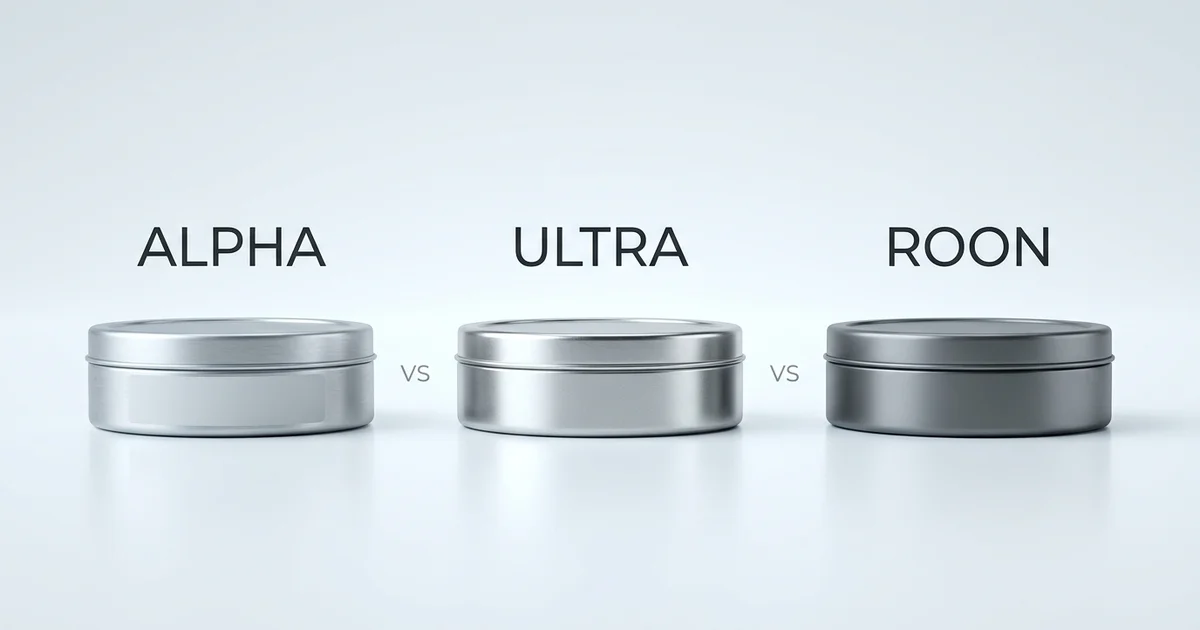
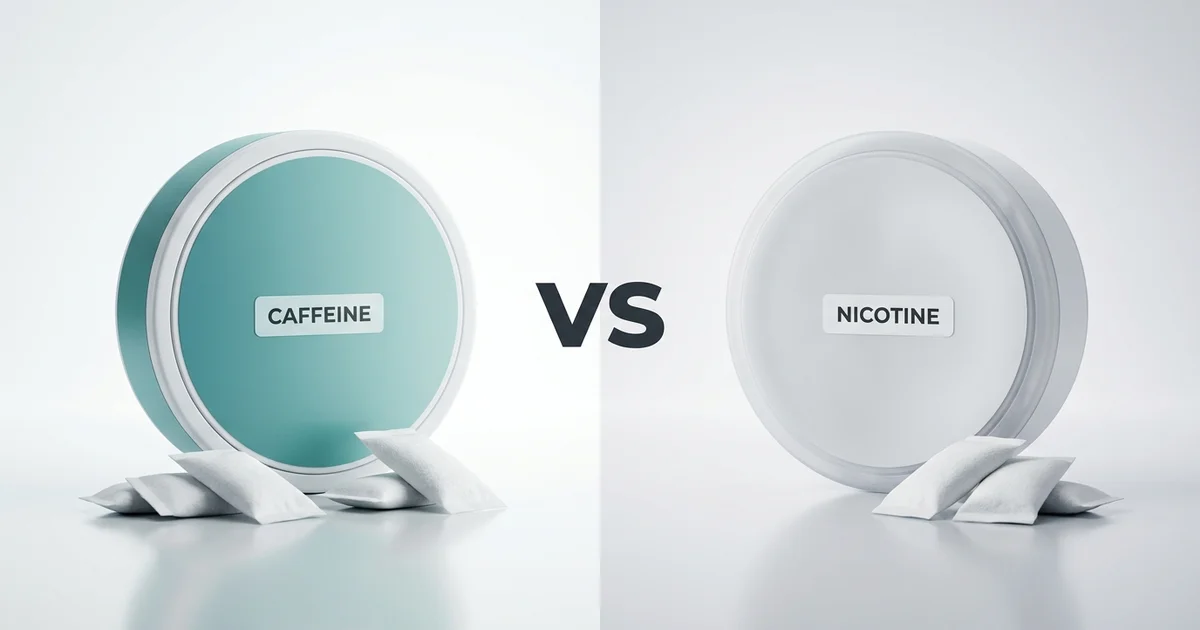
If you are choosing between snus vs Zyn, here is the short version: snus is a Swedish smokeless tobacco product delivering roughly 8 to 45 mg of nicotine per portion from shredded tobacco leaf, while Zyn is a tobacco-free pouch delivering 3 to 6 mg of refined nicotine in the United States. Snus carries tobacco-specific nitrosamines (TSNAs); Zyn carries far fewer because it has no leaf. Both are addictive. There is also a third lane most comparisons ignore entirely: a zero-nicotine caffeine pouch that keeps the under-the-lip ritual without the dependency.
That last option matters because plenty of people reach for an oral pouch for the focus and the habit, not the nicotine. This article compares all three honestly, with primary-source data on dose, onset, and carcinogen load.
Key Takeaways
- Snus is tobacco-derived (8 to 45 mg nicotine per portion) and contains measurable TSNAs from leaf curing.
- Zyn is tobacco-free (1.5 to 8 mg in the standard U.S. line), with negligible TSNAs, but it became available only recently and lacks long-term safety data.
- Both are addictive. Nicotine pouches reach peak blood levels slower than cigarettes, with a time-to-peak of roughly 20 to 65 minutes.
- The zero-nicotine third option (a caffeine pouch like Roon) keeps the lip ritual and the focus without introducing a nicotine dependency.
Snus vs Zyn: The Full Comparison Table
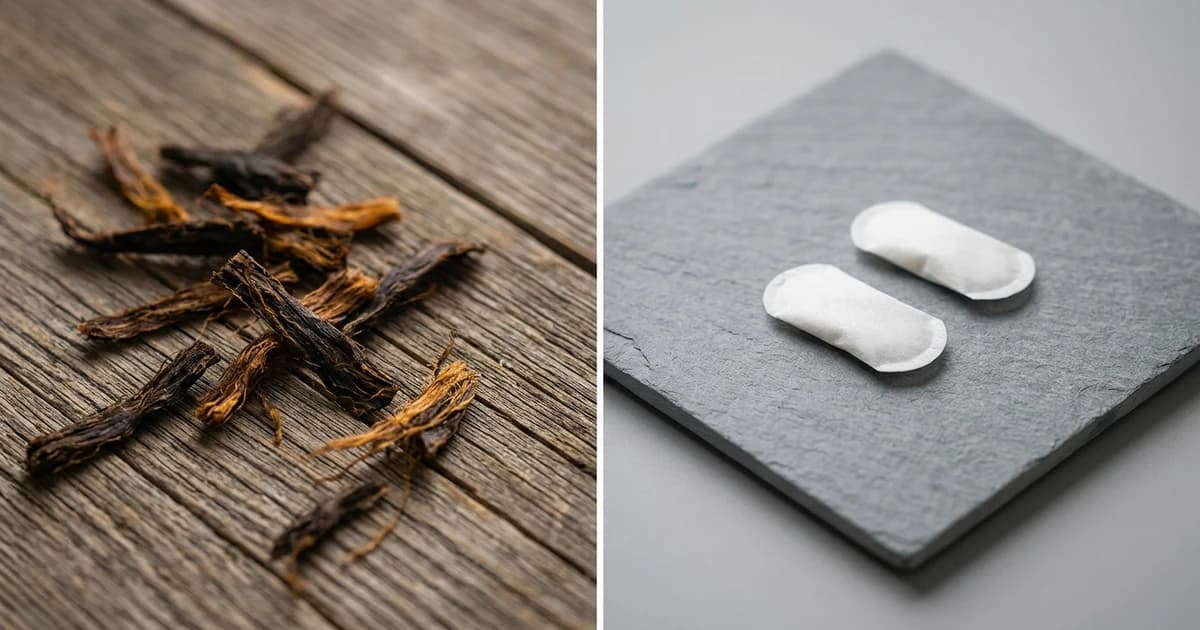
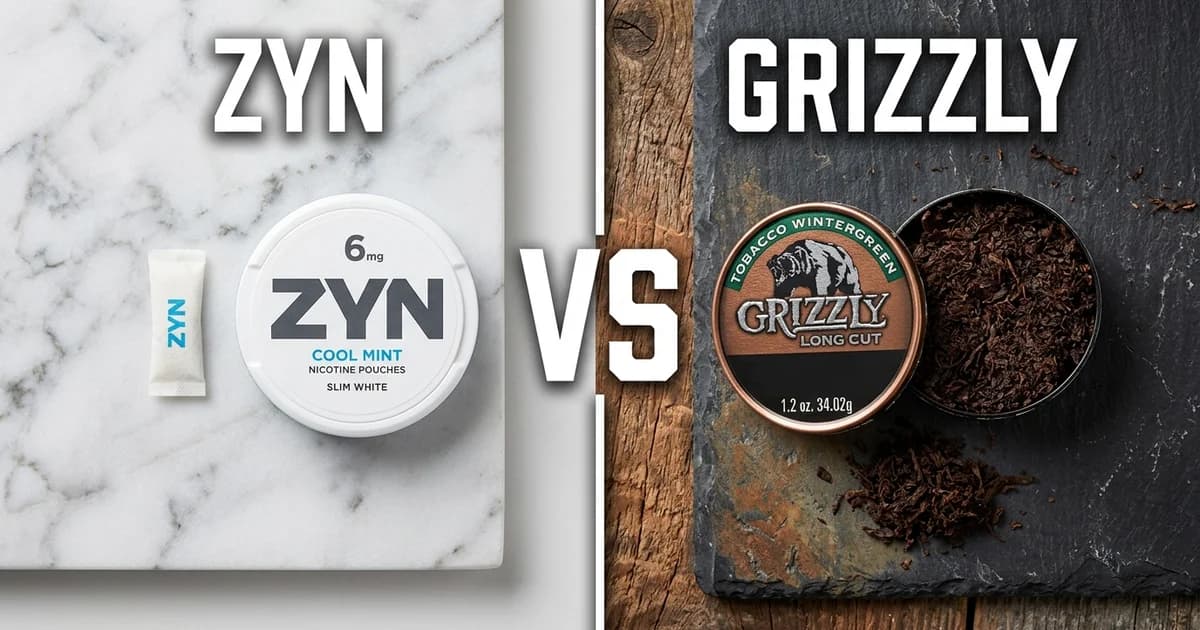
The headline difference between snus and Zyn is tobacco. Snus is made from real tobacco leaf and is classified as smokeless tobacco; Zyn uses a nicotine powder and is not. That single fact drives nearly everything that follows, from carcinogen content to regulatory status.
| Product | Tobacco-derived? | Nicotine per pouch (mg) | Onset | TSNAs / carcinogens | Format & moisture | Flavors | Price per pouch | Zero-nicotine option? |
|---|---|---|---|---|---|---|---|---|
| Snus | Yes (shredded leaf) | ~8 to 45 mg | Peak ~20 to 65 min | Measurable TSNAs from leaf curing | Moist sachet, upper lip | Mint, bergamot, licorice, tobacco | ~$0.25 to $0.40 | No |
| Zyn | No (nicotine powder) | 3 or 6 mg (U.S.) | Peak ~20 to 65 min | Negligible / near detection limits | Dry to semi-dry pouch | Cool Mint, Citrus, Coffee, etc. | ~$0.30 to $0.50 | No |
| Roon | No | 0 mg nicotine | Caffeine onset ~10 to 30 min | None (no tobacco, no nicotine) | Dry-feel sublingual pouch | Cool Mint | Premium tier | Yes (the entire product) |
Roon is not a nicotine product and does not belong in the same harm category. It appears here because it answers a question the snus-versus-Zyn debate never does: what if you want the pouch ritual minus the addictive compound? Each Roon pouch holds 80 mg caffeine, 60 mg L-theanine, 25 mg methylliberine (Dynamine), and 5 mg theacrine (TeaCrine), and zero nicotine.
Snus Delivers More Nicotine, and More Carcinogens
Snus hits harder and carries a heavier chemical load because it is real tobacco. Typical portions run from about 8 to 11 mg of nicotine, with strong and ultra-strong lines climbing toward 40 mg or more. The strength you feel depends partly on pH: manufacturers raise alkalinity to free more nicotine, so two pouches with the same milligram rating can feel very different.
The tradeoff is carcinogen exposure. Because snus is cured tobacco leaf, it contains tobacco-specific nitrosamines (TSNAs) like NNN and NNK, compounds formed during curing. Modern Swedish snus is manufactured to keep these low, and the epidemiology is genuinely encouraging. A 2019 harm-reduction review noted that WHO data placed Sweden with the lowest tobacco-related mortality and the lowest male lung cancer incidence in Europe, an outcome widely attributed to snus displacing cigarettes.
That is a real public-health signal. It does not make snus harmless. It makes snus less harmful than smoking, which is a different and much lower bar.
Zyn Is Cleaner on Carcinogens, but the Long-Term Data Is Thin
Zyn wins the carcinogen comparison because it has no tobacco leaf to cure. Since the pouch uses refined nicotine rather than shredded leaf, its TSNA content sits at or near analytical detection limits in independent testing, far below snus or cigarettes.
Zyn is also the more regulated product in the U.S. Now. In January 2025, Zyn became the first nicotine pouch authorized for marketing by the FDA through the Premarket Tobacco Product Authorization pathway. In the United States, Zyn was authorized in 3 and 6 mg strengths, a fraction of strong snus.
Here is the honest caveat. Nicotine pouches only became available in the U.S. In 2014, so the long-term effects remain unknown. Cleveland Clinic notes that nicotine harms developing brains, raises addiction risk, and that possible long-term effects under study include throat, mouth, or pancreatic cancer if nicotine is swallowed. Lower carcinogens than snus is real. A clean long-term bill of health is not yet established.
Onset: Both Are Slower Than Cigarettes, Neither Is Instant
Forget the marketing language about a fast hit. The pharmacology says oral pouches release nicotine on a slow curve. A 2025 systematic review and meta-analysis found that nicotine pouches and moist smokeless tobacco reached peak blood nicotine (Tmax) between roughly 20 and 65 minutes, while cigarettes peaked in about 5 to 8 minutes.
The same review found that 4 mg nicotine pouches reached only about 69% of the peak concentration of cigarettes, even when total nicotine exposure over time was similar. Translation: a pouch is a slow drip, not a spike. That is part of why both snus and Zyn feel steadier than a cigarette, and also part of why users keep one in for long stretches.
Honest Pros and Cons
Snus
Pros: Strong, satisfying nicotine delivery; decades of Swedish real-world epidemiology; substantially less harmful than smoking; lower TSNAs than American chewing tobacco.
Cons: Contains tobacco and measurable TSNAs; high addiction potential; associated with gum recession and tooth discoloration; banned for sale in much of the EU outside Sweden.
Zyn
Pros: Tobacco-free with negligible TSNAs; FDA marketing authorization; discreet and low-mess; predictable low-to-moderate doses (3 to 6 mg).
Cons: Still nicotine, still addictive; no long-term safety data; can cause mouth irritation and stomach upset; nicotine remains harmful to adolescents and during pregnancy.
Roon (the zero-nicotine option)
Pros: No nicotine, no tobacco, no TSNAs, no nicotine dependency; keeps the under-the-lip ritual; caffeine plus L-theanine for focus support.
Cons: Not a nicotine product, so it will not satisfy a nicotine craving; contains caffeine, so it is not for people avoiding stimulants; one flavor (Cool Mint).
Which One Actually Wins?
If the contest is strictly snus versus Zyn on harm profile, Zyn wins on carcinogens and snus wins on the depth of its long-term evidence base. For a current smoker seeking a less harmful tobacco product, snus has decades of Swedish data behind it. For someone who wants tobacco-free nicotine at a lower, more predictable dose, Zyn is the cleaner pick.
But the framing itself is the trap. Both products start or sustain a nicotine dependency. If your actual goal is focus, a hand-to-mouth habit, or the calming ritual of a pouch under your lip, neither product is required. That is the gap the third lane fills.
Conclusion
Snus and Zyn are not equivalent products dressed in different tins. Snus is tobacco, stronger and richer in nicotine, with measurable nitrosamines but a remarkable Swedish track record of displacing cigarettes. Zyn is tobacco-free, lower in dose, cleaner on carcinogens, and newly FDA-authorized, but young enough that nobody can yet vouch for its long-term safety. Both are addictive, and both peak far slower than a cigarette.
The smartest question is not which one wins. It is what you actually want from the pouch. If the answer is a steady focus and the ritual rather than the nicotine itself, the entire snus-versus-Zyn debate is the wrong menu.
Frequently Asked Questions
When to See a Doctor
If you use nicotine and want to stop, or you have concerns about dependence, talk to a healthcare provider about FDA-approved cessation options. This article does not replace personalized medical guidance.
Is snus stronger than Zyn?
Yes, considerably. A standard snus portion holds roughly 8 to 11 mg of nicotine, and strong lines can exceed 40 mg. In the U.S., standard Zyn is sold in 1.5 to 8 mg strengths, and ZYN Ultra in 9 and 11 mg. Snus also uses real tobacco leaf, while Zyn uses a refined nicotine powder, which contributes to the difference in both intensity and chemical content.
Does Zyn contain tobacco?
No. Zyn is tobacco-free and uses a nicotine powder rather than shredded leaf, which is why it is not classified as smokeless tobacco the way snus is. That distinction is the main reason Zyn's tobacco-specific nitrosamine content sits near analytical detection limits, far below tobacco-based products like snus or chewing tobacco.
Is snus or Zyn safer?
Zyn carries fewer carcinogens because it has no tobacco leaf to cure. However, snus has decades of Swedish epidemiology behind it, while nicotine pouches only reached the U.S. In 2014 and lack long-term data. Both are addictive. "Safer than smoking" is a low bar, and neither product is risk-free, especially for young people and during pregnancy.
How fast do nicotine pouches work?
Slower than cigarettes. A 2025 meta-analysis found nicotine pouches reach peak blood nicotine in roughly 20 to 65 minutes, compared with about 5 to 8 minutes for cigarettes. The release is a slow curve rather than a spike, which is why users often keep a pouch in for extended periods and report a steadier feeling than smoking.
Are there zero-nicotine pouches?
Yes. Caffeine-based pouches deliver the under-the-lip format and a focus boost with no nicotine and no tobacco. Roon, for example, contains 80 mg caffeine, 60 mg L-theanine, 25 mg methylliberine, and 5 mg theacrine, and zero nicotine. These pouches will not satisfy a nicotine craving, but they keep the ritual for people who never wanted the nicotine in the first place.
Is snus legal in the United States?
Yes, snus is legal to sell in the U.S. As a smokeless tobacco product, subject to FDA regulation and age restrictions. It is far less common here than in Sweden and Norway. Note that snus sales are banned across most of the European Union outside Sweden, which negotiated an exemption when it joined.
The Pouch Ritual Without the Nicotine Question
This whole comparison rests on one assumption: that you want nicotine. Plenty of people do not. They want the focus, the discreet pouch, and the small ritual of placing something under the lip during a deep work block. For them, weighing snus against Zyn is like comparing two brands of a thing they never needed.
That is the lane Roon was built for. It is a zero-nicotine, zero-tobacco sublingual pouch with 80 mg caffeine, 60 mg L-theanine, 25 mg Dynamine, and 5 mg TeaCrine, designed to support sustained focus across a long work session. It is not a nicotine product, not a cessation device, and not a substitute for medical advice on quitting. It contains caffeine, so it is not for people avoiding stimulants.
If your reason for reaching for a pouch was always the focus and the ritual rather than the nicotine, Roon gives you those without starting a dependency. Try it for the next demanding stretch of work and see whether the nicotine was ever the point.
This article is for informational purposes only and is not medical advice.
By Roon Team