Recovery From Burnout: What Your Brain Actually Needs to Heal
Roon Team

Recovery From Burnout: What Your Brain Actually Needs to Heal
Your ability to think clearly, remember details, and make good decisions didn't just "get worse." If you're reading this, there's a good chance recovery from burnout is something you've been Googling between meetings, trying to figure out why your brain feels like it's running on dial-up. The fog is real. And it has a biological explanation.
The World Health Organization classifies burnout as an occupational phenomenon resulting from chronic workplace stress that hasn't been successfully managed. It's not a personality flaw. It's not laziness. And it's not something you can fix with a long weekend.
Here's what the science actually says about how burnout damages your brain, how recovery from burnout works on a biological level, and what you can do about it starting today.
Key Takeaways
- Burnout physically changes your brain, thinning the prefrontal cortex and enlarging the amygdala, which impairs focus and amplifies emotional reactivity.
- Recovery from burnout takes three months to a year on average, depending on severity and the strategies you use.
- Sleep, exercise, and stress management are non-negotiable. They're the only interventions with consistent evidence behind them.
- Stimulant overuse during burnout makes things worse. Sustainable cognitive support matters more than another cup of coffee.
What Burnout Actually Does to Your Brain
Burnout isn't just feeling tired. It's a measurable neurological state, and understanding the damage is the first step in recovery from burnout.
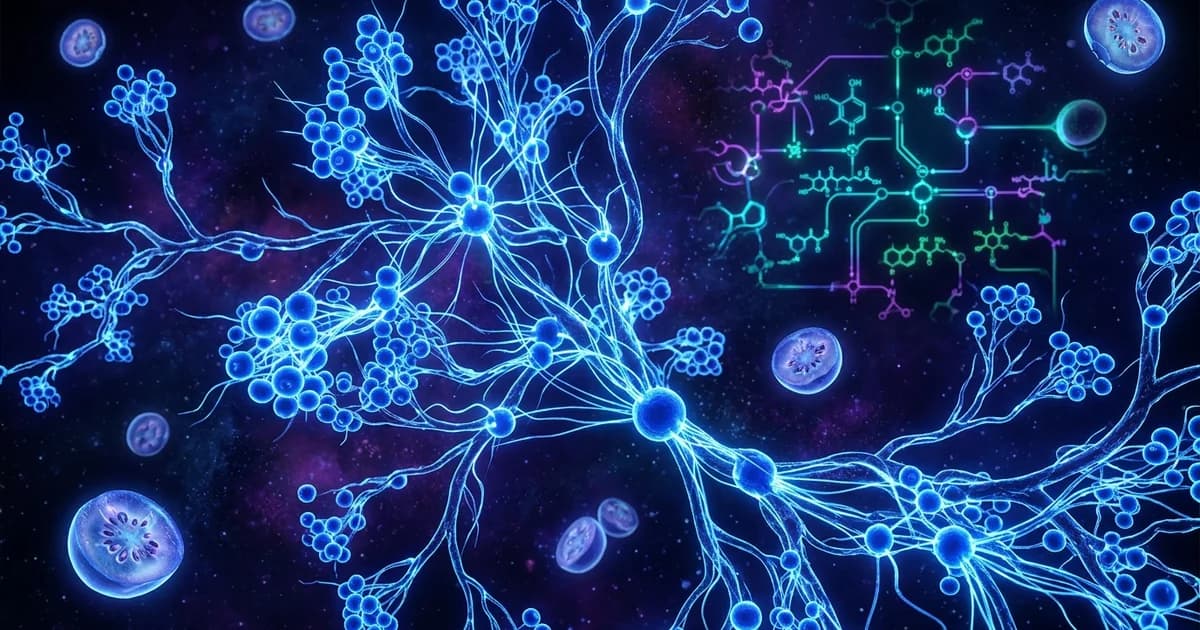
A 2025 review published in PMC analyzed 17 MRI studies and found a consistent pattern: people with burnout show amygdala enlargement (especially in women) and grey-matter loss in the dorsolateral and ventromedial prefrontal cortex. The prefrontal cortex handles executive function, planning, and impulse control. The amygdala governs your threat response. When one shrinks and the other grows, you get a brain that's simultaneously worse at thinking and better at panicking.
According to the Association for Psychological Science, the frontal cortex naturally thins with age, but burnout patients show more pronounced thinning in the medial prefrontal cortex compared to controls. That same research found weaker connectivity between the amygdala and the mPFC in overworked subjects, which helps explain why burned-out people struggle with emotional regulation. These structural changes are why recovery from burnout can't be rushed.
Then there's cortisol. Your stress hormone. Under normal conditions, cortisol spikes when you face a threat and returns to baseline once the threat passes. BrainPost's summary of the neuroscience explains that in chronic stress conditions like burnout, the body can't bring cortisol back to baseline. Over time, this leads to a state called hypocortisolism, where cortisol production drops to abnormally low levels. That sounds like it might be a good thing. It isn't. Low cortisol is linked to fatigue, brain fog, and an inability to mount a normal stress response.
This is why you can sleep eight hours and still feel exhausted. Your neuroendocrine system is dysregulated, and real recovery from burnout means giving that system time to recalibrate.
How Long Does Recovery From Burnout Actually Take?
There's no universal answer, but the clinical data points to a range.
According to iPractice, the average recovery time is three months to one year. Verve Behavioral Health breaks it down further: mild cases may improve within a few weeks with proper rest and self-care, moderate burnout takes several months, and severe burnout can require six months or more of dedicated effort, including professional support.
A study published in Biological Psychology tracked cognitive performance and cortisol levels in clinical burnout patients over 1.5 years. The title tells you everything: "Getting better, but not well." Even after a year and a half, some cognitive deficits persisted.
The takeaway: recovery from burnout is real, but it's not fast. And the longer you push through burnout without addressing it, the longer the road back.
The Three Stages of Recovery From Burnout
Recovery doesn't happen in a straight line. It tends to follow a rough pattern:
-
The Crash. You finally stop. The exhaustion you've been outrunning catches up. This phase feels worse than the burnout itself because you're no longer running on adrenaline. Sleep increases. Motivation drops to zero. This is normal, and it's the necessary first stage of recovery from burnout.
-
The Rebuild. Slowly, your baseline shifts. Sleep quality improves. You start having moments of clarity between the fog. Energy returns in waves, not as a constant. This is where most of the biological repair happens, as cortisol regulation normalizes and neural connectivity begins to restore.
-
The New Normal. You feel functional again, but different. Most people who've completed recovery from burnout report a permanent shift in how they relate to work and stress. They set harder boundaries. They notice warning signs earlier. The scar tissue becomes a sensor.
The Evidence-Based Recovery From Burnout Playbook
Not every burnout recovery strategy has equal evidence behind it. Here's what the research actually supports.
Sleep: The Single Most Important Factor in Recovery From Burnout
This isn't optional. A study indexed in PubMed on sleep physiology in burnout recovery found that recovery was accompanied by improved sleep continuity, with measurable improvements in sleep fragmentation, sleep latency, and sleep efficiency.
The problem is that burnout often destroys your sleep architecture before you realize it. You might be sleeping seven or eight hours but spending too much time in light sleep and not enough in deep or REM stages. Prioritize sleep hygiene with an almost religious intensity: consistent wake times, no screens in the last hour before bed, cool room, dark room. Without quality sleep, recovery from burnout stalls.
Exercise: The Fastest Cortisol Reset
A systematic review published in ScienceDirect found consistent evidence that physical activity reduces psychological stress (100% of randomized controlled trials showed this effect) and improves sleep quality (75% of RCTs). These are the two biggest pillars of recovery from burnout, and exercise hits both of them.
You don't need to train for a marathon. Thirty minutes of moderate movement, walking, cycling, swimming, done consistently, is enough to shift your cortisol curve and improve sleep quality within weeks.
Boundary Setting: The Structural Fix
Recovery from burnout doesn't stick if you return to the same conditions that caused the burnout. This is the part people skip because it's uncomfortable. It means saying no to projects. It means leaving work at a set time. It might mean having a difficult conversation with your manager or, in some cases, changing jobs entirely.
The WHO definition of burnout explicitly frames it as chronic workplace stress that hasn't been successfully managed. The emphasis on "managed" matters. Recovery from burnout requires changing the input, not just treating the output.
Professional Support: Know When to Get Help
Burnout and clinical depression share overlapping symptoms: fatigue, cognitive impairment, loss of motivation, sleep disruption. If self-directed recovery from burnout strategies aren't working after several weeks, or if you're experiencing hopelessness or thoughts of self-harm, talk to a licensed professional. A therapist who specializes in occupational stress can help you distinguish between burnout and depression, which require different treatment approaches.
What Makes Recovery From Burnout Harder (That People Do Anyway)
A few common "recovery" strategies actually slow healing down.
| Strategy | Why People Try It | Why It Backfires |
|---|---|---|
| Caffeine escalation | Compensates for fatigue | Spikes cortisol, fragments sleep, creates dependency |
| "Pushing through" | Feels productive | Extends the burnout timeline by months |
| Alcohol to unwind | Temporary relaxation | Destroys sleep architecture, worsens anxiety |
| Vacation without behavior change | Brief relief | Burnout returns within days of going back to work |
The caffeine trap deserves special attention. When you're burned out, your instinct is to drink more coffee to compensate for the cognitive decline. But high-dose caffeine spikes cortisol, the exact hormone your body is already struggling to regulate. It fragments your sleep, which is the single most important factor in recovery from burnout. And it creates a cycle: worse sleep leads to more fatigue, which leads to more caffeine, which leads to worse sleep.
The goal isn't zero stimulation. It's sustainable stimulation.
The Scale of the Problem
This isn't a niche issue. Eagle Hill Consulting's 2025 research found that 55% of U.S. workers report experiencing burnout. According to Teamout's compilation of burnout statistics, 66% of employees hit an all-time burnout high in 2025 per a Modern Health study published by Forbes. Globally, 25% of employees report burnout symptoms.
These aren't fringe numbers. This is the majority of the workforce operating with compromised prefrontal cortices, dysregulated stress hormones, and impaired decision-making. The economic and human cost is staggering, and it makes recovery from burnout a public health priority, not just a personal one.
Building a Sustainable Cognitive Routine After Recovery From Burnout
Once you're through the worst of it, the question becomes: how do you perform at a high level without sliding back?
The answer is building a routine that supports cognitive function without taxing the systems that burnout already damaged. That means:
- Consistent sleep schedule (non-negotiable, even on weekends)
- Daily movement (30+ minutes of moderate exercise)
- Caffeine management (lower doses, no late-day consumption)
- Stress check-ins (weekly self-assessment of your warning signs)
The caffeine piece is where most people get recovery from burnout wrong. They go back to their old habits: 300-400mg of coffee spread across the day, energy drinks in the afternoon, a cycle of spikes and crashes that mimics the stress pattern their brain just healed from.
A smarter approach is lower-dose, sustained cognitive support. A study published in Nutritional Neuroscience found that 40mg of caffeine combined with 97mg of L-theanine improved focus and attention in young adults without the jitter and crash profile of higher caffeine doses. Separately, a randomized controlled trial in PMC found that L-theanine increased alpha brain wave activity and reduced salivary cortisol following a stress protocol. That's the opposite of what high-dose caffeine does, and exactly what someone in recovery from burnout needs.
This is the principle behind Roon, a sublingual cognitive performance pouch that combines 80mg of caffeine with L-theanine, theacrine, and methylliberine. No nicotine. No sugar. No crash. It's designed for exactly the kind of sustained cognitive support that makes sense after recovery from burnout, or as part of a routine that helps prevent it in the first place.
Sustainable performance, not stimulant crashes. That's the goal for lasting recovery from burnout, and it's the only approach that works long-term.