Nicotine Withdrawal Insomnia: Why Quitting Wrecks Your Sleep
Roon Team
Nicotine Withdrawal Insomnia: Why Quitting Wrecks Your Sleep (and How to Fix It)
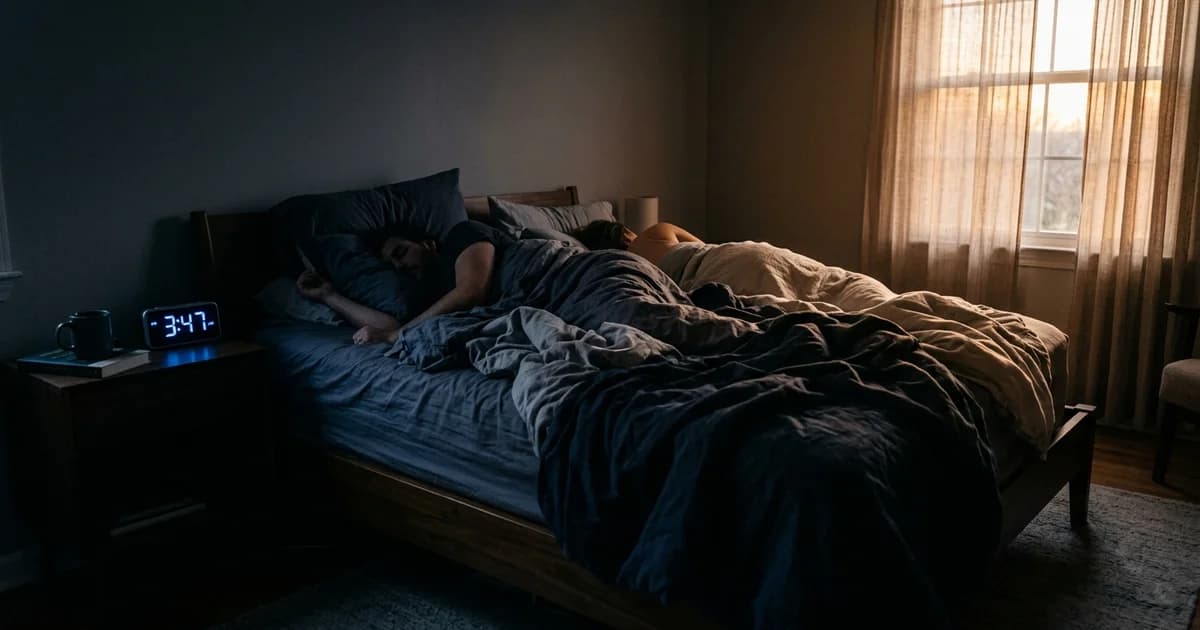
You quit nicotine expecting to feel better. Instead, you're staring at the ceiling at 2 a.m., wired and exhausted at the same time. Nicotine withdrawal insomnia is one of the most common and least talked-about symptoms of quitting, and it's a major reason people relapse in the first few weeks.
A review published in Nicotine & Tobacco Research found that up to 42% of abstinent smokers report insomnia as a withdrawal symptom. That number climbs when you factor in the roughly 80% of smokers who already deal with some form of sleep disruption before they even try to quit.
This article breaks down exactly why nicotine withdrawal insomnia destroys your sleep, how long it lasts, what other symptoms ride along with it, and what actually works to get through it.
Key Takeaways
- Nicotine withdrawal insomnia typically peaks in the first 1 to 2 weeks after quitting and can persist for several weeks.
- Sleep disruption during withdrawal is driven by real neurochemical changes, not just stress or habit.
- Other symptoms like dizziness, night sweats, and restlessness often compound the nicotine withdrawal insomnia problem.
- Managing sleep during withdrawal is one of the strongest predictors of whether a quit attempt succeeds.
What Happens to Your Brain When Nicotine Withdrawal Insomnia Begins
Nicotine binds to nicotinic acetylcholine receptors (nAChRs) in the brain. These receptors influence the release of dopamine, norepinephrine, serotonin, and GABA, all of which play direct roles in regulating your sleep-wake cycle. According to a narrative review in PMC, nicotine activates the most prevalent receptor subtypes in the human brain, including α4β2 and α7 receptors, triggering a cascade of neurotransmitter activity.
When you remove nicotine from the equation, those receptors don't just go quiet. They protest. Your brain has upregulated the number of nicotinic receptors in response to chronic exposure, and now there's nothing binding to them. The result is a temporary neurochemical imbalance that disrupts everything from mood to appetite to sleep architecture, which is exactly why nicotine withdrawal insomnia hits so hard.
This is why nicotine withdrawal insomnia feels different from normal sleeplessness. It's not just that you can't fall asleep. You may fall asleep fine but wake up repeatedly, spend less time in deep sleep stages, or feel completely unrested despite logging enough hours.
When You Quit Vaping, What Happens to Your Sleep?
The experience is largely the same whether you're quitting cigarettes, pouches, or vapes. But vapers often face a steeper withdrawal curve because modern e-cigarettes deliver nicotine more efficiently and in higher concentrations than many traditional products. Understanding what happens when you quit vaping is essential for preparing yourself.
Here's a general timeline of when you quit vaping what happens, with sleep-specific notes:
| Timeframe | What's Happening | Sleep Impact |
|---|---|---|
| Hours 4-12 | Nicotine levels drop. Cravings begin. | Mild restlessness if quitting in the evening. |
| Days 1-3 | Peak withdrawal. Irritability, headaches, brain fog. | Difficulty falling asleep. Frequent waking. |
| Days 4-7 | Physical symptoms begin to ease slightly. | Nicotine withdrawal insomnia often peaks here. Vivid dreams are common. |
| Weeks 2-4 | Cravings become less frequent. Mood stabilizes. | Sleep quality starts improving, though disruptions may linger. |
| Weeks 4+ | Most physical withdrawal symptoms resolve. | Sleep patterns typically normalize. |
According to the CDC, trouble sleeping is one of the seven most common withdrawal symptoms, and they recommend removing nicotine patches before bedtime if you're using NRT, since the nicotine itself can interfere with sleep. Knowing when you quit vaping what happens to your body helps set realistic expectations.
The Cleveland Clinic notes that most physical withdrawal symptoms, including nicotine withdrawal insomnia, fade over time as long as you stay nicotine-free. The key word there is "as long as." Relapse resets the clock.
Why Nicotine Withdrawal Insomnia Is a Relapse Trigger
This is the part most quitting guides skip over. Nicotine withdrawal insomnia isn't just uncomfortable. It actively increases your odds of picking nicotine back up.
A study in PMC found that sleep disturbances during acute nicotine withdrawal are associated with increased risk of relapse, particularly within the first four weeks. The logic is straightforward: poor sleep degrades your willpower, executive function, and emotional regulation. The exact cognitive resources you need to resist cravings are the ones that sleep deprivation strips away first.
A separate review in PMC reinforced this, noting that poor sleep quality is strongly associated with lower self-efficacy in quitting addictive substances and a higher likelihood of relapse. Sleep therapy has even been suggested as a complementary approach to cessation programs, specifically because nicotine withdrawal insomnia undermines quit attempts so effectively.
So if you're lying awake at night and thinking "I'll just have one to take the edge off," understand that this is the withdrawal talking. Your brain is running on a depleted neurochemical budget, and it's looking for the fastest way to restore balance.
Can Nicotine Withdrawal Cause Dizziness?
Yes. Dizziness is a well-documented withdrawal symptom, though it tends to get less attention than cravings or irritability. Many people wonder, can nicotine withdrawal cause dizziness severe enough to affect daily life?
The Canadian Lung Association explains it simply: your body is getting more oxygen now that you've quit. That sounds like a good thing (and it is), but your cardiovascular system needs time to adjust to normal oxygen levels after months or years of reduced intake. The dizziness typically lasts only one to two days.
The National Cancer Institute lists dizziness among the less common but recognized nicotine withdrawal symptoms, alongside headaches, fatigue, and coughing. So yes, can nicotine withdrawal cause dizziness? Absolutely, but for most people it resolves quickly.
If your dizziness persists beyond a few days or is severe, that's worth a conversation with your doctor. But for most people, it's a brief and harmless signal that your body is recalibrating. The dizziness can also compound nicotine withdrawal insomnia, since feeling off-balance during the day adds stress that makes nighttime sleep harder.
Does Nicotine Withdrawal Cause Night Sweats?
It can, and it does for a lot of people. So does nicotine withdrawal cause night sweats in every case? Not universally, but frequently enough that it's a recognized symptom. Night sweats during withdrawal are your autonomic nervous system reacting to the sudden absence of nicotine. Your body has been regulating temperature, heart rate, and sweat response with nicotine in the mix for a long time. Remove it, and the system overshoots while it recalibrates.
Night sweats from nicotine withdrawal typically last a few weeks, though the duration varies based on how long and how heavily you used nicotine. They're not dangerous, but they absolutely make nicotine withdrawal insomnia worse. Waking up drenched at 3 a.m. is not exactly conducive to falling back asleep. If you're asking does nicotine withdrawal cause night sweats that disrupt sleep, the answer is a clear yes for many quitters.
Practical fixes: keep your bedroom cool (65-68°F is the standard recommendation), use moisture-wicking sheets, and avoid alcohol in the evening, which amplifies both sweating and sleep fragmentation.
How to Actually Sleep During Nicotine Withdrawal Insomnia
Knowing why you can't sleep is useful. Knowing what to do about it is better. Here's what the evidence supports for managing nicotine withdrawal insomnia effectively.
1. Lock in a Consistent Sleep Schedule
Your circadian rhythm is already disrupted. Don't make it worse by going to bed at different times every night. Pick a wake time and stick to it, even on weekends. This is the single most effective behavioral intervention for insomnia, whether it's nicotine withdrawal insomnia or otherwise.
2. Get Bright Light Exposure in the Morning
Sunlight within the first 30 to 60 minutes of waking helps reset your circadian clock. This is especially important during withdrawal, when your internal timing signals are unreliable and nicotine withdrawal insomnia has thrown your schedule off.
3. Exercise, but Time It Right
The PMC study on exercise and nicotine withdrawal examined whether physical activity can alleviate sleep disturbances during acute withdrawal. Moderate exercise helps reduce nicotine withdrawal insomnia, but avoid intense workouts within three to four hours of bedtime. Your nervous system is already hyperactive during withdrawal. Don't add fuel to that fire before sleep.
4. Cut Caffeine After Noon
Here's a detail most people miss: when you quit nicotine, caffeine's half-life in your body increases. Nicotine speeds up caffeine metabolism, so without it, that afternoon coffee hits harder and lasts longer. The CDC specifically notes this, recommending that quitters avoid caffeinated drinks in the late afternoon and evening. Excess caffeine is one of the easiest ways to worsen nicotine withdrawal insomnia.
5. Skip the Sleep Aids (If You Can)
Over-the-counter sleep medications like diphenhydramine (Benadryl, ZzzQuil) can help in the short term, but they suppress REM sleep and can create their own dependency loop. If you're going to use them, limit it to the first week. For anything beyond that, talk to your doctor about options that don't compromise sleep architecture.
6. Consider L-Theanine
A systematic review published in MDPI found that L-theanine supplementation improved multiple sleep parameters, including sleep onset latency and overall sleep quality. L-theanine promotes relaxation by increasing alpha brain wave activity without sedation. It's one of the few compounds that can ease nicotine withdrawal insomnia without making you groggy.
The Bigger Picture: Beating Nicotine Withdrawal Insomnia Is Key to Quitting
Most quit-smoking programs focus on cravings. That makes sense. Cravings are loud and immediate. But the research points to nicotine withdrawal insomnia as the quieter, more fundamental variable that determines success.
If you're sleeping well, you have more cognitive reserve to handle cravings, more emotional stability to deal with irritability, and more energy to replace old habits with new ones. If nicotine withdrawal insomnia is running your nights, everything gets harder. Every craving feels bigger. Every trigger hits closer.
Protecting your sleep during the first two to four weeks of quitting isn't optional. It's strategy.
A Cleaner Way to Keep the Ritual
For a lot of people, the hardest part of quitting nicotine isn't the chemistry. It's the habit. The hand-to-mouth motion. The pouch between your lip and gum. The ritual of reaching for something when you need to focus or decompress.
That's where Roon fits. It's a zero-nicotine sublingual pouch built around a stack of caffeine (80 mg), L-theanine, theacrine, and methylliberine, designed to support 6 to 8 hours of sustained focus without jitters, crashes, or tolerance buildup. No nicotine. No dependency. No nicotine withdrawal insomnia waiting for you down the road.
Same ritual. Zero nicotine. Actual cognitive benefits. If you're quitting nicotine and looking for something that fills the gap without creating a new one, check out Roon.