What Foods Help with Nicotine Withdrawal? A Neuroscience-Backed Eating Plan
Roon Team
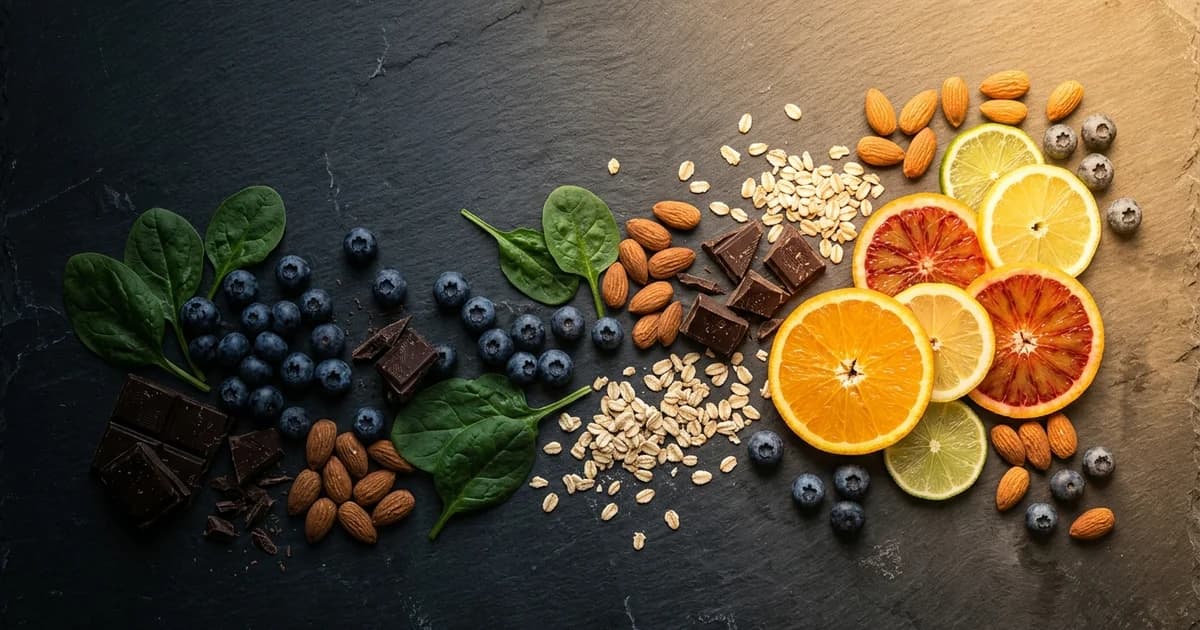
What Foods Help with Nicotine Withdrawal? A Neuroscience-Backed Eating Plan
If you're wondering what foods help with nicotine withdrawal, you're asking the right question. Nicotine withdrawal hits your brain like a power outage. Dopamine drops, cortisol spikes, and your body starts screaming for the one thing you're trying to quit. But can your diet actually make the process less brutal? The answer is yes, and the science behind what foods help with nicotine withdrawal is more specific than "eat healthy."
Your body is dealing with real neurochemical disruption. The right foods can stabilize blood sugar, replenish depleted nutrients, and even reduce the intensity of cravings. The wrong ones can make every symptom worse.
Here's what to eat, what to avoid, and why it matters.
Key Takeaways
- Nicotine depletes vitamin C, B vitamins, and magnesium. Restoring these nutrients speeds recovery and reduces withdrawal severity.
- Blood sugar instability drives cravings. Complex carbohydrates and protein keep glucose steady, which keeps your brain from confusing hunger with nicotine cravings.
- Specific foods actively reduce cravings. Dark chocolate, dairy, and omega-3-rich fish have direct, studied effects on nicotine withdrawal symptoms.
- What you drink matters as much as what you eat. Water and green tea help. Alcohol and excess coffee make things worse.
Why Nicotine Withdrawal Wrecks Your Appetite (and Your Mood)
Nicotine doesn't just create a psychological habit. It physically rewires your brain's reward circuitry. Research from the National Institutes of Health shows that withdrawal from chronic nicotine exposure lowers baseline dopamine concentration in the nucleus accumbens, the brain's primary reward center. That low dopamine state is what drives the irritability, anxiety, and relentless cravings.
Here's where understanding what foods help with nicotine withdrawal becomes practical. Your brain manufactures dopamine from amino acids (tyrosine and phenylalanine) found in protein. It regulates mood with serotonin, which depends on tryptophan, another dietary amino acid. And the enzymes that build these neurotransmitters require cofactors like magnesium, B6, and vitamin C, all of which smoking actively depletes.
You're not just quitting a substance. You're rebuilding the biochemical machinery that substance damaged. Knowing what foods help with nicotine withdrawal gives you a concrete plan for that rebuilding process.
What Foods Help with Nicotine Withdrawal? The Best Options (and the Science Behind Each)
Citrus Fruits and Vitamin C-Rich Vegetables
Smoking burns through vitamin C at an alarming rate. Research published in PubMed found that smokers have lower blood concentrations of vitamin C and beta-carotene, driven by both reduced dietary intake and increased oxidative turnover. Your body needs vitamin C to synthesize norepinephrine and support adrenal function, both of which take a beating during withdrawal.
What to eat: Oranges, kiwis, bell peppers, broccoli, and strawberries. Aim for multiple servings per day during the first two weeks of quitting. These vitamin C-rich foods rank high on any list of what foods help with nicotine withdrawal.
Vitamin C also acts as an antioxidant, helping neutralize the oxidative damage that nicotine leaves behind. Think of it as cleanup duty for your cells.
Fatty Fish and Omega-3s
This one has strong clinical backing. A double-blind, randomized, placebo-controlled trial found that omega-3 fatty acid supplementation reduced cigarette cravings, nicotine dependence scores, and the number of cigarettes smoked per day compared to placebo. The effect grew stronger over the three-month study period.
The mechanism makes sense. Nicotine-induced oxidative stress lowers omega-3 levels in plasma and brain tissue, which impairs dopaminergic function. Restoring those levels helps normalize the reward system you're trying to repair. This is why fatty fish consistently appears in research on what foods help with nicotine withdrawal.
What to eat: Salmon, sardines, mackerel, and anchovies. If you don't eat fish, walnuts and flaxseeds provide the plant-based precursor ALA, though conversion to EPA and DHA is limited.
Complex Carbohydrates for Blood Sugar Stability
Nicotine acts as a stimulant that causes your body to release stored glucose. When you quit, your blood sugar regulation goes haywire for a few days. WhyQuit.com explains that cigarettes trigger the body to release its own sugar stores, so without nicotine, the body needs time to readjust its natural glucose regulation. This is why many people quitting nicotine experience intense sugar cravings and feel shaky or lightheaded.
Reaching for candy creates a spike-and-crash cycle that mimics, and amplifies, withdrawal symptoms. Complex carbohydrates release glucose slowly, keeping your brain fueled without the rollercoaster. Anyone researching what foods help with nicotine withdrawal should put these at the top of their grocery list.
What to eat: Oats, brown rice, quinoa, sweet potatoes, and whole-grain bread. Pair them with a protein source (eggs, chicken, legumes) to slow digestion further.
Dark Chocolate (70%+ Cocoa)
Before you dismiss this as wishful thinking: a study cited by Truth Initiative found that consuming chocolate with 70% cocoa curbed nicotine cravings among individuals with cardiovascular risk factors. Dark chocolate contains compounds that boost endorphins and serotonin, providing a small but real mood lift during withdrawal.
It also contains magnesium, which we'll get to next.
What to eat: A small square (20-30g) of dark chocolate with at least 70% cocoa. This is not a license to demolish a family-size bar of milk chocolate, which is mostly sugar and won't help. But quality dark chocolate is a legitimate answer to what foods help with nicotine withdrawal.
Magnesium-Rich Foods
Magnesium is quietly one of the most important nutrients during nicotine withdrawal. According to an NCBI review, magnesium reduces the intensity of addiction to psychostimulants including nicotine. The mechanism involves NMDA receptor modulation and its role in dopamine synthesis.
Neutrient reports that because dopamine is a magnesium-dependent biochemical, low levels of magnesium can contribute to low levels of dopamine in the brain, leading to cigarette cravings.
Most adults are already mildly deficient. Add nicotine withdrawal on top of that, and you've got a recipe for anxiety, muscle tension, and poor sleep, three hallmark withdrawal symptoms. Magnesium-rich foods are a cornerstone of what foods help with nicotine withdrawal.
What to eat: Spinach, pumpkin seeds, almonds, black beans, and avocados.
Dairy Products
This one is backed by a well-known Duke University study that found 19% of smokers reported dairy products worsened the taste of cigarettes. Smokers also reported that fruits, vegetables, and water made cigarettes taste worse, while alcohol and coffee made them taste better.
If you're still in the transition phase, where cravings occasionally push you toward "just one," keeping milk or yogurt nearby can make that cigarette far less satisfying if you slip.
What to eat: Milk, yogurt, cheese. Plain Greek yogurt also delivers protein and probiotics, which support gut health during a period when your digestive system is recalibrating.
What Foods Help with Nicotine Withdrawal? A Quick Reference Table
| Food Category | Key Nutrients | How It Helps |
|---|---|---|
| Citrus fruits, bell peppers, broccoli | Vitamin C, antioxidants | Repairs oxidative damage, supports adrenal function |
| Salmon, sardines, walnuts | Omega-3 fatty acids | Reduces cravings, restores dopaminergic function |
| Oats, brown rice, sweet potatoes | Complex carbohydrates, fiber | Stabilizes blood sugar, prevents crash-driven cravings |
| Dark chocolate (70%+ cocoa) | Magnesium, flavonoids, theobromine | Curbs cravings, boosts mood |
| Spinach, almonds, pumpkin seeds | Magnesium | Supports dopamine production, reduces anxiety |
| Milk, yogurt, cheese | Calcium, protein, tryptophan | Makes cigarettes taste worse, supports mood |
| Eggs, chicken, legumes | Protein, B vitamins, tyrosine | Provides neurotransmitter building blocks |
What to Avoid During Nicotine Withdrawal
Knowing what foods help with nicotine withdrawal is half the equation. Certain foods and drinks actively sabotage your quit attempt.
Alcohol. The Duke study found that 44% of smokers reported alcoholic beverages enhanced the taste of cigarettes. Alcohol also lowers inhibition, making it far easier to rationalize "just one." If you're serious about quitting, cut back on drinking for the first month.
Excess coffee. Caffeine and nicotine have a complex relationship. Nicotine speeds up caffeine metabolism, so when you quit, your body suddenly processes caffeine much more slowly. That same two cups of coffee now hits like four. The result: more anxiety, worse sleep, and heightened cravings. Scale back your coffee intake by about half during the first two weeks.
Refined sugar and processed snacks. They spike blood sugar, crash it, and leave you feeling worse than before. The temporary dopamine hit from a candy bar fades fast and makes the next craving more intense. These are the opposite of what foods help with nicotine withdrawal.
Spicy and heavily seasoned foods. Some people find these trigger cravings because they're associated with post-meal smoking rituals. Pay attention to your own patterns.
A Sample Day of Eating During Nicotine Withdrawal
Now that you know what foods help with nicotine withdrawal, here's how to put that knowledge into a practical daily plan.
Breakfast: Oatmeal with walnuts, blueberries, and a sliced banana. Green tea instead of your third coffee.
Mid-morning snack: An orange and a handful of almonds.
Lunch: Grilled salmon over brown rice with steamed broccoli and a squeeze of lemon.
Afternoon snack: Plain Greek yogurt with pumpkin seeds. One square of dark chocolate.
Dinner: Chicken stir-fry with spinach, bell peppers, and sweet potato. Glass of milk if you're craving something after the meal.
This isn't a strict diet. It's a framework built around what foods help with nicotine withdrawal at the biochemical level. The goal is to keep your blood sugar stable, your magnesium and vitamin C levels high, and your protein intake consistent enough to fuel neurotransmitter production.
The Habit Problem That Food Can't Solve
Here's the thing about nicotine withdrawal that most articles on what foods help with nicotine withdrawal ignore: the chemical withdrawal is only half the battle. It peaks within the first week and fades within a month. The oral fixation, the ritual of reaching for something, the hand-to-mouth habit, that lasts much longer.
Food can repair the biochemical damage. Knowing what foods help with nicotine withdrawal can stabilize your mood, reduce cravings, and give your body the raw materials it needs to recover. But food can't replace the physical ritual of a pouch or a cigarette.
That's where Roon fits. It's a zero-nicotine sublingual pouch built with caffeine (80 mg), L-theanine, theacrine, and methylliberine, a stack designed for sustained cognitive performance without the dependency cycle. A 2023 study published in Neuroscience Letters found that L-theanine reduced anxiety-like behavior and somatic signs during nicotine withdrawal in a dose-dependent manner, supporting its potential as a candidate for treating nicotine dependence.
Same ritual. Zero nicotine. Actual cognitive benefits that last 6-8 hours without the jitters or crash.
If you've built the dietary foundation to support your brain through withdrawal, Roon gives you the behavioral replacement that food alone can't. Check it out at takeroon.com.