Nicotine Patches To Quit Vaping: What You Need to Know
Nicotine Patches To Quit Vaping: What You Need to Know (Before You Slap One On)
Most people who try nicotine patches to quit vaping fail. That's not a scare tactic. A meta-analysis published on PubMed found that across 17 studies, only about 22% of patch users stayed abstinent at six months. And those numbers come from smoking cessation research. For vapers relying on nicotine patches to quit vaping, the data is even thinner.
The patch was designed for cigarettes. Vaping is a different beast, with different nicotine delivery, different habits, and a different relationship with your brain. If you're looking for the best way to quit vaping, you need to understand why the patch might help, where it falls short, and what else you should be doing.
Key Takeaways:
- Nicotine patches to quit vaping can reduce withdrawal symptoms, but they weren't designed for vapers and may under-dose heavy pod users.
- The patch addresses chemistry but ignores the behavioral and oral fixation side of vaping, which is often the harder part to break.
- A full quit plan combines nicotine replacement with habit substitution and, often, a physical replacement for the hand-to-mouth ritual.
- There are better options now for the "ritual" piece of the equation that don't involve nicotine at all.
How Nicotine Patches to Quit Vaping Actually Work
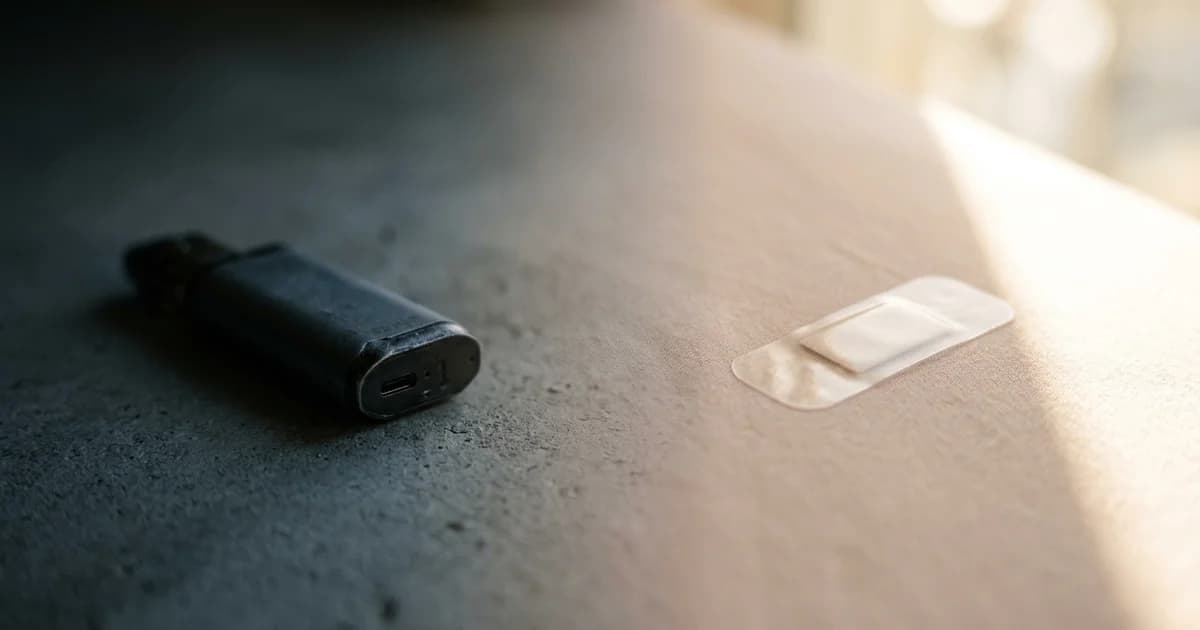
A nicotine patch is a square of adhesive material that delivers a steady, low dose of nicotine through your skin over 16 to 24 hours. The idea is simple: give your body enough nicotine to take the edge off withdrawal while you work on breaking the behavioral habit.
The CDC recommends that most users start with a 21 mg patch daily, then step down to 14 mg and eventually 7 mg over several weeks. The patch is FDA-approved for smoking cessation and available over the counter.
Here's what nicotine patches to quit vaping do well: they provide a consistent baseline of nicotine so you're not white-knuckling through cravings every 20 minutes. According to a Healthline review of the research, patch users are about 1.64 times more likely to quit than those going cold turkey. That's a real advantage.
But "1.64 times more likely" still means most people don't make it.
The Problem With Using Nicotine Patches to Quit Vaping
The patch was built for a cigarette smoker consuming roughly 20 cigarettes a day. A single JUUL pod, according to research published in PMC, contains approximately 40 mg of nicotine, roughly equivalent to a full pack of cigarettes. And many vapers go through a pod a day or more.
That means a heavy vaper might be consuming 40 to 60 mg of nicotine daily. A 21 mg patch delivers less than half of that. The math doesn't work, and it's one reason nicotine patches to quit vaping have a mixed track record.
The Dosing Gap
| Factor | Cigarette Smoker (1 pack/day) | Heavy Vaper (1+ pod/day) |
|---|---|---|
| Daily nicotine intake | ~20-30 mg absorbed | ~40-60 mg consumed |
| Patch starting dose | 21 mg | 21 mg (same) |
| Delivery speed | Slow, steady | Slow, steady |
| Typical vape delivery | N/A | Fast, high spikes |
The mismatch is obvious. Vapes, especially salt-nicotine devices, deliver nicotine in sharp spikes that hit the brain within seconds. The patch delivers a slow, flat stream. Your brain, trained on rapid nicotine hits, doesn't register the patch the same way. You'll feel "something," but nicotine patches to quit vaping won't scratch the itch the way your device did.
This is why many vapers slap on a patch and still find themselves reaching for their device by noon.
It Doesn't Fix the Habit Loop
Nicotine addiction has two layers: chemical dependency and behavioral conditioning. Nicotine patches to quit vaping only address the first one.
Think about when you vape. It's probably tied to specific triggers: after a meal, during a work break, in the car, while scrolling your phone. The physical act of putting something in your mouth, feeling the inhale, getting that brief sensory hit. That's a deeply wired habit loop.
The patch sits on your arm. It does nothing for the hand-to-mouth ritual, the oral fixation, or the micro-breaks your brain has learned to associate with a nicotine reward. Nicorette's own research acknowledges that oral fixation is a major driver of relapse, which is why they sell lozenges and gum alongside patches.
Side Effects You Should Know About
Nicotine patches to quit vaping aren't risk-free. A systematic review published in PMC analyzing 120 studies and over 177,000 individuals found statistically significant associations between nicotine patch use and both skin irritation (OR 2.80) and insomnia (OR 1.42).
Common side effects include:
- Skin irritation and redness at the application site (the most frequent complaint)
- Insomnia and vivid dreams, especially with 24-hour patches
- Nausea and dizziness, particularly if the dose is too high
- Headaches during the first week of use
According to Medical News Today, most side effects are mild and manageable. But insomnia is a real problem for people already dealing with the sleep disruption that comes with nicotine withdrawal. Stacking patch-induced insomnia on top of withdrawal insomnia can make the first two weeks genuinely miserable.
Steps to Quit Vaping: Why Nicotine Patches to Quit Vaping Alone Aren't Enough
If you're serious about quitting, the patch should be one tool in a larger plan, not the entire strategy. Here are the steps to quit vaping that actually hold up:
1. Set a Quit Date (and Mean It)
Pick a day within the next two weeks. Not "someday." Not "after this stressful period." A specific date. Tell someone about it. Write it down.
2. Start Your Patch on Day One
Begin with 21 mg if you're a heavy vaper (one pod or more per day). If you're a lighter user, 14 mg may be enough. Follow the step-down schedule: reduce your dose every 2 to 4 weeks. Using nicotine patches to quit vaping consistently is more important than the starting dose.
3. Find a Behavioral Replacement
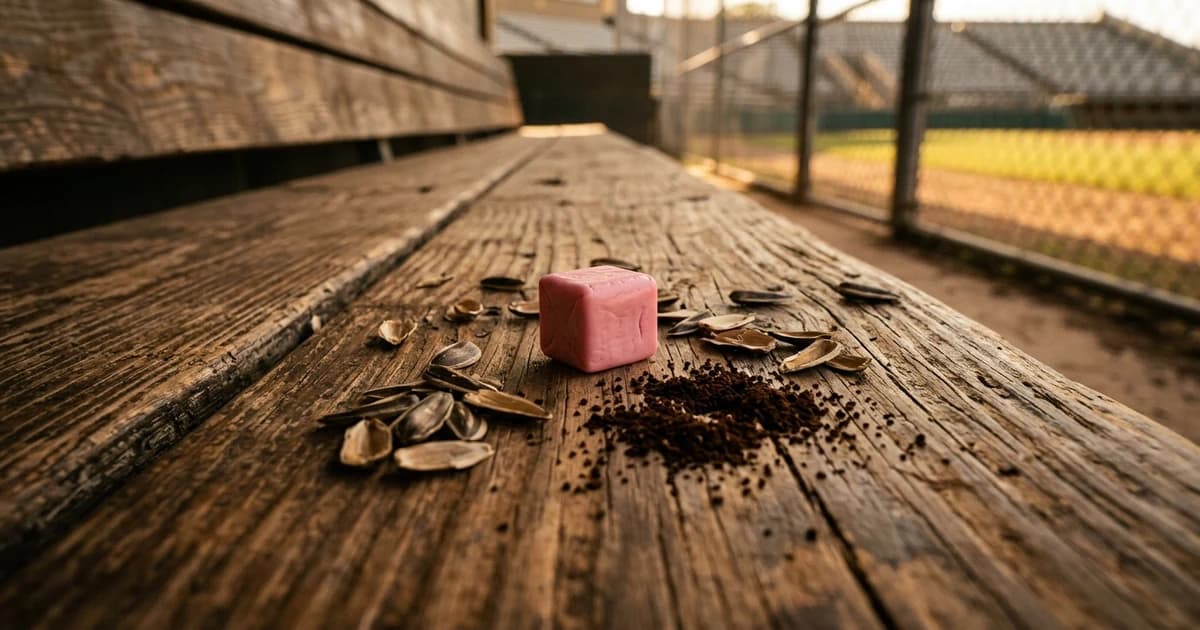
This is the step most people skip, and it's the one that matters most. You need something to do with your hands and mouth when a craving hits. Gum, mints, toothpicks, sunflower seeds. It sounds trivial. It isn't.
The oral fixation component is so powerful that some researchers compare it to the behavioral patterns seen in people managing dopamine-related conditions. The concept behind an ADHD dopamine detox, for example, centers on the same principle: your brain has learned to expect frequent, small rewards, and you need to retrain it with alternative stimulation.
4. Identify and Disrupt Your Triggers
Map out every situation where you normally vape. Morning coffee. Car rides. Post-lunch. Bathroom breaks. Then change the routine around those triggers. Drink your coffee in a different spot. Take a walk instead of a smoke break. The goal is to break the association between the context and the craving. These steps to quit vaping work best alongside nicotine patches to quit vaping, not instead of them.
5. Get Support
This isn't soft advice. A Truth Initiative survey found that 62% of 18 to 24-year-olds who use nicotine want to quit within the next year. You're not alone in this. Text lines, apps, and even sober communities (some people find accountability through unexpected channels, from sober dating sites to fitness groups) can provide the structure you need.
6. Plan for the Hard Days
Days 3 through 7 are usually the worst. Cravings peak, irritability spikes, and your brain will generate very convincing arguments for "just one hit." Know this in advance. Have a plan. Call someone. Go for a run. Do anything that isn't vaping. Keeping your nicotine patches to quit vaping on during these days is critical.
What the Research Says About NRT for Vapers Specifically
Here's the uncomfortable truth: there's very little clinical research on nicotine replacement therapy designed specifically for vaping cessation, including whether nicotine gum helps vapers any more than patches do. A 2023 preliminary study published in PMC noted that while many adults express interest in quitting e-cigarettes, "there are few empirically tested interventions for quitting vaping." The study found that participants who quit reported using NRT for an average of about 23 days, compared to roughly 8 days among those who didn't quit.
That suggests consistency matters. If you're going to use nicotine patches to quit vaping, use them every day for the full course. Don't peel one off on day five because you "feel fine." The withdrawal curve is longer than you think.
A USC study tracking youth vaping trends between 2020 and 2024 found that daily vaping among current users nearly doubled, from 15.4% to 28.8%. Among those daily users who tried to quit, the failure rate rose from 28.2% to 53%. Vaping is getting harder to quit, not easier, and the tools haven't caught up.
The Missing Piece: What Happens After the Patch
Let's say nicotine patches to quit vaping work for you. You taper off nicotine over 8 to 12 weeks. The chemical dependency fades. Congratulations, genuinely.
But now you're sitting at your desk at 2 PM, energy dipping, and your hand instinctively reaches for... nothing. The behavioral gap is still there. The ritual is gone. And for a lot of people, that emptiness is what pulls them back.
This is where the easy way to quit vaping stops being about nicotine at all and starts being about replacement. Your brain needs a new anchor for that micro-break, that moment of "reset" during a long afternoon. Finding an easy way to quit vaping means addressing both the chemical and behavioral sides of the equation.
Same Ritual, Zero Nicotine, Actual Cognitive Benefits
Roon was built for exactly this moment. It's a sublingual pouch, same form factor as the nicotine pouches you might already know, but with zero nicotine inside. Instead, it contains a stack of Caffeine (80 mg), L-Theanine, Theacrine, and Methylliberine that supports sustained focus for 6 to 8 hours without the jitters, crash, or tolerance buildup that nicotine creates.
You still get the pouch. You still get the ritual. You still get the oral fixation satisfied. What you don't get is another dependency.
If you're using nicotine patches to quit vaping to break the chemical chain, Roon can fill the behavioral gap that patches can't touch. It's not a quit-vaping product. It's what comes after: a clean, zero-nicotine way to keep the habit loop intact while replacing the substance with something that actually helps you perform. For anyone searching for easy ways to quit vaping, combining nicotine patches to quit vaping with a behavioral replacement like Roon is one of the smartest steps to quit vaping you can take.
Check it out at takeroon.com.