How to Quit Dipping: A Step-by-Step Plan That Actually Works
How to Quit Dipping: A Step-by-Step Plan That Actually Works
You already know dipping is bad for you. If you're searching for how to quit dipping, you've probably known for years that it's time to stop. The tin in your back pocket has become a reflex, not a choice, and every time you tell yourself "this is the last one," the cycle resets by Tuesday.
Learning how to quit dipping starts with understanding the real problem, which isn't willpower. It's that nicotine has rewritten your brain's reward circuitry, and the physical ritual of tucking a pouch between your lip and gum has become fused with how you concentrate, decompress, and get through the day. Beating this requires attacking both the chemical dependency and the behavioral habit at the same time.
This guide breaks down exactly how to quit dipping, step by step.
Key Takeaways
- Nicotine withdrawal from dip peaks around day 2-3 and most physical symptoms fade within 1-2 weeks. The psychological cravings last longer.
- The oral fixation is half the battle. Most relapse happens because people address the nicotine but ignore the hand-to-mouth ritual.
- Nicotine replacement therapy (NRT) increases your odds of quitting by about 55% compared to going cold turkey, according to clinical data.
- Having a concrete quit plan with a set date is one of the strongest predictors of long-term success, and the foundation of how to quit dipping for good.
Why Dipping Is Harder to Quit Than You Think
Dip delivers nicotine through the mucous membranes in your mouth, and it does so efficiently. A single pinch of smokeless tobacco can contain as much nicotine as several cigarettes, and because you hold it in your mouth for 20 to 30 minutes at a time, the absorption is slow and sustained. Your brain gets a long, steady hit rather than a quick spike.
That slow-drip delivery creates a deep neurological groove. Your dopamine system learns to expect nicotine at specific times: first thing in the morning, after meals, during a long drive, while watching a game. Removing the substance without replacing the pattern is why most cold-turkey attempts fail within the first month. Understanding this is essential to figuring out how to quit dipping successfully.
There's also the physical component people underestimate. Smokeless tobacco contains chemicals present at levels up to 100 times higher than in cigarettes, and at least 28 of those are known carcinogens. The risk of oral, esophageal, and pancreatic cancer is real, not theoretical. So is the increased risk of heart disease and stroke.
You're not just quitting a habit. You're detaching from a substance that has physically altered how your brain processes reward and stress.
How to Quit Dipping: The 5-Phase Plan
Phase 1: Set a Quit Date (and Mean It)
Pick a date within the next two weeks. Not "someday." Not "after this stressful project." A specific date on the calendar.
The reason this matters: research on tobacco cessation consistently shows that setting a firm quit date increases follow-through. It shifts your mindset from "I'm thinking about quitting" to "I'm quitting on March 15th." Those are psychologically different states. Anyone serious about how to quit dipping needs this concrete anchor.
In the days leading up to your quit date:
- Tell someone. Accountability changes behavior. Tell a friend, a partner, or post it anonymously online. The community at KillTheCan.org exists specifically for dippers going through this process.
- Remove your stash. Throw out every tin, can, and pouch. Don't keep an "emergency" supply. That's not preparation, it's permission to relapse.
- Identify your triggers. Write down the five situations where you always reach for a dip. Morning coffee. Driving. Post-lunch. Knowing these in advance lets you plan around them.
Phase 2: Manage the Withdrawal Window (Days 1-14)
The first 72 hours are the hardest part of how to quit dipping. Withdrawal symptoms typically begin 2-3 hours after your last dose of nicotine and peak around days 2-3. Here's what to expect:
| Symptom | When It Peaks | How Long It Lasts |
|---|---|---|
| Intense cravings | Days 1-3 | 2-4 weeks (decreasing) |
| Irritability / mood swings | Days 2-4 | 1-2 weeks |
| Headaches | Days 1-3 | Up to 1 week |
| Difficulty concentrating | Days 1-5 | 2-3 weeks |
| Mouth sores / gum sensitivity | Days 2-7 | 1-2 weeks |
| Insomnia | Days 1-3 | 1-2 weeks |
The physical symptoms, headaches, dizziness, fatigue, tend to resolve within the first week. The psychological withdrawal is the harder part. Cravings can persist for weeks or months, triggered by the situations and routines you associated with dipping.
Strategies that help during this window:
- Stay hydrated. Drink more water than you think you need. Dehydration amplifies headaches and irritability.
- Exercise daily. Even a 20-minute walk raises dopamine and endorphins, partially compensating for what nicotine used to provide.
- Use the 5-minute rule. When a craving hits, tell yourself you'll wait 5 minutes. Most cravings peak and subside within 3-5 minutes. Delay, don't debate.
Phase 3: Decide on Nicotine Replacement (or Don't)
This phase of how to quit dipping is where you make a strategic choice. There are two schools of thought, and both can work.
Option A: Nicotine Replacement Therapy (NRT)
NRT increases the chance of quitting tobacco by about 55% compared to unassisted attempts. For dippers, the most common forms are nicotine patches, nicotine gum, and nicotine lozenges. The patch provides a steady baseline dose while gum or lozenges handle acute cravings.
The logic is simple: separate the nicotine from the tobacco first, then taper off the nicotine gradually. It's a two-step process instead of one brutal leap.
Option B: Cold Turkey
Some people prefer ripping the bandage off. No taper, no replacement, just done. This approach works best if you're the type of person who does better with clean breaks rather than gradual reductions. The withdrawal will be more intense for the first week, but you'll be completely nicotine-free faster.
Neither approach is "better." The best method for how to quit dipping is the one you'll actually stick with.
Phase 4: Solve the Oral Fixation Problem
Here's where most quit plans fall apart. You address the nicotine. You white-knuckle through the withdrawal. And then three weeks later, you're at a gas station buying a tin because your mouth felt empty.
Oral fixation is a major component of the mental aspect of tobacco addiction. For dippers specifically, the sensation of having something between your lip and gum is deeply ingrained. It's a tactile habit as much as a chemical one. No guide on how to quit dipping is complete without addressing this head-on.
Common oral substitutes people use:
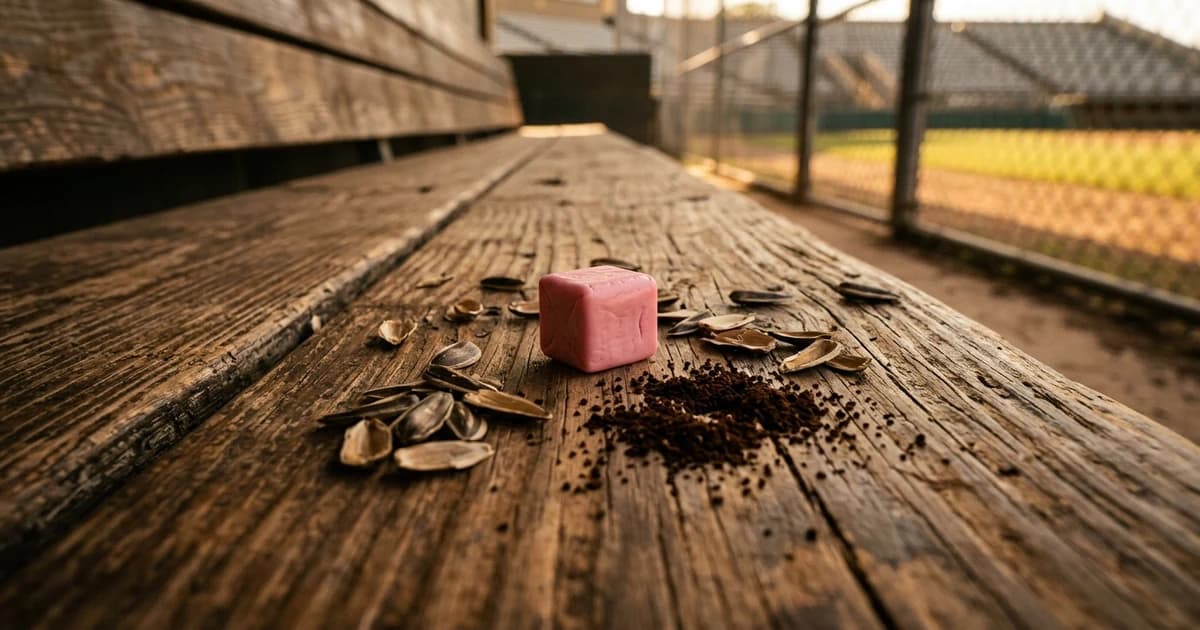
- Sunflower seeds. The act of cracking and eating them keeps your mouth busy. Popular among former dippers for a reason.
- Toothpicks or cinnamon sticks. Simple, portable, zero calories.
- Sugar-free gum. Works, but doesn't replicate the pouch sensation.
- Nicotine-free pouches. These mimic the exact form factor of dip, a pouch that sits in your lip, without any tobacco or nicotine. For many people learning how to quit dipping, this is the closest behavioral replacement available.
- Beef jerky or dried fruit. Gives your jaw something to work on during high-craving moments.
The key insight: you need to replace the ritual, not just the substance. Your brain doesn't just want nicotine. It wants the full sensory experience of reaching into a tin, placing something in your lip, and feeling it there while you work or drive or think.
Phase 5: Build the Long Game (Weeks 3-12 and Beyond)
Most relapses happen in the first 90 days. After that, the odds shift heavily in your favor. But those 90 days require active management, not passive hope. Knowing how to quit dipping means planning for this critical stretch.
Track your triggers. Keep a simple note on your phone. Every time you get a craving, write down what you were doing, where you were, and how you were feeling. Within two weeks, you'll see clear patterns. Those patterns become the map for where you need alternative coping strategies.
Reframe the identity. Stop thinking of yourself as "a dipper who is trying to quit." Start thinking of yourself as "someone who doesn't dip." This sounds like semantics, but identity-based behavior change is one of the most well-supported concepts in behavioral psychology. You act in accordance with who you believe you are.
Expect the "phantom dip." Weeks after quitting, you'll occasionally feel the ghost sensation of a pouch in your lip. This is normal. Your brain mapped that sensation so deeply that it sometimes replays it. It passes.
Have a plan for social situations. If your friends dip, if dipping was part of your hunting or fishing routine, if it was woven into your work culture, you need a specific plan for those moments. Avoidance works early on. Substitution works long-term.
What Happens to Your Body After You Quit Dipping
The recovery timeline is faster than most people expect, and it's one of the most motivating parts of learning how to quit dipping:
- 20 minutes after quitting: Heart rate begins to normalize.
- 48 hours: Nicotine is mostly cleared from your bloodstream. Taste and smell start improving.
- 2 weeks: Circulation improves. Gum tissue begins healing.
- 1-3 months: Mouth sores heal. Risk of heart attack starts to decrease.
- 1 year: Risk of heart disease drops to roughly half of what it was while dipping.
- 5-10 years: Risk of oral cancers decreases substantially.
Your mouth will heal. Your gums will recover. The white patches (leukoplakia) that many long-term dippers develop often resolve within weeks to months of quitting.
The Replacement That Doesn't Replace One Addiction With Another
The hardest part about figuring out how to quit dipping isn't the first three days. It's the three months after that, when the nicotine is gone but the habit loop is still firing. You're sitting at your desk, your brain says "time for a dip," and you need something, anything, to put in your lip that isn't tobacco.
This is exactly the problem Roon was designed to solve. It's a zero-nicotine sublingual pouch that sits in your lip just like dip does, but instead of tobacco and nicotine, it contains a performance stack of caffeine (80 mg), L-Theanine, Theacrine, and Methylliberine. The combination supports sustained focus for 6-8 hours without the jitters or crash you'd get from slamming an energy drink instead.
Same ritual. Zero nicotine. And instead of feeding an addiction, you're actually getting something back: clean, sustained cognitive performance.
If you're ready to quit dipping and you want a replacement that respects both the habit and your health, give Roon a look.