How to Cure Brain Rot
How to Cure Brain Rot: A Practical Guide to Reclaiming Your Focus
You just spent 45 minutes watching a stranger rank fictional characters in a tier list. You didn't enjoy it. You didn't learn anything. And now you feel like your skull is filled with wet cotton. If you're wondering how to cure brain rot, you're not alone, and you're not broken. Your brain is responding exactly the way it was designed to respond to an environment it was never designed for.
Oxford University Press named "brain rot" the 2024 Word of the Year, noting a 230% increase in usage. The term describes the perceived cognitive decline that comes from overconsuming low-quality digital content. But here's what most people get wrong: brain rot isn't a permanent condition. It's a pattern. And patterns can be reversed, which means learning how to cure brain rot is really about learning how to break those patterns.
Key Takeaways:
- Brain rot is driven by dopamine dysregulation from constant digital stimulation, not actual brain damage.
- Figuring out how to cure brain rot requires changes across three areas: digital habits, physical health, and neurochemistry.
- Small, specific interventions (like timed content blocks and daily exercise) work better than dramatic "digital detox" retreats.
- Targeted nootropic compounds can support the neurochemical recovery process.
What Brain Rot Actually Is (And What It Isn't)
Brain rot isn't a clinical diagnosis. No neurologist will write it on your chart. But the cognitive symptoms people describe, difficulty concentrating, shortened attention span, a foggy inability to think clearly, map directly onto well-studied neurological processes. Understanding these processes is the first step in figuring out how to cure brain rot.
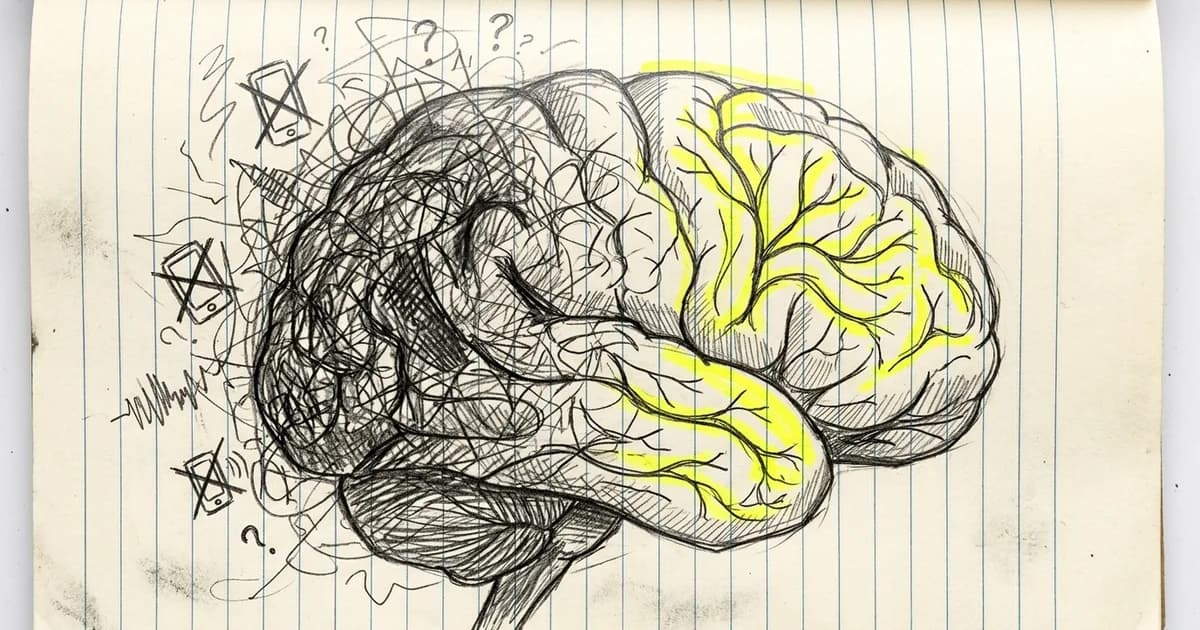
The core mechanism is dopamine dysregulation. Every time you scroll through short-form content, your brain gets a small hit of dopamine. Not from the content itself, but from the anticipation of the next piece of content. A 2025 paper published in SAGE Journals describes dopamine-scrolling as a distinct behavioral pattern that operates through reward mechanisms and variable reinforcement schedules, making it uniquely habit-forming.
Your brain adapts. It downregulates dopamine receptors to compensate for the constant stimulation. The result: activities that require sustained attention (reading, deep work, long conversations) feel physically uncomfortable. You're not lazy. Your reward circuitry has been recalibrated.
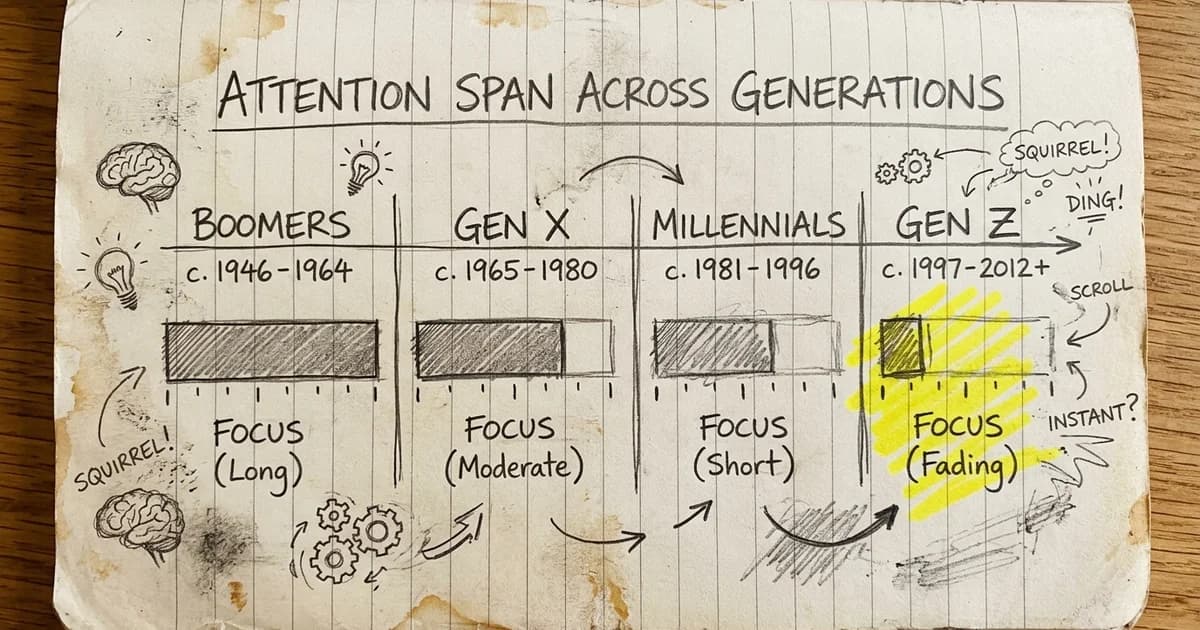
The average U.S. adult now spends 7 hours and 2 minutes per day on screens. For Gen Z, that number climbs past 9 hours. That's more time than most people spend sleeping, and it explains why so many people are searching for how to cure brain rot.
How to Cure Brain Rot: The Three-Layer Fix
How to get rid of brain rot isn't about willpower. It's about systematically addressing three layers: your digital environment, your body, and your brain chemistry. Skip one, and the other two won't hold.
Layer 1: Restructure Your Digital Environment
You can't think your way out of a bad environment. The first step in how to get rid of brain rot is changing what your brain encounters every day.
Set content time limits, not content bans. Total abstinence from social media is unrealistic for most people and unnecessary. What works is creating friction. Move social apps off your home screen. Set a 30-minute daily timer. Use grayscale mode on your phone after 8 PM. These small changes are the foundation of how to cure brain rot in a sustainable way.
Replace passive scrolling with active consumption. The problem isn't screens. It's passive screen use. Watching a 20-minute documentary or reading a long article engages your prefrontal cortex in ways that a TikTok feed never will. The distinction matters. One builds attention. The other erodes it.
Protect your first and last hour. The most damaging scroll sessions happen in bed, right after waking and right before sleep. Those windows set your neurochemical tone for the day and determine your sleep quality. Buy a $10 alarm clock. Charge your phone in another room. Anyone serious about how to cure brain rot should start with these two windows.
A systematic review published in Current Psychology found that digital detox periods allow for a restoration of cognitive resources and can influence neurotransmitter regulation. You don't need a month-long retreat. Even structured daily breaks create measurable recovery.
Layer 2: Fix the Hardware (Your Body)
Your brain doesn't exist in a jar. It runs on blood flow, oxygen, and a cocktail of neurotrophic factors that are directly controlled by how you treat your body. No guide on how to cure brain rot is complete without addressing the physical basics.
Exercise is non-negotiable. A 2025 review in ScienceDirect found that aerobic exercise elevates BDNF (brain-derived neurotrophic factor) levels in the hippocampus, fostering neurogenesis and synaptogenesis. Translation: exercise literally grows new brain cells and strengthens the connections between existing ones. Moderate-intensity training, 60-70% of your max heart rate, appears to be the sweet spot. That's a brisk walk, a light jog, or a bike ride where you can still hold a conversation.
You don't need to train for a marathon. As a guide to aerobic exercise and brain fog explains, thirty minutes of moderate cardio, five days a week, is enough to see measurable cognitive improvements within a few weeks.
Sleep is when your brain takes out the trash. The glymphatic system, a waste-clearance network in the brain, activates primarily during sleep. It flushes out metabolic byproducts that accumulate during waking hours. Skimp on sleep, and those waste products build up, contributing to the foggy, sluggish feeling that defines brain rot.
Seven to nine hours. Cool room. Dark room. Consistent bedtime. This isn't wellness advice. It's plumbing maintenance for your central nervous system.
Feed your brain real food. Omega-3 fatty acids, found in fatty fish, walnuts, and flaxseed, support neuronal membrane integrity. Blueberries and dark leafy greens provide antioxidants that protect against oxidative stress. Processed food and excess sugar do the opposite, promoting inflammation that impairs cognitive function.
| Brain Rot Habit | Better Alternative | Why It Works |
|---|---|---|
| Scrolling in bed before sleep | Reading a physical book | Reduces blue light exposure, builds sustained attention |
| Skipping breakfast | Eggs, avocado, berries | Provides choline, healthy fats, and antioxidants for brain function |
| Sitting all day | 30-min walk or bike ride | Boosts BDNF, improves blood flow to prefrontal cortex |
| Energy drinks for focus | Green tea or nootropic stack | Sustained alertness without the spike-crash cycle |
| Binge-watching for hours | 1-hour content block with a timer | Prevents dopamine receptor downregulation |
Layer 3: Support Your Neurochemistry
The behavioral and physical changes above create the foundation. But if you want to accelerate the process of how to cure brain rot, it helps to understand the specific neurotransmitter systems involved.
Adenosine builds up in your brain throughout the day, creating sleep pressure. Caffeine blocks adenosine receptors, which is why coffee makes you feel alert. But caffeine alone is blunt. It promotes wakefulness without improving the quality of your attention, and the crash that follows often sends people right back to their phones.
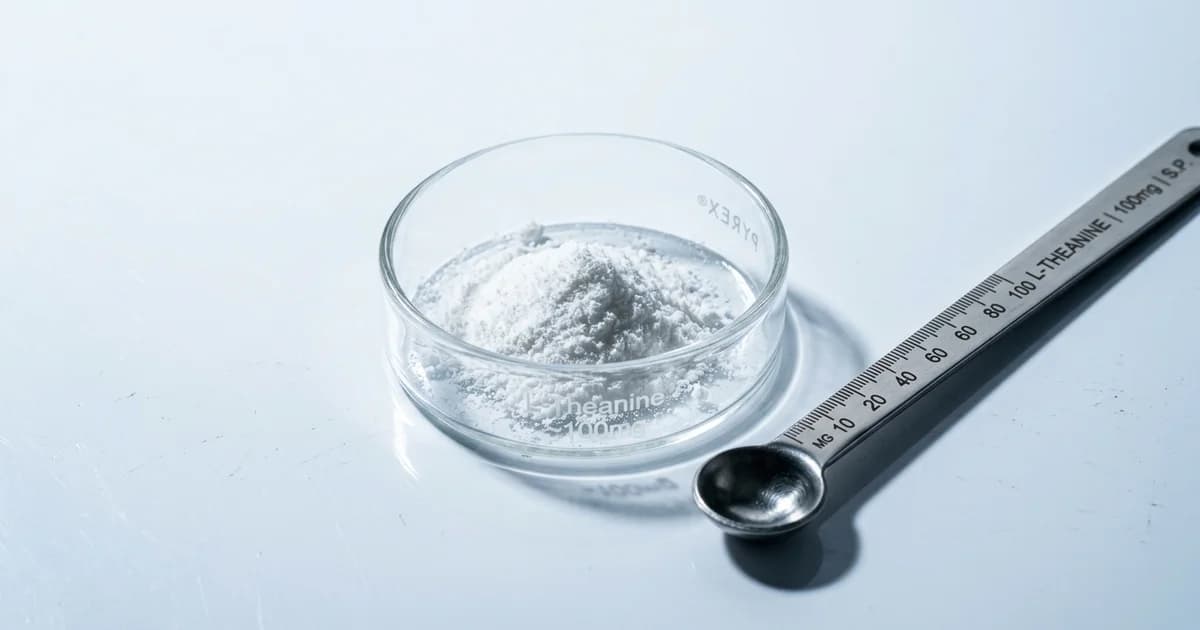
GABA (gamma-aminobutyric acid) is the brain's primary inhibitory neurotransmitter. It calms neural activity and reduces the mental noise that makes focused thinking difficult. L-Theanine, an amino acid found naturally in tea, promotes GABA activity. A study published on PubMed found that 97mg of L-Theanine combined with 40mg of caffeine helped participants focus attention during demanding cognitive tasks, without the jittery side effects of caffeine alone. This kind of targeted neurochemical support is a practical piece of how to cure brain rot at the biological level.
Dopamine is the neurotransmitter most disrupted by brain rot behaviors. Rebuilding healthy dopamine signaling takes time, but compounds like theacrine (structurally similar to caffeine) support dopamine activity without the tolerance buildup that makes caffeine less effective over time. A study covered by NutraIngredients found that a combination of caffeine, theacrine, and methylliberine improved speed, accuracy, and cognitive abilities compared to both placebo and caffeine alone.
The Brain Rot Recovery Timeline
Knowing how to cure brain rot is one thing. Knowing what to expect during recovery is another. The first week will be uncomfortable. Your brain will crave the easy dopamine hits it's accustomed to. You might feel restless, bored, or irritable. This is normal. It's withdrawal, and it passes.
Week 1-2: You'll notice improved sleep quality and slightly better morning focus. The urge to scroll will still be strong, but the automatic reach for your phone will start to weaken.
Week 3-4: Sustained reading sessions get easier. You'll catch yourself actually finishing articles and remembering what you read. Conversations feel more engaging. This is when the process of how to get rid of brain rot starts to feel real.
Month 2-3: Deep work sessions of 60-90 minutes become possible without constant distraction. The foggy, "can't think straight" feeling lifts. Your default state shifts from scattered to calm.
This isn't speculation. It mirrors the timeline researchers observe when studying attention restoration after reduced digital media exposure.
What Doesn't Work
Not every approach to how to cure brain rot is equally effective. Some popular strategies actually backfire.
"Dopamine fasting" extremism. Sitting in a dark room doing nothing for 24 hours isn't backed by science and usually leads to a massive binge afterward. Gradual reduction beats cold turkey.
Swapping one screen for another. Replacing TikTok with YouTube Shorts or Instagram Reels changes nothing. The delivery mechanism is the same. Short-form, algorithmically curated, passive content all hits the same neural pathways.
Relying on willpower alone. Willpower is a finite resource that depletes throughout the day. Environmental design (removing apps, using website blockers, changing your physical space) is more reliable than trying to resist temptation in the moment. If you're serious about how to get rid of brain rot, design your environment before you test your discipline.
Cut Through the Fog
Brain rot is reversible. But learning how to cure brain rot requires more than good intentions. It requires changing your environment, moving your body, and giving your brain the specific neurochemical support it needs to rebuild healthy attention patterns.
Roon was designed for exactly this kind of recovery. It's a zero-nicotine sublingual pouch that combines 80mg of caffeine with L-Theanine, theacrine, and methylliberine, four compounds that target the adenosine, GABA, and dopamine pathways behind brain fog. The result is 6-8 hours of clean, sustained focus without jitters, without a crash, and without the tolerance buildup that makes caffeine less effective over time.
You didn't scroll your way into brain rot overnight. You won't cure brain rot overnight either. But with the right habits and the right tools, you can get your brain back. Start here.