How Much Caffeine Is in a Focus Pouch? Is 80 mg Too Much?
How Much Caffeine Is in a Focus Pouch? Is 80 mg Too Much?
Most focus pouches contain between 50 and 100 mg of caffeine per pouch. A typical formulation, like Roon, delivers exactly 80 mg, roughly the same as an 8 oz cup of brewed coffee. That puts a single pouch well under the FDA's 400 mg/day ceiling for healthy adults. For most people, 80 mg is not a lot. It is a moderate, deliberate dose.
But "how much caffeine is in a focus pouch" is really two questions: the number on the label, and what that number actually does inside your body. The second depends on format, timing, and what else is in the formula.
Key takeaways:
- 80 mg of caffeine equals roughly one small cup of coffee and sits at 20% of the FDA's daily limit for healthy adults.
- The EFSA considers single doses up to 200 mg safe for adults, making 80 mg well within the no-concern range.
- Caffeine's half-life of approximately 5 hours means an 80 mg pouch at 3 pm leaves about 40 mg in your system at 8 pm, a meaningful difference from a 200 mg coffee.
- Pairing caffeine with L-theanine smooths the subjective experience without altering the pharmacokinetic dose.
How Does 80 mg of Caffeine Compare to Coffee, Energy Drinks, and Pre-Workouts?
An 80 mg focus pouch sits at the lower end of the caffeine spectrum for performance products and roughly matches a standard cup of coffee. It delivers less than half of what most energy drinks or pre-workouts contain. Here is how it stacks up against common caffeine sources, using figures from the FDA and Mayo Clinic:
| Source | Serving Size | Caffeine (mg) | Best For |
|---|---|---|---|
| Focus pouch (e.g., Roon) | 1 pouch | 80 | Sustained, low-dose focus without liquids |
| Brewed coffee | 8 oz | 80–100 | Morning ritual, widely available |
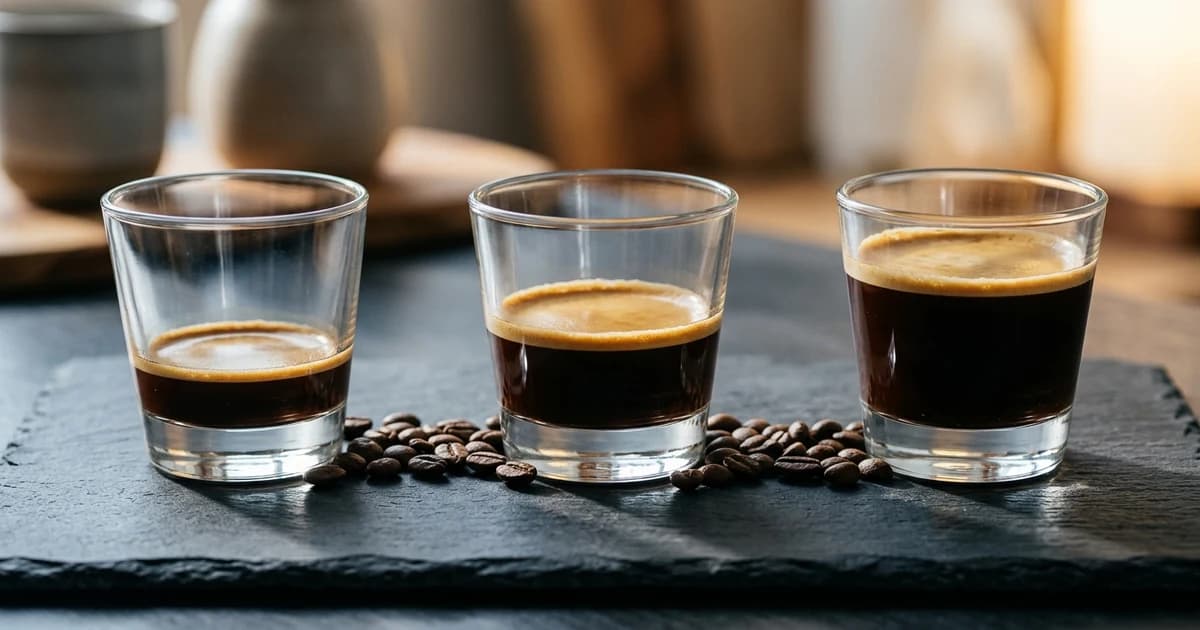
| Espresso (single shot) | 1 oz | 63 | Quick hit, lower total dose |
| Black tea | 8 oz | 30–50 | Gentle alertness with antioxidants |
| Cola (Coca-Cola) | 12 oz | 34 | Minimal stimulation |
| Energy drink (Red Bull) | 8.4 oz | 80 | Portable caffeine, higher sugar |
| Energy drink (Monster) | 16 oz | 160 | High-dose stimulation |
| Pre-workout supplement | 1 scoop | 150–350 | Gym performance, very high caffeine |
80 mg is a standard single-serving dose across multiple formats. A Red Bull contains the same amount. The difference is everything else in the formula and how fast it hits your bloodstream. Pre-workouts sit 2x to 4x higher, which works for a lifting session but not for six hours of desk work.
Is 80 mg of Caffeine a Lot? What the Science Actually Says
No. By every major regulatory benchmark, 80 mg is a moderate dose. The FDA states that 400 mg per day is not generally associated with negative effects in healthy adults, backed by a 2017 systematic review. That means five 80 mg pouches across a day would still stay at the limit.
The European Food Safety Authority (EFSA) goes further. Its 2015 Scientific Opinion on the Safety of Caffeine concluded that single doses up to 200 mg (about 3 mg/kg for a 70 kg adult) pose no safety concerns. At 80 mg, a focus pouch is 40% of that single-dose ceiling.
For a healthy, non-pregnant adult with no cardiac conditions, 80 mg is a low-to-moderate dose that falls within every major safety guideline by a wide margin.
Who Should Be More Careful with Caffeine (Even at 80 mg)?
A moderate 80 mg dose is not universally appropriate. Certain populations have lower thresholds, and the guidance is specific:
- Pregnant or trying to conceive: The American College of Obstetricians and Gynecologists (ACOG) recommends less than 200 mg/day during pregnancy. An 80 mg pouch fits within this limit, but stacking it with coffee or tea could push you over. Talk to your OB-GYN.
- Adolescents: The EFSA advises no more than 3 mg per kg of body weight per day for children and adolescents. For a 50 kg teenager, that is 150 mg total. Focus pouches are formulated for adults.
- Cardiac conditions: People with arrhythmias or uncontrolled hypertension should discuss any caffeine intake with their cardiologist. Individual sensitivity matters more than the dose on the label.
- Anxiety disorders: Caffeine is an adenosine receptor antagonist that can amplify sympathetic nervous system activity. If you have a diagnosed anxiety disorder, even 80 mg may worsen symptoms.
- Medication interactions: Drugs like fluvoxamine, ciprofloxacin, and oral contraceptives slow caffeine metabolism and effectively increase its half-life. If you take any of these, your body processes 80 mg more like 120+ mg.
If you are a healthy adult outside these categories, 80 mg presents no safety concern. If you do fall into one, consult your doctor before adding any caffeine source, pouches included.
Why Does an 80 mg Pouch at 3 PM Behave Differently Than 200 mg of Coffee at 8 AM?
Half-life math. Caffeine's elimination half-life in healthy adults is approximately 5 to 6 hours, meaning your body clears roughly half the dose in that window. The starting dose determines what is left in your system at bedtime.
Here is the math for an 80 mg pouch taken at 3 PM:
- 3 PM: 80 mg in your system
- 8 PM: ~40 mg remaining
- 1 AM: ~20 mg remaining
Now compare a 200 mg brewed coffee at 8 AM:
- 8 AM: 200 mg in your system
- 1 PM: ~100 mg remaining
- 6 PM: ~50 mg remaining
- 11 PM: ~25 mg remaining
The morning coffee still leaves about 25 mg circulating at 11 PM. The 3 PM pouch leaves roughly 28 mg at midnight. Similar residuals, but the 200 mg drinker peaked at a much higher plasma concentration. That means more cortisol release, a bigger adenosine rebound, a harder crash. The pouch user never hits that peak.
The safe caffeine dose question is not just about milligrams per day. It is about milligrams per dose, timing, and how much caffeine is still active when you need to sleep.
How Does L-Theanine Change the Experience Without Changing the Dose?
L-theanine does not reduce the amount of caffeine in your bloodstream. It changes how your brain responds to it. This amino acid, found naturally in tea leaves, crosses the blood-brain barrier and increases alpha-wave activity, the EEG pattern associated with relaxed alertness.
A 2008 study in Nutritional Neuroscience found that combining L-theanine and caffeine improved both hit rate and target discriminability on attention tasks compared to placebo. Caffeine alone improved discriminability, but L-theanine alone did not. The combination outperformed either ingredient in isolation. A 2025 double-blind crossover trial in sleep-deprived adults confirmed these findings: the L-theanine and caffeine combination improved selective attention on both behavioral and neurophysiological measures.
What this means practically: L-theanine takes the edge off caffeine's stimulatory effects, the jitters, the racing heart, the anxiety, without dulling the cognitive benefit. Roon uses a 60 mg L-theanine dose alongside its 80 mg caffeine, a ratio designed to preserve alertness while smoothing the ride.
This is why an 80 mg pouch can feel "cleaner" than an 80 mg coffee. Coffee delivers caffeine alone. A well-formulated focus pouch pairs caffeine with L-theanine by design, producing a qualitatively different experience at the same caffeine dose.
Choosing the Right Caffeine Dose for Sustained Focus
The optimal caffeine dose for cognitive performance is not the highest dose you can tolerate. It is the lowest dose that produces the effect you need, taken at the right time, paired with the right co-factors. For most healthy adults, 80 mg sits in a sweet spot: enough to block adenosine and promote alertness, low enough to avoid overstimulation, small enough to repeat later without exceeding 400 mg.
Dose, timing, formula. Get those three right, and you do not need 300 mg to get through an afternoon.
Frequently Asked Questions
How much caffeine is in a focus pouch?
Most focus pouches contain between 50 and 100 mg of caffeine. Roon contains 80 mg, paired with 60 mg L-theanine, 25 mg methylliberine (Dynamine), and 5 mg theacrine (TeaCrine). That is comparable to a standard 8 oz cup of brewed coffee and well under the FDA's 400 mg daily guideline.
Is 80 mg of caffeine safe?
Yes, for healthy adults. The FDA cites 400 mg/day as the general safety ceiling, and the EFSA considers single doses up to 200 mg safe. At 80 mg, you are at 20% of the daily limit and 40% of the single-dose threshold. Pregnant women, adolescents, and individuals with cardiac conditions or anxiety disorders should consult a healthcare provider before using any caffeine product.
Can I use two focus pouches in one day?
Two 80 mg pouches total 160 mg, still well under the 400 mg daily limit. Space them at least 4 to 5 hours apart to avoid overlapping peak concentrations. Account for other caffeine sources you consume: coffee, tea, soda, and chocolate all count.
Will an 80 mg pouch keep me up at night?
It depends on timing. Caffeine's half-life is roughly 5 hours. If you use a pouch at 3 PM, about 40 mg will remain at 8 PM and roughly 20 mg at 1 AM. Most adults can sleep normally with 20 mg or less in their system. If you are caffeine-sensitive, avoid use after 2 PM.
How is a focus pouch different from an energy drink?
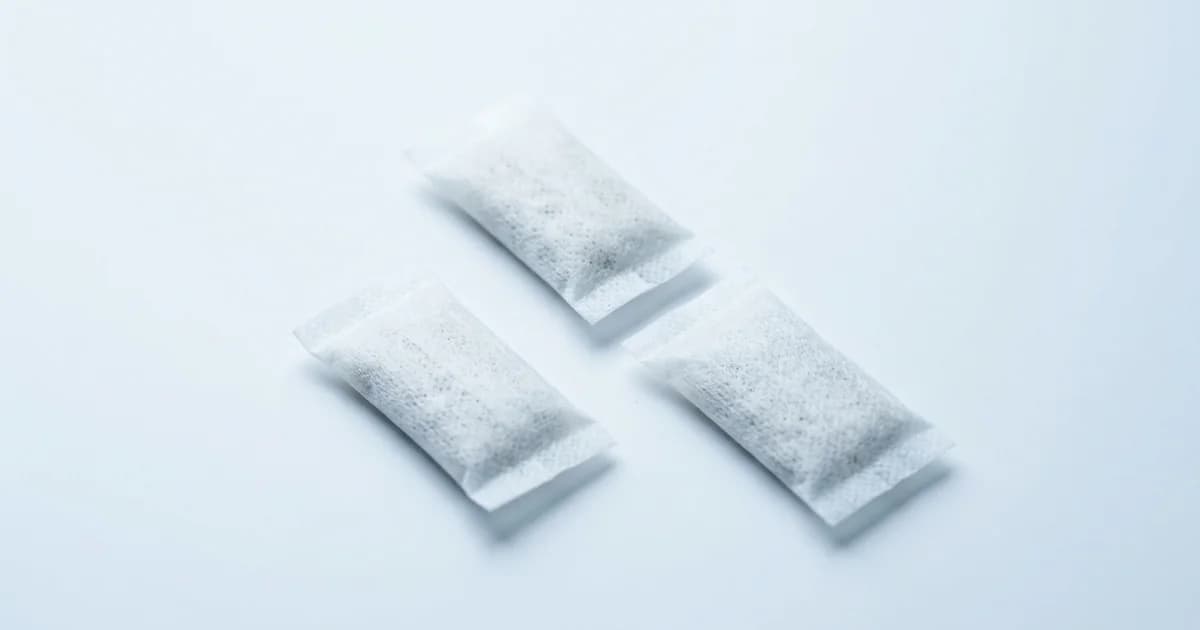
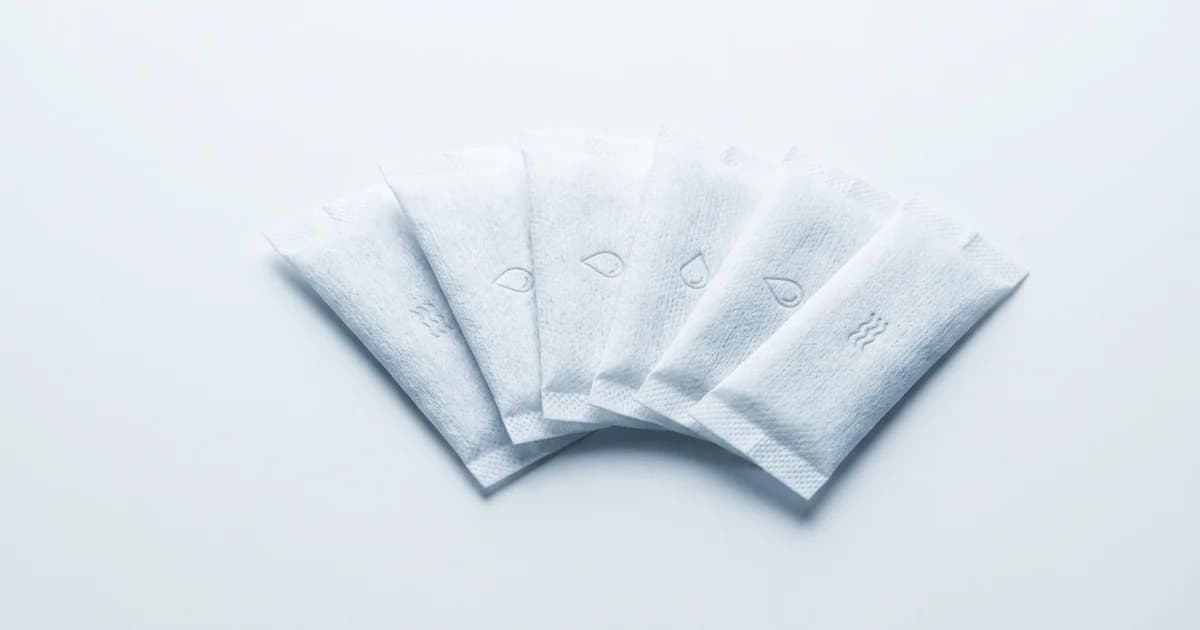
Energy drinks pair caffeine with high sugar and other stimulants. Focus pouches deliver caffeine sublingually, through the tissue under your lip, with no liquid, no sugar, and no calories. Many include L-theanine or other nootropic compounds to modulate the caffeine response. Onset is typically 5 to 10 minutes.
Does L-theanine reduce caffeine's effectiveness?
No. L-theanine does not block or reduce caffeine absorption. It modulates the subjective experience by promoting alpha-wave brain activity associated with calm focus. Studies show the combination improves attention performance compared to caffeine alone, so L-theanine may actually enhance the useful effects while reducing jitters.
Why 80 mg Lasts Longer Than Your Large Coffee
Most caffeine products assume more is better. Roon assumes the dose is already enough and the real problem is duration. Here is the mechanism behind that bet.
In a human pharmacokinetic study, co-administering methylliberine with 150 mg of caffeine reduced caffeine's oral clearance from 41.9 to 17.1 L/hr and extended its half-life from 7.2 to 15 hours, with no increase in peak concentration. Same peak, longer tail. That is what Roon's 25 mg of Dynamine (methylliberine) does to 80 mg of caffeine: it stretches a small-coffee dose into a felt window of 6 to 8 hours instead of coffee's typical 3 to 4. The 60 mg of L-theanine smooths the ride, and 5 mg of theacrine (TeaCrine) adds a component that does not build tolerance the way caffeine alone does.
A longer half-life means one real trade-off: do not take Roon within 8 hours of bedtime.
Roon is not the cheapest option, and it contains no adaptogens, mushroom extracts, or paraxanthine. What it offers is duration from a sublingual pouch that hits in 5 to 10 minutes with zero nicotine. At $9.16 per tin subscribed ($0.61 per pouch), you are paying for the shape of the curve, not the size of the spike. If sustained focus for knowledge work, study, or long creative blocks is what you need, try Roon.
Written by Roon Team