Energy Tea Without Caffeine: What Actually Works
Roon Team

Energy Tea Without Caffeine: What Actually Works (And What Doesn't)
You want energy. You don't want caffeine. So you type "energy tea without caffeine" into Google and get hit with a wall of listicles recommending chamomile. Chamomile. The tea people drink to fall asleep.
The truth is more complicated than most wellness blogs want to admit. Some caffeine-free herbal teas do have real, measurable effects on alertness and mental performance. Others are basically hot, flavored water with good marketing. Knowing the difference saves you money and, more importantly, saves you from wondering why your energy tea without caffeine isn't doing anything at 2 PM on a Tuesday.
This guide breaks down which teas actually give you energy without caffeine, what the research says about each one, and where the limits of caffeine-free energy really are.
Key Takeaways
- Peppermint and ginseng teas have the strongest research backing for boosting alertness without caffeine.
- Rooibos and ginger teas support energy indirectly through antioxidant activity and improved circulation, but won't replace your morning coffee.
- Adaptogenic teas (ashwagandha, rhodiola) help regulate stress hormones, which can reduce fatigue over time.
- No energy tea without caffeine delivers the same acute focus boost as caffeine. If you need real cognitive performance, the science points toward low-dose caffeine paired with L-theanine.
What Tea Gives You Energy Without Caffeine?
Before we get into the list, a quick primer on how these teas work. Caffeine blocks adenosine receptors in your brain, which directly prevents drowsiness. No herbal tea replicates that mechanism. Instead, an energy tea without caffeine boosts alertness through secondary pathways: improving blood flow, reducing inflammation, modulating stress hormones, or stimulating your nervous system through aromatic compounds.
That distinction matters. You're not getting the same type of energy from a tea for energy without caffeine. You're getting a gentler, slower effect that works best as a daily habit rather than an acute performance tool.
Peppermint Tea
Peppermint is the strongest contender in the energy tea without caffeine category. Research published on Healthline notes that natural compounds in peppermint may have beneficial effects on energy levels and can reduce fatigue. The mechanism appears to involve menthol's effect on the olfactory system, which triggers increased alertness through direct stimulation of the trigeminal nerve.
A study cited by Simple Loose Leaf found that among 180 volunteers, drinking peppermint tea had a positive effect on mood and increased alertness. That's a decent sample size for a tea study.
The practical takeaway: peppermint tea works best as a mid-afternoon pick-me-up. It won't replace coffee, but it's one of the few herbal teas for energy without caffeine that has real data behind it.
Ginseng Tea
Ginseng has centuries of use in traditional Chinese medicine and, unlike many traditional remedies, a growing body of clinical research to back it up. A systematic review published in PubMed concluded that ginseng is a "promising treatment for fatigue," with both American and Asian ginseng showing viability as treatments for fatigue in people with chronic illness.
According to the Cleveland Clinic, Asian ginseng in particular is believed to boost physical energy levels, while American ginseng may also function as a fatigue fighter. The active compounds, called ginsenosides, appear to influence the hypothalamic-pituitary-adrenal (HPA) axis, which regulates your body's stress response and energy allocation.
One caveat: most ginseng studies use concentrated extracts, not brewed tea. The amount of ginsenosides you get from steeping a ginseng tea bag is lower than what's used in clinical trials. If you're serious about ginseng as an energy tea without caffeine, look for teas that list the ginsenoside content on the label.
Rooibos Tea
Rooibos is the darling of the caffeine-free tea world, and for good reason. It's naturally sweet, packed with antioxidants, and won't keep you up at night. But does this popular energy tea without caffeine actually deliver?
Sort of. A 2021 review referenced by Healthline found that rooibos tea may have beneficial effects on inflammation by preventing the growth of angiotensin converting enzymes. Reduced systemic inflammation means your body spends less energy fighting itself, which can translate to feeling more alert. A scoping review published in PMC found that rooibos has been shown to enhance lipid profiles, boost antioxidant status, and lower blood glucose levels in both healthy and at-risk individuals.
The energy effect here is indirect. Rooibos won't make you feel wired. It supports the metabolic conditions that help you feel less sluggish over weeks of consistent use. Think of it as maintenance, not a boost.
Ginger Tea
Ginger tea is a workhorse. It improves circulation, supports digestion, and has strong anti-inflammatory properties. The energy connection comes primarily from improved blood flow. When your circulatory system is working efficiently, oxygen delivery to your brain and muscles improves, and you feel more awake.
Ginger also stimulates thermogenesis, the process of heat production in your body. That slight increase in metabolic activity can create a mild energizing effect, especially when consumed in the morning on an empty stomach.
Like rooibos, ginger tea is better understood as a supporting player in the energy tea without caffeine lineup. It makes other energy strategies work better rather than serving as a standalone solution. If you're stacking multiple herbal teas throughout the day, ginger in the morning and peppermint in the afternoon is a solid caffeine-free protocol.
Adaptogenic Teas: Ashwagandha and Rhodiola
Adaptogens are herbs that help your body manage stress more efficiently, and they sit among the most studied natural energy boosters available without caffeine. Two of the most studied are ashwagandha and rhodiola, both available as caffeine-free tea blends.
According to Kucha Tea, adaptogens support sustainable energy levels without causing crashes or jitters by nourishing the adrenal glands and balancing neurotransmitter function. Rhodiola tends to be more energizing, while ashwagandha leans more toward calming and stress reduction. Used together, they can support steady, calm focus under stress, making them a popular herbal tea for energy without caffeine.
The catch with adaptogenic teas is time, a limitation worth keeping in mind as you weigh caffeine-free supplement options beyond tea. These aren't acute stimulants. Most research on adaptogens shows benefits emerging after weeks of consistent daily use. If you need energy right now, an adaptogenic energy tea without caffeine won't deliver. If you're building a long-term strategy to reduce chronic fatigue, they're worth considering.
Teas That Give You Energy Without Caffeine: A Quick Comparison
| Tea | Energy Mechanism | Onset | Best For |
|---|---|---|---|
| Peppermint | Nervous system stimulation via menthol | 10-20 min | Afternoon alertness |
| Ginseng | HPA axis modulation, ginsenosides | 30-60 min | Sustained daily energy |
| Rooibos | Antioxidant support, reduced inflammation | Weeks | Long-term vitality |
| Ginger | Improved circulation, thermogenesis | 15-30 min | Morning energy, digestion |
| Ashwagandha | Cortisol regulation | 2-4 weeks | Stress-related fatigue |
| Rhodiola | Dopamine/serotonin support | 1-2 weeks | Mental endurance |
So what tea gives you energy without caffeine most effectively? Based on the research, peppermint and ginseng lead the pack for noticeable, shorter-term effects, while adaptogens and rooibos play a longer game.
The Honest Limits of Energy Tea Without Caffeine
Here's where most articles on this topic stop being honest with you.
An energy tea without caffeine can support alertness. It can reduce fatigue. It can improve how you feel over time. But no tea for energy without caffeine delivers the acute, measurable cognitive boost that caffeine provides. The mechanisms are different. The magnitude is different. The timeline is different.
If your goal is to avoid caffeine entirely because of sensitivity, pregnancy, or a medical condition, herbal teas and energy pills without caffeine are both solid choices worth comparing. Peppermint and ginseng in particular offer real, research-backed benefits.
But if your goal is to avoid the downsides of caffeine (the jitters, the crash, the tolerance spiral) while still getting sharp, reliable focus, the better question isn't "which energy tea without caffeine should I drink?" It's "how do I use caffeine smarter?"
This is where the conversation gets interesting. Because the science on low-dose caffeine, when paired with the right compounds, tells a very different story than the "caffeine is bad" narrative suggests.
When the Real Problem Isn't Caffeine, It's How You Use It
Most people who search for a tea for energy without caffeine aren't actually anti-caffeine. They're anti-jitters. Anti-crash. Anti-needing-three-cups-just-to-feel-normal.
Those problems aren't caused by caffeine itself. They're caused by too much caffeine, consumed too fast, with nothing to smooth out the ride.
A study published on PubMed found that just 40mg of caffeine combined with 97mg of L-theanine helped young adults focus attention during demanding cognitive tasks. That's less caffeine than a single cup of green tea delivers on its own. The L-theanine, an amino acid found naturally in tea leaves, modulated the stimulant effect to produce focus without the anxious edge.
Another PubMed study confirmed that the L-theanine and caffeine combination improved both speed and accuracy on attention-switching tasks and reduced susceptibility to distracting information. The effect was measurable at both 60 and 90 minutes post-consumption.
The science is clear: the problem most people have with caffeine isn't the molecule. It's the dose and the delivery. Get those two things right, and caffeine becomes the cleanest, most reliable cognitive tool available. That's something no energy tea without caffeine can match for acute performance.
Clean Energy, Zero Crash
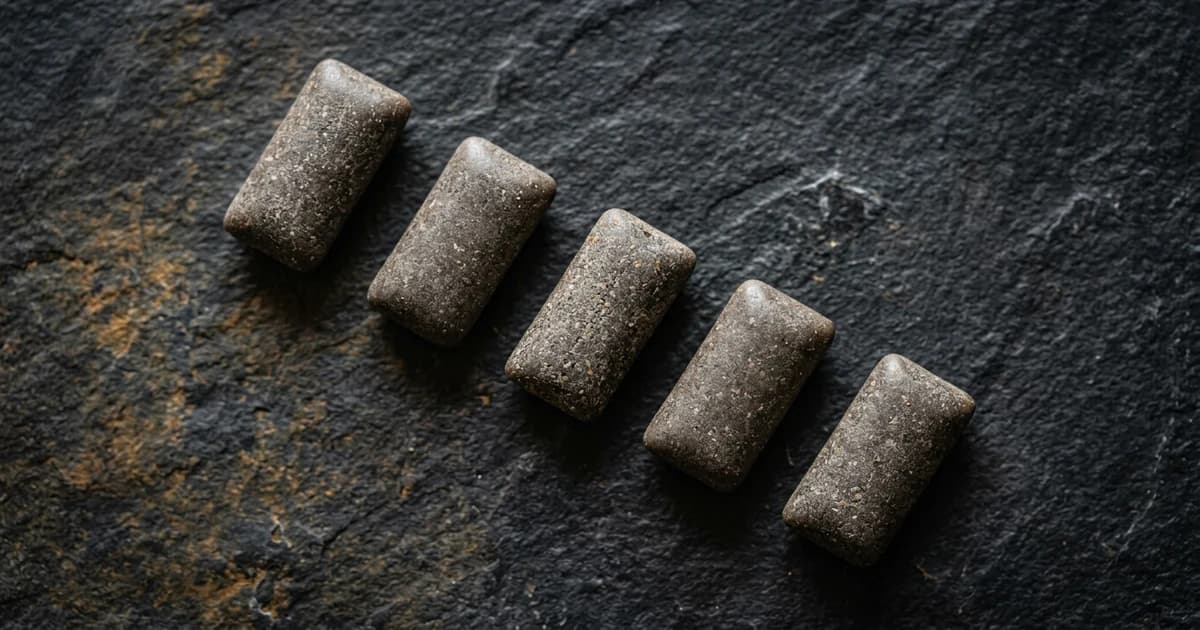
This is exactly the principle behind Roon. Instead of dumping 200mg of caffeine into your system and hoping for the best, Roon's nootropic pouches use a sublingual delivery format with 80 mg of caffeine paired with 60 mg of L-theanine, 5 mg of theacrine, and 25 mg of methylliberine. Research from a medRxiv preprint shows that theacrine, unlike caffeine, does not appear to be associated with tolerance buildup, meaning you get the same effect on day 30 as you did on day one.
The result is 6-8 hours of sustained focus. No jitters. No crash. No nicotine. No brewing required.
If energy tea without caffeine is your thing, drink it. Peppermint and ginseng are genuinely good options. But if what you really want is clean, controlled energy that actually performs when you need it, Roon is worth a look.