Energy Drink Alternatives Without the Sugar Crash: Cleaner Picks Than Celsius, Red Bull, and Monster
Roon Team
Energy Drink Alternatives Without the Sugar Crash: Cleaner Picks Than Celsius, Red Bull, and Monster
You crack a can at 2 p.m. to push through the wall. By 4 p.m. you feel worse than before you drank it. That afternoon dip is the reason most people start hunting for energy drink alternatives in the first place, and the good news is the options have gotten a lot smarter.
The problem usually is not caffeine. It is the sugar riding shotgun with it, the dose that is too big, and the format that dumps everything into your bloodstream at once.
This guide ranks the cleaner picks, explains the science of why you crash, and shows you what to look for so your next pick-me-up does not leave you flat an hour later.
Key Takeaways
- The crash is driven by two things at once: caffeine wearing off and a sugar-insulin spike that overshoots and drops your blood sugar.
- Many "healthy" cans still carry 200 mg or more of caffeine, which is more than double a cup of coffee.
- The best healthy energy drink alternatives pair a moderate caffeine dose with something that smooths the edge, like L-theanine.
- Format matters. Sugar-free, low-dose, and slow-release options tend to avoid the spike-and-drop pattern entirely.
Why Energy Drinks Make You Crash in the First Place
The crash is not in your head, and it is not just the caffeine fading. It is a two-part problem.
First, the sugar. A standard can of Red Bull or Monster hits you with a fast wave of liquid sugar that your body absorbs almost immediately. Your pancreas answers with a flood of insulin to pull that blood sugar back down, and insulin tends to overcorrect.
That overshoot is what leaves you drained 90 minutes later. Yes, energy drinks cause a crash, and most regular consumers have felt it. In a large systematic review, about 23% of energy drink users reported experiencing "jolt and crash" episodes. The crash stems from two overlapping processes: caffeine wearing off and blood sugar dropping.
The numbers back this up. In clinical testing on adolescents, blood glucose peaked just 15 minutes after drinking, hitting about 136 mg/dL compared to 125 mg/dL from a similarly sugary soft drink. So an alternative to energy drinks is not really about quitting caffeine. It is about cutting the sugar and dialing the dose to something your nervous system can handle.
How Much Caffeine Is Actually in Your Can?
Here is where the "healthy" marketing gets slippery. A lot of the trendy cans carry far more caffeine than people assume.
Take Celsius, which markets itself as the clean choice. Celsius drinks have 10 calories, most have zero grams of carbohydrates and a can has between 200-270mg of caffeine. That is a real point in its favor on sugar, but the caffeine load is steep. Celsius, Alani Nu, and Prime all contain the same amount of caffeine, more than double what you'd get from a standard cup of coffee.
The classics lean hard on sugar. The original Red Bull (8.4 oz) contains 80 mg of caffeine. It also contains 27 grams of sugar and 105 milligrams of sodium, along with sucrose, glucose, artificial flavors, colors, and other additives. Monster is in the same territory. Monster contains 28 grams of sugar per 8.4-ounce (248-ml) can, which is comparable to Red Bull.
For context, the original Red Bull and Monster differ mostly by size. Red Bull contains 80mg of caffeine per 8.4 fl oz can, while Monster contains 160mg per 16 fl oz can. The concentration of caffeine per ounce is similar, but Monster delivers a larger total dose due to its bigger serving size.
If you want low caffeine energy drinks or anything close to a moderate dose, most of the mainstream cans miss the mark on at least one front: either too much sugar, too much caffeine, or both.
The Best Energy Drink Alternatives, Ranked
Here are the cleaner picks worth your money, scored on sugar, caffeine sanity, and how well they avoid the spike-and-drop. Every option here skips the 27 grams of sugar.
1. Caffeine + L-Theanine Pouches (Roon)
The smartest format for avoiding a crash pairs a moderate caffeine dose with L-theanine, the calming amino acid in green tea. Roon is a zero-sugar sublingual pouch built on this pairing, with 80 mg caffeine, 60 mg L-theanine, 25 mg methylliberine (Dynamine), and 5 mg theacrine (TeaCrine). No liquid sugar means no insulin spike, so the crash mechanism never gets triggered. It is honest to say this still contains caffeine, so it is not a caffeine-free option.
2. Matcha
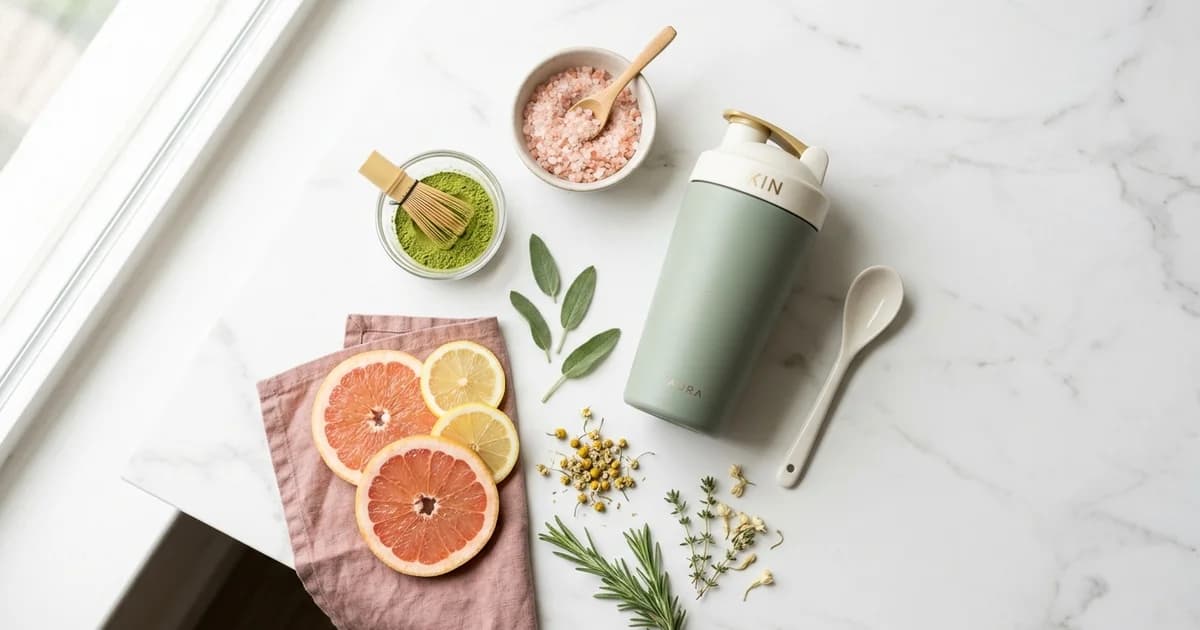
Whole-leaf green tea powder gives you a gentler caffeine curve plus naturally occurring L-theanine, which is exactly the combination research keeps pointing to. Roughly 30 to 70 mg of caffeine per serving puts it squarely in the moderate range. The catch is taste and prep time.
3. Yerba Mate (Unsweetened)
A traditional South American brew with a moderate caffeine dose and a fuller flavor than tea. Skip the canned sweetened versions, which can carry as much sugar as soda. Brewed loose-leaf is the clean play.
4. Cold Brew or Black Coffee
Zero sugar by default and a known quantity. The downside is the caffeine spike with nothing to soften it, which is why some people add L-theanine on the side. A reliable energy drinks without the crash swap if you keep the dose reasonable.
5. Sugar-Free Sparkling Energy (Celsius, Alani Nu)
Better than the sugary classics on the sugar front, but watch the caffeine. At 200 mg or more per can, these are easy to overdo, especially if you stack two in a day.
Comparison Table: Cleaner Picks vs. the Classics
| Option | Caffeine | Sugar | Crash Risk | Format |
|---|---|---|---|---|
| Roon pouch | 80 mg | 0 g | Low (L-theanine smoothed, no sugar) | Sublingual pouch |
| Matcha | ~30 to 70 mg | 0 g | Low | Whisked tea |
| Yerba mate (unsweetened) | ~80 mg | 0 g | Low to moderate | Brewed tea |
| Black coffee | ~95 mg | 0 g | Moderate | Brewed |
| Celsius | 200 to 270 mg | 0 g | Moderate (high dose) | Canned |
| Red Bull | 80 mg | 27 g | High (sugar spike) | Canned |
| Monster (16 oz) | 160 mg | 28 g | High (sugar spike) | Canned |
Caffeine values are approximate and vary by product and serving size. Sugar figures reflect standard, non-sugar-free versions.
What to Look for in a Clean Pick
Three things separate a smart swap from another crash waiting to happen.
Zero or near-zero sugar. This is the single biggest lever. No liquid sugar, no insulin overshoot, no afternoon collapse.
A sane caffeine dose. Aim for something in the 50 to 100 mg range per serving if you crash easily. You can always have a second. You cannot un-drink 270 mg.
Something that buffers the caffeine. L-theanine is the most studied option here. When taken together, these compounds can balance each other out, mitigating the jittery effects of caffeine while aiding its positive impacts on focus and mental clarity. Research has shown that this combination can improve attention and reaction time.
The effect on the body is measurable, not just subjective. In a double-blind, placebo-controlled study examining caffeine and L-theanine alone and together, researchers reported that adding L-theanine eliminated caffeine's vasoconstrictive effect.
If you want to go deeper on that pairing, our breakdown of why L-theanine and caffeine work better together covers the ratio research in detail.
The Crash Is a Formula Problem, Not a Caffeine Problem
The afternoon crash is not the price you pay for energy. It is the price you pay for liquid sugar and oversized caffeine doses delivered with nothing to balance them.
Cut the sugar and the insulin overshoot disappears. Keep the caffeine moderate and pair it with L-theanine, and you get steady focus instead of a jagged peak followed by a slump. The cleanest picks all share that same logic, whether they come from a tea leaf or a modern pouch.
Pick the format that fits your day, keep the dose honest, and the 4 p.m. wall stops being inevitable.
Frequently Asked Questions
What is the healthiest alternative to energy drinks?
The healthiest options pair a moderate caffeine dose with no added sugar. Matcha, unsweetened yerba mate, and caffeine-plus-L-theanine formats all qualify. The reason they work is simple: without liquid sugar, your body never gets the insulin spike that drives the classic crash. Black coffee is also clean on sugar, though it lacks the calming buffer that L-theanine provides, so heavy crashers sometimes add L-theanine separately.
Are there energy drinks without the crash?
Yes, but the label matters more than the marketing. The crash comes from sugar and oversized caffeine doses, so look for zero-sugar options in a moderate caffeine range. Picks that include L-theanine smooth caffeine's rough edges further. Sugar-free cans avoid the sugar spike, but many still carry 200 mg or more of caffeine, which can produce its own jittery comedown if you are sensitive.
How much caffeine is in Celsius compared to coffee?
A can of Celsius contains between 200 and 270 mg of caffeine, which is more than double a standard cup of coffee. Alani Nu and Prime sit in the same range. That is not automatically dangerous for healthy adults, but it is easy to overshoot if you drink two in a day or pair one with coffee. If you crash easily, a lower dose around 80 to 100 mg is gentler on your system.
Why do Red Bull and Monster make me crash?
Both deliver a large hit of liquid sugar alongside caffeine. Red Bull packs about 27 grams of sugar per can and Monster about 28 grams. That sugar gets absorbed fast, your pancreas releases a surge of insulin, and the insulin tends to overshoot, dropping your blood sugar below where it started. Add the caffeine wearing off at the same time, and you get the familiar slump.
Are low caffeine energy drinks better for focus?
For many people, yes. A moderate dose in the 50 to 100 mg range supports steady alertness without the spike-and-crash pattern of a 200 mg-plus can. The goal is sustained focus, not a brief peak. Pairing a lower caffeine dose with L-theanine improves attention and reaction time in studies while keeping the experience calm rather than jittery.
Can I just drink coffee instead of energy drinks?
Black coffee is one of the cleanest swaps because it has zero sugar and a predictable dose. The tradeoff is that caffeine alone can feel sharp, especially on an empty stomach. Some people add L-theanine to take the edge off, since research shows the combination keeps the focus benefits while reducing the jitters. If you like coffee and keep the dose reasonable, it is a solid choice.
The Cleaner Caffeine for People Cutting Cans
If you landed here because you are trying to break up with energy drinks, the hard part is usually the caffeine, not the can. You still need the lift. You just want it without 27 grams of sugar and a 4 p.m. collapse.
That is the gap Roon was built to fill. It is a zero-sugar sublingual pouch with 80 mg of caffeine, 60 mg of L-theanine, 25 mg of methylliberine (Dynamine), and 5 mg of theacrine (TeaCrine), designed for a 5 to 10 minute onset and 6 to 8 hours of steady focus with no jitters and no crash. No liquid sugar means none of the insulin spike that makes cans betray you in the afternoon, and the L-theanine takes the sharp edge off the caffeine.
To be clear, Roon is not caffeine-free, and it is not a hydration drink or a meal replacement. It is a cleaner way to get a moderate, buffered dose of caffeine without the sugar. If you want energy without the spike-and-drop, try Roon as your swap for the next can.
Written by Roon Team