Dopamine Reset: What You Need to Know (Before You Try One)
Roon Team

Dopamine Reset: What You Need to Know (Before You Try One)
You may have already spent a chunk of your day scrolling before reading this. And after enough reels, notifications, and tabs, your brain can start to feel heavy, slow, and unmotivated.
That feeling has a name in pop culture: dopamine overload. And the supposed fix, a dopamine reset, has become one of the most searched wellness topics online. The idea is simple: stop doing the things that flood your brain with dopamine, wait for your neurochemistry to recalibrate, and emerge sharper, calmer, more focused.
But here's what most influencers won't tell you: the science behind a dopamine reset is more complicated than a 60-second TikTok makes it seem. Some of it is real. Some of it is nonsense dressed up in a lab coat. This article breaks down what actually works.
Key Takeaways
- A true "dopamine detox" is a misnomer. You can't drain dopamine from your brain like emptying a bathtub. But reducing compulsive, high-stimulation behaviors does have measurable benefits.
- Dopamine isn't the "pleasure chemical." It's closer to a motivation and prediction molecule. That distinction matters for understanding how to reset dopamine pathways.
- The original dopamine reset concept was grounded in behavioral therapy, not neuroscience hype. It got distorted by the internet.
- Practical strategies like exercise, cold exposure, and sleep do influence dopamine signaling in ways that research supports.
What Is a Dopamine Detox, Really?
The term "dopamine fasting" was coined in 2019 by Dr. Cameron Sepah, a clinical psychologist and professor at UCSF Medical School. His original protocol was based on cognitive behavioral therapy (CBT) principles. The goal was straightforward: reduce impulsive behaviors like emotional eating, excessive social media use, and compulsive gaming by scheduling deliberate periods of abstinence from those triggers.
Sepah himself has been clear that his method was never about literally lowering dopamine levels. So what is a dopamine detox in its original form? As Harvard Health noted, the original intent was to provide a framework for disconnecting from technology-driven compulsive behavior, not a neurochemical dopamine reset.
The internet, unsurprisingly, turned it into something much more extreme and much less nuanced. What started as a structured behavioral intervention became a viral challenge where people sat in dark rooms avoiding food, music, eye contact, and conversation. Some versions of the dopamine detox challenge even recommend avoiding exercise, which contradicts most of what we know about dopamine regulation.
Is a Dopamine Reset Real? (The Science Says: It's Complicated)
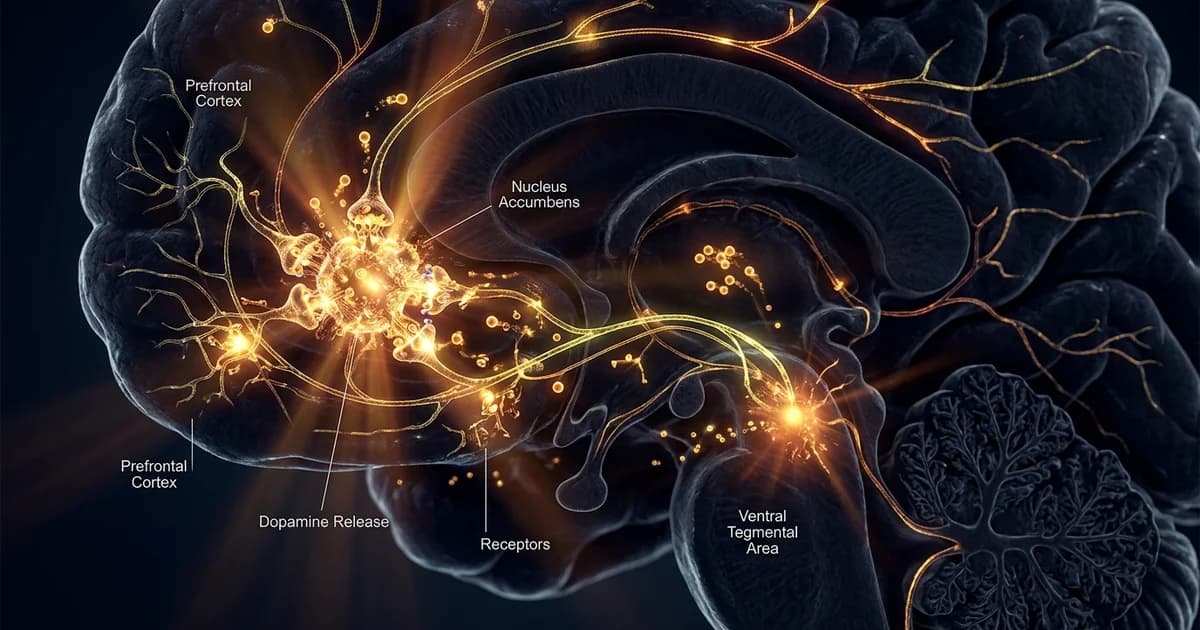
Let's get the neuroscience straight. Dopamine is not a pleasure chemical. That's an oversimplification that has been repeated so many times it feels true, but researchers have spent decades correcting it. Dopamine is better understood as a molecule involved in motivation, reward prediction, and learning. It helps your brain decide what's worth paying attention to and what actions to repeat.
A 2024 article from The Scientist put it plainly: temporarily fasting from pleasurable activities likely won't "reset" dopamine levels and doesn't accurately reflect this molecule's nuanced functions.
The Cleveland Clinic is even more direct, calling dopamine detoxes "a wellness trend based on bad science."
So is the whole dopamine reset idea fake? Not exactly. The problem isn't the behavior change. It's the explanation. You can't "detox" from a neurotransmitter your brain produces constantly. But you can change the behavioral patterns that lead to compulsive dopamine-seeking. That part is well-supported by decades of CBT research.
Think of it this way: the dopamine reset concept works, but the branding is terrible.
What Actually Happens When You're Overstimulated
Your brain doesn't run out of dopamine from too much scrolling. What changes is less about 'running out' of dopamine and more about how reward and stimulation patterns shape your brain's expectations over time. When you repeatedly expose yourself to high-dopamine activities (social media, processed food, pornography, gambling), your dopamine receptors begin to downregulate. You need more stimulation to feel the same reward. It overlaps with the same broad reward-learning logic people talk about in tolerance and habit formation, though the situations are obviously not identical.
The fix isn't to starve your brain of dopamine. It's to give your receptors time to upregulate by reducing the intensity of the stimulation you expose them to. That's the kernel of truth inside the dopamine reset concept, and it's why people who try one often report feeling better even if the neuroscience explanation they heard was wrong.
How to Reset Dopamine (Strategies That Actually Work)
Forget sitting in a dark room. If you want to know how to reset dopamine pathways effectively, here are the interventions that have real evidence behind them.
1. Reduce Digital Stimulation (Strategically)
Americans spend an average of 7 hours and 2 minutes per day on screens, according to recent data from DemandSage. That's a huge portion of the day spent in a state of constant digital stimulation, which is exactly the pattern a dopamine reset aims to correct.
You don't need to throw your phone in a lake. Start with boundaries:
- No screens for the first 60 minutes after waking. This prevents your brain from immediately entering reactive, high-stimulation mode.
- Batch your notifications. Check messages at set intervals instead of responding to every buzz.
- Replace one scroll session per day with a single-focus activity. Reading, walking, cooking. Anything that doesn't involve an algorithm feeding you content.
This isn't a dopamine detox in the viral sense. It's stimulus control, the same CBT technique that Sepah's original protocol was built on, and it's the most practical first step in any dopamine reset. We lay out that stimulus-control approach hour by hour in our guide to getting through a dopamine detox.
2. Exercise
This one isn't optional. Physical activity is one of the most reliable ways to influence dopamine signaling, and it should be central to any plan for how to reset dopamine naturally.
Research from NYU Grossman School of Medicine showed that mice running on a wheel for 30 days had a 40% increase in dopamine release in the dorsal striatum, the brain region involved in movement and motivation (NYU Langone News). The effect persisted even seven days after exercise stopped.
A study published in Frontiers in Public Health found that high-intensity interval training increased dopamine D2 receptor levels, which are the same receptors that get downregulated by chronic overstimulation. This is one reason exercise is one of the more credible habits to include in any dopamine reset plan.
You don't need to run ultramarathons. Thirty minutes of vigorous movement, three to five times per week, is enough to make a measurable difference.
3. Cold Exposure
Cold water immersion has become trendy for good reason, and it fits neatly into a dopamine reset protocol. Cold exposure has been linked in some studies to meaningful changes in catecholamine and dopamine-related responses, but this area is often overstated in wellness content. That's a larger and more sustained spike than most stimulants produce.
Some people use brief cold showers as a focus ritual, but the exact intensity and effect can vary a lot from person to person. It's uncomfortable. That's the point.
4. Sleep
Sleep deprivation directly damages dopamine signaling, which makes quality rest non-negotiable for anyone pursuing a dopamine reset. A study published in The Journal of Neuroscience found that even one night of sleep deprivation downregulates dopamine D2 receptors in the brain's reward center. This means that when you're sleep-deprived, you need stronger stimuli to feel motivated or rewarded, which drives you toward exactly the high-stimulation behaviors you're trying to reduce.
For most people, seven to nine hours of sleep is the baseline that makes everything else work better.
5. Nutrition
Your brain manufactures dopamine from the amino acid tyrosine. Foods rich in tyrosine include eggs, fish, poultry, dairy, nuts, and legumes. A diet low in protein can literally limit your brain's ability to produce adequate dopamine, undermining any dopamine reset effort before it starts.
This isn't about superfoods or supplements that claim to "boost" dopamine. It's about giving your brain the basic raw materials it needs.
What a Dopamine Reset Schedule Actually Looks Like
Here's a practical dopamine reset framework. It does not require anything extreme.
| Time of Day | Action | Why It Works |
|---|---|---|
| Morning (first 60 min) | No phone, sunlight exposure, movement | Allows cortisol/dopamine to rise naturally |
| Mid-morning | Single-task deep work block | Trains sustained attention without stimulation switching |
| Lunch | Protein-rich meal, short walk | Supplies tyrosine, gentle dopamine support from movement |
| Afternoon | Exercise (30+ min vigorous) | Increases D2 receptor density and dopamine release |
| Evening | Cold shower (2 min), screen curfew 1 hr before bed | Cold exposure boosts dopamine; screen reduction improves sleep |
| Night | 7-9 hours sleep | Receptor recovery and upregulation |
This isn't a "dopamine detox challenge" in the viral sense. It's a daily structure that supports your brain's natural dopamine regulation over time, and it's what a real dopamine reset looks like in practice.
The Tolerance Problem (And Why Most Stimulants Make It Worse)
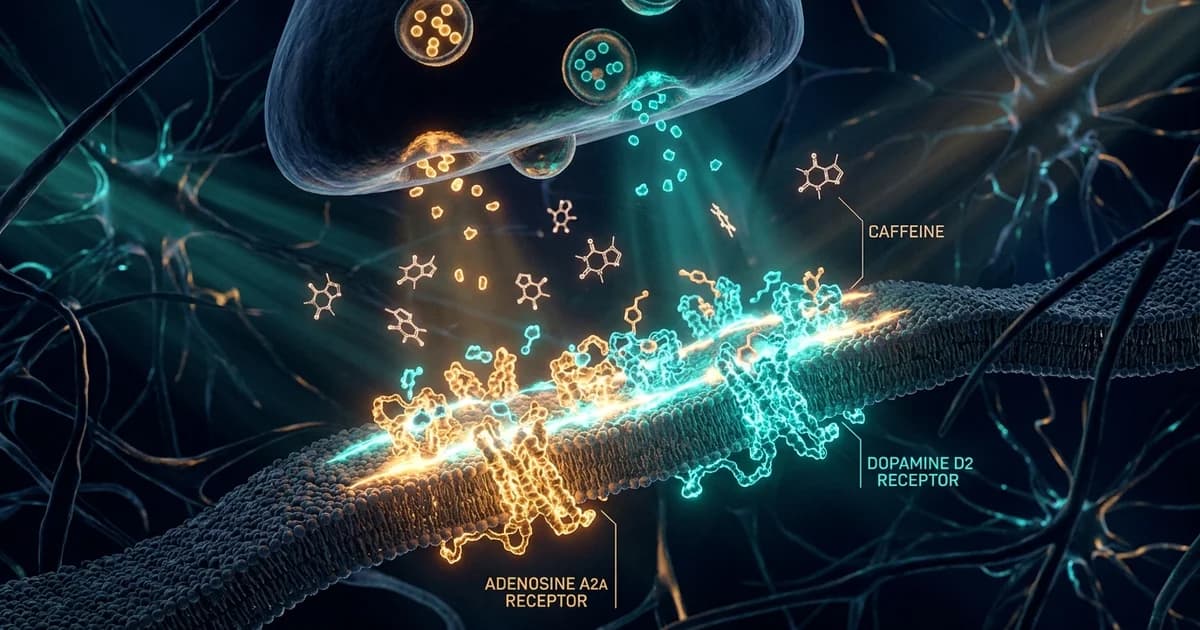
Here's where the dopamine reset conversation gets practical. Most people reaching for a cognitive boost turn to caffeine. And caffeine works, up to a point. But chronic caffeine use leads to adenosine receptor upregulation, which means you need more caffeine to get the same effect. That's tolerance. And it's the exact same pattern that drives the overstimulation cycle people are trying to escape with a dopamine detox.
This is where the chemistry of newer compounds gets interesting. Research published on medRxiv found that theacrine, a purine alkaloid similar to caffeine, modulates both adenosinergic and dopaminergic pathways. Theacrine may have a different tolerance profile from caffeine, but the long-term evidence is still much thinner.
A study in the journal Nutrients confirmed that seven days of theacrine supplementation did not induce sensitization or negatively affect tolerance, a pattern typical with chronic caffeine consumption. For anyone learning how to reset dopamine systems, choosing compounds that don't create new tolerance cycles is essential.
Methylliberine is often discussed as a faster-acting companion compound, though the evidence base is still emerging. Research published in PMC found that the combination of caffeine, theacrine, and methylliberine improved cognitive performance and reaction time without interfering with mood.
Support Your Dopamine Reset Without the Gimmicks
The dopamine reset trend points to a real problem: most of us are stuck in patterns of chronic overstimulation that dull our motivation, focus, and sense of reward. The solution isn't a 24-hour fast from all pleasure. It's building daily habits that support healthy dopamine signaling, and choosing inputs that work with your neurochemistry instead of against it. Now you know what is a dopamine detox in its true form, and why a structured dopamine reset beats a gimmicky challenge every time.
That's the thinking behind Roon. It's a zero-nicotine sublingual pouch built on a stack of caffeine (80 mg), L-Theanine, theacrine, and methylliberine, four compounds that support dopamine pathways and sustained focus for 6-8 hours without the jitters, crash, or tolerance buildup that comes with most stimulants.