Caffeine vs Paraxanthine
Roon Team
Caffeine vs Paraxanthine: What the Science Says About the "Cleaner" Caffeine
The caffeine vs paraxanthine debate has quietly become one of the most interesting arguments in the energy aisle. Paraxanthine is the molecule your body actually makes when it breaks down caffeine, and a handful of companies now sell it directly, marketed as a cleaner, smarter stimulant.
So is it real, or is it clever positioning around a caffeine metabolite most people have never heard of?
The short answer: paraxanthine is a legitimate compound with promising early human data, but the "cleaner caffeine" story is more nuanced than the marketing suggests. Here is what the research actually shows.
Key Takeaways
- Paraxanthine is the main thing caffeine turns into. When you drink coffee, your liver converts most of that caffeine into paraxanthine.
- It carries much of caffeine's upside for alertness and reaction time, with early evidence of fewer side effects in some people.
- The strongest human studies use a 200 mg dose of branded paraxanthine (enfinity), and most "outperforms caffeine" headlines come from animal or single-trial data.
- Paraxanthine is not the only path to smoother energy. Pairing caffeine with L-theanine or purine alkaloids like theacrine targets the same problem from a different angle.
What Paraxanthine Actually Is
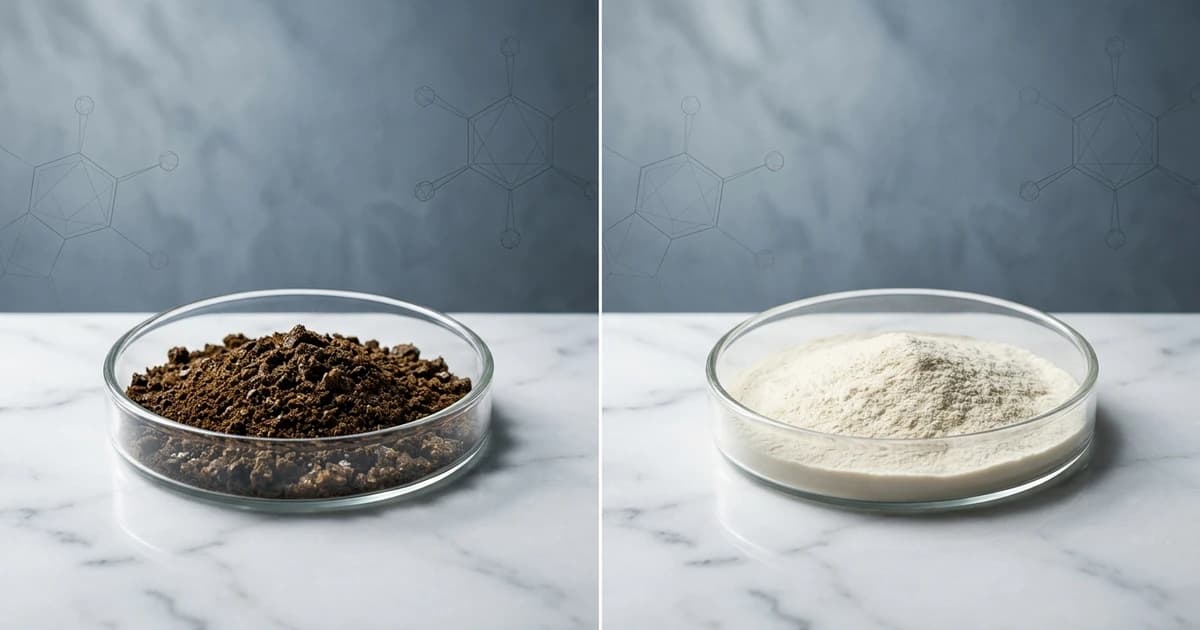
Paraxanthine is a caffeine metabolite, the primary one your body produces after you consume caffeine. It is not a synthetic stimulant invented in a lab. It is a molecule you already make every day.
Here is the mechanism. After you swallow caffeine, your liver gets to work using an enzyme called CYP1A2. CYP1A2 is involved in caffeine and paraxanthine demethylation. It converts caffeine mostly into paraxanthine (81.5%), theobromine (10.8%), and theophylline (5.4%).
That breakdown matters. Roughly four-fifths of the caffeine you ingest becomes paraxanthine, and most researchers credit paraxanthine with a large share of caffeine's perceived benefits. The other two metabolites are where some of the trouble lives.
According to an overview from NutraIngredients, Paraxanthine acts as a potent central nervous system stimulant, promoting alertness and focus with generally fewer side effects. Theobromine and theophylline are biologically active too, and they get tied to some of the less pleasant downstream effects.
Caffeine vs Paraxanthine: The Core Differences
The pitch for paraxanthine rests on three ideas: a shorter half-life, less anxiety, and cleaner stimulation. Two of those have decent support.
Half-life. Paraxanthine clears faster than caffeine for most people. Paraxanthine shows lower toxicity than caffeine and is less anxiogenic (anxiety-producing), less clastogenic (chromosome-damaging), and less harmful to hepatocytes than caffeine or theophylline. Paraxanthine's half-life averages 3.1 hours. Caffeine itself runs longer, which is part of why late-afternoon coffee can wreck your sleep.
This is the real selling point for slow caffeine metabolizers. Genetic differences among individuals affect caffeine metabolism, causing wide ranges in the half-life of caffeine, from 2 to 12 hours. If your genes process caffeine slowly, a metabolite that exits faster can mean energy without the 11 p.m. ceiling-staring.
The anxiety angle. The lower-anxiety claim comes mostly from preclinical and toxicology work, not large head-to-head human trials. It is promising, not proven at scale. Treat "less jittery" as a reasonable hypothesis, not a settled fact.
Here is how the two compare on the points that matter to a daily user:
| Factor | Caffeine | Paraxanthine |
|---|---|---|
| What it is | Parent stimulant from coffee, tea, cocoa | Main metabolite caffeine becomes in your liver |
| Average half-life | ~4 to 5 hours, up to 12 in slow metabolizers | ~3.1 hours |
| Metabolite variability | High, depends on CYP1A2 genetics | Lower, delivered directly |
| Anxiety/jitters | Common at higher doses | Early evidence of fewer side effects |
| Human research depth | Decades, thousands of studies | Small but growing, mostly one branded ingredient |
| Cost | Pennies | Premium |
What the Paraxanthine vs Caffeine Studies Really Found
This is where you separate the science from the headlines. The cleanest human evidence comes from dose-response work on the branded enfinity paraxanthine ingredient.
A 2021 trial published in Nutrients tested it directly. According to the NutraIngredients summary, a 2021 study published in Nutrients found that a single 200 mg dose of enfinity paraxanthine produced marked improvements in a range of cognitive measures, including memory, reaction time and attention.
A follow-up dose-response trial dug into how much you actually need. The published results in PMC reported that acute ingestion of 100 mg and 200 mg of PXN may affect some measures of cognition, memory, reasoning, and response time as well as help sustain attention. The benefits showed up at lower doses too, but the effects were most consistent at 100 mg and 200 mg.
The "outperforms caffeine" claim is shakier than the headlines imply. The most quoted comparison is an animal study. As Nutrition Insight reported, a new animal model study demonstrates the effects of paraxanthine, the main metabolite of caffeine, in enhancing memory and neuroplasticity. Rat brains are a starting point, not a verdict for humans.
There is one human comparison worth knowing. A 2024 trial in the Journal of the International Society of Sports Nutrition found that ingestion of 200 mg of paraxanthine enhanced memory, reaction time, and attention for up to 6 hours in healthy adults. That is real, but it is a single study from a research group with industry ties, so weigh it accordingly.
The honest read on the evidence
Paraxanthine works. The human data on cognition is positive and consistent within its dose range. The weak spot is the comparative claim. Calling it definitively "better than caffeine" leans on animal models and a thin set of human head-to-heads, often funded by the ingredient's distributor. Real paraxanthine benefits, modest overreach on the marketing.
Is Paraxanthine a Better "Clean Caffeine Alternative"?
For the right person, paraxanthine is a genuinely good clean caffeine alternative. If you are a slow metabolizer, sensitive to jitters, or someone who needs energy after 3 p.m. without sabotaging sleep, the shorter half-life is a real advantage.
For everyone else, the math is less obvious. Paraxanthine costs more, the long-term safety record is shorter than caffeine's decades of data, and most products only carry the dose in the 100 to 200 mg range that the studies validate.
There is also a quieter point the marketing skips. Paraxanthine is not the only way to smooth out caffeine. You can also change what you pair caffeine with.
Two strategies stand out. The first is caffeine plus L-theanine, a combination long studied for steadier focus and reduced jitters. The second uses purine alkaloids, the family that includes theacrine and methylliberine, which hit similar pathways to caffeine with a different profile.
Theacrine is especially interesting on the tolerance question. As noted in a pharmacokinetic study on medRxiv, theacrine, similar to caffeine, exerts psychostimulatory action via modulation of the adenosinergic and dopaminergic pathways, but unlike caffeine, theacrine does not appear to be associated with tolerance. That is a different fix for a related problem: not faster clearance, but slower habituation.
If you want a deeper look at those compounds, our breakdowns of theacrine vs caffeine and how L-theanine boosts caffeine's focus and attention benefits cover the mechanisms in detail.
Frequently Asked Questions
Is paraxanthine just caffeine?
No, though they are closely related. Paraxanthine is the main metabolite your liver creates after you consume caffeine. Caffeine converts into roughly 81% paraxanthine, plus smaller amounts of theobromine and theophylline. Paraxanthine carries much of caffeine's stimulant effect with a shorter average half-life of about 3.1 hours, which is why some people tolerate it better, especially later in the day.
Is paraxanthine safer than caffeine?
Early research suggests paraxanthine is less anxiety-producing and lower in toxicity than caffeine in lab settings. That said, caffeine has decades of human safety data, while paraxanthine's record is short. The honest answer is that paraxanthine looks promising on safety, but "safer" is not yet proven across large, long-term human populations. Both are stimulants and both deserve respect at high doses.
How much paraxanthine should I take?
The human studies that show consistent cognitive benefits used 100 mg to 200 mg of branded paraxanthine. A 200 mg single dose improved memory, reaction time, and attention for up to six hours in healthy adults. Lower doses around 50 mg showed weaker, less consistent effects. Start low, since individual stimulant tolerance varies widely.
Does paraxanthine cause a crash?
Paraxanthine's shorter half-life means it clears your system faster than caffeine, which can reduce the lingering buildup that contributes to a crash. A faster exit also means the effect may fade sooner for some users. How smooth the comedown feels depends on your dose, your genetics, and whether the product pairs it with other ingredients.
What is enfinity paraxanthine?
Enfinity is a branded, patented form of paraxanthine distributed by TSI Group. Most of the human clinical research on paraxanthine, including the 2021 Nutrients trial and the 2024 running study, used the enfinity ingredient. When you see paraxanthine in a supplement, it is frequently this branded version, which is why the ingredient and the brand name often appear together.
Does Roon contain paraxanthine?
No. Roon uses caffeine paired with L-theanine and two purine alkaloids, theacrine and methylliberine, rather than paraxanthine. Both approaches target the same goal of smoother, longer focus with fewer jitters. They simply take different routes: paraxanthine changes the molecule, while Roon changes the supporting cast around caffeine.
The Clean-Caffeine Question Has More Than One Answer
The caffeine vs paraxanthine comparison is not a knockout. Paraxanthine is a real compound with real human data behind its cognitive benefits, and its shorter half-life makes it a smart choice for slow metabolizers and anyone chasing afternoon energy without a sleepless night.
But "better than caffeine" is marketing running slightly ahead of the science. The strongest comparative claims still rest on animal studies and a small set of industry-linked human trials.
The deeper lesson is that "cleaner" energy is a design problem, not a single ingredient. You can swap caffeine for its metabolite, or you can keep caffeine and rebuild what surrounds it. Both can get you to steady focus without the spike and crash. The right answer depends on your body, your timing, and what you actually need from your stimulant.
Caffeine, Reinforced Instead of Replaced
Roon takes the second path in the clean-caffeine conversation. Rather than betting on paraxanthine, it keeps caffeine and surrounds it with three ingredients chosen to smooth and extend the effect.
Each Roon pouch delivers 80 mg of caffeine, 60 mg of L-theanine, 25 mg of methylliberine (Dynamine), and 5 mg of theacrine (TeaCrine), absorbed sublingually for a 5 to 10 minute onset. The goal is 6 to 8 hours of sustained focus with no jitters, no crash, and no tolerance buildup, which is the same problem paraxanthine fans care about, approached from a different direction.
To be clear about what it is not: Roon does not contain paraxanthine, and it will not undo a bad night's sleep or a skipped meal. If you want to feel the purine-alkaloid version of "clean caffeine" for yourself, try Roon and judge it on your own focus, not a headline.
Written by Roon Team