Cacao Coffee Replacement
Roon Team

Cacao Coffee Replacement: The Full Breakdown on Switching From Beans to Pods
Your third cup of coffee isn't making you more productive. If you've been curious about a cacao coffee replacement, you're not alone. That daily habit is making you jittery, slightly nauseous, and weirdly irritable by 2 p.m. You know this. You've known it for a while.
That's why the cacao coffee replacement trend has gained so much traction. People exploring healthy coffee replacement options are swapping their morning espresso for brewed cacao, ceremonial cacao lattes, and cacao-based energy drinks. The promise across brewed cacao, mushroom-based coffee substitutes, and similar products is sustained alertness, fewer side effects, and a richer nutrient profile than coffee can offer.
But does a cacao coffee replacement actually deliver? Or is this just another wellness fad dressed up in earthy packaging? Here's what the science says, what cacao actually does to your brain, and whether it's worth making the switch.
Key Takeaways
- Cacao contains theobromine, a stimulant that works differently from caffeine, producing a slower, gentler energy curve.
- Brewed cacao has roughly 15mg of caffeine per cup compared to coffee's 95mg, making it a low-caffeine option rather than a caffeine-free one.
- Theobromine has a longer half-life than caffeine, meaning its effects last longer without the sharp crash.
- Cacao is rich in minerals and antioxidants, but as a cacao coffee replacement it won't give you the same acute alertness that coffee provides.
First, Understand What Makes a Cacao Coffee Replacement Different
Cacao and cocoa are not the same thing. The distinction matters more than most people realize.
Cacao refers to the raw, minimally processed bean harvested from Theobroma cacao trees, which originated in the jungles of Central America. As HighYa explains, the name "cacao" (pronounced kah-KOW) remains unchanged from its ancient Mayan origins. Cocoa, on the other hand, is what you get after cacao has been roasted at high temperatures and often combined with sugar and milk solids. Think of it this way: cacao is the raw ingredient, cocoa is the processed product.
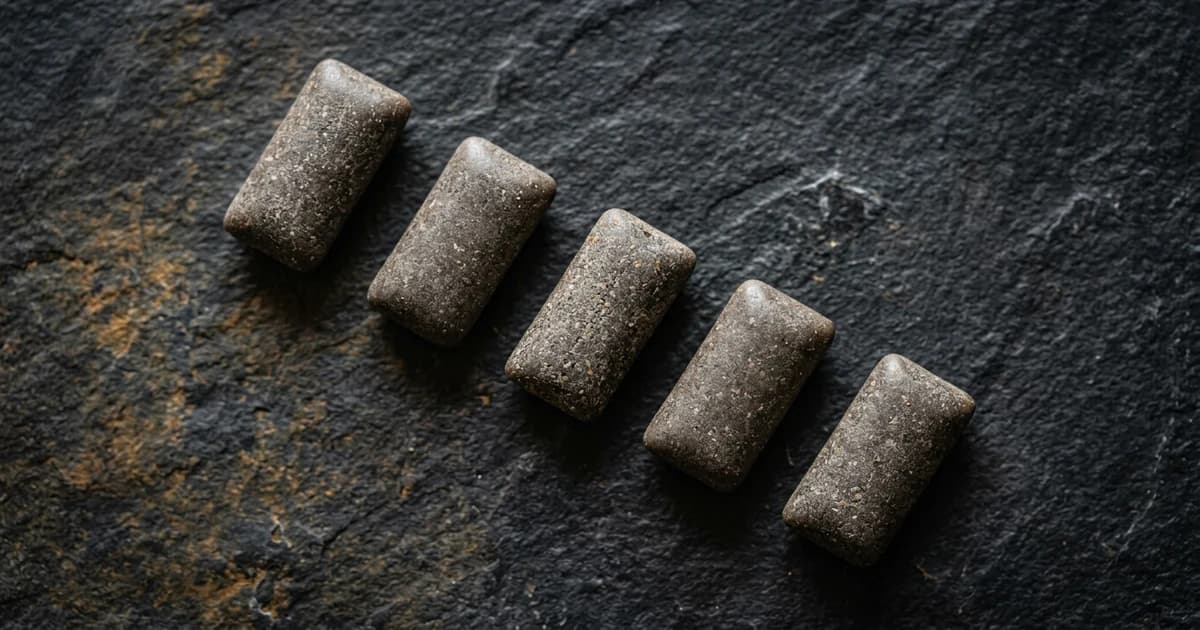
When people talk about a cacao coffee replacement, they're usually referring to brewed cacao. Ground cacao nibs are steeped or brewed much like coffee grounds. The result is a dark, slightly bitter drink with a rich chocolate aroma. Brands like Crio Bru and Choffy have built entire product lines around this concept, roasting and grinding cacao beans specifically for brewing.
The taste profile sits somewhere between dark chocolate and black coffee. It's earthy. It's bold. And it contains almost no caffeine relative to a standard cup of joe, which is exactly what makes cacao coffee replacement appealing to so many people.
The Active Ingredient: Theobromine
The real reason a cacao coffee replacement works isn't the tiny amount of caffeine it contains. It's theobromine.
Theobromine is a methylxanthine, the same chemical family as caffeine. But its effects on the body are distinct. Where caffeine stimulates the central nervous system directly (which is why it can trigger anxiety, rapid heartbeat, and jitters), theobromine works more gradually. It acts as a mild vasodilator, meaning it relaxes blood vessels and promotes smoother blood flow. According to Crio Bru, a typical cup of brewed cacao delivers about 350mg of theobromine and just 15mg of caffeine.
That ratio matters. You're getting a stimulant effect, but it comes on slower and lasts longer.
Theobromine and Cognitive Function
There's actual research behind theobromine's effects on the brain. A cross-sectional study using NHANES data from 2011 to 2014, published on PubMed, found that higher dietary theobromine intake was associated with improved verbal fluency and working memory in adults aged 60 and older.
Separately, a study published in the journal Nutrients found that theobromine improved working memory in rats by activating the CaMKII/CREB/BDNF pathway, a signaling cascade involved in memory formation and neural plasticity. As Examine.com summarized, higher theobromine intake was associated with improved cognitive functioning, though not with improved learning abilities.
The research is promising but still early. Most human data is observational, not from randomized controlled trials. That said, the mechanism of action is well understood, and the direction of the evidence is consistent. This is one reason the cacao coffee replacement concept has scientific legs, not just marketing hype.
One thing theobromine has going for it: a longer half-life than caffeine. Caffeine's half-life is roughly 5 hours, meaning half the stimulant is still active in your system at that point. Theobromine's half-life runs closer to 7 to 8 hours. That longer duration is part of why cacao coffee replacement fans report a more even energy curve throughout the day, without the abrupt drop-off that sends coffee drinkers back to the pot by mid-afternoon.
Cacao Coffee Replacement: How the Two Compare
Here's a side-by-side look at what you're actually getting per 8 oz serving:
| Factor | Coffee | Brewed Cacao |
|---|---|---|
| Caffeine | ~95mg | ~15mg |
| Theobromine | ~5mg | ~350mg |
| Primary stimulant effect | Fast onset, sharp peak | Gradual onset, sustained |
| Crash potential | High (especially 200mg+) | Low |
| Acidity | High | Low |
| Key minerals | Minimal | Magnesium, calcium, copper, potassium |
| Antioxidants | Moderate (chlorogenic acid) | High (flavonoids, polyphenols) |
The mineral profile is worth noting. Cacao is one of the richest natural sources of magnesium, a mineral that roughly 50% of Americans don't get enough of. It also delivers calcium, copper, and potassium. Coffee, for all its benefits, doesn't offer much in the mineral department. This nutritional edge is a real advantage for any cacao coffee replacement.
On the antioxidant front, raw cacao contains high concentrations of flavonoids and polyphenols. These compounds have been linked to cardiovascular health, reduced inflammation, and improved blood flow to the brain. Captain's Chocolate notes that the theobromine in cacao helps lower blood pressure and promotes healthier blood flow by dilating blood vessels, unlike coffee, which can increase heart rate.
The Honest Downsides of a Cacao Coffee Replacement
A cacao coffee replacement isn't a perfect 1:1 swap. If you're being honest about it, there are real tradeoffs.
It Won't Hit as Hard
If you need to go from asleep to alert in 15 minutes, a cacao coffee replacement won't do that. Coffee's high caffeine content creates a fast, noticeable spike in alertness. Caffeine blocks adenosine receptors aggressively, which is why that first sip feels like flipping a switch. Cacao's theobromine effect is subtler. Some people describe it as "calm energy" or "focused without the edge." That's great if you're sensitive to caffeine. Less great if you need a hard reset at 6 a.m.
The Taste Takes Adjustment
Brewed cacao tastes like unsweetened dark chocolate. Not hot cocoa. Not a mocha latte. If you're used to the sharp, acidic bite of coffee, your new cacao coffee replacement will feel flat at first. Most people add a splash of oat milk or a small amount of sweetener during the transition period.
Preparation Can Be Slower
Depending on the brand and method, brewing cacao can take longer than making a standard cup of drip coffee. Some products require a French press or a longer steep time. It's not a dealbreaker, but it's worth knowing before committing to a cacao coffee replacement routine.
It's Not Caffeine-Free
This catches some people off guard. Cacao still contains caffeine, just far less than coffee. If you're trying to eliminate caffeine entirely for medical reasons, a cacao coffee replacement alone won't get you there.
Who Should Actually Consider a Cacao Coffee Replacement?
A cacao coffee replacement makes the most sense for a specific type of person:
- You drink 3+ cups of coffee per day and want to cut back without going cold turkey.
- You're sensitive to caffeine and experience jitters, anxiety, or disrupted sleep from even moderate amounts.
- You want a morning ritual that delivers mild stimulation without the rollercoaster of peaks and crashes.
- You're interested in the micronutrient benefits (magnesium, antioxidants) that coffee doesn't provide.
If you're a one-cup-a-day coffee drinker who tolerates caffeine well and enjoys the taste, switching to a cacao coffee replacement doesn't offer a compelling advantage. You'd be trading acute alertness for a gentler, more diffuse effect.
The sweet spot for most people is a hybrid approach: cacao in the morning for a slow ramp-up, and a targeted caffeine source later if you need sharper focus during a demanding work block.
There's also a middle path worth considering. Some people rotate between coffee and cacao on different days, using coffee when they need peak alertness and cacao on days when they want steady, low-key focus without overstimulation. This rotation can help prevent caffeine tolerance from building up, a real problem for daily heavy coffee drinkers who find their morning cup stops working as well over time.
The Bigger Question: What Does "Clean Energy" Actually Look Like?
The cacao coffee replacement conversation points to a larger shift in how people think about stimulants. The old model was simple: drink coffee, get wired, crash, repeat. The new model is about precision. Matching the right compound, at the right dose, to the right moment.
Theobromine offers a long, gentle curve. Caffeine offers a sharp spike. Neither one alone is the full picture, and that's the limitation of any single-ingredient cacao coffee replacement.
That's the thinking behind Roon, a sublingual pouch that pairs 80mg of caffeine with L-Theanine, Theacrine, and Methylliberine. The caffeine dose is comparable to a cup of coffee, but L-Theanine smooths out the stimulant response so you get focus without the jittery edge. Theacrine and Methylliberine extend the duration without building tolerance.
The result is 6 to 8 hours of clean, sustained focus. No brewing. No crash. No guessing how much stimulant you're actually consuming.
If you've been exploring a cacao coffee replacement because you're tired of the coffee rollercoaster, it's worth looking at what a purpose-built cognitive stack can do. Try Roon here.
Clean energy, zero crash.