Brain Rot Images: What They Are, Why They Spread, and Why They Feel So Hard to Ignore
Roon Team
Brain Rot Images: What They Are, Why They Spread, and Why They Feel So Hard to Ignore
You've seen them. A shark wearing Nike sneakers. A crocodile fused with a bomber plane. A baboon growing out of a bush. These are brain rot images: surreal, AI-generated memes that have taken over feeds, short-form video, and internet culture. They look absurd. They sound absurd (most come narrated by an AI voice speaking fake Italian). And millions of people, mostly under 25, can't stop consuming them.
The term "brain rot" isn't new. Henry David Thoreau used it in Walden back in 1854. Oxford University Press pushed the term further into the mainstream when it named 'brain rot' its 2024 Word of the Year, noting a 230% increase in usage between 2023 and 2024, part of a broader surge in brain rot vocabulary and slang. Today, the term usually refers both to low-value online content and to the mental fatigue people feel after too much of it. So what happens when an entire generation builds its visual diet around content built to be absurd, instantly shareable, and hard to stop consuming? That's what this article is about.
Key Takeaways
- Brain rot images are surreal, AI-generated memes (like "Italian Brainrot") that went viral across social media in early 2025.
- The content is built around novelty and rapid reward, which can train your brain to expect constant stimulation with very little effort.
- Research links excessive low-quality digital consumption to reduced attention spans, emotional desensitization, and cognitive overload.
- Reclaiming focus requires both reducing passive consumption and actively supporting the neurochemistry behind sustained attention.
What Are Brain Rot Images, Exactly?
The most visible wave of brain rot images in 2025 is the Italian Brainrot meme. The clearest way to describe them is this: surreal, AI-generated meme characters with absurd names, visuals, and voiceovers. They are often described as "surrealist and absurd images of AI-generated creatures who are given pseudo-Italian names." Think Bombardiro Crocodilo (a crocodile-bomber hybrid), Tralalero Tralala (a shark in sneakers), and Ballerina Cappuccina (a ballerina with a cappuccino cup for a head).
They started circulating on TikTok in early 2025 and spread extremely fast across meme pages, fan edits, games, and merch. A single TikTok video comparing two of these characters racked up over 8 million plays and 750,000 likes in two days. Panini even released a sticker album. Roblox saw a flood of Italian Brainrot-themed games. The meme crossed from niche internet humor into mainstream culture within weeks.
But Italian Brainrot is just the latest example. As a category, brain rot images usually means low-effort, high-stimulation visual content built to grab attention instantly and move you to the next post. Rage-bait thumbnails. AI slop on Facebook. Endlessly looping "satisfying" videos. Algorithmically generated "what would happen if" images that exist purely to make you pause mid-scroll.
The Neuroscience of Why You Can't Stop Looking
The format changes every few months, but the formula stays familiar: fast novelty, quick reaction, next post. Your brain did not evolve for this volume of rapid-fire novelty. The scroll-reward loop is built around novelty and variable rewards, which is part of what keeps people swiping. Not because the content is rewarding, but because it might be. A 2025 paper published in the Journal of Public Health describes this as "variable reward schedules," the same mechanism that makes slot machines compelling. Each scroll is a pull of the lever.
The problem compounds over time. As PsyPost explains, every notification, like, and comment triggers dopamine, making it harder to stop. Scientists call this "delay discounting," where you choose the immediate micro-reward of new content over the larger, delayed reward of finishing actual work.
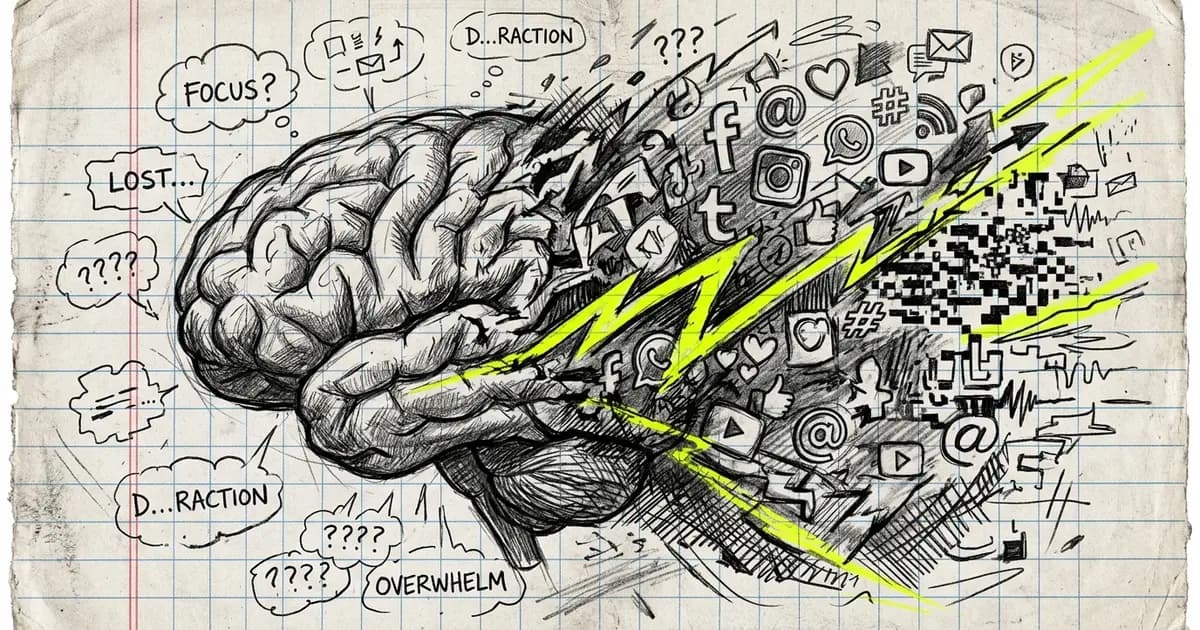
Brain rot images are especially sticky because they demand almost nothing from you. You don't need to read. You don't need to think. You just look, react, scroll. The brain gets its dopamine, the attention span gets a little shorter, and the cycle continues.
What the Research Actually Shows
This isn't just cultural hand-wringing. The data is real.
A 2025 review described brain rot as a pattern of mental exhaustion and cognitive strain linked to excessive exposure to low-quality online content, especially among younger people. The review found that brain rot leads to emotional desensitization, cognitive overload, and a negative self-concept.
A separate 2025 PMC study developing a "Brain Rot Scale" noted that prolonged screen exposure has been associated with weaker learning, poorer memory, and lower academic performance, with some studies also raising questions about longer-term brain effects.
The numbers on screen time tell a blunt story. Recent screen-time estimates still put average global daily screen use at about 6 hours and 54 minutes, with U.S. figures slightly above 7 hours. And 41% of teenagers spend over 8 hours on screens daily.
Meanwhile, attention spans are collapsing. Research into shrinking attention span science, including work from UC Irvine's Gloria Mark, found that the average time people spend on a single screen before switching dropped from 2.5 minutes in 2004 to just 75 seconds by 2012. More recent work tied to Gloria Mark's research puts average screen attention at about 47 seconds.
The Attention You Practice Is the Attention You Get
Here's the distinction that matters. Your brain isn't broken. It's adapting to the environment you've given it. When you spend hours consuming content that changes every 2 to 3 seconds (the average clip length in a brain rot compilation), your neural circuits optimize for that rhythm. Sustained focus on a single task for 30, 60, or 90 minutes starts to feel physically uncomfortable because your brain has been conditioned to expect a new stimulus every few seconds.
This is why brain rot images aren't just a meme trend. Over time, they can help train your brain toward shorter, faster attention patterns. They're a training protocol. One that works against you.
Brain Rot Images and the Dopamine-Attention Connection
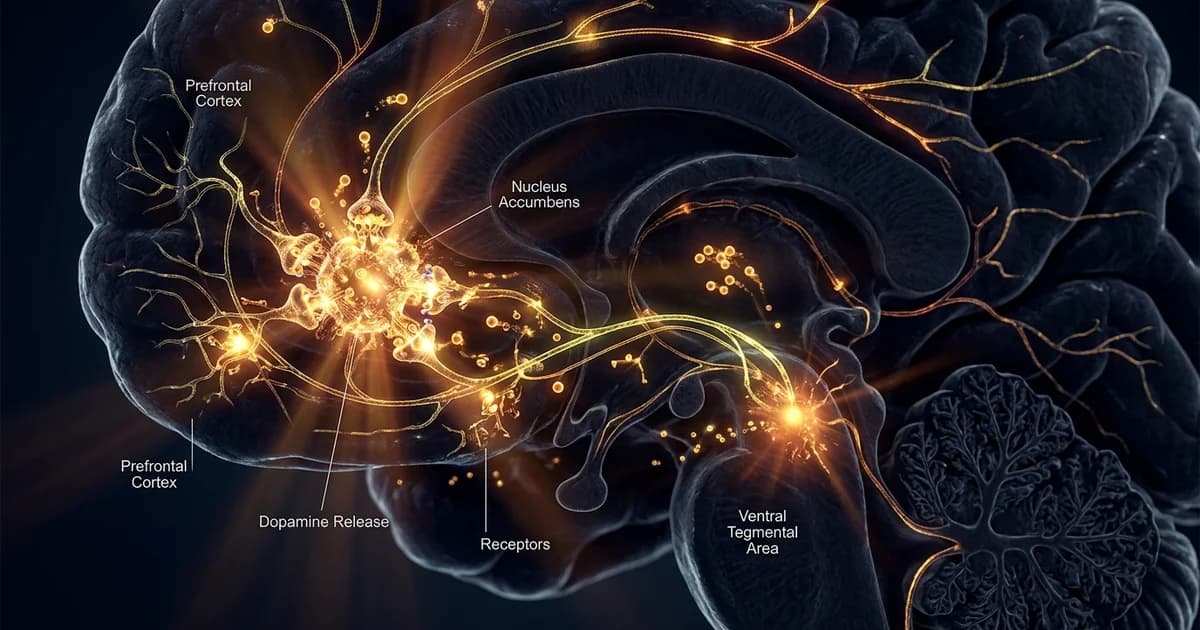
The neurochemistry here is not mysterious, even if it is more complicated than internet shorthand makes it sound. Dopamine doesn't just create pleasure. It regulates motivation, attention, and the ability to stick with a task when the reward isn't immediate. When your dopamine system is constantly stimulated by rapid-fire novelty, it recalibrates. The baseline shifts upward. Normal tasks (reading, working, having a conversation) feel less rewarding by comparison.
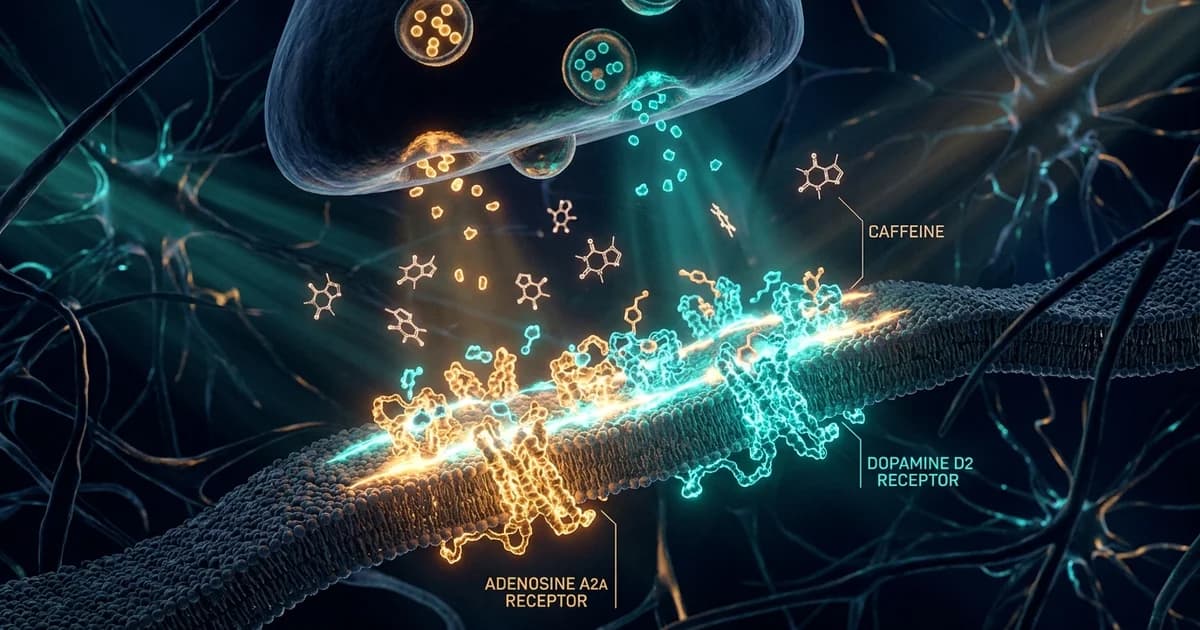
Adenosine, the neurotransmitter responsible for making you feel mentally fatigued, builds up faster when you're in a state of constant low-grade stimulation. You're not resting when you scroll. Your brain is still processing visual information, evaluating novelty, making micro-decisions. The fatigue accumulates without the recovery.
GABA, the brain's primary calming neurotransmitter, gets disrupted by the stress response that chronic overstimulation triggers. The result is a paradox: you feel both wired and exhausted. Alert but unable to focus. This is the state most people describe when they say they have "brain fog."
The combination of dysregulated dopamine, elevated adenosine, and suppressed GABA is, in neurochemical terms, the recipe for the exact cognitive state that brain rot images both cause and symbolize.
Put differently: the joke lands because a lot of people recognize the feeling behind it. When people share brain rot images and joke about their attention span being destroyed, they're describing a real neurochemical pattern, not just a mood.
How to Actually Reclaim Your Focus
Knowing the problem is step one. Here's what the science suggests for step two.
1. Audit Your Visual Diet
Track how much of your daily screen time goes to passive, low-effort content versus active, intentional use. Most people underestimate passive consumption by 40% or more. Use your phone's built-in screen time tracker for a full week without changing your behavior first. Look specifically at time spent on short-form video apps and image feeds. The number may be uncomfortable, but it gives you something real to work from.
2. Create Friction
Brain rot images spread because they're frictionless. No clicks, no decisions, just an endless feed. Add friction back in. Turn off autoplay. Move social media apps off your home screen. Set a 10-minute timer before you open TikTok or Instagram. The goal is not to rely on willpower alone. It is to make compulsive scrolling a little less automatic.
3. Train Sustained Attention
Your brain adapted to short-form content. It can adapt back. Neuroplasticity works in both directions. Start with 15 minutes of single-task focus (reading, writing, deep work) without checking your phone. Add 5 minutes each week. Within a month, you'll notice the difference. The first few sessions will feel genuinely difficult. That discomfort is often a sign that your attention has gotten used to faster rewards.
4. Support the Neurochemistry
The reward, fatigue, and calm-focus systems involved here do not rebalance overnight. Sleep helps. Exercise helps. But if you need to perform cognitively right now, the specific compounds that target these pathways matter.
A study on PubMed found that the combination of 97mg of L-Theanine and 40mg of caffeine improved cognitive performance and subjective alertness, specifically helping participants focus attention during demanding tasks. L-Theanine modulates GABA and promotes calm focus. Caffeine blocks adenosine receptors, reducing that foggy fatigue. Together, they address two of the three neurochemical disruptions behind brain rot.
What Helps More Than Another Scroll
Brain rot images are funny. Some of them are genuinely creative. But the cumulative effect of hours spent consuming content that asks nothing of your brain is measurable and real.
If you're feeling the fog, the fix isn't just behavioral. It's biochemical. The bigger point is that fixing this is not just about less screen time. It is also about rebuilding the conditions that make sustained attention easier. Roon was built around this exact problem. It's a zero-nicotine sublingual pouch containing Caffeine (80mg), L-Theanine, Theacrine, and Methylliberine, four compounds that target the adenosine, GABA, and dopamine pathways behind brain fog. No jitters. No crash. Just 6 to 8 hours of clean, sustained focus.
You can keep scrolling. Or you can try Roon and find out what your brain actually feels like when it's working for you instead of against you.