Brain Fog Nicotine Withdrawal: Why Your Brain Feels Broken
Roon Team

Brain Fog Nicotine Withdrawal: Why Your Brain Feels Broken (and When It Gets Better)
Short answer: Brain fog during nicotine withdrawal is a temporary neurochemical adjustment, not permanent damage. It peaks around days 2-3, eases noticeably across weeks 2-4, and dopamine signaling tends to return toward baseline near the three-month mark. The cause is documented: nicotine withdrawal produces measurable deficits in sustained attention, working memory, and response inhibition while your brain recalibrates its receptors and dopamine after losing a steady nicotine supply.
You quit nicotine three days ago, and you can't remember where you put your keys. Or why you walked into the kitchen. Or what your boss said in a meeting that ended 30 seconds ago. Brain fog nicotine withdrawal is real, it's measurable, and it has a biological explanation that has nothing to do with willpower.
The good news: it's temporary. The bad news: most people relapse before brain fog nicotine withdrawal clears, because they mistake a neurochemical adjustment period for permanent cognitive damage. It isn't. Here's exactly what's happening inside your skull, how long it lasts, and what you can do to get through it without crawling back to your vape.
Key Takeaways:
- Brain fog nicotine withdrawal peaks around days 2-3 and typically begins clearing within 2-4 weeks.
- The fog is caused by dopamine deficits and mood decline tied to excess nicotinic acetylcholine receptors, not a lack of intelligence or discipline.
- Dopamine function normalizes around the 3-month mark for most people.
- You can fight brain fog nicotine withdrawal (and figure out how to quit vaping without gaining weight) by stacking the right habits during recovery.
What Brain Fog Nicotine Withdrawal Actually Is
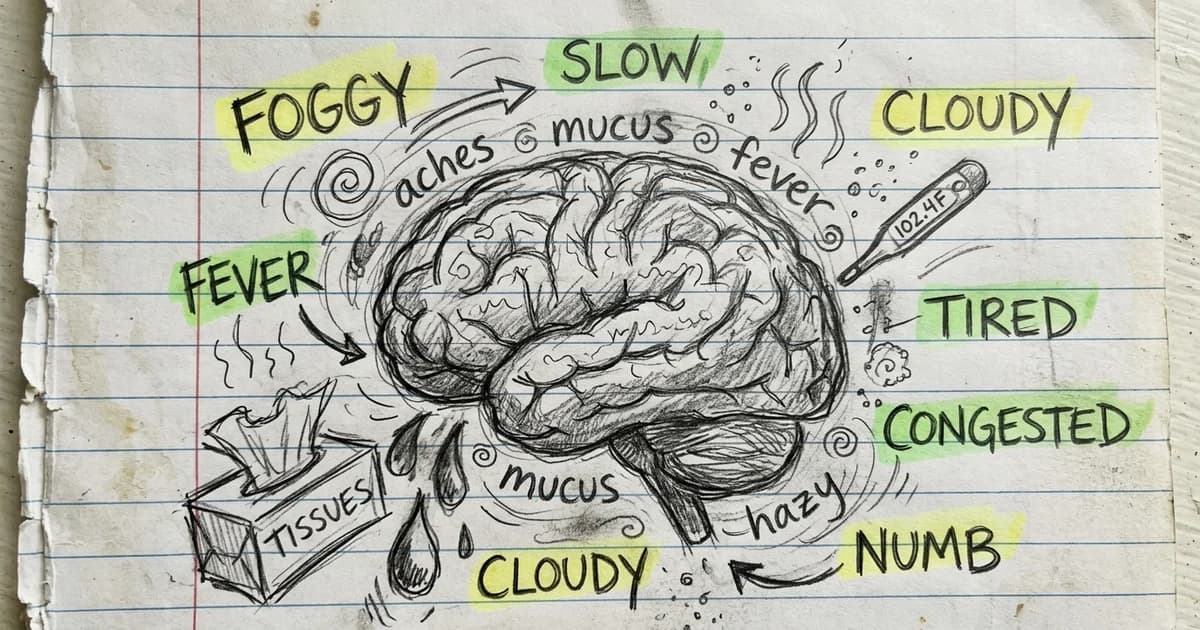
Brain fog isn't a clinical diagnosis. It's a shorthand for a cluster of cognitive withdrawal symptoms: poor concentration, slow recall, difficulty switching between tasks, and a general feeling that your brain is running on 56k dial-up.
A review published in the journal Neuropsychopharmacology found that nicotine withdrawal produces measurable deficits in sustained attention, working memory, and response inhibition. These aren't subjective complaints. They show up on standardized cognitive tests.
The reason brain fog nicotine withdrawal hits so hard is straightforward. Your brain adapted to a constant supply of nicotine. Now that supply is gone, and the machinery that was built to process it is sitting idle, misfiring, and recalibrating.
The Neuroscience: What Nicotine Did to Your Brain
To understand brain fog nicotine withdrawal, you need to understand what nicotine was doing before you quit.
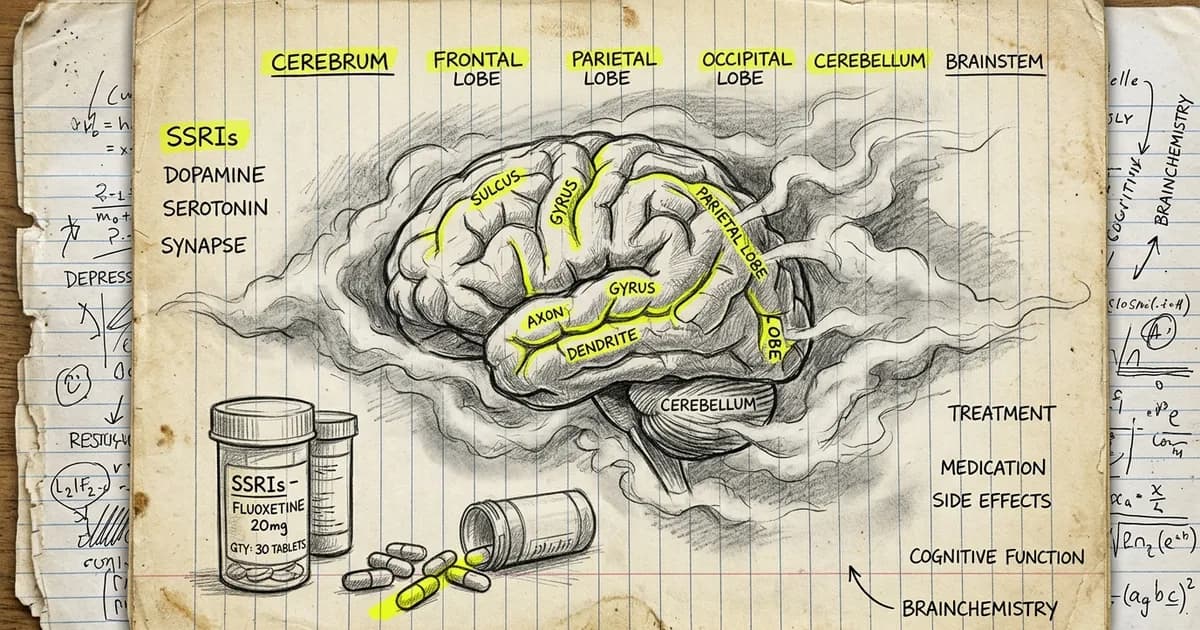
Nicotine binds to nicotinic acetylcholine receptors (nAChRs) in your brain. These receptors sit at the intersection of attention, memory, and reward. When nicotine hits them, they trigger a release of several neurotransmitters, the most important being dopamine and acetylcholine.
Here's the problem: your brain is efficient. When it receives a steady external supply of a chemical, it adjusts its own production downward. It also upregulates the number of receptors, building more docking stations for the nicotine it expects to keep receiving.
Research from PMC confirms that following chronic nicotine exposure, unbound nAChRs remain elevated for at least a week after cessation, and this receptor availability correlates directly with self-reported withdrawal and craving.
So when you quit, two things happen at once, and both contribute to brain fog nicotine withdrawal:
- Dopamine drops. Your brain's reward system, tuned to expect nicotine-driven dopamine, is now running a deficit.
- Excess receptors go unfilled. All those extra nAChRs your brain built are now empty, sending distress signals instead of focus signals.
The result is cognitive impairment that feels like someone turned the brightness down on your thinking.
The Timeline: How Long Does Brain Fog Nicotine Withdrawal Last?
This is the question everyone asks first. The answer depends on how much you used, for how long, and your individual biology. But the general pattern of brain fog nicotine withdrawal is well-documented.
| Timeframe | What's Happening |
|---|---|
| Hours 12-24 | Withdrawal symptoms begin. Irritability, anxiety, and the first hints of mental cloudiness appear. |
| Days 1-3 | Brain fog nicotine withdrawal peaks. Concentration is poor, short-term memory suffers, and you feel mentally sluggish. |
| Weeks 1-2 | The hardest physical symptoms begin to ease. Fog is still present but less intense. |
| Weeks 2-4 | According to WebMD, brain fog begins clearing noticeably, appetite settles, and energy starts returning. |
| Month 3 | Research reported by PsychCentral found that dopamine levels in the brain return to normal approximately three months after quitting. This is a major milestone for cognitive recovery. |
The first two weeks are where most people break. Data cited by PMC notes that unaided quit attempts commonly fail during the first two weeks of nicotine withdrawal, precisely when dopamine signaling is most disrupted.
Knowing this brain fog nicotine withdrawal timeline matters. If you're on day five and feel like you'll never think clearly again, you're wrong. You're just in the valley.
Why Your Brain Fog Nicotine Withdrawal Feels Worse Than Other People's
Not everyone experiences the same severity of brain fog nicotine withdrawal. Several factors influence how hard the fog hits:
- Duration of use. Someone who vaped for six months will generally recover faster than someone who smoked for fifteen years.
- Nicotine dose. High-concentration vapes (50mg/mL salt nic pods) create deeper receptor adaptations than lower-dose products.
- Sleep quality. Nicotine withdrawal disrupts sleep architecture. Poor sleep compounds cognitive impairment. It's a feedback loop.
- Stress levels. Cortisol interferes with prefrontal cortex function, the exact brain region already compromised by withdrawal.
- Genetics. Variations in dopamine receptor genes (particularly DRD2 and COMT) influence how quickly your reward system recalibrates.
If your brain fog nicotine withdrawal feels brutal, it probably means your brain built a deeper dependence. That's not a character flaw. It's pharmacology.
How to Fight Brain Fog Nicotine Withdrawal (Without Relapsing)
You can't skip the withdrawal period, but you can make brain fog nicotine withdrawal shorter and less miserable. Here's what the evidence supports.
Move Your Body
Exercise is one of the most effective tools for accelerating dopamine recovery. A brisk 30-minute walk increases dopamine and norepinephrine levels acutely, and consistent exercise over weeks helps restore baseline neurotransmitter function.
This also addresses a related concern: how to quit vaping without gaining weight. According to MedlinePlus, people gain an average of 5 to 10 pounds in the months after quitting nicotine. The mechanism is twofold: nicotine suppresses appetite and slightly boosts metabolic rate. Remove it, and both effects reverse. Research from PMC found that the average increase in caloric intake after quitting was 227 calories per day.
Regular exercise counteracts both problems. It burns the extra calories and provides an alternative dopamine source that reduces cravings and food-seeking behavior, making it easier to manage brain fog nicotine withdrawal and weight simultaneously.
Prioritize Sleep
Your brain does its heaviest repair work during deep sleep. Withdrawal disrupts this, so you need to be aggressive about sleep hygiene: consistent bedtime, no screens an hour before bed, cool room, no caffeine after early afternoon.
This is a case where discipline pays compound interest. Better sleep reduces brain fog nicotine withdrawal directly and improves your ability to resist cravings, which prevents the relapse that would reset the entire recovery clock.
Feed Your Brain
Your brain is rebuilding neurotransmitter pathways, and choosing foods that support neurotransmitter recovery gives it the raw materials it needs. Give it the raw materials. Prioritize:
- Protein-rich foods (eggs, fish, lean meat) for tyrosine, the amino acid precursor to dopamine.
- Omega-3 fatty acids (salmon, sardines, walnuts) for neuronal membrane repair.
- Complex carbohydrates for steady glucose delivery to a brain that's burning extra energy during recovery.
Eating well also helps anyone figuring out how to quit vaping without gaining weight. When you fuel your body with nutrient-dense food instead of reaching for candy every time a craving hits, you ease brain fog nicotine withdrawal and manage your waistline at the same time.
Use Targeted Nootropics (Not More Nicotine)
Here's where most people dealing with brain fog nicotine withdrawal make a mistake. They feel the fog, panic, and reach for nicotine again, telling themselves they'll "taper later." They rarely do.
A smarter approach is to support your brain's recovery with compounds that promote focus and alertness through different mechanisms than nicotine.
L-Theanine combined with caffeine is one of the most well-studied nootropic stacks available. A study published in Nutritional Neuroscience found that 97mg of L-Theanine combined with 40mg of caffeine improved focus during demanding cognitive tasks. The L-Theanine smooths out caffeine's jittery edge, producing calm, sustained attention rather than a spike-and-crash.
Theacrine and methylliberine extend this effect. A randomized, placebo-controlled trial published in the Journal of the International Society of Sports Nutrition found that a combination of caffeine, methylliberine, and theacrine produced similar vigilance benefits to double the dose of caffeine alone, without the unfavorable hemodynamic changes. Research published in Cureus also found this combination improved cognitive performance and reaction time without negatively affecting mood.
The key difference from nicotine: these compounds don't create the same receptor-level dependence. You get cognitive support for brain fog nicotine withdrawal without building a new addiction on top of the one you're trying to break.
The Oral Fixation Problem
There's another dimension to quitting that doesn't get enough attention: the behavioral habit. If you used nicotine pouches or vaped, your brain associated the physical ritual (pouch in the lip, device to the mouth) with the neurochemical reward. Remove the substance but keep nothing in its place, and you're fighting two battles simultaneously: the chemical brain fog nicotine withdrawal and the behavioral vacuum.
This is why people who quit cold turkey often substitute with snacking. The hand-to-mouth motion, the oral stimulation, the brief sensory distraction. It feels like hunger, but it's really habit. And it's a major driver of the weight gain that makes people dread quitting. Anyone serious about how to quit vaping without gaining weight needs to address this behavioral loop directly.
The most effective approach is to replace the ritual with something that doesn't come with its own set of problems.
Frequently Asked Questions
How long does brain fog from nicotine withdrawal last?
For most people, brain fog from nicotine withdrawal peaks around days 2-3, eases noticeably between weeks 2 and 4, and keeps improving as dopamine signaling returns toward baseline near the three-month mark. The exact pace depends on how long and how heavily you used nicotine. If you still feel mentally slow on day five, you are in the hardest stretch of the timeline, not stuck at a new permanent baseline.
Why does quitting nicotine cause brain fog in the first place?
Quitting removes the steady nicotine your brain adapted to, which leaves extra nicotinic receptors unfilled and dopamine running a deficit. Research finds that nicotine withdrawal produces deficits in sustained attention, working memory, and response inhibition, and together those feel like fog. These are real, measurable changes in brain function, not a lack of discipline. The system recalibrates once it stops expecting an external supply.
Can L-theanine and caffeine help with withdrawal brain fog?
L-theanine paired with caffeine is one of the better-studied combinations for steady attention, and it supports focus through a different pathway than nicotine. Caffeine provides alertness while L-theanine smooths its rough edges, which tends to produce calm, sustained attention rather than a spike and crash. It will not erase withdrawal, but it can make the foggy stretch more workable without adding nicotine back into the equation.
What about L-tyrosine and choline during recovery?
Both feed the neurotransmitter systems that withdrawal disrupts. L-tyrosine is a precursor to dopamine and norepinephrine and may help maintain cognitive performance under stress, while choline is needed to produce acetylcholine, the same neurotransmitter nicotine commandeered. You can get both from food: protein for tyrosine, and eggs and fish for choline. Supplements exist, but a protein-forward diet usually covers the basics.
Is nicotine withdrawal brain fog a sign of permanent damage?
No. The fog reflects a temporary adjustment period, not lasting harm. Your brain built extra receptors and dialed down its own dopamine to match a constant nicotine supply, and both shifts reverse once that supply is gone. For most people, cognitive function returns to baseline, and because chronic nicotine use itself blunts natural attention over time, many people end up sharper than they were while using.
How do I get through the first two weeks without relapsing?
Stack the basics during the window when cravings and fog are worst. Daily movement supports dopamine recovery, consistent sleep gives your brain its repair time, and a protein-rich diet supplies the raw materials for rebuilding neurotransmitters. Replacing the hand-to-mouth ritual with something nicotine-free also helps, since the behavioral habit drives relapse as much as the chemistry does. The fog lifts; the goal is to outlast it.
Clear the Brain Fog Nicotine Withdrawal, Keep the Ritual
If you're reading this mid-withdrawal, here's the honest summary: your brain is not broken. It's recalibrating. The brain fog nicotine withdrawal lifts. Dopamine normalizes around the three-month mark. Cognitive function returns to baseline, and for many people, it actually improves beyond where it was while using nicotine, because chronic nicotine use impairs the brain's natural attention systems over time.
But those first weeks are genuinely hard, and the temptation to "just have one" is strongest precisely when your cognitive resources are lowest.
Roon was built for this exact problem. It's a zero-nicotine sublingual pouch with 80mg of caffeine, L-Theanine, theacrine, and methylliberine, the same compounds the research above supports for fighting brain fog nicotine withdrawal. It keeps the pouch ritual intact so you're not white-knuckling through the behavioral withdrawal on top of the chemical one. And because there's no nicotine, you're not replacing one dependency with another.
Same ritual, zero nicotine, actual cognitive benefits. That's a better deal than anything your vape ever offered.
By Roon Team