What to Reach for at 4 P.M. Instead of a Drink
The day downshifts and your hand reaches for something, a glass, a ritual, a marker that work is over. That pull at the end of the afternoon is rarely about the alcohol itself. It is about the cue, the gesture, and the small reward your brain has learned to expect when the workday closes.
If you want something to reach for instead of a drink, start by matching the swap to the job the drink was doing. A wind-down drink wants a calming ritual. A social drink wants a shared one. And the "I am exhausted but the day is not over" drink wants a clean lift, not a sedative. Name the job first, then replace the whole loop.
This article is informational and not medical advice. If alcohol use feels out of your control, skip to the "When to See a Doctor" section below.
Key Takeaways
- The 4 p.m. Urge is usually a habit loop: a cue (the clock, the laptop closing), a routine (pouring a drink), and a reward (the feeling of "off duty").
- Durable swaps replace the entire loop, not just the liquid. Keep the cue and the gesture, change the substance and the reward.
- Match the swap to the job: wind-down, social connection, or a second wind to finish the day.
- For the second-wind case, a low-dose caffeine and L-theanine combination supports focus without the sedation alcohol brings.
- None of this is treatment for alcohol dependence. If your drinking worries you, talk to a doctor or call SAMHSA at 1-800-662-HELP.
Why the 4 P.M. Urge Is About the Ritual, Not the Alcohol
The late-afternoon urge is a learned behavior, and learned behaviors run on cues and rewards more than on the substance in the glass. You have trained your brain to read a specific signal, the meeting ending, the inbox quieting, the light changing, as the start of a sequence that ends with a familiar feeling. The alcohol is the last step, not the reason.
This matters because it tells you what to fix. If you remove the drink and change nothing else, the cue still fires and the reward still goes unmet. You feel deprived. The swaps that hold are the ones that honor the same cue and deliver a comparable reward through a different routine.
A single glass at the end of the day is not a clinical problem for most people. The U.S. Centers for Disease Control and Prevention defines moderate drinking as up to one drink per day for women and two for men, and it is candid that less is better for health. The goal here is not abstinence enforcement. It is a better option for the days you would rather not pour one.
The Habit Loop: Cue, Routine, Reward
Every automatic behavior follows the same three-part structure, and the 4 p.m. Drink is no exception. Researchers describe this pattern as the habit loop, popularized in Charles Duhigg's The Power of Habit and taught in behavioral design courses. As Stanford's Game Design Thinking program summarizes it, a cue triggers a routine, the routine delivers a reward, and the reward trains your brain to crave the loop again next time the cue appears.
Map your own loop before you change it. The cue is usually time-based or context-based: the clock hits four, you close the laptop, you walk into the kitchen. The routine is the pour and the sip. The reward is what you are actually after, and it is almost never "ethanol." It is the signal that you are off the clock, the warmth of a shared moment, or relief from a day that drained you.
Here is the operating principle for swaps. Keep the cue. Keep the gesture as much as you can. Change the substance and aim the reward at the same target. Swap in a routine that delivers a different reward, and the old craving keeps knocking.
Match the Swap to What the Drink Was Actually Doing
The right swap depends entirely on which reward your drink was delivering, and most people are chasing one of three. Get the diagnosis right and the swap almost picks itself. Get it wrong and you will reach for the bottle again by 4:30.
Job one: wind-down. The drink was a transition ritual, a way to tell your nervous system the work is over. The reward is calm and a clear boundary between work and home.
Job two: social. The drink was a shared object, the thing in everyone's hand that makes the gathering feel like a gathering. The reward is connection and belonging, not intoxication.
Job three: second wind. People misread this one most often. The drink was not really winding you down. You were depleted, the day still had hours left, and alcohol was a blunt tool for a problem that was actually about energy and focus. The reward you wanted was capacity, not sedation.
That last category is where a stimulant ritual fits and where alcohol fails outright. Alcohol is a depressant. It will not give you the second wind you were reaching for.
A Menu of Ritual Swaps
The best swap is the one that delivers your drink's specific reward through a calmer or more useful routine. Below is a ranked menu organized by job, with the reward each option targets and the honest tradeoff.
| Swap | Best for (the job) | Reward it delivers | Honest tradeoff |
|---|---|---|---|
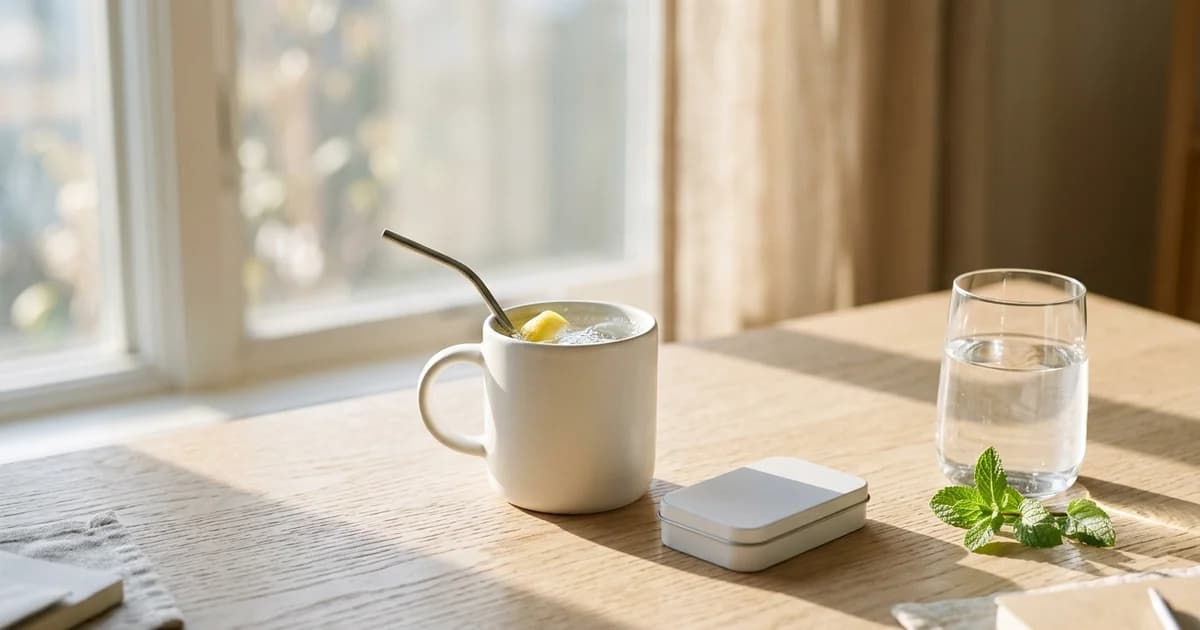
| Herbal or decaf tea ritual | Wind-down | Warmth, a clear "off-duty" cue, hands-and-mug gesture | Does nothing for energy or focus |
| Sparkling water or non-alcoholic aperitif in a real glass | Social | The shared object, the toast, belonging | Easy to over-rely on sugary mixers |
| 10-minute walk outside | Wind-down or reset | Light, movement, a hard work-home boundary | Requires getting up and out |
| Magnesium or glycine before bed | Sleep-focused wind-down | Relaxation support later in the evening | Not a fast, in-the-moment ritual |
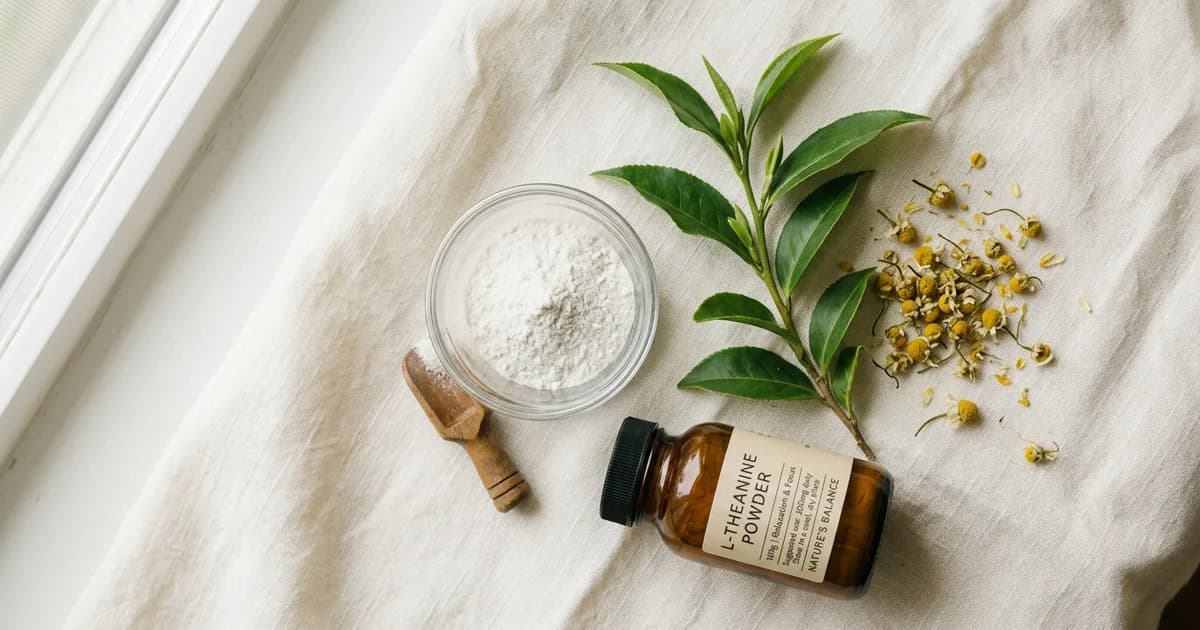
| Caffeine plus L-theanine (tea, coffee, or a sublingual pouch like Roon) | Second wind | Calm, focused alertness to finish the day | Stimulant; not for the wind-down or pre-sleep case |
A note on the table above. The caffeine-plus-L-theanine row is the only one aimed at the second-wind job, and it is the wrong choice for anyone whose 4 p.m. Drink is genuinely about relaxing. If your goal is to slow down before bed, a stimulant is the opposite of what you need. Diagnosis first.
The combination of caffeine and L-theanine has the best evidence behind it for clean alertness. A study published in Nutritional Neuroscience found that caffeine and L-theanine together improved recognition visual reaction time, and that the combination produced larger neurophysiological attention responses than either substance alone. L-theanine takes the edge off caffeine, which is why the pairing reads as focused rather than wired.
When You Actually Needed a Second Wind
If the truth is that you were tired, not tense, then your swap should add capacity, not subtract it. This is the version of the urge that has nothing to do with relaxing. The meeting ran long, the kids need dinner, the deck is due tomorrow, and a drink would only make the next three hours worse. What you wanted was to feel sharp again.
Caffeine is the obvious tool, and the dosing matters. A moderate dose of around 80 mg, roughly a strong espresso, supports alertness without pushing most people into jitters. Pairing it with L-theanine smooths the curve. This is the mechanism behind a sublingual caffeine-and-theanine pouch: it delivers the cue (a small ritual you can do at your desk) and a reward (focus) that the second-wind drinker was actually chasing.
Keep one boundary in mind. A second wind at 4 p.m. Is fine for most people; a stimulant at 8 p.m. Is a sleep problem. Use the second-wind swap when there is real work left and an early enough window that caffeine will clear before bed.
Think of any of these swaps as an on-ramp, not a treatment program. You are giving your existing habit loop a better destination, one afternoon at a time. You are not curing anything, and you do not need to overhaul your life to change what your hand reaches for at four.
When to See a Doctor
If the 4 p.m. Urge feels less like a habit and more like a need, that is a different conversation, and it is one to have with a professional. Signs worth taking seriously include drinking more or longer than you intended, failed attempts to cut back, strong cravings, or alcohol interfering with work, sleep, or relationships.
None of the swaps in this article are treatment for alcohol use disorder, and they are not meant to be. If any of the above sounds familiar, talk to your doctor or call the free, confidential SAMHSA National Helpline at 1-800-662-HELP (4357), available 24 hours a day in English and Spanish. Asking for help early is the strongest move you can make.
Conclusion
The 4 p.m. Drink is a habit loop wearing a costume. The pour is the routine, but the cue and the reward are the real machinery, and once you see them you can redirect them. Name the job your drink was doing, whether it was winding you down, connecting you to people, or buying you a second wind, then swap in a routine that delivers the same reward through a calmer or more useful path.
Most of the time you do not need willpower. You need a better answer to the same question your brain asks every afternoon. Keep the cue, keep the gesture, change the substance, and aim the reward where it was always pointed.
Frequently Asked Questions
Why do I crave a drink specifically at 4 or 5 p.m.?
Your brain has linked that time and context to a reward. The clock, the closing laptop, or the change in light acts as a cue that triggers a learned routine, and the craving is the habit loop firing on schedule. It is usually about the ritual and the feeling of being off duty, not about the alcohol itself, which is why a non-alcoholic ritual at the same moment can satisfy it.
What is the best non-alcoholic thing to reach for instead of a drink?
It depends on the job the drink was doing. For winding down, a warm herbal tea ritual works. For social settings, sparkling water or a non-alcoholic aperitif in a real glass keeps the shared gesture. For the days you were actually depleted and still had work to do, a caffeine and L-theanine option supports focus instead of sedation.
Does swapping in caffeine just trade one crutch for another?
Not if you match it to the right job. Caffeine is the wrong tool if your 4 p.m. Drink was about relaxing or about sleep, because it is a stimulant. It fits only the second-wind case, where you were tired and the day was not over. Used at a moderate dose and early enough to clear before bed, it supports the capacity you were reaching for.
How much caffeine is a reasonable afternoon dose?
A moderate single dose is around 80 to 100 mg, roughly one strong espresso. That range supports alertness for most adults without the jitters that come with very high doses. Pairing caffeine with L-theanine tends to produce focused calm rather than a wired feeling. Avoid caffeine within about eight hours of bedtime so it does not disrupt your sleep.
Is having one drink at the end of the day actually a problem?
For most adults, an occasional single drink is not a clinical problem. The CDC defines moderate drinking as up to one drink per day for women and two for men, while noting that less is better for health. The point of finding swaps is not forced abstinence. It is a good alternative for the days you would rather not pour one.
What does "sober curious" mean?
Sober curious describes being mindful about drinking and choosing when and whether to drink, rather than reaching for alcohol out of habit or social pressure. It does not require quitting entirely. The framework in this article fits that mindset, because it focuses on understanding why you reach for a drink and giving yourself better-matched options at the moments the urge shows up.
When should swaps stop and a doctor step in?
When the urge feels like a need rather than a habit. If you regularly drink more than intended, cannot cut back despite trying, feel strong cravings, or notice alcohol affecting your work, sleep, or relationships, that points toward a problem these swaps cannot address. Talk to your doctor or call the SAMHSA National Helpline at 1-800-662-HELP (4357), a free and confidential service available around the clock.
A Clean Second Wind, for the Urge That Was Never About Winding Down
Most of this article is about ritual, and most rituals do not need a product. But there is one version of the 4 p.m. Urge where the honest answer is energy, not relaxation: the days you were simply depleted, the work was not finished, and a drink would have made the next few hours worse. That is the narrow case Roon was built for.
Roon is a zero-nicotine, sublingual pouch with 80 mg caffeine, 60 mg L-theanine, 25 mg methylliberine (Dynamine), and 5 mg theacrine (TeaCrine). It is a small desk-side ritual that delivers the cue and the focused reward the second-wind drinker was actually chasing, without sedation and without a crash. Use it when there is real work left and an early enough window for the caffeine to clear before bed.
Be clear about what it is not. Roon is not a relaxant, not a nightcap, and not a treatment for alcohol dependence. If your drinking worries you, that is a conversation for a doctor, not a pouch. But for the version of the urge that wasn't about winding down, it is a cleaner way to finish the day.
By Roon Team