What to Do During a Dopamine Detox (And What Actually Works)
Roon Team

What to Do During a Dopamine Detox (And What Actually Works)
You spent the weekend off your phone. No Instagram, no YouTube, no Netflix. By Sunday night you felt… bored. Maybe a little smug. Then Monday hit, and within 40 minutes you were back to scrolling. Sound familiar? If you've ever tried a dopamine detox, you know the cycle.
The concept of a dopamine detox has exploded online, but most people get the execution completely wrong. They white-knuckle through a day of doing nothing, then snap right back to old patterns. The problem isn't willpower. It's that "doing nothing" was never the point.
If you're wondering what to do during a dopamine detox, the real answer is more nuanced than sitting in a dark room. Here's what actually moves the needle, backed by the neuroscience behind dopamine regulation rather than TikTok trends.
Key Takeaways
- A dopamine detox doesn't literally reduce dopamine. It retrains your brain's response to high-stimulation habits.
- The original concept, created by Dr. Cameron Sepah, is rooted in cognitive behavioral therapy, not deprivation.
- Knowing what to do during a dopamine detox matters: specific low-stimulation activities (exercise, nature exposure, journaling, meditation) actively support dopamine regulation.
- The goal isn't to eliminate pleasure. It's to recalibrate which activities your brain prioritizes.
What a Dopamine Detox Actually Is (and Isn't)
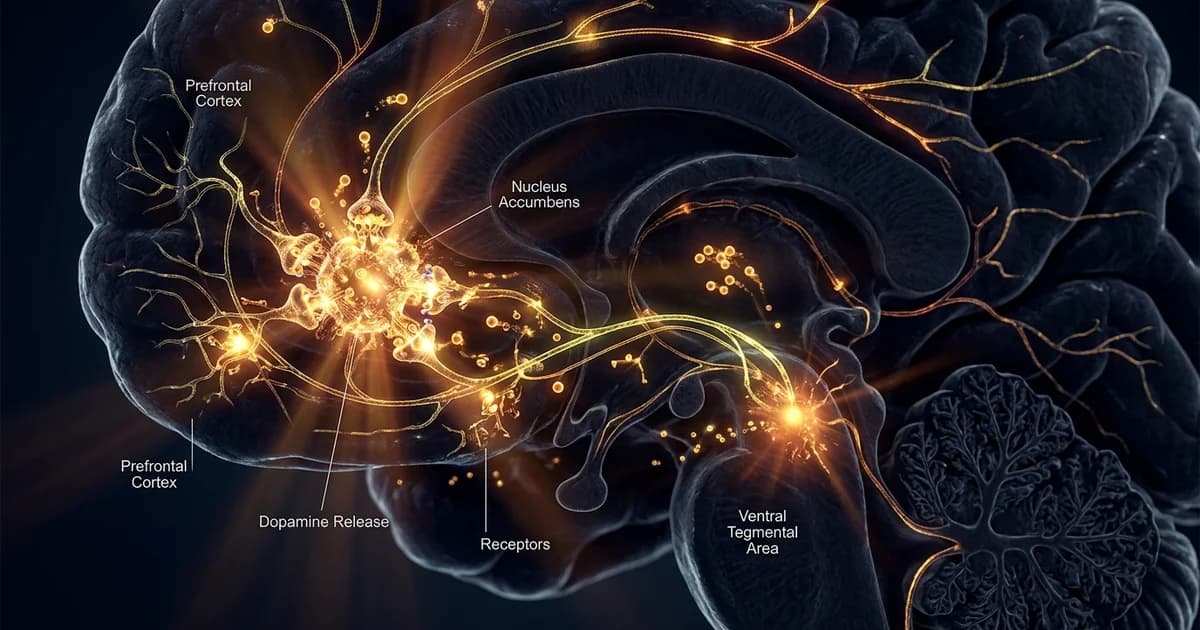
Let's get the science straight first. You cannot "detox" from dopamine. It's a neurotransmitter your body produces naturally, and you need it for movement, sleep, mood, and basic motivation. As Cleveland Clinic explains, dopamine isn't a toxin. It's a messenger your brain relies on for nearly every system in your body.
The term "dopamine detox" was coined by Dr. Cameron Sepah, a psychiatrist at UCSF. But as Harvard Health reported, Sepah himself has said the name isn't meant to be taken literally. What he actually designed was a dopamine detox structured method, grounded in cognitive behavioral therapy (CBT), to reduce impulsive responses to overstimulating cues like notifications, social media feeds, and digital noise.
The internet ran with the catchy name and stripped out the substance. People started treating it like a juice cleanse for the brain: deprive yourself of all pleasure, and your dopamine "refills" like a gas tank. That's not how neurochemistry works. Understanding what to do during a dopamine detox requires understanding what the detox actually targets.
What the science does support is this: chronic exposure to high-stimulation activities (endless scrolling, rapid-fire video content, online gambling) can desensitize your brain's reward system over time. A 2024 literature review published in PMC confirmed that excessive dopamine stimulation from activities like social media and video games can contribute to desensitization of the brain's reward circuitry, leading to issues with impulsivity and difficulty concentrating.
A dopamine detox, done correctly, isn't about deprivation, and learning to recalibrate your reward system means deliberately choosing lower-stimulation activities.
What to Do During a Dopamine Detox: 8 Activities That Actually Help
The mistake most people make is framing the detox as a list of things to avoid. That leaves you with a void, and your brain hates a void. Knowing what to do during a dopamine detox means filling that void with the right activities instead.
1. Move Your Body (But Skip the Headphones)
Exercise is one of the most reliable ways to support healthy dopamine function. A walk, a run, a bodyweight workout in your living room. The key during a dopamine detox is doing it without layering on additional stimulation. No podcast. No playlist. Just you and the effort.
This isn't about punishment. Exercising without audio input forces your brain to sit with a single stimulus. That's the recalibration at work.
2. Spend Time Outside, Specifically in Nature
This one sounds simple because it is. Exposure to natural environments has well-documented effects on stress reduction and mood regulation. The PMC literature review on dopamine fasting noted that mindfulness activities and unplugging from digital distractions help cultivate present-moment awareness, which supports dopamine regulation.
A 30-minute walk in a park or a trail does more for your neurochemistry than 30 minutes of "doing nothing" on your couch. If you're figuring out what to do during a dopamine detox, nature walks belong at the top of your list.
3. Journal (Even If You Think It's Not for You)
Writing by hand activates different neural pathways than typing. During a dopamine detox, journaling serves a specific purpose: it gives your brain a low-stimulation output channel. You're processing thoughts without the feedback loop of likes, comments, or notifications.
Write about what you're feeling. Write about what you're craving. Write about why you picked up your phone four times in the last hour even though it's supposed to be off. That self-awareness is the CBT component Sepah originally intended.
4. Meditate (Even Five Minutes Counts)
Meditation isn't filler advice here. The PMC review specifically highlighted that meditation and yoga have demonstrated positive effects on dopamine regulation and mental well-being. These practices create space between a stimulus and your response to it. That gap is where behavior change happens, and it's a core part of what to do during a dopamine detox.
You don't need an app. Sit down, close your eyes, focus on your breathing for five minutes. When your mind wanders (it will), bring it back. That's the whole practice.
5. Read a Physical Book
Long-form reading is the opposite of the rapid-fire content your brain is habituated to. A physical book has no notifications, no autoplay, no algorithm pushing you toward "just one more." It requires sustained attention, which is exactly the muscle a dopamine detox is designed to rebuild.
Pick something you're genuinely interested in. This isn't a homework assignment.
6. Cook a Meal From Scratch
Cooking engages multiple senses and requires sequential focus without delivering the instant reward hit of ordering delivery through an app. Chopping vegetables isn't exciting. That's the point. You're teaching your brain to find satisfaction in a slower process with a delayed payoff. It's one of the most practical answers to what to do during a dopamine detox because it fills time, feeds you, and trains patience all at once.
7. Have a Real Conversation
Not over text. Not on FaceTime. Sit across from someone and talk. In-person conversation is a low-dopamine, high-reward activity. It requires active listening, eye contact, and the kind of sustained attention that screen-based communication has been eroding for years.
8. Do Boring Maintenance Tasks
Clean your apartment. Organize your desk. Sort through that pile of mail you've been ignoring. These tasks are unglamorous, mildly satisfying, and require just enough focus to keep your brain engaged without overstimulating it. They also remove background stress, which compounds the benefit. When people ask what to do during a dopamine detox, boring chores rarely make the list, but they should.
A Practical Dopamine Detox Schedule
Knowing what to do during a dopamine detox is one thing. Structuring your day is another. Here's a sample framework for a single detox day:
| Time | Activity | Why It Works |
|---|---|---|
| 7:00 AM | Wake up without checking your phone | Avoids the immediate dopamine spike from notifications |
| 7:30 AM | 20-minute walk outside | Light exercise + nature exposure |
| 8:30 AM | Cook breakfast from scratch | Slow, sensory-rich, delayed reward |
| 9:30 AM | Journal for 15-20 minutes | Process thoughts without digital feedback |
| 10:00 AM | Read a physical book | Sustained attention practice |
| 12:00 PM | Cook lunch, eat without screens | Reinforces mindful eating |
| 1:00 PM | Longer walk or bodyweight workout | Movement without audio stimulation |
| 2:30 PM | Boring tasks (clean, organize, errands) | Low-stimulation productivity |
| 4:00 PM | In-person conversation or phone call | Real human connection |
| 5:00 PM | Cook dinner | Another round of slow, focused activity |
| 7:00 PM | Meditate for 10-15 minutes | Wind-down, attention training |
| 8:00 PM | Read or light stretching | No screens before bed |
You don't have to follow this rigidly. The principle matters more than the schedule: replace high-stimulation defaults with intentional, lower-stimulation activities. That's the essence of what to do during a dopamine detox.
How Long Should a Dopamine Detox Last?
There's no single answer, but the research offers some guidance. According to Deprocrastination.co, the minimum effective window is about two weeks to notice meaningful changes. Thirty days is long enough to see real behavioral shifts. And 12 weeks aligns with the typical duration of internet addiction therapy programs.
Dr. Anna Lembke, a Stanford psychiatrist and author of Dopamine Nation, recommends at least a 30-day break from the specific behavior you're targeting. The goal isn't permanent abstinence. It's resetting your baseline so you can reintroduce stimulating activities with more control.
Start with a single day. If that goes well, try a weekend. Then extend to a week. The incremental approach works better than going cold turkey for a month and burning out by day three. And now that you know what to do during a dopamine detox, each attempt will be more structured than the last.
What Happens After the Detox
The detox itself is the easy part. The hard part is what comes next: reintroducing stimulating activities without sliding back into compulsive patterns.
A few principles for the reintroduction phase:
- Set time limits before you start. Decide you'll spend 20 minutes on social media before you open the app, not after.
- Remove passive triggers. Turn off non-essential notifications permanently. This single change does more than most people realize.
- Keep at least one low-stimulation habit from your detox. Morning walks without headphones, nightly reading, weekly phone-free meals. Anchor your day with at least one recalibration point.
The goal of understanding what to do during a dopamine detox was never to live like a monk. It's to stop letting algorithms and impulse dictate how you spend your attention.
Supporting Your Dopamine System Beyond the Detox
Behavioral changes are the foundation. But the neurochemistry side matters too. Once you've learned what to do during a dopamine detox, the next step is supporting your brain's reward system long-term.
Most people reach for caffeine when they need focus, which works, until it doesn't. Caffeine alone can spike alertness but also creates jitters, crashes, and tolerance buildup over time. That tolerance cycle is exactly the pattern a dopamine detox is trying to break.
This is where the specific compounds in your stack matter. Theacrine, a purine alkaloid structurally similar to caffeine, interacts with both adenosine and dopamine receptors. A study published on PubMed found that theacrine enhanced activity through dopamine D1 and D2 receptor pathways, but, and this is the key finding, it did not produce tolerance after chronic exposure. Methylliberine (also known as Dynamine) works through similar pathways. A study in PMC found that methylliberine improved multiple measures of mood and well-being without the hemodynamic side effects (elevated blood pressure, jitteriness) associated with traditional stimulants.
Roon combines both of these compounds with caffeine (80 mg) and L-Theanine in a zero-nicotine sublingual pouch. The result is 6-8 hours of sustained focus without the tolerance buildup that makes caffeine less effective over time. If you're serious about what to do during a dopamine detox and beyond, pairing behavioral strategies with compounds that support, rather than exploit, your reward pathways is worth considering.
Support your dopamine system naturally. Try Roon →