Things to Quit Vaping: A Science-Backed Guide to Actually Kicking Nicotine
Roon Team

Things to Quit Vaping: A Science-Backed Guide to Actually Kicking Nicotine
Most people who vape want to quit. The follow-through is the hard part. If you're searching for things to quit vaping, you're already past the denial stage, which puts you ahead of most. But wanting to quit and knowing how to quit are two very different problems. This guide covers the best things to quit vaping that actually work, from NRT to behavioral strategies, what the science says about each one, and how to pick the right approach for your situation.
Key Takeaways:
- Nicotine replacement therapy (NRT) like patches, gum, and lozenges can double your quit rate when used correctly.
- Prescription medications like varenicline show quit rates as high as 45% in clinical trials for e-cigarette users.
- Behavioral strategies and habit replacement matter just as much as pharmacology.
- The oral fixation component of vaping is real, and ignoring it is why many quit attempts fail.
Why Finding the Right Things to Quit Vaping Matters
Nicotine from modern vapes hits your brain fast. Faster than cigarettes, in many cases. That speed of delivery creates a tighter feedback loop between the action (inhaling) and the reward (dopamine release), which makes the habit stickier than older forms of tobacco. That's why choosing the right things to quit vaping is so important: the method has to match the intensity of the addiction.
According to the CDC, 1.63 million middle and high school students currently used e-cigarettes in 2024. Among students who had ever used e-cigarettes, 43.6% reported current use. And a Truth Initiative survey found that the share of daily middle and high school e-cigarette users who attempted to quit but were unable to rose from 28.2% to 53%.
Those numbers tell a clear story: nicotine dependence from vaping is real, it's growing, and willpower alone doesn't cut it. You need proven things to quit vaping in your corner.
Nicotine Replacement Therapy (NRT): A Top-Tier Option Among Things to Quit Vaping
NRT works by giving your body a controlled, lower dose of nicotine without the other chemicals found in vape aerosol. The goal is to step down gradually, reducing withdrawal symptoms while you break the behavioral habit. NRT remains one of the most accessible things to quit vaping for good reason.
Nicotine Patches
Patches deliver a steady stream of nicotine through your skin over 16 to 24 hours. They're the "set it and forget it" option. According to Smokefree.gov, the nicotine patch can double your chances of quitting successfully when used as directed.
The downside: patches don't handle acute cravings well. The nicotine delivery is slow and constant, so when a sudden urge hits, you're on your own.
Nicotine Gum and Lozenges
These are your on-demand things to quit vaping cravings in the moment. When a craving spikes, you chew a piece of nicotine gum or dissolve a lozenge. The American Cancer Society notes that NRT patches, gum, and lozenges can all be purchased over the counter without a prescription.
One thing most people get wrong with nicotine gum: you're not supposed to chew it like regular gum. MD Anderson Cancer Center recommends the "chew and park" technique: chew for about 5 to 10 seconds until you feel a tingling sensation, then park it between your gum and cheek. Repeat. Chewing continuously floods your system too fast and causes nausea.
Nicotine Nasal Spray and Inhalers
These require a prescription but offer faster nicotine delivery than patches or gum. The CDC lists both nasal sprays and oral inhalers among FDA-approved quit-smoking medicines. They're worth discussing with your doctor if over-the-counter things to quit vaping haven't worked for you.
Prescription Medications: Things to Quit Vaping When NRT Isn't Enough
Sometimes nicotine replacement alone doesn't get the job done. That's where prescription medications come in as stronger things to quit vaping.
Varenicline (Chantix)
Varenicline works by binding to nicotine receptors in your brain. It partially activates them (reducing cravings and withdrawal) while also blocking nicotine from fully activating them if you do slip up and vape. It's a clever mechanism, and many experts consider it one of the most effective things to quit vaping available today.
A first-of-its-kind U.S. trial at Yale specifically tested varenicline for e-cigarette cessation and found a 45% quit rate in the medication group, a 15% difference over placebo. That's a strong result for any cessation intervention.
Research from Mass General Brigham confirmed that varenicline was both effective and safe in young adults, and none of the participants who quit vaping turned to cigarettes as a substitute.
Bupropion (Wellbutrin/Zyban)
Bupropion is an antidepressant that also reduces nicotine cravings. It doesn't contain nicotine and works on different brain pathways than varenicline. It's often prescribed alongside NRT for a combined approach.
Talk to your doctor about which option fits your history. Both medications require a prescription and medical supervision.
Behavioral Strategies: Things to Quit Vaping Beyond Medication
Pharmacology handles the chemical side of addiction. But vaping is also a deeply ingrained behavioral habit. You reach for your vape at specific times, in specific places, in response to specific emotional states. Medication won't reprogram those patterns. You need behavioral things to quit vaping that address the habit itself.
Cognitive Behavioral Therapy (CBT)
CBT helps you identify the triggers that make you vape and build alternative responses. A study published in JMIR Formative Research examined a mobile vaping cessation program that incorporated cognitive behavioral therapy and acceptance and commitment therapy. The program focused on building a personal quit plan, addressing routines and triggers, and developing coping strategies.
A separate feasibility study combining CBT with virtual coaching and NRT found that 48.9% of study completers reported 7-day abstinence from vaping at one month post-quit date.
You don't necessarily need a therapist's office for this. Apps and text-based programs can deliver CBT techniques effectively, making therapy one of the most flexible things to quit vaping.
The Trigger Map
Sit down and write out every situation where you vape. Morning coffee. After meals. Driving. Stress at work. Boredom. Social settings.
Now assign each trigger a replacement behavior. This sounds simple, but it's the backbone of every successful quit attempt. Your brain needs something to do in the gap that vaping used to fill.
The Oral Fixation Problem
Here's what most quit guides skip over: vaping isn't just a nicotine delivery system. It's an oral habit. The hand-to-mouth motion, the sensation of something in your mouth, the act of inhaling and exhaling. These physical rituals are wired into your daily routine, and any list of things to quit vaping needs to account for them.
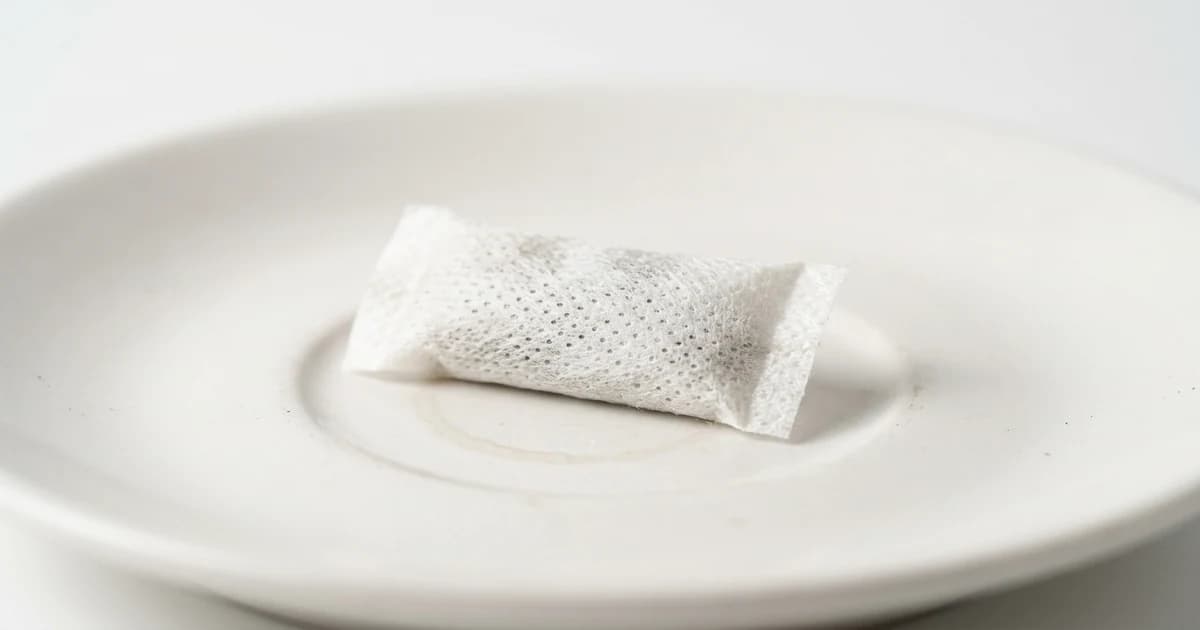
Nicorette's research identifies oral fixation as one of the most common barriers to quitting. NRT products like lozenges and gum can partially address this, but they don't replicate the pouch-in-lip or hand-to-mouth ritual that many vapers (and former vapers who switched to nicotine pouches) rely on.
This is where most people either white-knuckle through it or find a substitute. Sunflower seeds, toothpicks, sugar-free gum, flavored water. All valid. But the closer your replacement matches the original ritual, the easier the transition.
Building Your Quit Plan: Combining the Best Things to Quit Vaping
No single tool works for everyone. The most effective approach combines multiple things to quit vaping into a structured plan. Here's a framework:
| Phase | Timeline | Strategy |
|---|---|---|
| Preparation | 1-2 weeks before quit date | Pick your quit date. Stock up on NRT or get your prescription filled. Map your triggers. Tell someone you trust. |
| Acute withdrawal | Days 1-7 | Use NRT or medication as directed. Avoid high-trigger situations when possible. Stay hydrated. Move your body. |
| Habit replacement | Weeks 2-4 | Focus on replacing vaping rituals with new behaviors. This is where the real work happens. |
| Maintenance | Month 2 and beyond | Watch for "just one hit" thinking. Cravings will get less frequent but can still surprise you months later. |
According to WebMD, nicotine's effects wear off within 30 minutes to 4 hours after your last use, and cravings can persist for weeks. But here's the part most people don't hear: each individual craving typically lasts only 10 to 15 minutes, per Allen Carr's research. You can ride out 15 minutes.
The National Cancer Institute confirms that while cravings may start within an hour or two after your last use and come frequently for the first few days, they get farther apart over time.
What About Going Cold Turkey?
Some people swear by it. And for a small percentage, it works. But the data suggests that combining behavioral support with pharmacotherapy produces better outcomes than willpower alone, which is why stacking multiple things to quit vaping tends to outperform any single method.
A Cochrane review on interventions for quitting vaping noted that traditional stop-smoking behavioral interventions, including in-person or telephone-based counseling, can be adopted or adapted for vaping cessation. The evidence base is still growing, but the direction is clear: structured support beats going it alone.
If cold turkey is your plan, at minimum build a trigger map and have a backup strategy for the first 72 hours, when withdrawal symptoms peak.
The Replacement That Doesn't Keep You Hooked
Here's the tension most people face when looking for things to quit vaping: you need something to replace the ritual, but most replacements either contain nicotine (keeping you dependent) or feel like a downgrade (making relapse more likely).
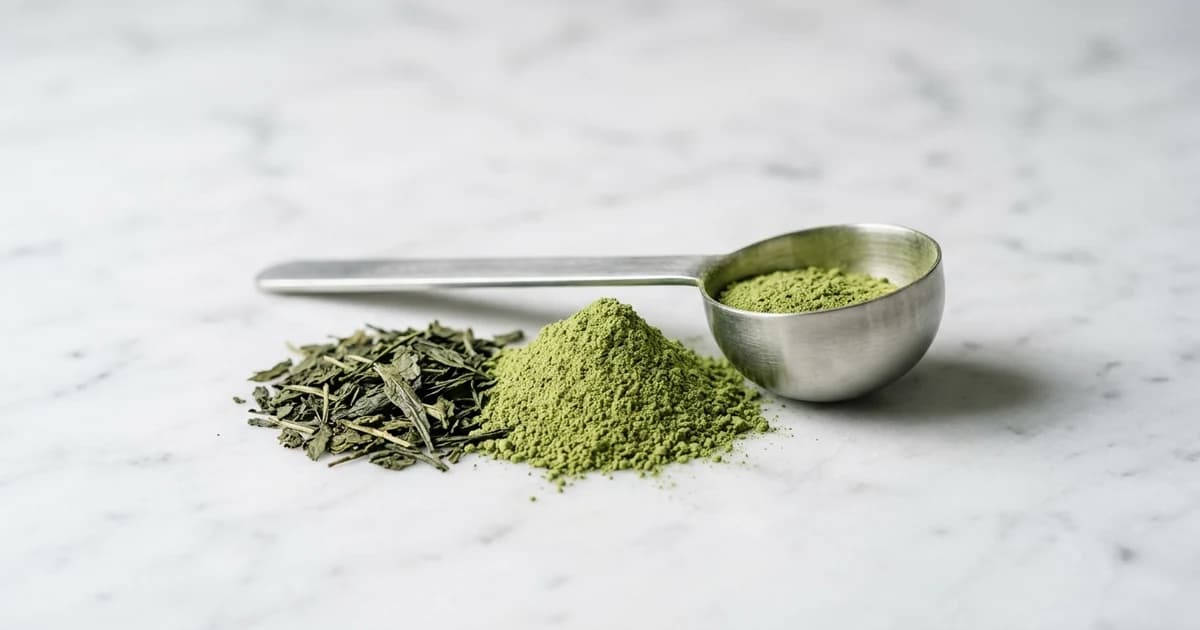
This is exactly the gap Roon was designed to fill. It's a sublingual pouch with zero nicotine. Instead of feeding the addiction cycle, it contains a stack of Caffeine (80mg), L-Theanine, Theacrine, and Methylliberine, ingredients that support sustained focus for 6 to 8 hours without jitters or a crash.
A study on PubMed found that the combination of L-theanine and caffeine (at doses similar to what Roon contains) helps focus attention during demanding cognitive tasks and increases subjective alertness.
Same pouch ritual. Same hand-to-mouth satisfaction. Zero nicotine dependency. And instead of borrowing focus from tomorrow's energy reserves, you're actually supporting cognitive performance with ingredients backed by clinical research.
If you're looking for things to quit vaping that don't just swap one dependency for another, Roon is worth a look. Same ritual, zero nicotine, actual cognitive benefits.