Can Nicotine Withdrawal Make You Sick? What's Actually Happening to Your Body
Roon Team
Can Nicotine Withdrawal Make You Sick? What's Actually Happening to Your Body
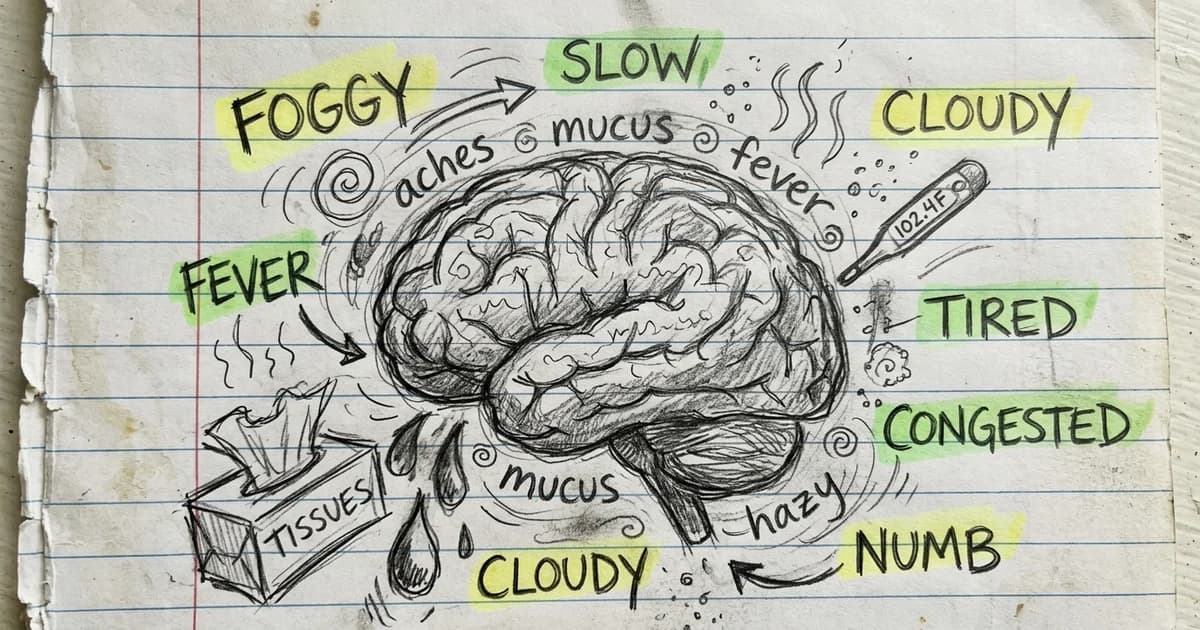
You stopped vaping three days ago and now you feel like you have the flu. Headache, nausea, chills, brain fog so thick you can barely read an email. You didn't catch anything. Can nicotine withdrawal make you sick? Yes. And the symptoms are more physical than most people expect.
This isn't your body falling apart. It's your body recalibrating after months or years of chemical dependency. The discomfort is real, it's temporary, and understanding exactly what's happening makes it far easier to push through.
Key Takeaways:
- Nicotine withdrawal produces real physical symptoms, including nausea, headaches, sore throat, and flu-like chills.
- The worst of it peaks around days 2-3 and fades over 3-4 weeks.
- Anxiety during withdrawal follows a predictable timeline and is one of the most common reasons people relapse.
- Specific strategies (exercise, sleep hygiene, oral substitutes) make the process dramatically more manageable.
Why Can Nicotine Withdrawal Make You Sick?
Nicotine doesn't just affect your brain. It reaches into nearly every system in your body: cardiovascular, endocrine, digestive, immune. When you remove it, all those systems have to find a new equilibrium.
According to Cleveland Clinic, nicotine withdrawal is "the collection of physical, mental and emotional symptoms you feel when you stop or reduce the use of nicotine." The physical side of that equation catches most people off guard.
Here's what your body goes through quitting:
- Nausea and stomach problems. Nicotine suppresses appetite and affects gut motility. Remove it, and your digestive system overcorrects. Nausea, constipation, and cramping are all common reasons can nicotine withdrawal make you sick.
- Headaches. Changes in blood circulation after quitting trigger headaches that can last several days. Cleveland Clinic notes that nicotine headaches can come from both tobacco use and withdrawal.
- Sore throat and cough. Your respiratory system starts clearing out accumulated damage. It feels like getting sick. It's actually recovery.
- Chills and sweating during withdrawal. Your body's temperature regulation was partially managed by nicotine's effects on your nervous system. Without it, expect some thermostat glitches.
The informal name for this cluster of symptoms is "smoker's flu" or "quitter's flu." According to Flushing Hospital Medical Center, about 80-90% of people who smoke have a nicotine addiction and may experience some form of withdrawal after they quit. These symptoms happen because of a lack of nicotine, not because you caught a virus. So can nicotine withdrawal make you sick? Absolutely, though the sickness is withdrawal, not infection.
WebMD confirms that nicotine withdrawal is not dangerous. The benefits of quitting far outweigh the temporary discomfort.
The Phases of Nicotine Withdrawal: A Week-by-Week Breakdown
The phases of nicotine withdrawal aren't random. They follow a predictable pattern, and knowing what to expect at each stage takes some of the fear out of it.
Hours 4-24: The First Signals
Withdrawal begins faster than most people realize. A research review published in PMC found that an aversive abstinence syndrome manifests 4-24 hours following cessation of chronic nicotine use. You'll feel restlessness, irritability, and the first strong cravings. Sleep may be disrupted that first night.
Most people describe this phase as "something feels off." You're not in full withdrawal yet, but your brain is already noticing the missing dopamine signal. Understanding the phases of nicotine withdrawal helps you recognize this early stage.
Days 1-3: The Peak
This is the hardest stretch and the period when people most ask can nicotine withdrawal make you sick. WebMD reports that days 3 through 5 are typically the worst, as nicotine has fully cleared from your body. Headaches, cravings, insomnia, and nausea hit their maximum intensity. Most relapses happen within the first two weeks of quitting.
Your brain is used to getting regular dopamine hits from nicotine. Without them, everything feels flat, slow, and irritating. This is normal neurochemistry, not a sign that something is wrong.
Days 4-14: The Shift
Physical symptoms start to ease. Charlie Health notes that by the fourth to seventh day, many physical symptoms begin to subside, but psychological effects often take center stage. Cravings become less frequent but can still blindside you. Concentration improves, though it may still feel inconsistent.
Weeks 3-4 and Beyond
According to the National Cancer Institute, negative feelings from withdrawal peak within the first week and may last 2 to 4 weeks. By the end of week four, most physical withdrawal symptoms have faded. Psychological cravings can linger for months, but they become weaker and less frequent.
| Phase | Timeline | Primary Symptoms | Intensity |
|---|---|---|---|
| First signals | 4-24 hours | Restlessness, irritability, cravings | Moderate |
| The peak | Days 1-3 | Headaches, nausea, insomnia, intense cravings | Severe |
| The shift | Days 4-14 | Declining physical symptoms, rising psychological symptoms | Moderate |
| Recovery | Weeks 3-4+ | Occasional cravings, mood stabilization | Mild |
The Nicotine Withdrawal Anxiety Timeline
Anxiety deserves its own section because it's the symptom that derails the most quit attempts. People expect cravings. They don't expect the sudden, unexplained dread that shows up on day two. Can nicotine withdrawal make you sick with anxiety alone? Yes, and it's more common than you think.
The National Cancer Institute reports that anxiety typically builds over the first 3 days after quitting and may last several weeks. The CDC adds that smoking might make you feel better in the short term, but only because nicotine stops the discomfort of withdrawal, not because it actually helps with anxiety.
This is the trap. Nicotine creates the anxiety, then temporarily relieves it, which makes you believe you need nicotine to manage anxiety. Breaking that cycle is uncomfortable but necessary.
Here's what the nicotine withdrawal anxiety timeline typically looks like:
- Day 1: Mild unease, background restlessness.
- Days 2-3: Anxiety peaks. You may feel panicky, short of breath, or unable to sit still.
- Days 4-7: Anxiety starts to decrease but can spike unpredictably, often triggered by situations you associate with vaping.
- Weeks 2-4: Anxiety becomes less frequent and less intense. Your baseline mood stabilizes.
- Month 2+: Most people report feeling calmer than they did while actively using nicotine.
The last point is worth emphasizing. Long-term, quitting nicotine reduces anxiety. The withdrawal period creates a temporary spike that makes it feel like the opposite is true.
If you're in the thick of days 2-3 and your anxiety feels unbearable, remember: this is the peak. Can nicotine withdrawal make you sick enough to feel like panic? Yes, but it is chemically guaranteed to get better from here. Your nervous system is resetting, not breaking down.
What Helps You Quit Vaping (and Actually Stick With It)
Knowing what to do when you quit vaping makes the difference between a successful attempt and a relapse. Here are the strategies that research and clinical experience consistently support.
Move Your Body
The CDC recommends physical activity as one of the most effective ways to manage withdrawal symptoms. Exercise releases endorphins, reduces anxiety, and gives your brain something to do besides fixate on cravings. It doesn't need to be intense. A 20-minute walk works.
Fix Your Sleep
Insomnia is one of the most common withdrawal symptoms. Protect your sleep by keeping a consistent schedule, avoiding screens before bed, and cutting caffeine after noon. The NCI suggests reducing caffeine intake during the quitting process since withdrawal can amplify its stimulating effects.
Replace the Oral Habit
This is where most people underestimate what helps you quit vaping. Vaping isn't just a nicotine delivery system. It's a ritual. The hand-to-mouth motion, the oral fixation, the sensory feedback. Removing the chemical without addressing the behavioral habit leaves a gap that willpower alone rarely fills.
Options include sugar-free gum, toothpicks, flavored water, or Roon's zero-nicotine pouches. The key is finding something that satisfies the physical habit without reintroducing nicotine.
Build a Support System
Mass General Brigham advises getting support from friends, family, and experts to help manage cravings and maintain accountability. Tell people you're quitting. The social pressure to stay consistent is surprisingly effective.
Don't White-Knuckle It Alone
Quitting doesn't have to be a solo act of willpower. The American Heart Association recommends having a quit plan before your last cigarette or vape session. That means picking a quit date, telling people about it, removing triggers from your environment, and having replacement strategies ready before the cravings hit.
Preparation beats motivation every time. Motivation fades on day three. A plan doesn't.
Track Your Progress
Knowing that you're on day 5 and that the worst is behind you is powerful motivation. Use a simple app or calendar to mark each day. Seeing the streak grow makes it harder to break.
What to Do When You Quit Vaping and Still Want the Ritual
Here's the part nobody talks about enough. For many people, the hardest thing about quitting isn't the nicotine. It's losing the ritual.
You reach for a vape when you're stressed, bored, transitioning between tasks, or just need a two-minute break. That behavioral pattern is deeply embedded, and it doesn't disappear when the nicotine leaves your system. Knowing what to do when you quit vaping means addressing this gap directly.
This is where finding a clean substitute matters. You need something that fits the same moment in your day without pulling you back into dependency.
Roon was built for exactly this gap. It's a zero-nicotine sublingual pouch with a performance stack of caffeine (80 mg), L-Theanine, Theacrine, and Methylliberine. You get the familiar pouch ritual, the oral fixation, and the sensory experience, but instead of feeding an addiction, you're getting 6-8 hours of clean, sustained focus with no crash and no tolerance buildup.
Same ritual, zero nicotine, actual cognitive benefits.
If you're working through the phases of nicotine withdrawal and looking for something to fill the behavioral gap without sliding backward, check out Roon.