5 Study Hacks Top Students Use to Stay Locked In for 8 Hours Straight
Roon Team

5 Study Hacks Top Students Use to Stay Locked In for 8 Hours Straight
You sat down to study three hours ago. You've read the same paragraph four times, opened your phone twice, and rearranged your desk once. The textbook is open, but your brain checked out somewhere around minute twelve.
Sound familiar? The problem isn't discipline. It's strategy. The students who understand how to stay focused for hours aren't grinding through willpower alone. They're using specific, evidence-backed study hacks for long focus that work with their neurochemistry instead of against it. And most of these tactics take less than five minutes to set up.
Here are the five that actually hold up to scientific scrutiny.
Key Takeaways:
- Starting is the hardest part. A 5-minute commitment trick can hijack your brain's motivation circuitry and pull you into a longer session.
- What you consume during a study session matters more than how hard you try to focus. Sugar crashes and caffeine spikes sabotage sustained attention.
- Stacking complementary nootropic compounds (like caffeine + L-theanine) outperforms any single ingredient for calm, sustained focus.
- Nicotine pouches might feel like a focus tool, but tolerance and withdrawal make them a bad long-term study strategy.
1. The 5-Minute Onset Trigger (How to Manufacture Motivation)
The biggest lie about studying is that you need to feel motivated before you start. Psychological research suggests the opposite: action generates motivation, not the other way around.
This is the logic behind the "5-minute rule." You commit to working on a single task for just five minutes. That's it. No obligation to continue. But here's what happens neurologically: once you begin, your brain activates what psychologist Bluma Zeigarnik identified as a tension around incomplete tasks. Your mind creates an "open loop" it wants to close, and that tension keeps the task active in working memory, generating an urge to keep going.
A 2007 meta-analysis by Piers Steel found that task initiation is the single largest barrier in procrastination. The 5-minute rule bypasses that barrier entirely. You're not committing to an 8-hour marathon. You're committing to five minutes, and your own neurobiology handles the rest.
Best for: Chronic procrastinators, anyone who dreads sitting down to start.
How to do it: Set a timer for 5 minutes. Open one specific task (not "study biology," but "read page 47 of chapter 6"). When the timer goes off, decide if you want to keep going. Most of the time, you will.
2. Stack Your Compounds (The Multi-Pathway Focus Principle)
If your study fuel is a single cup of coffee or an energy drink, you're leaving performance on the table. The science on nootropic stacking, combining compounds that target different neurochemical pathways, is clear: the combination outperforms any ingredient alone.
The most well-studied pairing is caffeine + L-theanine. Caffeine blocks adenosine receptors to reduce fatigue. L-theanine promotes alpha brain wave activity associated with relaxed alertness. Together, a 2025 crossover study published in the British Journal of Nutrition found the combination improved both reaction time and task accuracy for selective attention, even in sleep-deprived subjects. Separately, a review in the Journal of Clinical Medicine confirmed that L-theanine with caffeine improved visual discrimination reaction times by roughly 27 milliseconds compared to placebo.
But the stack can go further. A 2021 study in Cureus tested caffeine combined with theacrine (TeaCrine) and methylliberine (Dynamine) and found the triple combination improved cognitive performance and reaction time without negatively affecting mood. The key: these compounds hit different receptor mechanisms. Caffeine competitively inhibits adenosine. Theacrine and methylliberine act as allosteric modulators. The result is broader coverage of your brain's fatigue-signaling system.
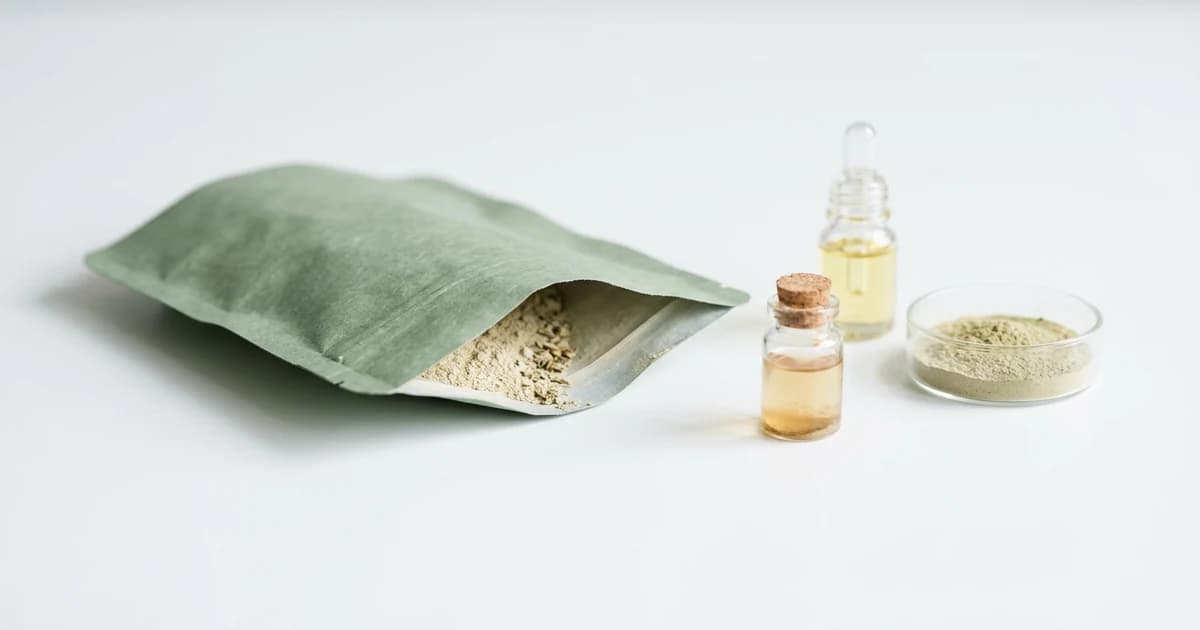
This is the exact principle behind Roon, which combines 80 mg caffeine, 60 mg L-theanine, 25 mg methylliberine, and 5 mg theacrine in a single sublingual pouch. Four compounds, three distinct mechanisms, delivered in under 10 minutes through the oral mucosa.
Best for: Long study sessions where you need 4+ hours of sustained, jitter-free focus.
Typical dose: Look for caffeine in the 50-100 mg range paired with at least 50 mg L-theanine. Theacrine and methylliberine add sustained duration.
3. The No-Jitter Rule (Ditch the Sugar Bombs)
Here's a pattern most students, and anyone avoiding stimulant crashes at work, know too well: you grab a Monster or a Red Bull at the start of a study session, feel sharp for 45 minutes, then crash into a fog that's worse than where you started. That's not a focus strategy. That's a glucose rollercoaster.
Research from the Brain & Behavior Research Foundation found that large glucose fluctuations are directly associated with slower and less accurate neural processing speed. And a study published in Diabetologia showed that hypoglycemia (the crash after a sugar spike) decreased correct responses and slowed reaction times across multiple cognitive tests, even in people without diabetes.
The fix is straightforward: eliminate high-sugar energy drinks from your study sessions. If you need a stimulant, choose one that delivers clean energy without a glycemic spike. Black coffee works. Sugar-free options work. A sublingual pouch like Roon works, and skips the digestive system entirely, so there's no sugar, no calories, and no waiting 30-45 minutes for your stomach to process it.
Best for: Anyone who relies on energy drinks and hits a wall 60-90 minutes into studying.
The rule: If it has more than 5g of sugar per serving, it doesn't belong in your study session.
4. Build for Duration, Not Peaks (The Sustained-Release Approach)
Most students optimize for the wrong thing. They want to feel a spike of focus right now, so they reach for high-dose caffeine, pre-workout, or even prescription stimulants. The spike comes. And then it leaves, usually around hour two, taking your concentration with it.
The smarter approach is to build a focus protocol designed for sustained release over 4-6 hours, not a 90-minute peak. This is where compound selection matters.
Theacrine is the key differentiator here. An 8-week human safety study on TeaCrine found no evidence of habituation or tachyphylaxis, meaning subjects didn't build tolerance the way they do with caffeine alone. Your first dose works as well as your fiftieth. That's almost unheard of for a neuroactive compound.
Methylliberine (Dynamine) adds a complementary fast-onset, medium-duration energy curve. Preliminary research suggests it provides a mood and motivation boost without the crash associated with high-dose stimulants, and without the tolerance buildup that makes caffeine less effective over time.
Roon's product page states that most users feel effects within 5-10 minutes due to sublingual absorption, with sustained focus lasting 6-8 hours. That timeline maps well to a full study block: pop a pouch, and you're covered from the first chapter to the last practice problem.
Best for: Students who need to study for 4-8 hours and can't afford a mid-session crash.
Practical tip: Pair a sustained-release nootropic with the Pomodoro technique. A 2025 scoping review in PMC found positive correlations between Pomodoro use and student performance (r = 0.65), focus and concentration (r = 0.72), and learning engagement (r = 0.68). Use 50-minute work blocks with 10-minute breaks. The compound handles the neurochemistry; the timer handles the structure.
5. Skip the Nicotine Trap (Go Nicotine-Free)
Nicotine pouches are everywhere on college campuses. And yes, nicotine does sharpen attention and reaction time in controlled settings. But using nicotine as a study tool is like taking out a payday loan for your brain: the short-term gain creates a long-term deficit.
The data is sobering. Nicotine pouch use nearly doubled among U.S. high school students between 2023 and 2024, reaching 5.4% of teens. And the cognitive math doesn't work out: research on nicotine withdrawal shows that quitting tanks cognitive performance below your original baseline. You end up needing nicotine just to get back to where you started before you ever used it.
Tolerance is the other problem. Your brain adapts to nicotine quickly, requiring higher doses to sustain the same effect. That's the opposite of what you want from a study aid.
A zero-nicotine pouch like Roon gives you the familiar oral ritual and the fast sublingual delivery without the dependency cycle. The theacrine and methylliberine in the formula don't produce the same tolerance pattern as nicotine or caffeine alone, so the effect stays consistent session after session.
Best for: Students currently using Zyn, Velo, or other nicotine pouches for focus and looking for an exit ramp.
Quick Comparison: Study Fuel Options at a Glance
| Factor | Coffee (Black) | Energy Drink (Sugar) | Nicotine Pouch | Roon (Nootropic Pouch) |
|---|---|---|---|---|
| Onset Time | 30-45 min | 20-30 min | 5-10 min | 5-10 min (sublingual) |
| Duration | 2-4 hours | 1-2 hours | 30-60 min | 6-8 hours |
| Sugar Crash? | No | Yes | No | No |
| Jitters? | Common at high doses | Common | Uncommon | No (L-theanine buffered) |
| Tolerance Buildup | Yes (days to weeks) | Yes | Yes (rapid) | Minimal (theacrine-based) |
| Addiction Risk | Low-moderate | Low | High | None (zero nicotine) |
| Calories | ~5 | 100-250+ | 0 | 0 |
| Active Compounds | 1 (caffeine) | 1-2 (caffeine + sugar) | 1 (nicotine) | 4 (caffeine, L-theanine, methylliberine, theacrine) |
How to Build Your 8-Hour Study Protocol
Knowing the hacks is one thing. Stacking them into a single session is where results happen. Here's a practical template for how to study for 8 hours without burning out:
Hour 0 (Setup): Remove your phone from the room. Open only the materials you need. Use the 5-minute rule to start your first task.
Hour 0-4 (Block 1): Use a sustained-release nootropic (like Roon) at the start. Work in 50-minute focused intervals with 10-minute breaks. No sugar, no high-glycemic snacks. Water, black coffee, or tea only.
Hour 4 (Midpoint Break): Take a full 20-30 minute break. Walk outside. Eat a balanced meal with protein and complex carbs. If you need a second dose of your nootropic, this is the time.
Hour 4-8 (Block 2): Resume the 50/10 interval structure. If focus drifts, especially when your brain won't cooperate, use the 5-minute rule again to re-engage. Keep sugar out of the equation through the end.
This isn't about suffering through 8 hours. It's about setting up the right conditions so you can stay focused while studying for the full block, not just the first 90 minutes.
The Bottom Line
The students who study for 8 hours straight aren't superhuman. They've just figured out that study hacks for long focus are really about removing friction, choosing the right fuel, and working with their neurochemistry instead of muscling through on willpower. Every real study focus hack, including the behavioral stack for deep focus, comes down to the same idea: make it easier for your brain to do what you're asking it to do.
Start with the 5-minute rule to get past the initiation barrier. Stack your compounds so you're covering multiple pathways. Cut the sugar. Build for sustained duration. And if nicotine pouches have become your crutch, recognize that the tolerance cycle is working against you.
Roon was built around exactly these principles: four nootropic compounds, sublingual delivery for fast onset, sustained focus for hours, and zero nicotine. If you're looking for a study tool that doesn't come with a crash, a dependency, or a sugar spike, give it a try.