How to Improve Memory After Concussion: A Science-Backed Recovery Guide
Roon Team
How to Improve Memory After Concussion: A Science-Backed Recovery Guide
If you're searching for how to improve memory after concussion, you're dealing with one of the most common and frustrating consequences of a head injury. A concussion rattles more than your skull. It disrupts the neural circuits responsible for encoding, storing, and retrieving memories. Memory problems are among the most frequent symptoms people report after a mild traumatic brain injury (mTBI), and they can linger for weeks, months, or longer.
The good news: your brain is not permanently broken. Targeted strategies, backed by clinical research, can accelerate the recovery of memory function. This guide covers the most effective approaches for how to improve memory after concussion using evidence-based methods.
Key Takeaways
- Memory problems after concussion are normal and stem from disrupted neural communication, not permanent damage.
- Aerobic exercise boosts brain-derived neurotrophic factor (BDNF), a protein directly linked to memory recovery after brain injury.
- Cognitive rehabilitation exercises focused on memory, attention, and information processing show strong clinical evidence for improvement.
- Sleep, nutrition, and stress management form the foundation that every strategy to improve memory after concussion depends on.
Why Concussions Wreck Your Memory
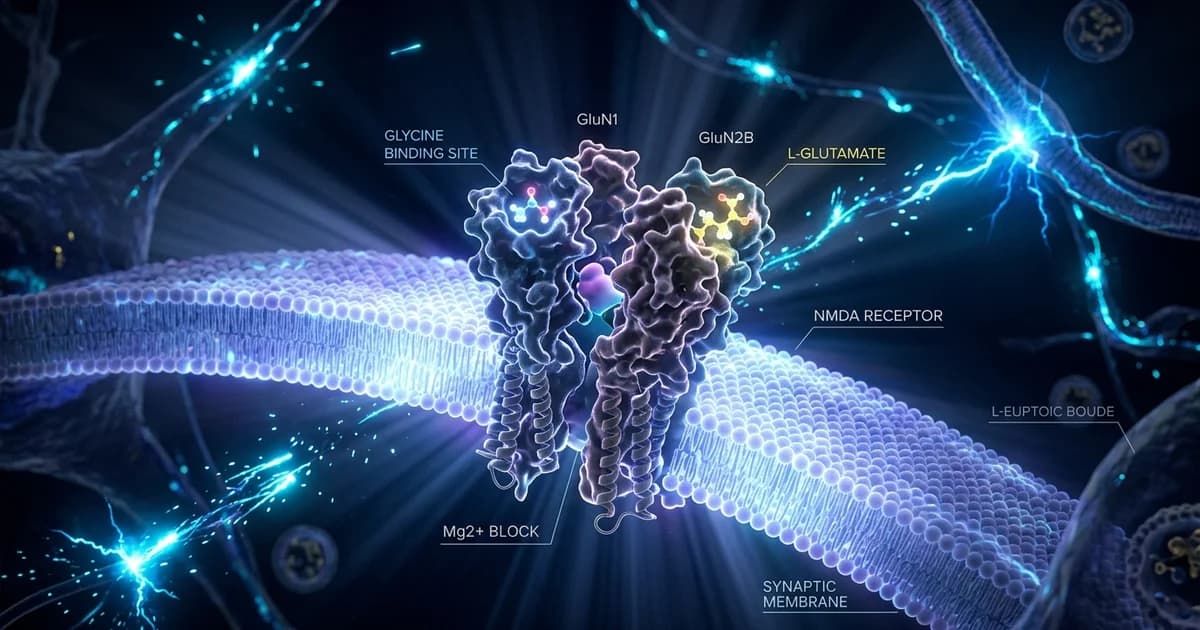
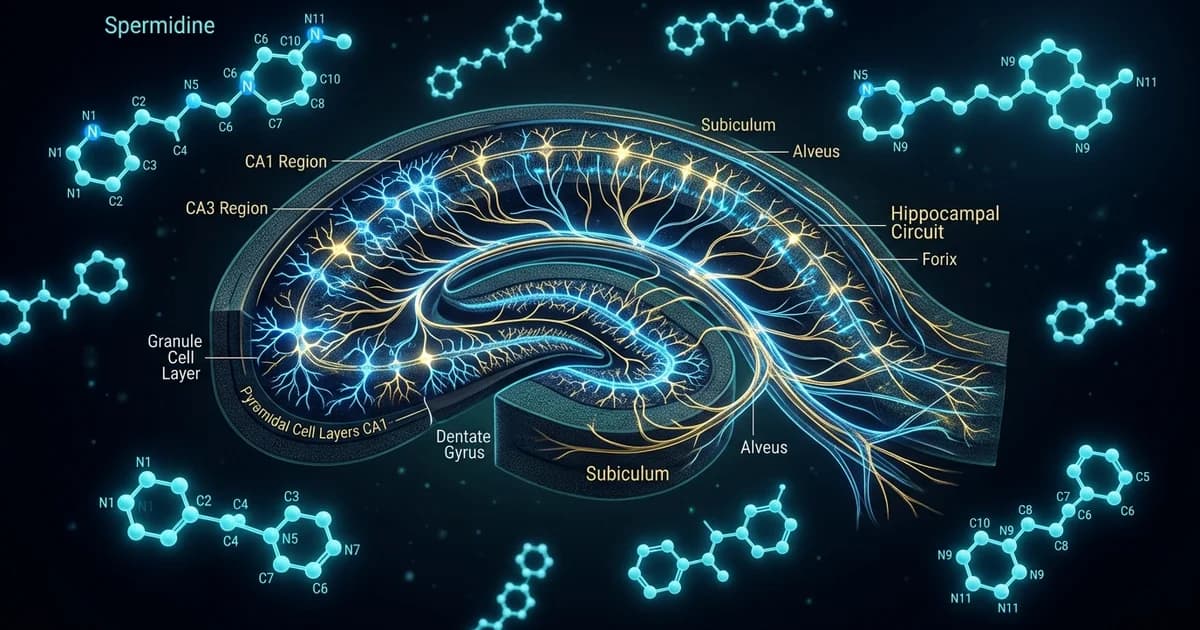
A concussion creates a neurochemical cascade inside the brain. Ions flood in and out of cells in the wrong direction. Glucose metabolism tanks. Inflammation spikes. The hippocampus, the brain's primary memory center, is particularly vulnerable to this disruption.
The result? You forget where you put your keys. You lose track of conversations. You re-read the same paragraph four times and retain nothing. These aren't signs of stupidity or laziness. They're signs of a brain under metabolic stress. Understanding why memory fails is the first step in learning how to improve memory after concussion.
According to the Concussion Alliance, cognitive dysfunction after concussion commonly affects memory, attention, processing speed, and executive function. The deficits vary from person to person, but memory complaints show up in the majority of cases.
Understanding this matters because it changes how you approach recovery. You're not trying to "fix" a broken brain. You're giving an injured brain the right inputs, including brain injury neuroplasticity exercises, so it can repair itself.
How to Improve Memory After Concussion: 7 Evidence-Based Strategies
1. Start With Controlled Aerobic Exercise
If you take away one thing from this article, make it this: aerobic exercise is one of the most powerful tools for anyone figuring out how to improve memory after concussion.
Exercise triggers the release of brain-derived neurotrophic factor (BDNF), a protein that promotes the survival of nerve cells and strengthens synaptic connections. A meta-analysis indexed on PMC found a moderate effect size for BDNF increases following a single session of exercise. Sustained training amplifies the effect.
Research published in Frontiers in Human Neuroscience reviewed aerobic exercise interventions for TBI rehabilitation and reported improvements in processing speed and multiple memory tasks across several studies.
The key word is controlled. During the first two weeks after injury, intense exercise can actually impair recovery. A review in PMC noted that exercise within the first week after concussion may impair recovery, while aerobic exercise performed 14 to 21 days post-concussion improved cognitive performance. Start below your symptom threshold and gradually increase intensity.
Walking, cycling, swimming. Pick something you'll actually do. Aim for 20 to 30 minutes of moderate-intensity work, 3 to 5 times per week. Consistent aerobic activity is central to how to improve memory after concussion over the long term.
2. Engage in Targeted Cognitive Rehabilitation
Think of this as physical therapy for your brain. Cognitive rehabilitation uses structured exercises to rebuild specific mental functions like memory, attention, and processing speed. For people learning how to improve memory after concussion, this approach has some of the strongest clinical backing.
Weill Cornell's neurosurgery department reports that cognitive remediation interventions incorporating memory, information processing, and attention training led to measurable improvements across multiple cognitive areas in brain-injured populations.
A review in PMC identified memory training as a practice standard for patients with mild TBI, with high-quality evidence supporting its effectiveness.
What does this look like in practice?
- Memory drills: Read a short passage and recall key details after a delay, a core technique in working memory improvement methods. Start with 5-minute gaps and extend to 30 minutes.
- Dual-task exercises: Listen to a podcast while walking, then summarize the content.
- Spaced retrieval practice: Study information, wait, then test yourself. Repeat at increasing intervals.
- Card matching games: Simple, but they force your working memory to hold and compare information.
You don't need expensive software. Consistency matters more than complexity.
3. Prioritize Sleep Like Your Recovery Depends on It (Because It Does)
Sleep is when your brain consolidates memories, clears metabolic waste through the glymphatic system, and repairs damaged tissue. Anyone serious about how to improve memory after concussion needs to treat sleep as a non-negotiable priority. After a concussion, sleep architecture is often disrupted, creating a vicious cycle: poor sleep impairs memory, and impaired memory creates more stress, which further disrupts sleep.
Practical steps to protect your sleep:
- Fix your wake time first. Get up at the same time every day, even weekends. This anchors your circadian rhythm.
- Cut screens 60 minutes before bed. Blue light suppresses melatonin. You know this. Do it anyway.
- Keep the room cold. 65 to 68°F (18 to 20°C) is the sweet spot for most people.
- Avoid caffeine after 2 PM. Your injured brain is more sensitive to stimulants than usual.
- Target 8 to 9 hours. A recovering brain needs more sleep than a healthy one.
4. Feed Your Brain the Right Fats
Your brain is roughly 60% fat by dry weight, and it needs specific fatty acids to repair itself. Omega-3 fatty acids, particularly DHA, play a direct role in how to improve memory after concussion by supporting neuronal repair and reducing inflammation.
A 2025 information paper from the Military Health System reviewed preclinical evidence showing that DHA administered during both the acute and subacute phases following TBI may enhance cognitive recovery and improve learning and memory.
A review available on ScienceDirect found that preclinical investigations consistently demonstrate that dietary DHA, provided either before or after mTBI, improves functional outcomes including spatial learning and memory.
Good dietary sources of omega-3s include:
| Food | DHA + EPA Content (per serving) |
|---|---|
| Wild salmon (3 oz) | ~1,500 mg |
| Sardines (3 oz) | ~1,100 mg |
| Mackerel (3 oz) | ~1,000 mg |
| Walnuts (1 oz) | ~2,500 mg ALA (converts poorly to DHA) |
| Fish oil supplement | Varies (look for 1,000+ mg combined EPA/DHA) |
If you don't eat fish regularly, a high-quality fish oil supplement is a reasonable option, and it's worth reviewing supplements for brain injury recovery more broadly to find what fits your protocol. Talk to your doctor about dosing, especially if you're on blood thinners.
5. Manage Stress and Anxiety Aggressively
Chronic stress floods the brain with cortisol, which directly impairs hippocampal function and memory encoding. Post-concussion anxiety is extremely common, and it creates a feedback loop that slows recovery. Stress management is an often-overlooked part of how to improve memory after concussion, but it can make or break your progress.
Effective stress management tools:
- Diaphragmatic breathing: 4 seconds in, 7 seconds hold, 8 seconds out. This activates the parasympathetic nervous system within minutes.
- Meditation: Even 10 minutes daily has measurable effects on cortisol levels and attention.
- Nature exposure: 20 minutes in a green space lowers cortisol more effectively than 20 minutes of indoor rest.
- Social connection: Isolation worsens post-concussion symptoms. Stay connected, even when you don't feel like it.
6. Use External Memory Supports (Without Guilt)
This one is practical, not glamorous. While your brain heals, offload what you can. External supports are a smart part of how to improve memory after concussion because they free up cognitive resources for healing.
- Use a single notebook for everything. Capture tasks, appointments, and ideas in one place.
- Set phone alarms for medications, appointments, and daily routines.
- Create checklists for multi-step tasks like cooking or morning routines.
- Use voice memos to capture thoughts when writing feels like too much effort.
These aren't crutches. They're tools that reduce cognitive load so your brain can allocate its limited resources to recovery.
7. Combine Aerobic Exercise With Cognitive Training
Emerging research suggests that combining physical and cognitive training produces better outcomes than either one alone, making this a top-tier strategy for how to improve memory after concussion.
A 2023 review in PMC examined the additive benefits of aerobic exercise and cognitive training post-concussion. The authors noted that aerobic exercise may improve cognitive function in those with a concussion history, and that combining the two interventions could amplify recovery.
In practical terms, this might look like:
- A 20-minute bike ride (aerobic component).
- Followed immediately by 15 minutes of memory exercises or cognitive drills (cognitive component).
The exercise primes the brain with BDNF and increased blood flow, making the subsequent cognitive training more effective. Think of it as warming up the engine before driving.
What the Recovery Timeline Actually Looks Like
Most people recover from concussion-related memory problems within 3 months. But "most" doesn't mean "all," and recovery is rarely linear. You'll have good days and bad days. Weeks where everything feels normal, followed by a setback triggered by stress, poor sleep, or overexertion. Knowing how to improve memory after concussion means accepting that progress won't always be smooth.
A realistic timeline:
| Phase | Timeframe | What to Expect |
|---|---|---|
| Acute | Days 1-14 | Rest, gentle walking, external memory aids |
| Subacute | Weeks 2-6 | Gradual introduction of aerobic exercise and cognitive drills |
| Recovery | Weeks 6-12 | Consistent training, noticeable improvement in recall |
| Maintenance | 3+ months | Continued habits, occasional setbacks are normal |
If memory problems persist beyond 3 months, consult a neuropsychologist. Persistent post-concussion symptoms (PPCS) affect a subset of patients and may require more specialized intervention.
When to See a Professional
Self-directed strategies for how to improve memory after concussion work for many people, but some situations call for expert help:
- Memory problems getting worse, not better, after 4 to 6 weeks.
- Difficulty performing basic daily tasks (cooking, managing finances, following conversations).
- Co-occurring symptoms like severe headaches, vision changes, or mood instability.
- A history of multiple concussions.
A neuropsychologist can run formal cognitive testing to pinpoint exactly where your deficits are and build a targeted rehabilitation plan. Don't guess when you can measure.
Building a Sharper Brain After Recovery
Recovery from a concussion doesn't have to end at "back to baseline." The habits you build while learning how to improve memory after concussion, including regular exercise, quality sleep, cognitive training, and proper nutrition, are the same habits that support long-term brain performance.
Once you're past the acute phase and cleared by your doctor, improving working memory for adults becomes a daily practice, not just a recovery protocol. Roon was built for exactly this kind of ongoing cognitive support. Its combination of Caffeine (80 mg), L-Theanine, Theacrine, and Methylliberine promotes sustained focus and supports working memory without the jitters, crashes, or tolerance buildup that come with most stimulants.
Invest in your brain. It's the only one you've got.