PMS Anxiety Supplements: A Science-Based Guide to What Actually Works
Roon Team
PMS Anxiety Supplements: A Science-Based Guide to What Actually Works
Roughly 64% of women experience mood swings or anxiety as a premenstrual symptom, according to a UVA Health study. That makes pms anxiety supplements one of the most searched categories in women's health, and one of the most confusing. The supplement aisle is packed with vague promises and proprietary blends that tell you nothing about what's inside.
This guide breaks down the specific compounds with real clinical evidence behind them, explains why your brain chemistry shifts before your period, and helps you figure out which supplements for pms anxiety are worth your money.
Key Takeaways
- Hormonal shifts in the luteal phase reduce GABA activity and serotonin availability, directly increasing anxiety.
- Magnesium, vitamin B6, and L-theanine are among the best pms anxiety supplements backed by clinical evidence.
- Dosing and form matter. A cheap magnesium oxide tablet won't do the same thing as magnesium glycinate.
- Stacking certain compounds (like magnesium + B6, or L-theanine + caffeine) can produce effects stronger than either one alone.
Why Your Brain Gets Anxious Before Your Period
PMS anxiety isn't "in your head" in the dismissive way people sometimes mean. It's a measurable neurochemical event, and understanding it is the first step toward choosing the right pms anxiety supplements.
During the luteal phase (the ~14 days between ovulation and your period), progesterone rises and then drops sharply. Progesterone has a direct calming effect on the brain because one of its metabolites, allopregnanolone, binds to GABA-A receptors, the same receptors targeted by anti-anxiety medications like benzodiazepines.
When progesterone crashes in the days before menstruation, GABA signaling weakens. At the same time, estrogen drops too. Estrogen supports serotonin production, so less estrogen means less serotonin available for mood regulation.
The result: your brain's two primary calming systems (GABA and serotonin) take a hit at the same time. That's not a character flaw. It's biochemistry. And it's exactly why targeted pms anxiety supplements can make a measurable difference.
According to the NCBI StatPearls resource on PMS, the pooled worldwide prevalence of PMS in reproductive-age women is about 47.8%, with roughly 20% of those experiencing symptoms severe enough to affect daily functioning.
The 5 Best PMS Anxiety Supplements (Ranked by Evidence)
1. Magnesium
Magnesium is the single most studied mineral for PMS symptoms, and it tops most lists of pms anxiety supplements for good reason. It plays a direct role in GABA receptor function and helps regulate the HPA axis (your stress response system).
A systematic review published in PMC found that four out of seven studies examining magnesium for PMS-related anxiety reported positive effects. The review also noted that magnesium combined with vitamin B6 produced effects superior to magnesium alone.
A separate randomized controlled trial using 250 mg/day of magnesium found measurable reductions in PMS severity when taken consistently across the full menstrual cycle, not just during the symptomatic phase.
What to look for:
| Form | Bioavailability | Best For |
|---|---|---|
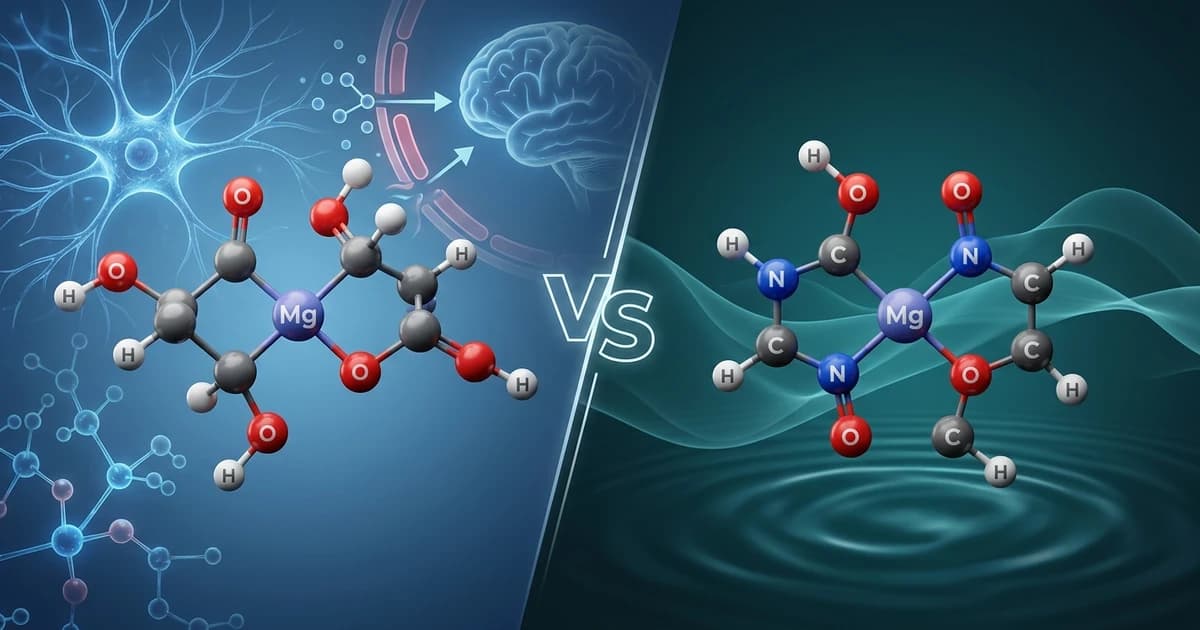
| Magnesium Glycinate | High | Anxiety, sleep |
| Magnesium Threonate | High (crosses BBB) | Cognitive symptoms |
| Magnesium Citrate | Moderate | General PMS |
| Magnesium Oxide | Low | Avoid for anxiety |
Dose range: 200-400 mg elemental magnesium daily. Start at the lower end to avoid GI issues.
2. Vitamin B6 (Pyridoxine)
Vitamin B6 is a cofactor in the synthesis of both serotonin and GABA. Without adequate B6, your brain literally cannot produce enough of either neurotransmitter, which is why B6 appears in so many pms anxiety supplements.
A study from the University of Reading, published in PMC, found that high-dose B6 supplementation reduced self-reported anxiety in participants. The researchers attributed this to B6's role in boosting GABA production, which increases inhibitory neural activity and calms overexcited circuits.
Research published in PMC on B6 and mood confirmed that B6 has a "significant and selective modulatory impact on central serotonin and GABA" pathways.
Dose range: 50-100 mg daily. Don't exceed 200 mg/day long-term, as very high doses of B6 can cause peripheral neuropathy.
3. L-Theanine
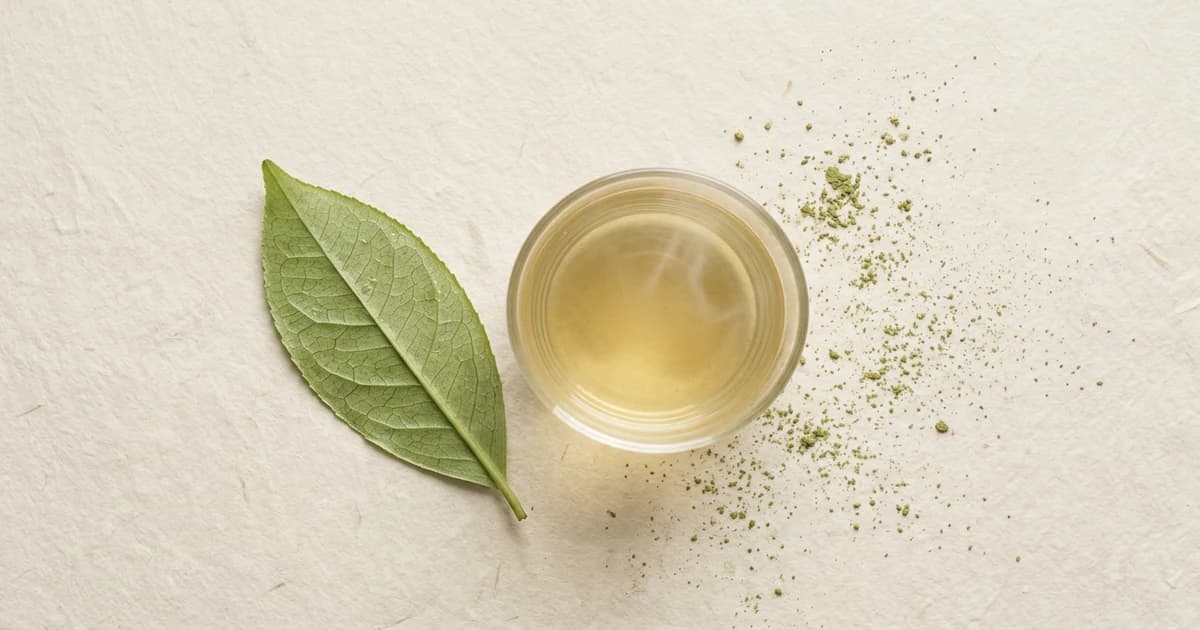
L-theanine is an amino acid found naturally in green tea, and it's one of the most versatile pms anxiety supplements available. It crosses the blood-brain barrier and promotes alpha brain wave activity, the same pattern seen during calm, focused states like meditation.
A randomized controlled study published in PMC found that L-theanine causes relaxation within approximately 30-40 minutes of ingestion through two mechanisms: direct stimulation of alpha brain waves and enhancement of inhibitory neurotransmitter activity (GABA, serotonin, and dopamine).
Research from Frontiers in Nutrition further confirmed that L-theanine reduces anxiety through both GABA receptors and inhibitory serotonin receptors.
What makes L-theanine especially useful among supplements for pms anxiety is that it calms without sedating. You don't get the drowsiness of a benzo or the mental fog of an antihistamine. You get focused calm.
Dose range: 100-200 mg, one to two times daily.
4. Omega-3 Fatty Acids (EPA/DHA)
Omega-3s, particularly EPA, have anti-inflammatory properties that affect brain function. Chronic low-grade inflammation is a proposed mechanism in PMS severity, and EPA competes with pro-inflammatory omega-6 fatty acids for the same enzymatic pathways. That anti-inflammatory action is why omega-3s show up in research on pms anxiety supplements.
Multiple clinical trials have tested omega-3 supplementation for PMS. The evidence is moderate: some trials show reductions in psychological PMS symptoms (anxiety, depression, difficulty concentrating), while others show effects primarily on physical symptoms like cramping and bloating.
The strongest results come from studies using 1-2 grams of EPA per day, taken consistently for at least two to three menstrual cycles.
Dose range: 1,000-2,000 mg combined EPA/DHA daily, with an emphasis on EPA.
5. Calcium
This one surprises people, but calcium has solid data behind it for PMS. A large randomized controlled trial (the landmark Thys-Jacobs study) found that 1,200 mg of calcium carbonate daily reduced overall PMS symptom scores by 48% compared to placebo over three menstrual cycles. Mood symptoms, including anxiety, were among the most improved, earning calcium a place among evidence-based pms anxiety supplements.
The mechanism likely involves calcium's role in neurotransmitter release and hormonal regulation. Women with PMS have been shown to have disrupted calcium homeostasis during the luteal phase.
Dose range: 1,000-1,200 mg daily, split into two doses for better absorption. Take with food for best results, and pair with vitamin D if your levels are low, since D is required for proper calcium absorption.
Honorable Mentions
A few other compounds show early promise as pms anxiety supplements, though with thinner evidence:
- Chasteberry (Vitex agnus-castus): Used in European medicine for decades. Some trials show improvement in irritability and mood symptoms, possibly through dopaminergic effects. The data is decent but inconsistent across studies.
- Zinc: Involved in over 300 enzymatic reactions, including neurotransmitter metabolism. A few small trials suggest it may reduce PMS severity, but more research is needed.
- Saffron extract: Two small RCTs found it reduced PMS-related depression and anxiety. Interesting, but the sample sizes were tiny.
Supplements for PMS Anxiety: What the Stacking Evidence Shows
Individual pms anxiety supplements work. Combinations often work better.
The most well-supported stack for PMS anxiety is magnesium + vitamin B6. The PMC systematic review explicitly noted that studies using this combination "demonstrated effects superior to those of Mg administered alone." This makes biological sense: magnesium supports GABA receptor function while B6 increases GABA production. They hit the same system from two different angles, and together they form one of the strongest supplements for pms anxiety protocols available.
Another strong pairing is L-theanine + low-dose caffeine. L-theanine smooths out caffeine's stimulatory effects, reducing the jitteriness that can worsen PMS anxiety while preserving the focus and alertness benefits. Research on this combination consistently shows improved attention and reduced anxiety compared to caffeine alone.
Here's a practical stacking framework for pms anxiety supplements:
| Goal | Morning Stack | Evening Stack |
|---|---|---|
| Calm focus during the day | L-theanine (100-200 mg) + caffeine (40-80 mg) | Magnesium glycinate (200 mg) |
| Broad PMS symptom relief | Calcium (600 mg) + B6 (50 mg) | Calcium (600 mg) + Magnesium (200 mg) |
| Sleep + next-day mood | (none) | Magnesium threonate (200 mg) + L-theanine (200 mg) |
What to Avoid
A few things marketed as pms anxiety supplements that don't hold up well under scrutiny:
- St. John's Wort: Interacts with birth control pills, SSRIs, and a long list of other medications. The risk-benefit ratio is poor for most women.
- High-dose GABA supplements: Oral GABA has trouble crossing the blood-brain barrier in meaningful amounts. The evidence is weak.
- "Hormone-balancing" proprietary blends: If a label doesn't tell you the exact dose of each ingredient, skip it. You can't evaluate what you can't measure.
Timing Your PMS Anxiety Supplements Matters More Than You Think
Most women start supplements only when symptoms appear, usually a few days before their period. That's too late for most compounds to reach effective levels.
Magnesium, B6, and calcium all work best when taken daily throughout the entire cycle, not just during the luteal phase. The clinical trials showing the strongest results used continuous dosing for two to three full cycles before measuring outcomes.
L-theanine is the exception. It works acutely, within 30-40 minutes, so you can use it on-demand when anxiety spikes. That fast-acting quality makes L-theanine one of the most practical pms anxiety supplements for real-world use.
Calm Focus, Not Drowsy Calm
Most approaches to PMS anxiety trade one problem for another. You calm the anxiety but lose your edge. You take something sedating and spend the afternoon in a fog. That tradeoff gets old fast, especially when you still have deadlines, meetings, and a life that doesn't pause for your cycle. The best pms anxiety supplements shouldn't force you to choose between feeling calm and feeling sharp.
It doesn't have to work that way.
L-theanine's ability to promote GABA activity while simultaneously supporting alpha brain wave production means you get calm and clarity. It's the reason the compound shows up in both anxiety research and cognitive performance research. And when paired with a precise dose of caffeine, the combination produces something neither compound achieves alone: sustained, jitter-free focus with a relaxed baseline.
Roon was built around this principle. It pairs L-theanine with 80 mg of caffeine, theacrine, and methylliberine in a zero-nicotine sublingual pouch, delivering calm focus that lasts 6-8 hours without jitters, crashes, or sedation. No tolerance buildup. No pills to swallow. Just a pouch you tuck under your lip and forget about while your brain does its job.
If your current pms anxiety supplements strategy leaves you choosing between "wired" and "useless," that's a false choice. Your brain can be calm and sharp at the same time.