Oral Fixation Device: What You Need to Know Before You Buy One
Roon Team
Oral Fixation Device: What You Need to Know Before You Buy One
You quit the vape. Or you're trying to. Either way, you already know the hardest part isn't the nicotine. It's the 200 times a day your hand drifts toward your mouth with nothing to do. That restless, gnawing urge is your oral fixation device problem, and it's the reason most people relapse within the first two weeks.
The market has noticed. A wave of nicotine-free pouches, breathing tools, chewable sticks, and flavored air inhalers now compete for the attention of anyone looking for an oral fixation replacement for vaping. Some of them are worth your money. Most are not.
This guide breaks down the science of oral fixation, reviews every major oral fixation device category, and helps you pick the right tool for the job.
Key Takeaways
- Oral fixation is neurological, not just psychological. Oral stimulation triggers dopamine release, which is why the habit is so hard to break with willpower alone.
- The best oral fixation devices replace the behavior, not just the substance. Products that mimic the hand-to-mouth motion and oral sensation outperform simple nicotine replacements.
- Not all products are created equal. Some deliver zero functional benefit beyond distraction. Others pair the oral habit with ingredients that actually support focus and energy.
- Pouches are the fastest-growing category. The U.S. oral nicotine pouch market surged 40% in 2025, and nicotine-free versions are riding the same wave.
Why Oral Fixation Is So Hard to Beat
Most people think of oral fixation as a quirky personality trait. It's not. It's a deeply wired neurological pattern, and choosing the right oral fixation device starts with understanding why.
Research from Neurolaunch explains that oral stimulation activates the release of dopamine, the neurotransmitter tied to pleasure and reward. Every time you hit a vape, your brain doesn't just register the nicotine. It registers the sensation of something in your mouth, the inhale, the hand movement, the exhale. Each one of those micro-actions fires off its own small dopamine signal.
That's why nicotine patches fail so many people. They address the chemical dependency but ignore the behavioral loop entirely. Your brain built a habit around the physical act, and removing the substance without replacing the ritual leaves a gap that willpower alone can't fill.
Research from Northwestern University has shown that dopamine release in the dorsolateral striatum is required for habit formation. Once a habit is encoded in this region, it operates almost automatically. You don't decide to reach for your vape. Your basal ganglia decide for you.
This is why the concept of an oral fixation device exists in the first place. You need something that occupies the same neural real estate, and the right oral fixation device can do exactly that.
Every Type of Oral Fixation Device on the Market Right Now
The market for alternatives to vaping for oral fixation has exploded over the past two years. Here's a breakdown of the major categories, so you can find the oral fixation device that actually fits your needs.
Breathing Tools and Mock Inhalers
Products like the Komuso Shift and CAPNOS mimic the hand-to-mouth inhale of vaping or smoking. The Shift is a metal pendant you breathe through, designed to slow your exhale and promote calm. CAPNOS simulates a throat hit without any vapor, nicotine, or chemicals.
Pros: As an oral fixation device, they nail the physical ritual. The hand-to-mouth motion, the inhale, the exhale. For people whose fixation is primarily about the breathing pattern, these can be effective.
Cons: They don't put anything in your mouth for an extended period. Once you stop using them, the oral craving returns. They're also conspicuous. Breathing through a metal whistle in a meeting isn't exactly subtle.
Chewable Sticks and Toothpicks
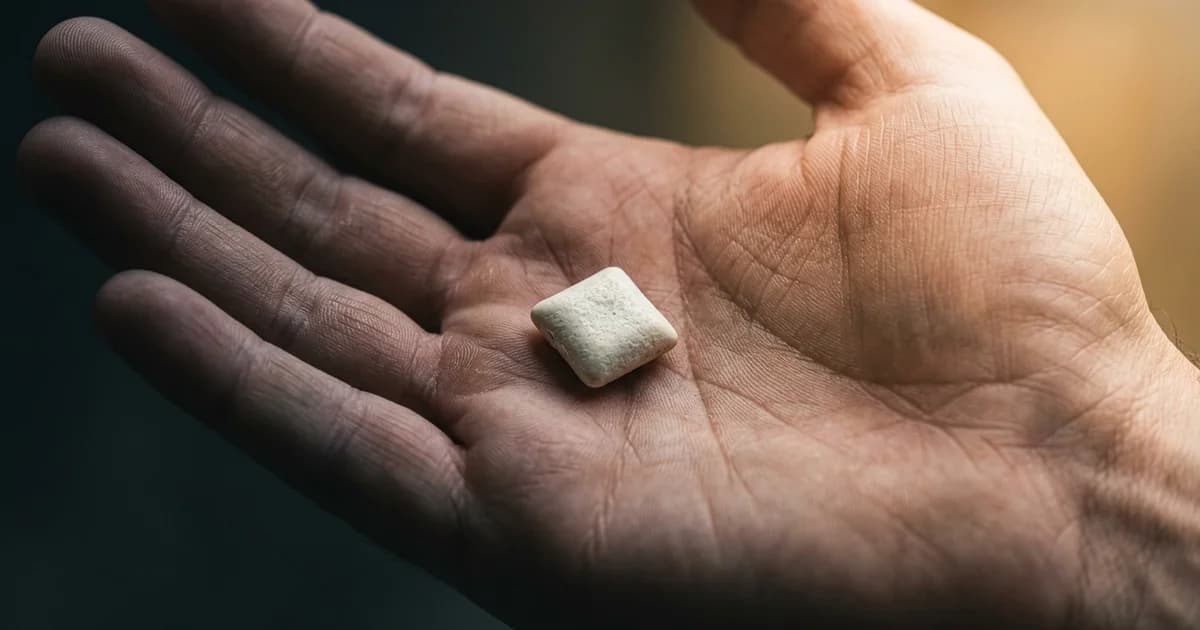
Flavored toothpicks, chew sticks, and silicone bite toys target the jaw-movement component of oral fixation. They're cheap, portable, and discreet.
Pros: Low cost. Easy to carry. Satisfy the chewing urge.
Cons: They deliver zero functional benefit. No cognitive support, no energy, no active ingredients. They're a distraction, not a solution. And for anyone whose oral fixation is tied to the sublingual sensation of a vape or cigarette, chewing a stick misses the point. This type of oral fixation device only addresses part of the problem.
Nicotine Pouches
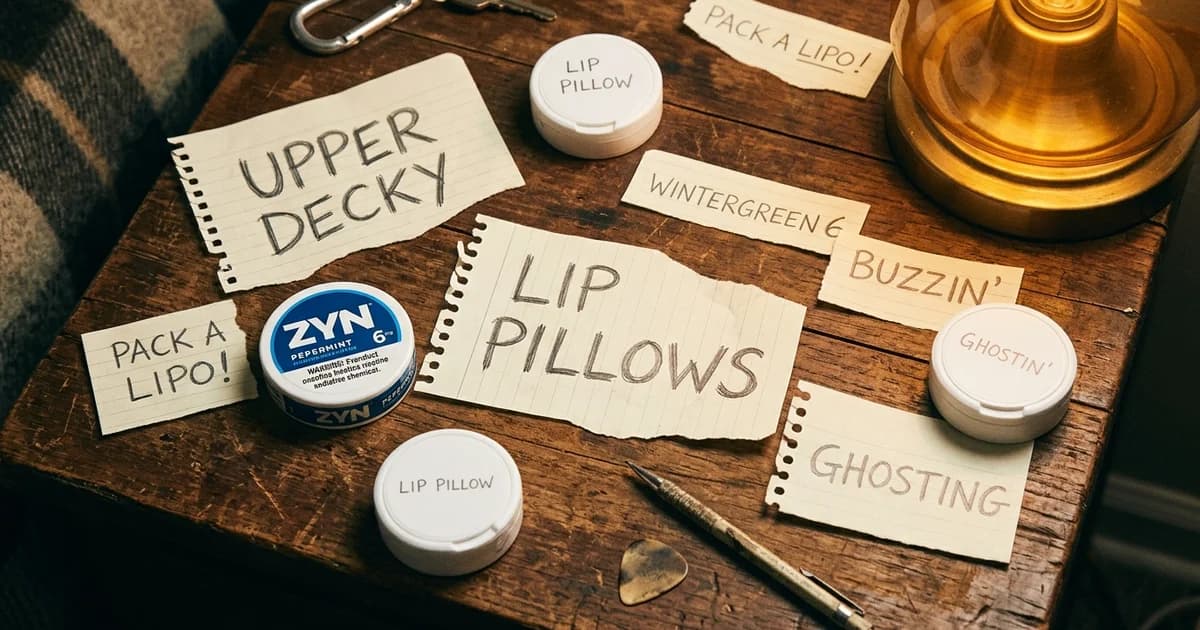
Brands like Zyn, On!, and Velo dominate this category. You tuck a small pouch between your gum and lip, and it delivers nicotine through the oral mucosa. According to the 2025 Nicotine Pouch Report from Nicokick, 42% of adult pouch users started using them to quit smoking, and 92% of former smokers reported improved well-being after switching.
Pros: They satisfy the oral fixation. They're discreet. The sublingual delivery is familiar to anyone who vaped or used dip.
Cons: You're still consuming nicotine. For anyone trying to oral fixation quit vaping for good, switching to another nicotine product is a lateral move, not progress. You've swapped the delivery method without addressing the addiction.
Nicotine-Free Functional Pouches
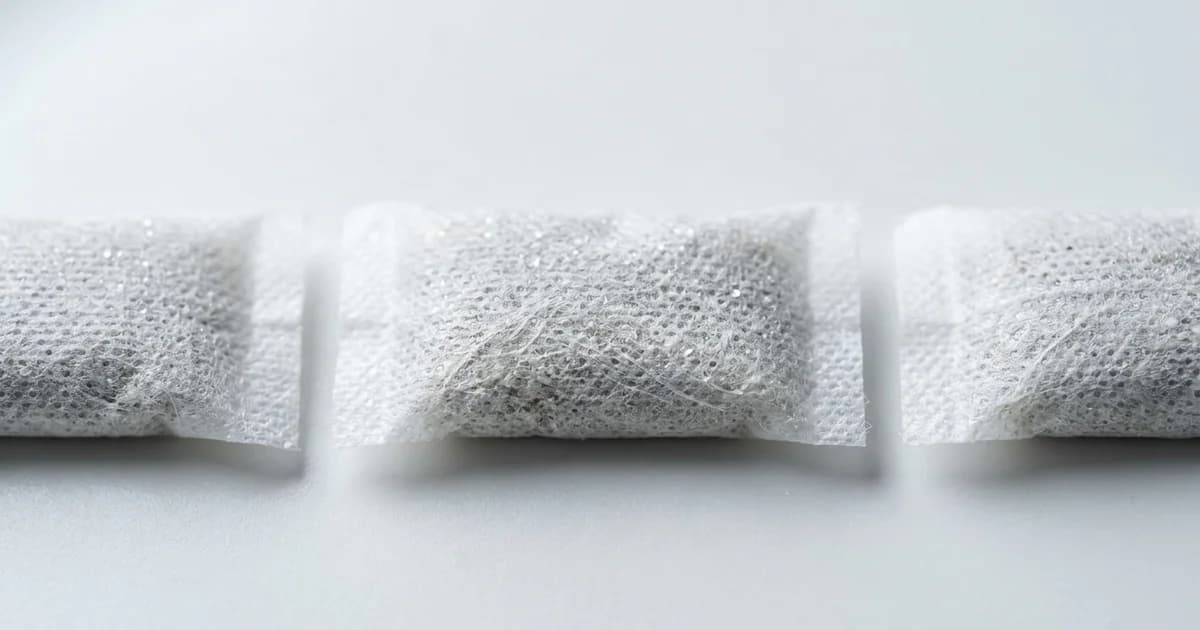
This is the newest and most interesting oral fixation device category. These pouches look and feel like nicotine pouches but contain zero nicotine. Instead, they're loaded with functional ingredients like caffeine, L-theanine, or herbal blends. You get the oral sensation, the sublingual delivery, and an actual cognitive or energy benefit without any addictive substance.
Pros: They address the full oral fixation loop (hand-to-mouth, sublingual sensation, sustained oral presence) while delivering something functionally useful. No nicotine. No vapor. No smoke. As alternatives to vaping for oral fixation, functional pouches check every box.
Cons: Quality varies wildly. Some brands use underdosed ingredients or filler blends that don't do much. You need to check the label.
Comparing Oral Fixation Devices: A Quick Reference
| Product Type | Satisfies Oral Fixation? | Nicotine-Free? | Functional Benefit? | Discreet? |
|---|---|---|---|---|
| Breathing Tools | Partial (inhale only) | Yes | Minimal | No |
| Chew Sticks/Toothpicks | Partial (jaw only) | Yes | None | Moderate |
| Nicotine Pouches | Yes | No | Nicotine stimulation | Yes |
| Nicotine-Free Functional Pouches | Yes | Yes | Caffeine, L-theanine, etc. | Yes |
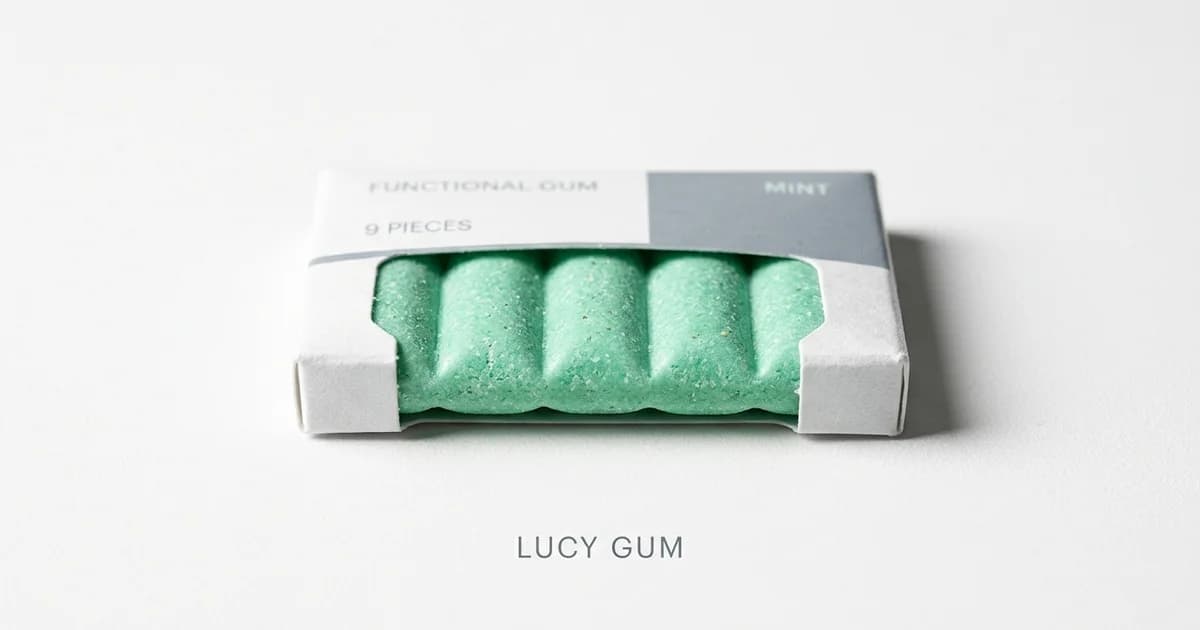
| Regular Gum/Mints | Partial | Yes | None | Yes |
What to Look for in an Oral Fixation Device as a Replacement for Vaping
If you're serious about finding an oral fixation quit vaping solution that sticks, here's what the science says matters when choosing your oral fixation device.
1. It Needs to Occupy Your Mouth for More Than 10 Seconds
Mints dissolve. Toothpicks get boring. The reason vaping is so habit-forming is that the device stays with you. A good oral fixation replacement for vaping needs sustained oral presence, something you can park in your lip for 20 to 40 minutes.
2. The Ingredients Should Do Something
If you're putting something in your body, it should earn its place. Look for ingredients with actual clinical backing. A study published on PubMed found that a combination of 97mg of L-theanine and 40mg of caffeine improved focus and attention during demanding cognitive tasks. That's the kind of functional payoff a good oral fixation device should deliver.
Another PubMed study confirmed that the L-theanine and caffeine combination improved both speed and accuracy of attention-switching, while reducing susceptibility to distracting information. The two compounds work better together than either does alone.
3. It Should Not Create a New Dependency
This is the trap. You quit vaping only to get hooked on nicotine pouches. A 2025 Cochrane review found that current evidence on oral nicotine pouches for cessation is still limited, with only four small studies available. The science simply hasn't caught up to the marketing claims yet.
If your goal is to break free from nicotine entirely, your oral fixation device should contain zero nicotine. Full stop.
4. It Should Be Discreet
You'll use your oral fixation device more if nobody notices. Pouches win here. They sit invisibly under your lip. No vapor clouds, no chewing sounds, no metal whistle around your neck.
The Psychology of Replacement: Why "Just Stop" Doesn't Work
Telling someone with an oral fixation vaping habit to "just stop" is like telling an insomniac to "just sleep." The behavior is encoded at a level below conscious decision-making, which is exactly why an oral fixation device matters.
Research from the Integrative Psych Group describes the habit loop as a three-part cycle: cue, routine, reward. For vapers, the cue might be stress, boredom, or finishing a meal. The routine is reaching for the device. The reward is the combined hit of nicotine, oral stimulation, and the brief dopamine spike.
The most effective approach to breaking this loop isn't eliminating the routine. It's replacing it with a new one that delivers a similar reward through a different mechanism. This is called habit substitution, and it's one of the most well-supported strategies in behavioral psychology.
That's exactly what a well-designed oral fixation device does. It slots into the existing habit loop, satisfies the cue-routine-reward cycle, and gradually rewires the association away from nicotine. For anyone exploring alternatives to vaping for oral fixation, this is the framework that actually works.
The Case for Oral Fixation Quit Vaping Tools That Give Back
Here's the real question most people don't ask: if you're going to put an oral fixation device in your mouth 15 to 20 times a day, shouldn't it actually do something for you?
The old model was harm reduction. Switch from cigarettes to vapes. Switch from vapes to nicotine pouches. Each step is slightly less harmful than the last, but none of them add anything positive to your day.
The new model is functional replacement. Instead of just removing the bad thing, you replace it with something that actively supports your performance. Caffeine for energy. L-theanine for calm focus. Theacrine and methylliberine for sustained mental clarity without the jitters or crash.
This is where the oral fixation device category gets interesting. And it's where Roon fits in.
A Pouch That Works as Your Oral Fixation Device
Roon is a zero-nicotine, sublingual pouch built around a stack of caffeine (80mg), L-theanine, theacrine, and methylliberine. It satisfies the oral fixation. It sits under your lip, just like a nicotine pouch. But instead of delivering an addictive stimulant, this oral fixation device delivers 6 to 8 hours of sustained cognitive performance with no jitters, no crash, and no tolerance buildup.
For anyone looking for an oral fixation replacement for vaping that doesn't just fill the gap but actually fills it with something useful, that's the pitch. No drama. No miracle claims. Just an oral fixation device that does more than occupy space.
Check it out at takeroon.com.