Not a Morning Person? The Chronotype Reframe and a No-Crash Way to Start the Day

Not a Morning Person? The Chronotype Reframe and a No-Crash Way to Start the Day
You are not lazy. You are not undisciplined. Your alarm goes off and your body files a formal complaint, while the so-called morning people around you are somehow already cheerful. There is a real biological reason for this, and it has a name: your chronotype.
Your chronotype is the internal timing of your circadian clock, and it is substantially written into your genes. A genome-wide study of nearly 700,000 people found 351 stretches of DNA that influence whether you skew early or late, which means your morning fog is closer to eye color than to a character flaw. You cannot rewrite that code by buying a louder alarm. You can, however, work with the first hour after waking, using light and movement to interrupt the grogginess before your biology catches up with the clock.
This article is informational and not medical advice. Persistent daytime sleepiness, insomnia, or low mood should be discussed with a clinician.
Key Takeaways
- Chronotype is genetic. A study of 697,828 people identified 351 genetic loci tied to whether you are a morning or evening person, set largely by your internal clock genes.
- A late chronotype is not bad sleep hygiene. One is biological timing; the other is behavior. They look similar at 7 a.m. But need different fixes.
- Sleep inertia explains the underwater first hour. It is the temporary grogginess right after waking, and light, cold, and movement interrupt it faster than willpower.
- Caffeine timing matters more than dose. Delaying your first caffeine roughly 60 to 90 minutes after waking, paired with L-theanine for a smoother curve, supports the morning without setting up an afternoon crash.
Not a Morning Person? Here's the Real Reason
If you are not a morning person, the cause is mostly your circadian biology, not your motivation. Your body runs on an internal clock that decides when alertness-promoting signals rise and fall, and in late chronotypes those signals arrive later in the day. That is why a 6 a.m. Alarm feels like a violation while a 10 p.m. Burst of energy feels natural.
The clock is set by a small group of genes that keep a roughly 24-hour rhythm in nearly every cell. When your genetic timing leans late, an early schedule forces you to perform before your body has released its own wake-up signals. The fix is not to fight your genes. It is to give the morning the right external cues, in the right order, so your alertness catches up faster than it would on its own.
Chronotypes 101: Why Some Brains Run Late (and It's Genetic)
Your chronotype is largely inherited, and the science behind that is now hard to argue with. In a large genome-wide association study, researchers analyzing data from 697,828 people in the UK Biobank and 23andMe increased the number of genetic loci associated with being a morning person from 24 to 351.
Those regions are not random. The loci are enriched for genes involved in circadian regulation, cAMP, glutamate and insulin signalling pathways, and those expressed in the retina, hindbrain, hypothalamus, and pituitary, the exact hardware your body uses to track light and run its daily clock. The research team at Massachusetts General Hospital and the University of Exeter who led the work showed that this genetic timing measurably shifts behavior: the mean sleep timing of the 5% of individuals carrying the most morningness alleles is 25 min earlier than the 5% carrying the fewest.
Twenty-five minutes sounds small. Across a population it confirms something larger: your preferred sleep timing is partly handed to you at birth. The Sleep Foundation describes chronotype as your natural inclination toward sleeping and waking at particular times, often grouped into early types, late types, and the large middle. You can nudge it with light and routine. You cannot delete it.
The Difference Between a Late Chronotype and Just Bad Sleep Habits
A late chronotype is biological timing. Bad sleep hygiene is behavior. They produce the same 7 a.m. Misery, but the cause and the cure are different, and confusing the two keeps people stuck.
A true late chronotype means that even with a clear schedule and no screens, your body wants to fall asleep late and wake late. Move that person to a job that starts at noon and they often thrive. Poor sleep hygiene is different. It is the late scrolling, the 4 p.m. Espresso, the inconsistent bedtimes, and the bright bedroom that delay sleep regardless of your underlying genetics.
Here is the useful test. Ask what happens on a week with no obligations.
- If your sleep drifts later but stays consistent and you feel rested on your own schedule, that points to a late chronotype.
- If your sleep is erratic, you wake unrefreshed even after enough hours, and your habits are inconsistent, that points to sleep hygiene you can fix directly.
Most people are a mix. The point is that you can improve habits in a week, while your chronotype is a longer negotiation with your biology that favors consistent light exposure and steady wake times.
Sleep Inertia: Why the First Hour Feels Underwater
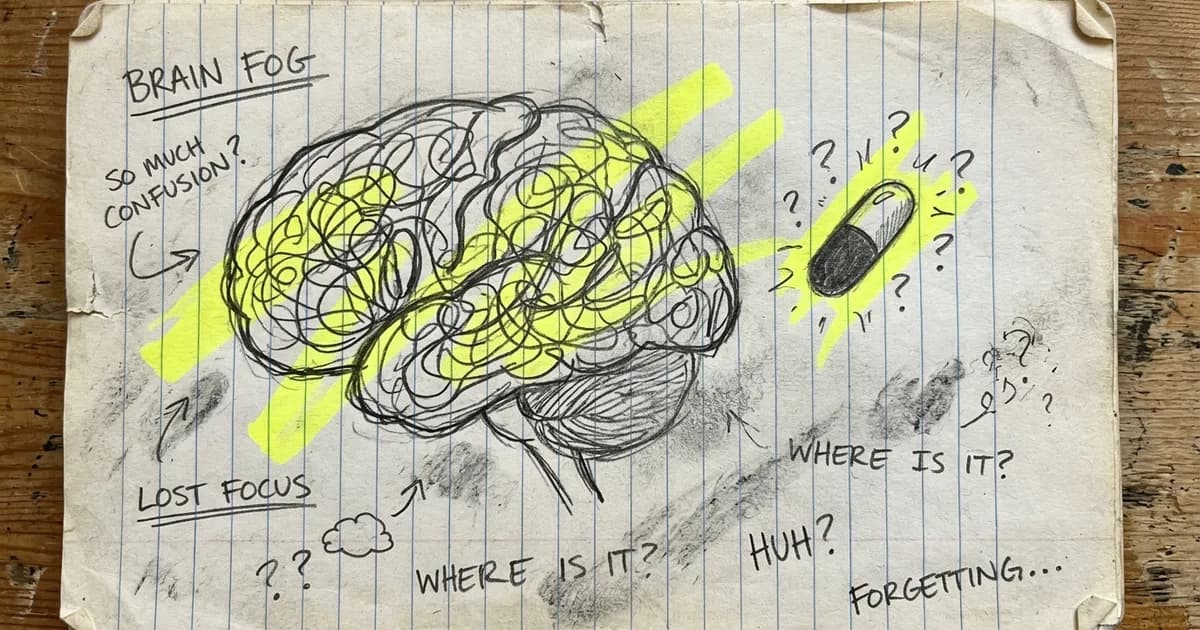
Sleep inertia is the temporary grogginess and reduced alertness you feel immediately after waking, and it is normal. Your brain does not switch from sleep to full function like a light switch. Some regions, especially those handling decision-making and alertness, come back online more slowly than others, which is why the first stretch of the morning feels foggy and your judgment feels dull.
For most people this fog clears within roughly 15 to 30 minutes, though it can linger longer after waking from deep sleep or after short sleep. A 2017 study in the Journal of Sleep Research found that late chronotypes require substantially longer to recover from sleep inertia than early chronotypes, even when total sleep duration is the same, pointing to circadian timing itself as the driver, not just tiredness.
You do not have to wait it out passively. Three external cues reliably shorten the fog:
- Light. Get bright light, ideally sunlight, into your eyes within the first 30 minutes. Light is the strongest signal your circadian clock uses to anchor the day.
- Cold. A cool shower or splashing cold water on your face raises alertness through a sharp sensory signal.
- Movement. A short walk or a few minutes of activity increases circulation and body temperature, both of which track with feeling awake.
Stack all three and the underwater hour gets noticeably shorter.
A No-Crash Morning Ritual for Night Owls in a 9-to-5 World
The best morning ritual for a late chronotype layers light, movement, and correctly timed caffeine, in that order. The goal is to deliver the wake-up signals your body releases late, using external cues, without spiking and crashing. Below are common options for the caffeine layer, compared honestly on what actually matters in the first hour.
| Morning option | Caffeine (typical) | Onset speed | Crash risk | Includes L-theanine | Notes |
|---|---|---|---|---|---|
| Drip coffee | 80 to 120 mg per cup | 30 to 45 min | Moderate to high | No | Acidic for some on an empty stomach; easy to over-pour |
| Energy drink | 80 to 300 mg | 15 to 30 min | High (often sugar-driven) | Rarely | Wide dose range; sugar adds a separate crash |
| Pre-workout powder | 150 to 350 mg | 15 to 30 min | High | Sometimes | Doses skew high; built for training, not a 9-to-5 desk |
| Green tea | 30 to 50 mg per cup | 30 to 45 min | Low | Yes (naturally) | Gentle, but the dose is often too low for a real lift |
| Plain L-theanine | 0 mg | n/a | None | Yes | Calming, but no alertness push on its own |
| Roon sublingual pouch | 80 mg | 5 to 10 min | Low (no sugar, balanced with L-theanine) | Yes (60 mg) | Zero nicotine; fast sublingual onset for the first hour |
A practical sequence for a workday:
- Wake at a consistent time, even on weekends, to stabilize your clock.
- Get light and a few minutes of movement first. This interrupts sleep inertia before any caffeine.
- Delay your first caffeine to roughly 60 to 90 minutes after waking. More on why below.
- Pair caffeine with L-theanine to smooth the curve and reduce the jittery edge.
This is the mid-article point worth naming plainly: a balanced caffeine plus L-theanine source, in any format, is the lever most night owls miss. Coffee alone often arrives too early and unbalanced.
Timing Caffeine So It Helps Instead of Wrecks Your Afternoon
Delaying your first caffeine by about 60 to 90 minutes after waking is the single most useful change a late chronotype can make. Caffeine works mainly by blocking adenosine, the molecule that builds up and makes you feel sleepy. First thing in the morning your adenosine is already low, so very early caffeine has little to push against and can blunt your natural wake-up rhythm.
Wait the hour or so and two things happen. Your own alertness signals have started to rise, so you are not relying on caffeine to do all the work. And by the time adenosine begins climbing again, caffeine is in position to blunt the mid-morning dip rather than being wasted on a moment your body was already waking up.
The afternoon crash is mostly a dosing and timing problem. A single large hit early burns off as your body clears it, leaving you flat by 2 p.m., while a balanced dose paired with L-theanine tends to feel smoother. L-theanine is an amino acid in tea associated with a calmer, steadier form of attention when taken with caffeine. The combination is why a moderate, balanced dose often beats a large jolt for desk work that needs to last.
When 'Not a Morning Person' Is Actually a Sleep Disorder or AM Anxiety
Most morning fog is normal chronotype and sleep inertia. Sometimes it is not, and knowing the difference matters. If your late sleep timing is rigid, distressing, and wrecks work or relationships, you may be looking at a circadian rhythm sleep-wake disorder rather than a simple preference, which a clinician can assess.
Other patterns deserve a professional, not a productivity hack:
- Loud snoring, gasping, or unrefreshing sleep despite enough hours can point to sleep apnea.
- Trouble falling or staying asleep most nights for weeks may be insomnia.
- A racing mind, dread, or a pounding heart on waking may reflect morning anxiety, which has its own evidence-based care.
- Persistent low mood, loss of interest, or early-morning waking can be features of depression.
None of these is a discipline problem, and none is fixed by caffeine. If your mornings are not just slow but genuinely impaired, talk to a doctor or a sleep specialist.
Conclusion
Being slow in the morning is not a personality defect. It is timing. Your chronotype is largely genetic, set by clock genes that decide when your alertness signals rise, and for late types those signals simply arrive later than the 9-to-5 world expects. The fog you feel in the first hour is sleep inertia, a normal handoff from sleep to full function.
You cannot rewrite your genes, but you control the cues. Wake at a steady time, get light and movement before anything else, and time a balanced dose of caffeine for roughly an hour after waking instead of the moment your feet hit the floor. That sequence works with your biology instead of fighting it, and it is the difference between dragging through the morning and meeting it on better terms.
Frequently Asked Questions
Can I change my chronotype?
You can shift it modestly, not erase it. Chronotype is substantially genetic, with 351 genetic loci identified in a study of nearly 700,000 people. Consistent wake times and bright morning light can nudge a late clock earlier over weeks. The change is real but limited, so the smarter strategy is building a morning that supports your existing timing rather than expecting to become a true early bird.
Why do I feel worse right after waking than an hour later?
That is sleep inertia, the temporary grogginess as your brain transitions from sleep to full alertness. Some brain regions involved in alertness and decision-making come back online more slowly than others. For most people it clears within about 15 to 30 minutes. Light, a cool shower, and movement interrupt it faster than sitting still or reaching straight for your phone, which keeps you sedentary in dim light.
When should I have my first coffee or caffeine?
Roughly 60 to 90 minutes after waking for most people. Caffeine works by blocking adenosine, which is already low right after you wake, so very early caffeine has little to act on. Waiting lets your natural alertness rise first, then positions caffeine to blunt the mid-morning dip. This timing also helps protect your afternoon by spreading the effect rather than front-loading one large hit.
Does L-theanine actually do anything with caffeine?
L-theanine is an amino acid found in tea, and it is commonly paired with caffeine for a smoother, steadier form of attention. The pairing is associated with a calmer focus and less of the jittery edge that caffeine alone can produce. It does not add stimulation on its own. Think of it as a balancing partner that supports the quality of caffeine's effect rather than the size of it.
Is being a night owl unhealthy?
Not inherently. A late chronotype is a normal variation in human biology, and many late types are healthy and productive on schedules that fit their timing. Problems tend to come from the mismatch between a late clock and an early-start society, which can cut total sleep. The fix is protecting sleep length and using morning light, not labeling your biology as broken.
How do I know if it is my chronotype or a sleep disorder?
Look at a week with no obligations. A late chronotype drifts later but stays consistent and feels rested on its own schedule. A disorder looks different: erratic sleep, waking unrefreshed after enough hours, loud snoring or gasping, or distress and impairment at work. If your mornings are genuinely impaired, or your sleep timing is rigid and distressing, see a doctor or sleep specialist.
The First-Hour Fix Most Night Owls Overlook
This article makes one argument: your morning fog is timing, not weakness, and the first hour responds to the right cues in the right order. Light and movement come first. The caffeine layer comes about an hour later, balanced so it lifts you without setting up a crash. That is exactly the slot Roon was built for.
Roon is a zero-nicotine sublingual pouch with 80 mg caffeine, 60 mg L-theanine, 25 mg methylliberine (Dynamine), and 5 mg theacrine (TeaCrine). Because it absorbs sublingually, it reaches you in roughly 5 to 10 minutes, which makes it a clean option for that delayed first hit once your light and movement are done. The L-theanine is there to keep the caffeine smooth rather than jittery.
Be clear about what it is not. Roon is not a replacement for sleep, not a treatment for any sleep disorder, and not a way to override a chronotype you are ignoring. It is a balanced, fast-onset way to start a workday on better terms. If you want a smoother first hour, try Roon as the caffeine layer in the ritual above.
By Roon Team