Nootropic Pouches vs Pills vs Drinks
Roon Team
Nootropic Pouches vs Pills vs Drinks: Which Format Actually Works?
You've narrowed it down to nootropics. Good. But now you're staring at three completely different delivery formats: pouches you tuck under your lip, capsules you swallow with water, and tiny liquid shots that taste like a matcha smoothie had a midlife crisis. The question of nootropic pouches vs pills vs drinks isn't just about preference. It determines how fast you feel the effects, how long they last, how much you absorb, and how much you spend per dose.
Most comparison content glosses over these differences. This one won't. We ran each format through five tests that actually matter for daily cognitive performance: speed of onset, duration, bioavailability, convenience, and cost per serving. The results aren't close.
Key Takeaways:
- Sublingual pouches deliver active compounds through the oral mucosa in minutes, while pills can take over an hour to reach peak effect.
- Duration depends on ingredient stack design, not format alone. Multi-compound formulas with theacrine and methylliberine outperform single-stimulant products.
- Liquid nootropic shots absorb faster than pills but cost $3–$5 per serving, making them the most expensive option per dose.
- Pouches win on portability, speed, and cost. Pills win on ingredient flexibility. Drinks win on nothing in particular.
1. Speed of Onset: How Fast Each Nootropic Format Hits
This is where format creates the biggest gap. A caffeine pill, one of many capsules that take an hour to kick in, has to survive your stomach acid, dissolve, pass through the intestinal wall, and clear first-pass liver metabolism before it reaches your brain. According to Transparent Labs, one study found caffeine pills take roughly 67 minutes to start working, compared to about 42 minutes for coffee.
Liquid shots skip the dissolution step but still travel the digestive route. Most users report feeling effects within 15–30 minutes, which tracks with general absorption data on liquid supplements.
Sublingual and buccal pouches bypass digestion entirely. Compounds absorb directly through the mucous membranes under your lip and enter the bloodstream without passing through the liver first. A Frontiers in Pharmacology study on oral-film caffeine delivery found faster central nervous system effects and greater bioavailability compared to standard oral administration. Pouch users typically report onset within 5–15 minutes.
Best for speed: Sublingual pouches.
2. Duration: Which Format Keeps You Locked In Longest
Speed means nothing if the effect vanishes in 90 minutes. Duration depends less on the delivery format and more on what's inside it.
Single-ingredient caffeine products, whether pill, liquid, or pouch, tend to deliver a 3–5 hour window before the crash sets in. ProSupps notes caffeine's active effects typically wear off in 4–6 hours, with significant individual variation. Most users feel the sharpest decline around hour three, right when you need that afternoon focus most.
The real differentiator is stack design. Theacrine (TeaCrine) and methylliberine (Dynamine) extend and smooth the caffeine curve. An eight-week safety study published in the Journal of the International Society of Sports Nutrition found that theacrine did not produce habituation or tachyphylaxis over the study period, meaning it kept working without requiring higher doses. That's a property caffeine alone doesn't have.
L-theanine plays a different role. Rather than extending duration, it modulates the quality of the focus window by promoting alpha-wave brain activity. A study published in the Journal of Nutrition found that caffeine and L-theanine together improved attention task performance and target discriminability beyond what either compound achieved alone.
Products that combine caffeine with L-theanine, theacrine, and methylliberine can stretch the focus window well beyond what a single-stimulant pill or drink can deliver. Roon's product page, for example, lists sustained focus lasting 6–8 hours from a single pouch containing all four compounds.
Best for duration: Multi-compound stacks (format-independent, but pouches and pills both support this).
3. Bioavailability: How Much of What You Take Actually Gets Used
You can swallow 200 mg of a nootropic compound in a capsule, but that number on the label isn't what reaches your brain. Bioavailability, the percentage of an ingested substance that enters systemic circulation, varies dramatically by delivery route.
Oral pills and capsules face first-pass metabolism. After absorption in the small intestine, compounds travel through the portal vein to the liver, where enzymes break down a portion before it ever reaches general circulation. A review in PMC documents how sublingual and buccal administration bypasses this hepatic first-pass effect entirely, producing a pharmacokinetic profile closer to intravenous delivery for certain compounds.
Liquid supplements have a slight edge over pills because they skip the dissolution phase. But they still follow the same gastrointestinal absorption pathway, meaning first-pass metabolism still applies.
Sublingual pouches sit in a unique position. The oral mucosa is thin, highly vascularized, and feeds directly into the jugular vein. Research confirms that buccal delivery avoids first-pass hepatic metabolism and can maintain sustained release when formulated correctly.
Best for bioavailability: Sublingual pouches.
4. Convenience and Portability: The Practical Test
This one seems trivial until you consider the real-world moments pouches outperform other formats, like standing in a TSA line, sitting in a meeting, or halfway through a trail run. Format matters in the real world.
Pills require water (or a dry-swallow habit that impresses nobody). They need to be stored in bottles, and if you're carrying a multi-pill stack like Thesis at 4 capsules per serving, that's a daily ritual involving a pill organizer or a Ziploc bag that looks suspicious.
Drinks are bulky. Magic Mind ships in 2 oz glass bottles that need refrigeration after opening. Carrying a day's supply means adding weight and fragility to your bag. You can't exactly pop one mid-conversation without it looking like you're doing a shot at your desk.
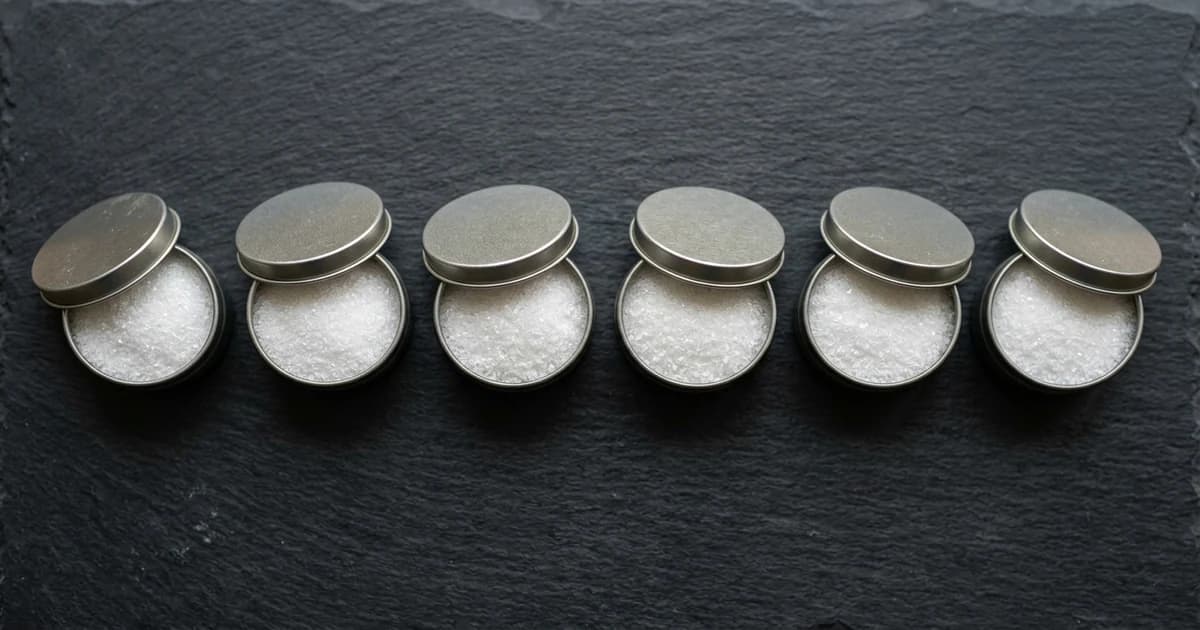
Pouches are small, flat, shelf-stable, and silent. You tuck one under your lip and nobody notices. No water needed, no prep, no cleanup, no recycling a tiny glass bottle. A single tin fits in a jacket pocket, a laptop bag, or a gym shorts zipper pouch. For the fastest acting nootropic format that also happens to be the most discreet, pouches are hard to argue against.
Best for convenience: Pouches, and it's not particularly close.
5. Cost Per Serving: Nootropic Pouches vs Pills vs Drinks on Price
Here's where the comparison gets uncomfortable for some brands.
| Format | Product Example | Servings | Price (Subscription) | Cost Per Serving | Active Ingredients | Transparency |
|---|---|---|---|---|---|---|
| Pills | Thesis Nootropics | 24 days/month | ~$79/month | ~$3.29/serving | Multi-compound; varies by blend | Proprietary blends, partial disclosure |
| Drinks | Magic Mind (15-pack) | 15 bottles | $44.63/month | $2.97/serving | Matcha, ashwagandha, lion's mane; exact mg not always listed | Partial disclosure |
| Pouches | Roon (4-tin bundle) | 15 pouches/tin | $15.00/tin one-time, from $9.16/tin subscribed | ~$1.00/serving, ~$0.61 subscribed | 80 mg caffeine, 60 mg L-theanine, 25 mg Dynamine, 5 mg TeaCrine | Full label disclosure |
Thesis costs $79/month on subscription, which works out to about $3.29 per serving. Magic Mind's 15-pack subscription runs $44.63/month, landing at $2.97 per shot, and the larger subscription tiers step down to $2.47 and $2.38. One-time purchases run $3.95 to $5.95 per bottle, per Magic Mind.
Roon's current price is $15.00 per tin when you buy the one-time 4-tin bundle, or about $1.00 per pouch. On subscription it starts at $9.16 per tin, about $0.61 per pouch. Even at the one-time price, that's less than a third of the cost of either competitor.
Best for cost: Pouches.
Quick Comparison: Pouches vs Pills vs Drinks Across All Five Tests
| Test | Pouches | Pills | Drinks |
|---|---|---|---|
| Speed of Onset | ★★★★★ (5–15 min) | ★★☆☆☆ (45–67 min) | ★★★☆☆ (15–30 min) |
| Duration | ★★★★☆ (6–8 hrs, stack-dependent) | ★★★★☆ (varies by stack) | ★★★☆☆ (2–4 hrs typical) |
| Bioavailability | ★★★★★ (bypasses first-pass) | ★★★☆☆ (first-pass loss) | ★★★★☆ (no dissolution, but first-pass) |
| Convenience | ★★★★★ (pocketable, no water) | ★★★☆☆ (needs water, multiple caps) | ★★☆☆☆ (bulky, refrigeration) |
| Cost/Serving | ★★★★★ (~$0.61–$1.00) | ★★☆☆☆ (~$3.29) | ★★☆☆☆ (~$2.38–$2.97) |
How to Choose the Right Nootropic Format for You
Your pick depends on what you're optimizing for.
If you want maximum ingredient flexibility and don't mind swallowing 4+ capsules every morning, pills let you customize your stack down to the milligram. Thesis and similar brands offer personalized blends, which is a genuine advantage for people who want to experiment with specific compounds like lion's mane or bacopa that require weeks of consistent dosing.
If you want a grab-and-go liquid and price isn't a concern, drinks like Magic Mind consolidate a decent ingredient list into a single shot. The tradeoff is cost and portability. At nearly $4 per serving on subscription, you're paying a premium for a format that doesn't absorb any faster than a well-designed pouch.
If you want fast onset, strong bioavailability, extended duration, and low cost, the format that checks all four boxes is the sublingual pouch. The pharmacokinetics favor it. The price favors it. The convenience favors it. And when the pouch contains a purpose-built nootropic stack rather than caffeine alone, the duration advantage closes the one gap where pills used to win.
The Format That Scores Five for Five
The data points in one direction. Pouches absorb faster, cost less per serving, and go anywhere without a water bottle or a mini-fridge. When the pouch also contains a multi-compound nootropic stack designed around caffeine, L-theanine, theacrine, and methylliberine, you get the duration and smoothness that single-ingredient formats can't match.
That's the thesis behind Roon. Four nootropics in a single sublingual pouch: 80 mg caffeine, 60 mg L-theanine, 25 mg Dynamine, and 5 mg TeaCrine. No nicotine, no sugar, no crash. Internal testing showed 11.5% faster reaction times and 100% working memory accuracy across their cognitive battery, at a per-pouch cost that undercuts every pill and drink on this list.
If you've been cycling between capsules that take an hour to kick in and $5 shots that wear off by lunch, nootropic pouches replacing energy drinks is a trend worth testing. The best nootropic format in 2026 isn't the one with the longest ingredient label or the fanciest bottle. It's the one that gets the right compounds into your bloodstream fast, keeps them there for hours, and costs less than your morning coffee. Give it a try.
Frequently Asked Questions
Why do nootropic drinks cost so much more per serving than pouches or pills?
Liquid nootropic shots carry higher packaging and refrigeration costs, and brands like Magic Mind price them at $2.38 to $5.95 per bottle, depending on pack size and whether you subscribe, to cover those logistics. The format doesn't justify the price premium from a pharmacokinetics standpoint: drinks still go through first-pass liver metabolism just like pills, so you don't get faster absorption to offset the higher cost.
Do nootropic pouches, pills, and drinks all use the same active ingredients?
Not always. Pills have the widest ingredient flexibility because manufacturers can load multiple capsules per serving. Liquid shots often use a mix of adaptogens and stimulants, but exact milligram dosing is frequently undisclosed. Pouches vary from single-ingredient caffeine products to multi-compound stacks like Roon, which lists full label disclosure: 80 mg caffeine, 60 mg L-theanine, 25 mg Dynamine, and 5 mg TeaCrine per pouch.
Can a nootropic drink give you the same onset speed as a sublingual pouch?
No. Liquid shots absorb faster than pills because there is no dissolution step, but they still enter through the gastrointestinal tract and undergo first-pass liver metabolism. Sublingual pouches bypass that pathway entirely. The pharmacokinetic difference produces a 5–15 minute onset for pouches versus 15–30 minutes for drinks and up to 67 minutes for caffeine pills.
What happens if you switch between nootropic formats regularly?
Switching formats changes your timing expectations more than your ingredient exposure, assuming the active compounds are similar across products. The bigger variable is habituation: caffeine alone can require dose escalation over time. Theacrine, present in some pouch formulas, has shown no habituation in an eight-week study, making consistent daily use more predictable than rotating caffeine-only products.
Are nootropic drinks or pills better for people who can't use pouches?
Pills offer the most ingredient customization for those who prefer swallowing supplements, and brands like Thesis let you build a personalized stack with compounds that require extended daily dosing (lion's mane, bacopa). Drinks are convenient if you have access to refrigeration and don't mind the per-serving cost. For most people without a specific restriction, pouches cover the same pharmacological ground faster and cheaper.
By Roon Team