Gamer Fuel Energy Drink: What You Need to Know Before You Buy
Roon Team
Gamer Fuel Energy Drink: What You Need to Know Before You Buy
The gamer fuel energy drink category has exploded. With over 3.3 billion gamers worldwide and competitive sessions stretching 4 to 12 hours, the demand for sustained mental performance is real. So is the marketing noise. Every gamer fuel energy drink brand promises laser focus and zero crash. Few deliver.
This is a breakdown of what's actually in these products, what the science says about their ingredients, and how to pick a gamer fuel energy drink that won't leave you jittery and useless by hour three.
Key Takeaways
- Gamer fuel energy drinks run from about 90mg to 230mg of caffeine per serving, often more than you need for peak cognitive performance.
- The caffeine + L-theanine combination has strong clinical evidence for improving focus and attention.
- Sugar-loaded gamer fuel energy drink formulas cause energy crashes that directly hurt reaction time and decision-making.
- Newer compounds like theacrine and methylliberine show promise for extending energy without building tolerance.
What Is a Gamer Fuel Energy Drink, Exactly?
The term "gamer fuel" started as slang and became a product category. Mountain Dew literally trademarked "Game Fuel" for a line of caffeinated beverages designed around gaming sessions. That product has since been largely discontinued, but the gamer fuel energy drink category it helped create is bigger than ever.
Today, gamer fuel energy drinks come in three main formats:
| Format | Examples | Typical Caffeine | Pros | Cons |
|---|---|---|---|---|
| Ready-to-drink cans | Monster, MTN DEW Game Fuel | 90-160mg | Convenient, widely available | Often high in sugar, limited nootropics |
| Powder mixes | G Fuel, Rogue Energy, GamerSupps | 100-175mg | Zero sugar, more ingredient variety | Requires mixing, taste varies |
| Pouches/shots | 5-Hour Energy Gamer, sublingual pouches | 40-230mg | Portable, fast absorption | Fewer options on the market |
The real differences between one gamer fuel energy drink and another aren't in the branding. They're in the formulas.
The Ingredients That Actually Matter in a Gamer Fuel Energy Drink
Strip away the neon packaging and esports sponsorships, and you're left with a handful of active compounds. Here's what the research says about each one.
Caffeine: The Baseline
Every gamer fuel energy drink starts here. Caffeine blocks adenosine receptors in your brain, reducing the signal that tells you to feel tired. The result: improved alertness, faster reaction time, and better short-term focus.
But more isn't better. And this is where most gamer fuel energy drink brands get it wrong.
A study published on PubMed found that just 40mg of caffeine combined with 97mg of L-theanine was enough to improve focus during demanding cognitive tasks. That's roughly the amount in half a cup of coffee. You don't need triple that dose to get the cognitive effect you're after.
Many gamer fuel energy drinks pack 140-175mg per serving. G Fuel contains 140-150mg, Rogue Energy hits 175mg, and 5-Hour Energy's gamer shot pushes 230mg. GamerSupps sits lower, at 100mg per serving on the brand's own FAQ. That's a lot of stimulant for someone sitting in a chair.
High caffeine doses come with costs: jitters, elevated heart rate, anxiety, and the inevitable crash. Harvard Health notes that the combination of high caffeine and sugar in energy drinks leads to a rush followed by a crash, similar to a candy bar. If you're three hours into a ranked session and your hands are shaking, your gamer fuel energy drink is working against you.
L-Theanine: The Calm Focus Amplifier
L-theanine is an amino acid found naturally in tea leaves. On its own, it promotes relaxation without drowsiness. Paired with caffeine, it does something more interesting: it smooths out the stimulant's rough edges while preserving (and sometimes enhancing) cognitive benefits.
A 2025 study published in the British Journal of Nutrition found that the L-theanine and caffeine combination improved selective attention in sleep-deprived young adults. The combination improved hit rate and target-distractor discriminability compared to placebo. For gamers pulling late-night sessions, that's directly relevant data.
Research from the journal Scientific Reports also showed that the L-theanine and caffeine combination improved sustained attention and inhibitory control. The best gamer fuel energy drink formulas pair these two at a 1.5:1 or 2:1 ratio of L-theanine to caffeine to reduce caffeine's negatives while enhancing its cognitive boost.
Not every gamer fuel energy drink gets this right. Some list L-theanine on the label but bury it inside a proprietary blend where you can't verify the dose. If the ratio is off, you don't get the benefit.
Theacrine and Methylliberine: The Next Generation
These two compounds are showing up in more gamer fuel energy drink formulas, and for good reason.
Theacrine (often branded as TeaCrine) is structurally similar to caffeine and acts on the same adenosine and dopamine pathways. The key difference: research suggests theacrine doesn't produce tolerance or habituation, meaning it keeps working at the same dose over time. Caffeine can't say the same. Most regular caffeine users build noticeable tolerance within days.
Methylliberine (branded as Dynamine) works faster than theacrine and provides a more immediate boost to alertness. A study published in the Journal of the International Society of Sports Nutrition found that a combination of caffeine, theacrine, and methylliberine improved cognitive performance and reaction time in male egamers without increasing self-reported anxiety or headaches.
That last part matters. Faster reaction time with no added anxiety is exactly what competitive gaming demands.
What About Sugar?
Some gamer fuel energy drink products are sugar-free. Others are not. Mountain Dew Game Fuel contained sugar. Monster Energy contains up to 54g per can.
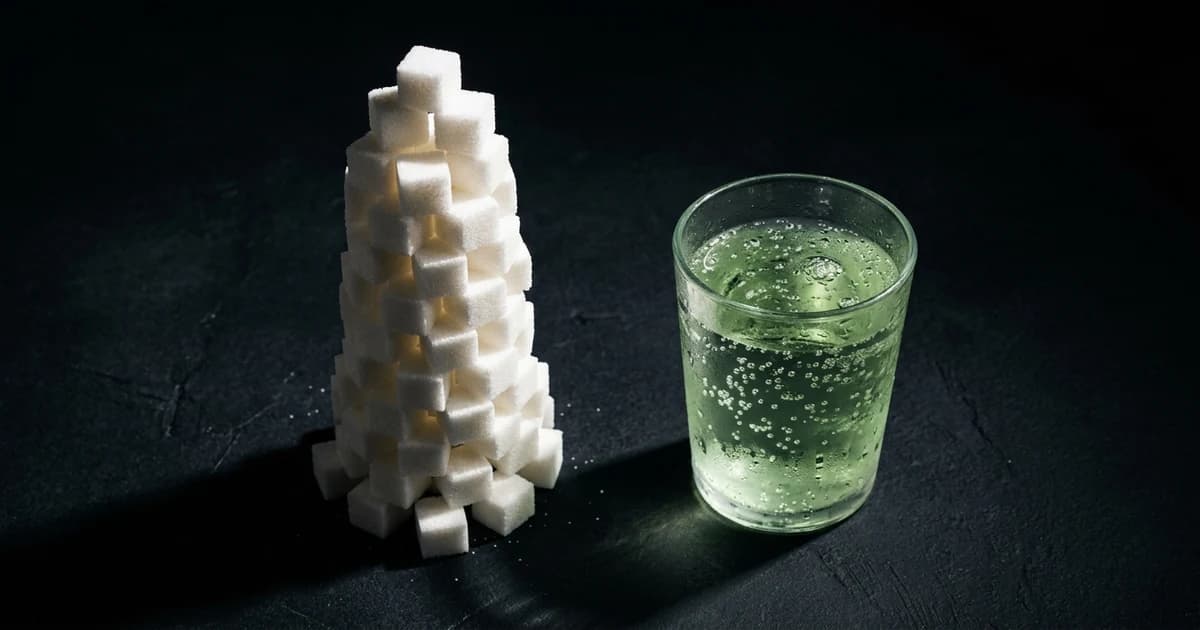
The problem with sugar in a performance context is simple: it causes a blood glucose spike followed by a crash. According to the NFHS, sugar crash symptoms include fatigue, difficulty concentrating, shakiness, and irritability. Those are the exact opposite of what you want during a competitive match.
Sugar-free gamer drink options using sucralose or stevia avoid this problem entirely. If a gamer fuel energy drink contains more than a few grams of sugar per serving, it's working against its own stated purpose, and drinks without sugar or caffeine may be worth considering instead.
The G Fuel Question
G Fuel dominates the gamer fuel energy drink conversation, so it deserves specific attention.
The product contains 140-150mg of caffeine per serving with a focus complex that includes L-Tyrosine and N-Acetyl-L-Tyrosine. It's sugar-free, available in dozens of flavors, and backed by major esports partnerships.
It also has baggage. In 2018, Gamma Labs settled a lawsuit with California's Environmental Research Center after 18 samples of G Fuel were found to contain enough lead that warning labels were required under Proposition 65. G Fuel's own website still carries a Prop 65 warning about lead exposure.
The lead comes from natural ingredient cultivation and exists in trace amounts, similar to levels found in other products with plant-based ingredients. But the lawsuit and the ongoing warning are worth knowing about, especially if you're consuming the product daily.
G Fuel's formula is also built around a proprietary blend, which means you can see the total weight of the focus complex but not the individual doses of each ingredient. That makes it hard to evaluate whether you're getting clinically effective amounts of anything beyond caffeine.
This isn't unique to G Fuel. Many gamer fuel energy drink brands use proprietary blends. The practice lets companies list impressive-sounding ingredients without revealing that most of them are present in negligible amounts. When a label gives a focus complex only as one total weight and lists six ingredients underneath, you have no way of knowing whether the one you care about is most of that total or a trace of it.
How to Evaluate Any Gamer Fuel Energy Drink Product
Before you buy, run any gamer fuel energy drink through this checklist:
- Caffeine dose: 40-150mg is the functional range for most people. Above 200mg per serving, you're increasing side effects without proportional cognitive benefit.
- L-theanine inclusion and ratio: Look for products that pair L-theanine with caffeine at roughly a 2:1 ratio. If L-theanine isn't listed, or it's buried in a proprietary blend, you can't verify the dose.
- Sugar content: Zero is ideal for sustained performance. Anything above 10g per serving will produce a blood sugar spike and subsequent crash.
- Transparency: Can you see the exact dose of every active ingredient? Proprietary blends hide this information. Full disclosure labels are a better bet.
- Additional nootropics: Theacrine and methylliberine have clinical backing. Random "focus blend" ingredients without published research are filler.
The Bigger Picture: What Gamers Actually Need from a Gamer Fuel Energy Drink
The global energy drinks market is projected to reach $125 billion by 2030, and gaming is one of its fastest-growing segments. That means more gamer fuel energy drink products, more marketing, and more noise. Every month, a new brand launches with flashy packaging and a sponsorship deal. Few of them bother to get the science right.
What the research consistently points to is simple: moderate caffeine or alternatives to high-dose caffeine paired with L-theanine outperform high-dose caffeine alone for sustained cognitive tasks. Adding theacrine extends the duration and reduces tolerance buildup. You don't need 200mg of caffeine and a fistful of unproven extracts. You need the right compounds at the right doses.
The esports audience hit an estimated 318 million enthusiasts in 2025. These aren't casual consumers. They're people who depend on their cognitive performance for competition, streaming, or both. The stakes are too high for a gamer fuel energy drink that works for 45 minutes and then drops you off a cliff.
Gaming sessions are long. Tournaments are longer. The goal isn't a 30-minute spike followed by a crash. It's 4-6 hours of consistent, clean mental performance, and that's where the right gamer fuel energy drink makes all the difference.
Clean Energy Without the Crash
That's the exact problem Roon was designed to solve. Roon's nootropic pouches pair 80mg of caffeine with L-theanine, theacrine, and methylliberine in a zero-nicotine sublingual pouch. The dose is comparable to a cup of coffee, but the stack and sublingual delivery are calibrated for sustained focus, not a short-lived jolt. No sugar. No jitters. No tolerance buildup.
If you've been cycling through gamer fuel energy drink options looking for one that actually works past hour two, it's worth a look. Try Roon here.