Can Nicotine Withdrawal Cause Fever? What the Science Actually Says
Roon Team
Can Nicotine Withdrawal Cause Fever? What the Science Actually Says
You quit nicotine, braced for the cravings and irritability, and then woke up with a low-grade fever. Now you're wondering: can nicotine withdrawal cause fever, or is something else going on?
The short answer is yes, sort of. Fever isn't one of the "official" withdrawal symptoms listed in clinical manuals, but it shows up often enough that it has its own informal name: quitter's flu. Here's what's happening in your body, why it happens, and how long you can expect it to last.
Key Takeaways
- Low-grade fever can occur during nicotine withdrawal, usually within the first few days.
- The DSM-5 lists seven primary withdrawal symptoms, and fever is not among them, but flu-like symptoms are widely reported anecdotally.
- Nicotine suppresses parts of your immune system. When you remove it, your immune response can temporarily overcorrect.
- Symptoms typically peak around days 2 to 3 and fade within one to two weeks.
The Official Nicotine Withdrawal Symptoms
The Diagnostic and Statistical Manual of Mental Disorders (DSM-5) recognizes seven primary nicotine withdrawal symptoms: irritability, anxiety, depressed mood, difficulty concentrating, increased appetite, insomnia, and restlessness. Fever doesn't make the list. Neither do chills, body aches, or sore throat.
But clinical diagnostic criteria and real-world experience don't always line up perfectly. The Cleveland Clinic describes nicotine withdrawal as a collection of physical, mental, and emotional symptoms that fade over time as long as you stay nicotine-free. Their guidance focuses on the core seven, but many people report symptoms that fall outside that list.
This is where the question of can nicotine withdrawal cause fever becomes relevant.
What Is Quitter's Flu?
Quitter's flu isn't an actual influenza infection. It's a cluster of flu-like symptoms, including mild fever, coughing, body aches, headaches, and dizziness, that some people experience in the first days after quitting nicotine.
According to Vaporesso's health resource, flu-like symptoms are a common side effect of nicotine withdrawal. They typically last for a couple of days as the body adjusts, and can include a mild fever, coughing, and body aches. The same source notes that hormonal and central nervous system dysregulation after stopping nicotine intake contributes to extreme changes in mood and physical discomfort.
So while no major clinical body has formally classified fever as a nicotine withdrawal symptom, the pattern is real and well-documented in health literature.
Why Can Nicotine Withdrawal Cause Fever?
The biological explanation comes down to your immune system.
Nicotine is a known immunosuppressant. A 2023 review published in PMC found that nicotine modulates the immune system, inhibits both innate and acquired immunity, and creates an anti-inflammatory state in the body. It does this primarily by stimulating the alpha-7 nicotinic acetylcholine receptor (α7 nAChR), which dials down your body's inflammatory response.
A separate study in Nature's Acta Pharmacologica Sinica confirmed that nicotine is the main immunosuppressive constituent of cigarette smoke, inhibiting both innate and adaptive immune responses.
Here's the practical takeaway: while you're using nicotine regularly, your immune system is being partially held in check. When you stop, that suppression lifts. Your immune system doesn't gently recalibrate. It can overshoot, producing a temporary inflammatory response that looks and feels a lot like the early stages of a cold or flu.
That's why can nicotine withdrawal cause fever is such a common question. It's not an infection. It's your immune system waking back up and overcorrecting before it finds its new baseline.
Can Nicotine Withdrawal Cause Fever That's Dangerous?
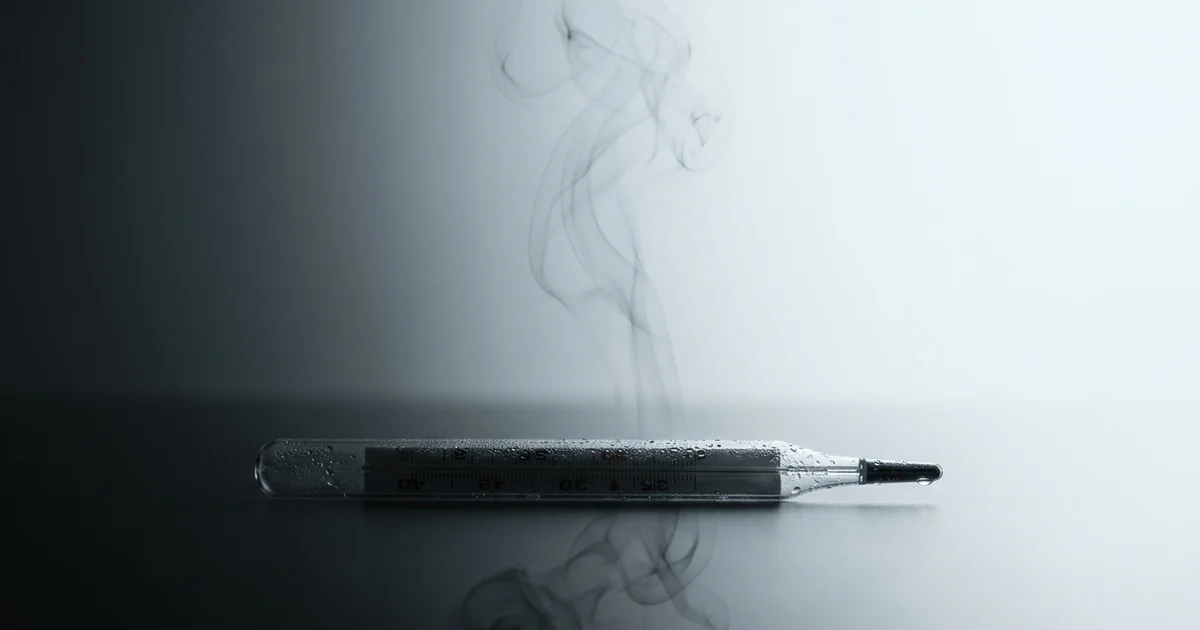
In almost all cases, no. The fever associated with quitter's flu is low-grade, usually below 100.4°F (38°C). It's uncomfortable, not dangerous.
WebMD notes that the first week of nicotine withdrawal, especially days 3 through 5, is the worst. That's when nicotine has fully cleared from your body and symptoms like headaches, cravings, and insomnia peak. Flu-like symptoms, including mild fever, tend to follow the same curve.
A few important caveats:
- If your fever exceeds 101°F (38.3°C), you may have an actual infection unrelated to withdrawal. See a doctor.
- If symptoms persist beyond two weeks, something else is likely going on. Withdrawal-related fever resolves relatively quickly.
- If you have other concerning symptoms like a persistent high fever, severe chest pain, or difficulty breathing, get medical attention. Don't assume everything is "just withdrawal."
The Full Nicotine Withdrawal Fever Timeline
Understanding where fever fits in the broader withdrawal timeline helps you plan for it.
| Timeframe | What to Expect |
|---|---|
| First 24 hours | Cravings begin, irritability sets in, anxiety rises |
| Days 2-3 | Symptoms peak. Headaches, insomnia, flu-like symptoms (including possible fever) are most intense |
| Days 4-7 | Physical symptoms start to ease. Cravings remain strong but become shorter |
| Weeks 2-4 | Energy improves, mood stabilizes, cough resolves. Most physical symptoms are gone |
| Month 2+ | Psychological cravings may linger, but physical withdrawal is largely over |
The Cleveland Clinic confirms that withdrawal symptoms peak on the second or third day of being nicotine-free and fade over days to three to four weeks. The symptoms get a little better every day, especially after the third day.
How to Manage Fever During Nicotine Withdrawal
You don't need to white-knuckle through quitter's flu. A few straightforward strategies help:
- Stay hydrated. Your body is recalibrating its inflammatory response. Water, electrolytes, and herbal tea help.
- Rest when you need to. Your immune system is doing extra work. Sleep supports that process.
- Use over-the-counter fever reducers sparingly. Acetaminophen or ibuprofen can take the edge off a low-grade fever, but check with your doctor if you're on other medications.
- Move your body. Light exercise, even a 20-minute walk, can reduce the severity of multiple withdrawal symptoms. WebMD recommends increasing your level of physical activity during the withdrawal period.
- Don't confuse withdrawal with illness. Knowing that nicotine withdrawal can cause fever temporarily makes it easier to ride out.
The biggest risk during this window isn't the fever itself. It's using the discomfort as a reason to start using nicotine again.
The Oral Fixation Problem
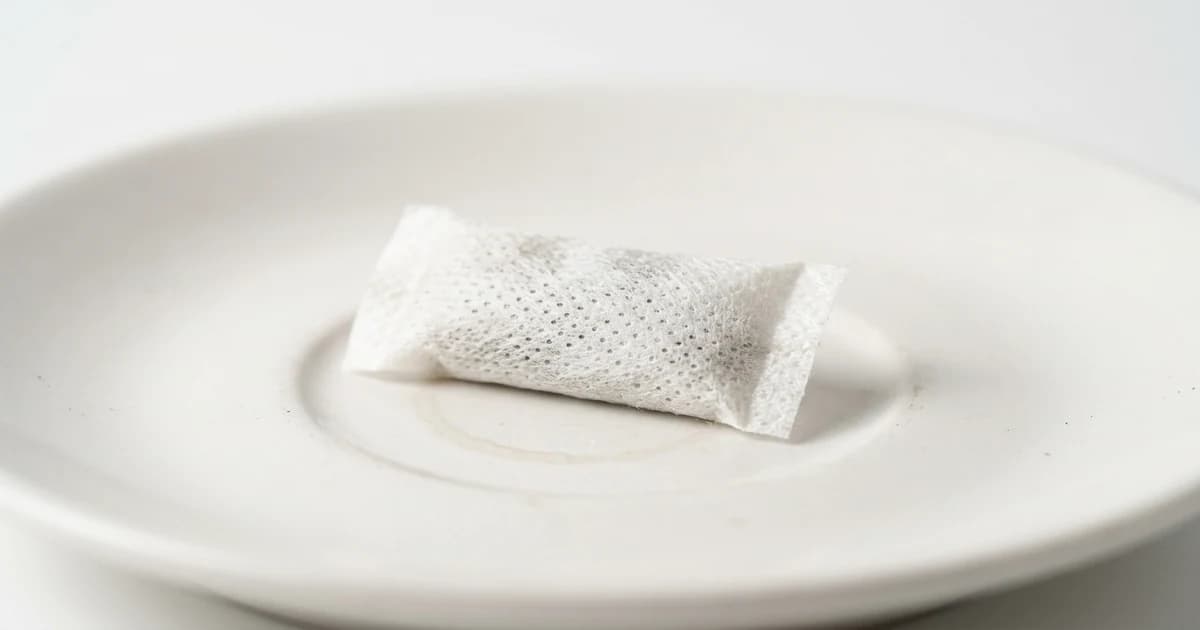
For people who used nicotine pouches, snus, or dip, quitting creates a second challenge beyond the chemical withdrawal: the loss of the physical ritual. You're used to having something tucked in your lip. Your hands know the motion of opening the tin. Your brain associates that sublingual sensation with focus and calm.
This is where many people relapse. The fever passes in a few days, but the habit loop persists for weeks or months. Addressing the chemical dependency without addressing the ritual often isn't enough.
A Cleaner Way to Keep the Ritual
If you're quitting nicotine but missing the pouch, Roon was built for exactly this moment. It's a zero-nicotine sublingual pouch with a performance-focused stack: 80mg of caffeine, L-Theanine, Theacrine, and Methylliberine. You get 6 to 8 hours of sustained focus without jitters, crashes, or tolerance buildup.
Same ritual. Zero nicotine. Actual cognitive benefits.
No one needs another thing to be dependent on. Roon gives you the familiar format and a genuine performance edge, without restarting the cycle you just worked to break. Check it out at takeroon.com.