Supplements to Reduce Brain Inflammation: A Science-Based Guide
Supplements to Reduce Brain Inflammation: A Science-Based Guide
Your brain is on fire. Not literally, but the low-grade, chronic kind of fire that doesn't show up on a standard blood panel. Supplements to reduce brain inflammation target exactly this problem: the fog at 2 p.m., the word you can't quite find, the focus that evaporates ten minutes into deep work. This topic is one of the most searched in cognitive health right now, and a science-based guide to brain supplements explains why: neuroscience is finally catching up to what millions of people feel every day.
Neuroinflammation is the immune system's response inside the central nervous system. When it becomes chronic, it quietly degrades the neural circuits responsible for memory, attention, and processing speed, compounding the burden of clearing metabolic waste from neurons. The good news: specific, well-studied supplements to reduce brain inflammation can help your brain dial down that inflammatory response.
Key Takeaways:
- Chronic brain inflammation (neuroinflammation) is linked to brain fog, poor focus, and long-term cognitive decline.
- Omega-3 fatty acids, curcumin, magnesium, and L-theanine all have strong evidence for reducing neuroinflammatory markers.
- Stacking complementary supplements to reduce brain inflammation often produces better results than any single ingredient alone.
- Consistency matters more than mega-dosing.
What Is Brain Inflammation, and Why Should You Care?
Neuroinflammation is your brain's immune defense system going into overdrive. Microglia, the brain's resident immune cells, activate in response to threats like infection, stress, poor sleep, or a high-sugar diet. That activation is supposed to be temporary. When it isn't, those same microglia start damaging the neurons they were built to protect. Understanding this process is the first step toward choosing the right supplements to reduce brain inflammation.
According to the Cleveland Clinic, your immune system can cause inflammation in your brain that "temporarily blocks or makes it more difficult for your body to process information." That's brain fog in clinical language.
A 2024 study published in Nature Neuroscience found that blood-brain barrier disruption and sustained systemic inflammation were present in individuals with long COVID-associated cognitive impairment. The researchers proposed that brain fog results from leaky brain blood vessels combined with a hyperactive immune system. This isn't just a post-COVID problem, though. The same inflammatory pathways activate from chronic stress, sleep deprivation, and metabolic dysfunction, which is why supplements to reduce brain inflammation have relevance far beyond any single condition.
The symptoms are familiar to most people: difficulty concentrating, mental fatigue that sleep doesn't fix, slower recall, and a general feeling of operating at 70% capacity. You don't need a neurodegenerative diagnosis for neuroinflammation to affect your daily performance. Even mild, subclinical inflammation in the brain can erode working memory and executive function over months and years.
The Best Supplements to Reduce Brain Inflammation
Not all anti-inflammatory compounds cross the blood-brain barrier effectively, which is why choosing the best supplements for brain health requires more than reading a label. The supplements to reduce brain inflammation listed below have direct evidence for lowering neuroinflammatory markers in the brain, not just the body.
Omega-3 Fatty Acids (DHA and EPA)
DHA makes up roughly 10% of the total lipid content of the brain, according to a report from the Military Health System. It plays an essential role in neural cell membrane structure and function. When DHA levels drop, inflammatory signaling ramps up, making omega-3s among the most important supplements to reduce brain inflammation.
A 2025 randomized controlled trial published in Food Science & Nutrition examined omega-3 supplementation in multiple sclerosis patients and found neuroprotective properties related to inflammation and fatigue. A separate review in the International Journal of Pharmacy and Pharmaceutical Practice concluded that omega-3 supplements, especially those rich in DHA and EPA, may help with cognitive performance and lower neuroinflammation in people with Alzheimer's and Parkinson's diseases.
Practical dose: Most research uses 1,000 to 2,000 mg of combined EPA and DHA daily. Look for triglyceride-form fish oil or algae-based DHA for better absorption.
Curcumin
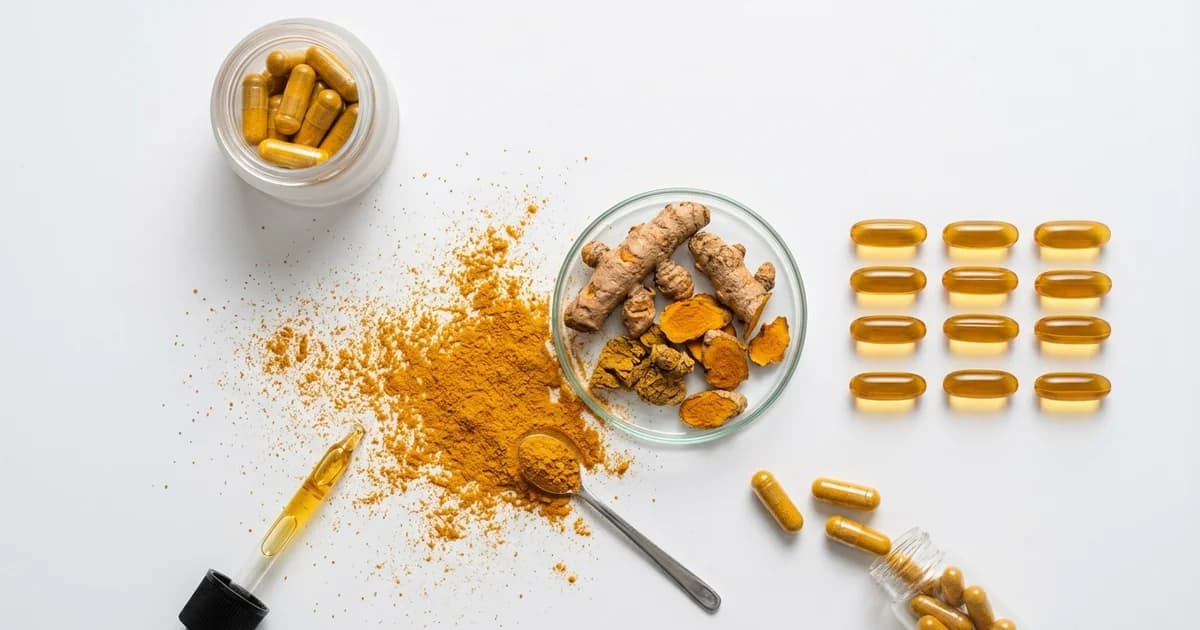
Curcumin is the active compound in turmeric, and it ranks among the most well-researched supplements to reduce brain inflammation. A 2025 narrative review in Frontiers in Pharmacology detailed how curcumin reduces neuroinflammation by inhibiting the NF-κB pathway, one of the master switches for inflammatory gene expression in the brain. The review also noted that curcumin mitigates brain damage, reduces IL-1β and IL-6 levels, and promotes microglial polarization toward the anti-inflammatory M2 phenotype.
A meta-analysis in Frontiers in Nutrition evaluated curcumin supplementation and cognitive function, finding measurable improvements across multiple trials.
The catch with curcumin is bioavailability. Standard turmeric powder barely reaches the bloodstream, let alone the brain. You need a formulation designed for absorption: look for phytosomal curcumin, or products paired with piperine (black pepper extract), which can increase absorption by up to 2,000%.
Practical dose: 500 to 1,000 mg of a bioavailable curcumin formulation daily.
Magnesium
Magnesium deficiency is one of the most overlooked contributors to brain inflammation, which makes magnesium one of the most underrated supplements to reduce brain inflammation. A 2024 review in Frontiers in Endocrinology found that magnesium's neuroprotective effects stem from its capacity to regulate neuronal calcium homeostasis, reducing excitotoxicity, and its ability to modulate neuroinflammatory processes.
An earlier 2023 study in the International Journal of Molecular Sciences showed that magnesium reduces LPS-induced pro-inflammatory cytokines including TNF-α, IL-1β, and IL-6 in microglial cells. The same paper noted that magnesium deficiency contributes to systemic low-grade inflammation and is a common factor in neurodegenerative disorders.
Not all forms of magnesium are equal for brain health. Magnesium L-threonate is the only form shown to effectively cross the blood-brain barrier and raise brain magnesium levels. Magnesium glycinate is a solid second choice for its calming effects and high bioavailability.
Practical dose: 200 to 400 mg of elemental magnesium daily (L-threonate or glycinate preferred).
L-Theanine
L-theanine is an amino acid found naturally in tea leaves, and it deserves a place in any protocol of supplements to reduce brain inflammation. It crosses the blood-brain barrier and has direct effects on neuroinflammatory pathways. A review in PMC found that L-theanine treatment reduced levels of nitric oxide and malondialdehyde, increased antioxidant capacity, and inhibited neuroinflammatory and apoptotic markers.
A 2025 study in npj Science of Food showed that L-theanine inhibited NLRP3 inflammasome assembly, suppressed Caspase-1 activation, and reduced IL-1β secretion, conferring neuroprotective benefits by alleviating both systemic and cerebral inflammation.
Research published in ScienceDirect described how L-theanine modulates glutamate receptors to enhance neuroprotection through BDNF upregulation and cortisol reduction.
What makes L-theanine particularly useful is its dual action: it calms the nervous system while supporting cognitive performance. It doesn't sedate you. It removes the noise.
Practical dose: 100 to 200 mg daily, or paired with caffeine for a combined cognitive effect. The combination is one of the most well-studied nootropic pairings in the literature, with benefits appearing at doses as low as a single cup of green tea.
Why Stacking Supplements to Reduce Brain Inflammation Works Better Than Single Ingredients
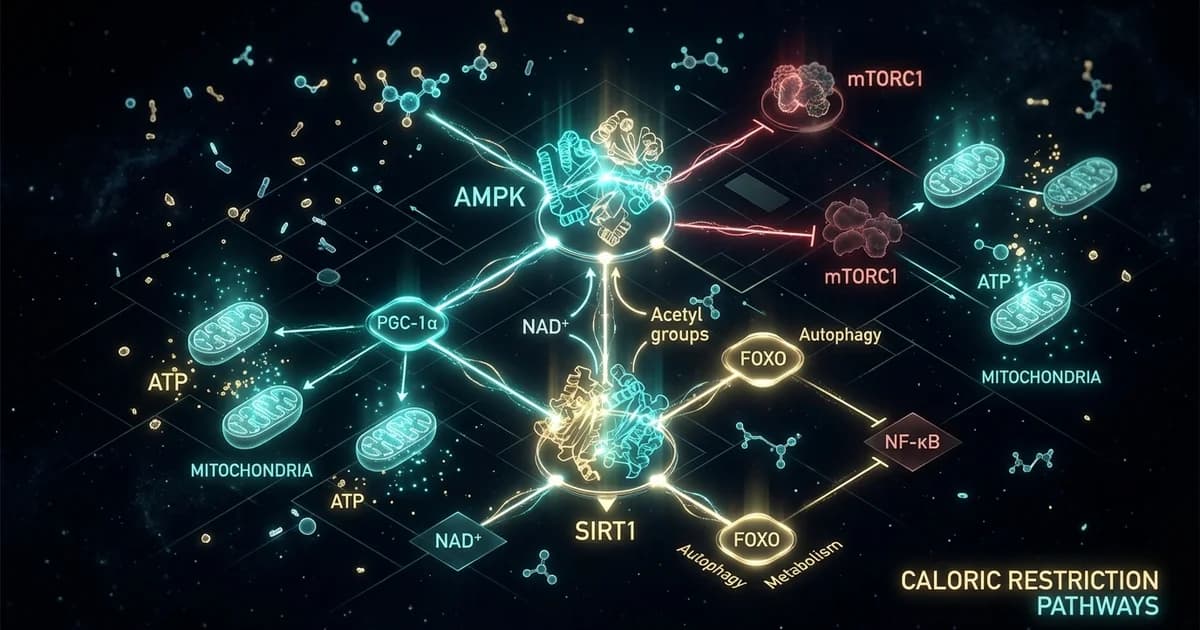
The brain's inflammatory pathways aren't a single highway. They're a network. NF-κB, NLRP3, microglial activation, oxidative stress, glutamate excitotoxicity: each of these is a separate mechanism that feeds into the same outcome. A single compound can only address one or two of those pathways at a time.
This is why stacking multiple supplements to reduce brain inflammation, using compounds that target different mechanisms, produces better results than any single ingredient. Omega-3s rebuild membrane integrity. Curcumin blocks NF-κB. Magnesium calms excitotoxicity. L-theanine modulates glutamate and reduces cortisol.
A study published in Cureus found that a combination of caffeine, theacrine, and methylliberine increased cognitive performance and reaction time without interfering with mood. Theacrine itself has been reported to exhibit anti-inflammatory and analgesic properties, adding another layer to the stack.
Research on the caffeine and L-theanine pairing specifically found that combining L-theanine with caffeine eliminated the vasoconstrictive effect of caffeine alone while preserving cognitive benefits. The two compounds don't just add up. They correct each other's weaknesses.
| Supplement | Primary Anti-Inflammatory Mechanism | Recommended Dose |
|---|---|---|
| Omega-3 (DHA/EPA) | Membrane repair, cytokine reduction | 1,000–2,000 mg/day |
| Curcumin | NF-κB pathway inhibition | 500–1,000 mg/day (bioavailable form) |
| Magnesium (L-threonate) | Calcium homeostasis, excitotoxicity reduction | 200–400 mg/day |
| L-Theanine | NLRP3 inhibition, glutamate modulation | 100–200 mg/day |
How to Build Your Own Anti-Inflammatory Stack
If you're building a daily protocol using supplements to reduce brain inflammation, here's a simple framework:
- Start with the foundation. Omega-3s and magnesium address the two most common nutritional deficits linked to brain inflammation. Get these right first.
- Add targeted support. Curcumin (bioavailable form) for direct NF-κB suppression. L-theanine for glutamate balance and stress-related inflammation. These are the supplements to reduce brain inflammation that address specific pathways.
- Consider a cognitive performance layer. Compounds like caffeine, theacrine, and methylliberine don't just fight inflammation. They support the neurotransmitter systems (dopamine, adenosine) that inflammation disrupts.
- Be consistent. Anti-inflammatory effects from supplementation build over weeks, not hours. The exception is L-theanine and caffeine, which produce acute cognitive effects within 30 to 60 minutes.
The biggest mistake people make with supplements to reduce brain inflammation is buying six different bottles, taking them inconsistently for two weeks, and concluding that supplements don't work, a pattern addressed directly in the research on what actually works in brain supplementation. They do. But only if you actually take them.
Compliance is the unsexy variable that determines whether a supplement protocol succeeds or fails. The simpler your system, the more likely you are to stick with it. That's not a motivational platitude. It's a design principle.
The Nootropic Stack, Simplified
Building a multi-compound protocol of supplements to reduce brain inflammation from scratch takes research, trial and error, and a bathroom cabinet that looks like a small pharmacy. That's exactly the problem Roon was designed to solve.
Roon is a zero-nicotine sublingual pouch containing caffeine (80 mg), L-theanine (60 mg), theacrine (5 mg), and methylliberine (25 mg), the same combination shown in clinical research to improve cognitive performance and reaction time without mood disruption. It delivers 6 to 8 hours of sustained focus with no jitters, no crash, and no tolerance buildup.
Instead of juggling capsules and powders, Roon's nootropic pouches give you a pre-built, optimized nootropic stack that absorbs sublingually for faster onset. One pouch. No guesswork.
If you're serious about using supplements to reduce brain inflammation while keeping your mental performance sharp, start with Roon.