Dry January Tips: How to Actually Finish the Month

Dry January Tips: How to Actually Finish the Month (and Why Your Body Will Thank You)
Roughly 30% of Americans participated in Dry January in 2025, a 36% jump from the year before. That's millions of people putting down the glass on January 1st. And about one in three of them won't make it to February. If you're looking for dry January tips that go beyond "just don't drink," you're in the right place.
The gap between intention and execution is where most people fall apart. Social pressure, cravings, boredom, and the sheer force of habit conspire against you. But the science on what happens when you actually complete the month is strong enough to make the effort worth protecting. The right dry January tips can close that gap between wanting to finish and actually finishing.
Here's what works, what doesn't, and what your body is doing behind the scenes while you white-knuckle your way through happy hour.
Key Takeaways
- The benefits are real and measurable: A Brown University review of 16 studies found improved sleep, mood, concentration, liver function, and blood pressure among people who completed Dry January.
- Social pressure is the #1 killer: Friends and social events are the most common reasons people break early, according to Oar Health's nationwide study.
- You don't have to be perfect: Even people who didn't fully abstain still reported health benefits and reduced drinking afterward.
- The effects last beyond January: Most participants continue drinking less in the months that follow.
What Actually Happens to Your Body During Dry January
The benefits aren't hypothetical. A 2025 review published in Alcohol and Alcoholism by researchers at Brown University's School of Public Health analyzed 16 studies covering more than 150,000 participants. The findings were consistent across the board.
People who completed a full month without alcohol reported:
- Better sleep quality
- Improved mood
- Weight loss
- Healthier liver function and blood pressure
- Better concentration and more energy
These aren't placebo effects driven by New Year's optimism, and the science behind the health gains is worth understanding. The physiological mechanisms are straightforward. Alcohol disrupts REM sleep architecture, inflames the liver, spikes cortisol, and adds empty calories. Remove it for 30 days and your body starts recovering on multiple fronts simultaneously. Knowing these facts is one of the most motivating dry January tips anyone can absorb early on.
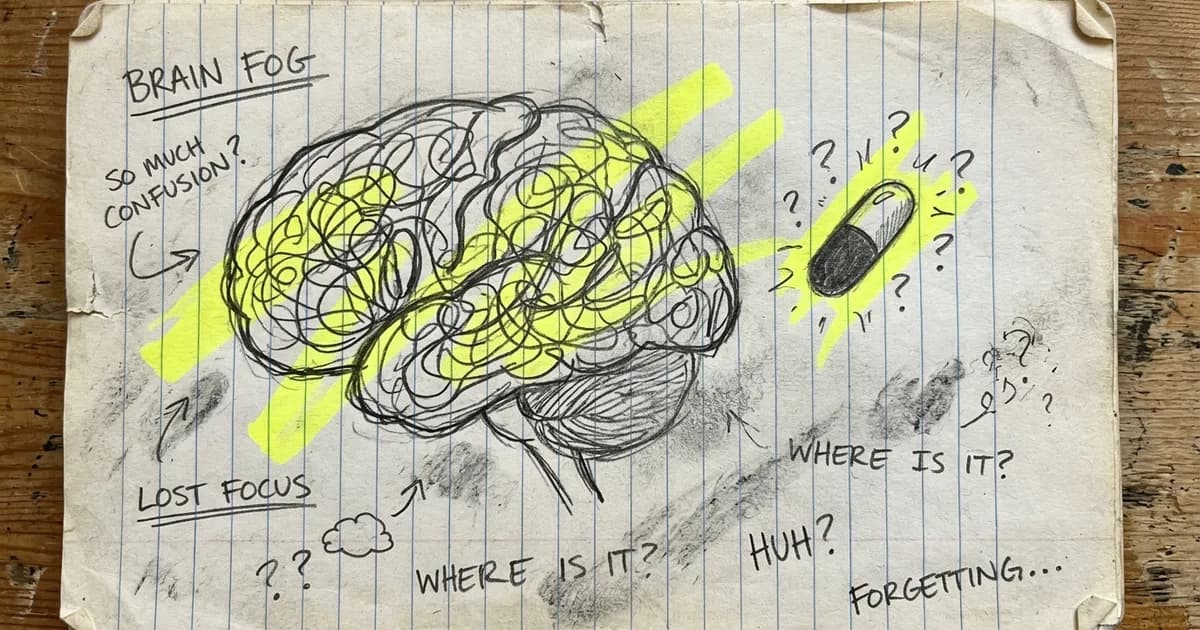
The concentration improvements deserve special attention. Alcohol's effect on focus isn't limited to the morning after a heavy night. Even moderate, regular drinking blunts prefrontal cortex function over time. A month off gives your brain's executive control center room to recalibrate.
The Long Game Matters More Than the Month
Here's the part most people miss: the benefits don't evaporate on February 1st.
The same Brown University review found that most participants continued to drink less in the months following Dry January. The researchers noted that the challenge builds confidence in refusing drinks in social situations, which carries forward long after the month ends. That lasting behavioral shift is the real payoff behind any collection of dry January tips.
A Gallup poll cited by Harvard showed that only 54% of U.S. adults now say they drink alcohol, the lowest figure since Gallup first asked the question in 1939. The sober curious movement isn't a fad. It's a cultural shift, and Dry January is one of its entry points.
Dry January Tips That Actually Work
Most advice about Dry January is generic to the point of uselessness. "Tell your friends!" "Find a hobby!" Here are dry January tips grounded in behavioral science and real-world data.
1. Plan for Social Situations Before They Happen
Oar Health's 2025 nationwide study found that friends and social events are the most common sources of pressure that cause people to break their commitment. This isn't surprising. Social conformity is one of the strongest forces in human psychology. When everyone at the table orders a drink, saying "just water" requires more willpower than most people budget for.
The fix, and one of the most practical dry January tips out there: decide what you'll drink before you arrive. Order a sparkling water with lime. Bring a non-alcoholic beer. Have the words ready. "I'm doing Dry January" is a complete sentence that requires no further explanation.
2. Replace the Ritual, Not Just the Substance
Alcohol isn't just a chemical. It's a ritual. The after-work beer. The glass of wine while cooking. The cocktail that signals the weekend has started. If you remove the drink without replacing the ritual, you create a vacuum that willpower alone can't fill. This is one of the dry January tips that separates people who finish from people who don't.
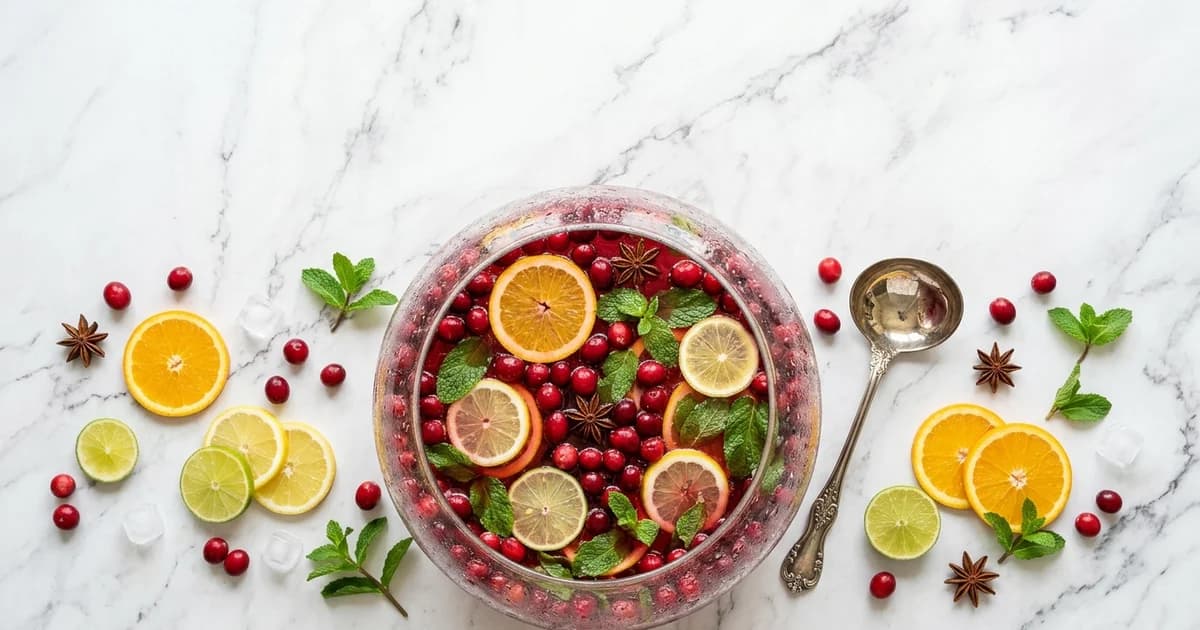
Find a new signal. Make an elaborate mocktail. Brew a specific tea you only drink in the evening. The NIAAA recommends thinking about what alcohol accomplishes for you (relaxation, social ease, marking transitions) and finding alternative ways to achieve those same objectives.
3. Track Your Progress Visibly
This sounds simple because it is. Put a calendar on your fridge. Cross off each day. The Oar Health data showed that people who didn't complete Dry January were four times more likely to say it was harder than expected. Visual tracking closes the gap between expectation and reality. Each X on the calendar is evidence that you're doing the thing. Among all the dry January tips people share, this one has the best effort-to-impact ratio.
4. Tell Someone (But Choose Wisely)
Accountability works, but only with the right people. Telling your drinking buddy that you're taking January off might backfire if they see your abstinence as a judgment of their habits. Tell someone who will actually support you. Better yet, find someone who wants to do it with you.
The NIAAA suggests letting friends and family know about your plan and considering asking them to join. A shared commitment is harder to abandon than a private one. This is one of those dry January tips that sounds obvious but makes a measurable difference.
5. Expect Week Two to Be the Hardest
Of all the dry January tips worth remembering, this one might save your streak: week one runs on motivation. By week two, the novelty has worn off but the habit hasn't fully broken. This is where most people slip.
Knowing this in advance helps. The discomfort of week two is not a sign that you're failing. It's a sign that your brain is rewiring its reward pathways, which is the entire point. Push through to week three and the new normal starts to settle in. Your sleep improves. Your energy stabilizes. The cravings lose their edge.
6. Don't Aim for Perfection
The Brown University review found something encouraging: even participants who didn't fully abstain for the entire month still reported health benefits and still reduced their drinking afterward. One slip doesn't erase two weeks of progress. The goal is a pattern change, not a flawless performance. The best dry January tips acknowledge that progress matters more than perfection.
Why One in Three People Don't Finish
Understanding why people fail is itself one of the most useful dry January tips. Oar Health's study identified the main culprits:
| Reason for Breaking | Details |
|---|---|
| Cravings | Beer, liquor, and wine are the most commonly craved |
| Social pressure | Friends and social events are the top sources |
| Emotional triggers | Anxiety, celebrations, and stress |
| Habit | Automatic behaviors tied to specific times or places |
The 27% who didn't complete the month weren't weak-willed. They were unprepared. The difference between people who finish and people who don't isn't discipline. It's having a specific plan for the specific moments when the urge hits. That's what good dry January tips are really about: preparation, not willpower.
The Bigger Picture: Dry January and the Sober Curious Movement
Dry January didn't emerge in a vacuum. It's part of a broader cultural recalibration around alcohol.
NCSolutions survey data found that 49% of Americans planned to drink less in 2025, a 44% increase from 2023. Among Gen Z, 39% planned to adopt a dry lifestyle for the entire year, not just January.
Circana's research confirmed that 43% of Americans believe Gen Z is leading the sober curious movement. This generation grew up watching their parents and older siblings deal with pandemic-era drinking habits. They're choosing differently.
The question is shifting from "Why aren't you drinking?" to "Why would you?" And that reframing changes everything about how Dry January fits into someone's life. It stops being about deprivation. It becomes about choosing clarity. That mindset shift is the foundation beneath every set of dry January tips worth reading.
This matters for anyone attempting Dry January because it changes the emotional framing. You're not giving something up. You're running an experiment on yourself. And the data says you'll probably like the results.
What to Do After January: Dry January Tips for the Long Haul
Completing the month is an accomplishment. But the real value is in what you do next.
The Brown University researchers found that the most lasting effect of Dry January was increased confidence in navigating social situations without alcohol. That skill doesn't expire on January 31st.
Here are a few ways to carry the momentum forward, dry January tips that extend well beyond the calendar:
- Set a drinking budget: Decide in advance how many drinks per week you're comfortable with, and stick to it.
- Keep your replacement rituals: If the evening tea or the sparkling water habit worked in January, keep it going.
- Notice what improved: Better sleep? More energy? Clearer thinking? Use those concrete benefits as motivation, not abstract health goals.
- Stay curious about what you put in your body: The same mindset that drives Dry January, questioning default habits and choosing with intention, applies to everything you consume.
Clean Focus for the Sober Curious
The thread connecting Dry January to the broader sober curious movement is simple: people want to feel sharp without relying on substances that come with trade-offs. Alcohol costs you sleep, focus, and recovery time. But the desire for a mental edge doesn't disappear just because you've decided to drink less. The best dry January tips point you toward better alternatives, not just away from alcohol.
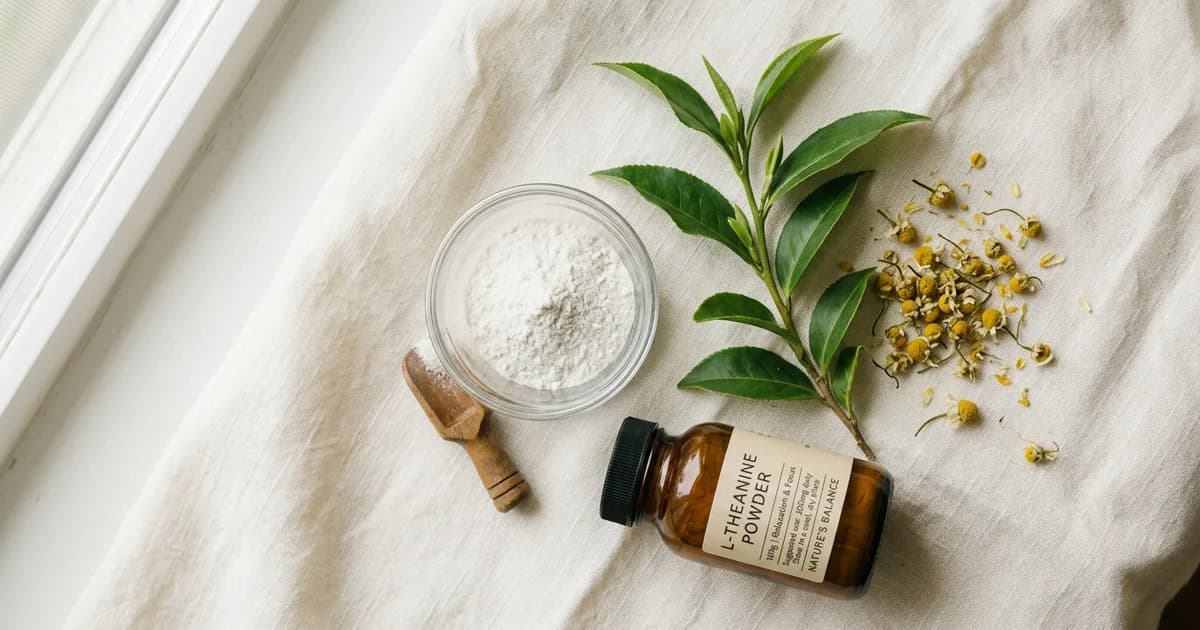
That's where Roon fits in. It's a zero-nicotine sublingual pouch built around a stack of caffeine (80 mg), L-theanine (60 mg), methylliberine (25 mg), and theacrine (5 mg), designed to deliver 6 to 8 hours of sustained focus without jitters, crashes, or tolerance buildup. No alcohol. No nicotine. No compromise on cognitive performance.
If Dry January taught you that you think better without a drink in your hand, Roon is the next logical step. Clean inputs, clear output.