6 Reasons This $0.83 Pouch Replaces Your $5 Coffee Habit
Roon Team

6 Reasons a Nootropic Pouch Is the Cheaper Alternative to Coffee You Haven't Tried
Your coffee habit costs more than you think. According to Empower Personal Dashboard data, the average coffee lover spent $44.50 per month as of May 2025, up 10% from five years ago. If you're buying from a café, the number is worse. A daily Starbucks run at roughly $6 per drink adds up to over $1,500 a year, and that's only counting weekdays. Factor in weekend trips, and you're looking at $2,000+. For something that gives you about 90 minutes of focus before the crash hits, that's a steep price for a cheaper alternative to coffee that already exists.
The alternative isn't another coffee brand or a fancier brewing method. It's a different format entirely: a sublingual nootropic pouch that delivers caffeine alongside compounds designed to extend its effects, smooth out the jitters, and resist tolerance buildup. One pouch. No barista, no machine, no $7 oat milk latte. And the coffee habit cost you've been ignoring? It's probably funding someone else's business more than your own productivity.
Here are six reasons the math, the science, and the convenience all point the same direction.
Key Takeaways:
- A daily café coffee habit can cost $1,500 to $2,300+ per year, while a nootropic pouch subscription runs a fraction of that.
- Nootropic pouches combine caffeine with L-theanine, theacrine, and methylliberine, replacing multi-product supplement stacks.
- Zero equipment costs, longer duration per dose, and no tolerance buildup mean fewer purchases over time.
- The annual savings over coffee shop spending can exceed $1,000.
1. The Cost of Your Coffee Habit, Broken Down
The average Starbucks customer spends about $6 per visit. That's a grande latte, maybe with a flavor shot. Five days a week, 50 weeks a year, that's $1,500. Seven days a week puts you at $2,190.
These aren't outlier numbers. Yahoo Finance reports that women spend roughly $2,327 per year on coffee, while men average about $1,934. Even workers who only "regularly" buy coffee during the week spend an estimated $1,092 annually.
A Roon pouch on subscription costs a fraction of any of those numbers. One pouch per day, delivered to your door, with no tipping, no drive-through line, no "sorry, we're out of cold brew." The cost of coffee vs nootropic pouches isn't close, and the gap only widens the longer you zoom out.
Even if you skip the café entirely and brew at home, you're still buying beans, filters, and electricity. A bag of specialty beans runs $15 to $20 and lasts maybe two weeks if you're drinking three cups a day. That's $390 to $520 per year on beans alone, before you touch equipment.
Typical daily cost comparison:
- Café latte: $5–7
- Home espresso (after equipment): ~$1.50
- Roon pouch (on subscribe): under $2
2. One Pouch Replaces a Multi-Product Stack
Most people trying to optimize focus don't stop at coffee. They add an L-theanine capsule to smooth out the caffeine. Maybe a bottle of theacrine for longer-lasting energy. Some buy methylliberine (Dynamine™) separately for the acute alertness kick.
That's three or four separate products. Each one has its own price tag, its own dosing schedule, and its own expiration date cluttering your cabinet.
Each Roon pouch contains 80 mg caffeine, 60 mg L-theanine, 25 mg methylliberine (Dynamine™), and 5 mg theacrine (TeaCrine™). The combination isn't random. A 2025 meta-analysis in Nutrition Reviews, covering 50 randomized controlled trials, found that L-theanine plus caffeine produced small-to-moderate improvements in attentional task performance compared to placebo. Theacrine adds duration without the tolerance problem caffeine creates on its own.
Best for: Anyone currently buying separate caffeine, L-theanine, and nootropic supplements.
3. Zero Equipment Cost
Coffee demands gear. Even the "cheap" route requires a pour-over dripper, a kettle, a grinder, and decent beans. Step up to espresso and you're looking at a $500 to $2,000 initial investment for a quality machine, plus a grinder, tamper, and ongoing maintenance.
Clive Coffee estimates that daily coffee shop visits cost about $1,825 per year versus $550 for home espresso, but that calculation ignores the upfront equipment cost. A $1,500 espresso setup doesn't "pay for itself" until year two at the earliest.
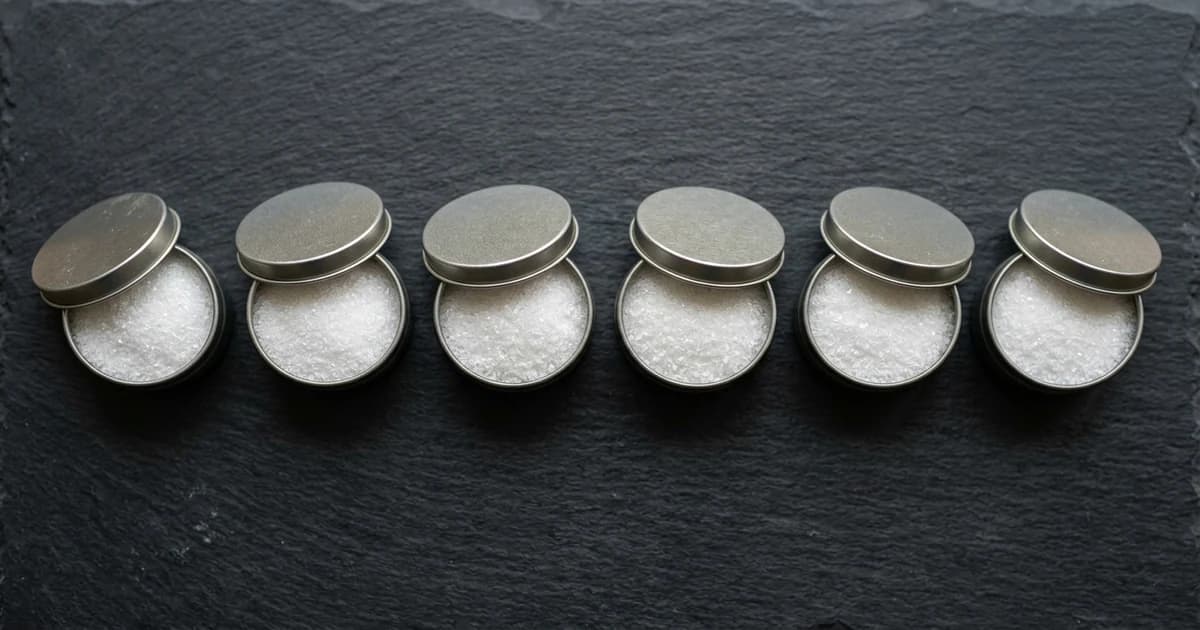
A nootropic pouch requires exactly zero equipment. No filters. No descaling. No "my grinder broke" emergencies. You open a tin, place a pouch under your lip, and you're done. There's nothing to plug in, nothing to clean, and nothing that depreciates on your countertop. The affordable focus alternative here is also the simplest one.
That simplicity compounds over time. Coffee equipment breaks, wears out, and needs replacement parts. A sublingual pouch needs nothing but your lip and about 30 seconds.
4. Longer Duration Means Fewer Doses
A standard cup of coffee delivers its peak effect within 30 to 60 minutes, then tapers. Most people reach for a second cup by mid-morning and a third after lunch. That's three transactions (or three brewing sessions) per day.
Roon is designed differently. The combination of caffeine with theacrine and methylliberine extends the active window. An eight-week clinical trial published in the Journal of the International Society of Sports Nutrition found that theacrine (TeaCrine™) showed no evidence of habituation at doses up to 300 mg/day, meaning you don't need to escalate your intake to maintain the same effect. Methylliberine (Dynamine™) contributes a faster onset that bridges the gap before theacrine fully kicks in.
The practical result: one pouch works as an afternoon coffee replacement, covering a longer stretch of your workday than one cup of coffee. Fewer doses per day means fewer purchases per month. That's where the save money on coffee habit math gets interesting.
Typical dose: 1 pouch, with a maximum of 3 per 24 hours (spaced at least 2 hours apart).
5. No Subscription Traps
The supplement industry loves the "subscribe and save" model, but too many brands make canceling a headache. Hidden minimum commitments, cancellation fees, or the classic "call us to cancel" phone maze.
Roon's subscription is straightforward. You subscribe, you save, you cancel anytime online. No minimum number of orders. No penalty for pausing. This matters because the whole point of saving money on your focus routine is actually keeping more of it, not getting locked into a recurring charge you forgot about.
Compare that to some competitors. Magic Mind's subscription runs $2.47 per shot on a monthly plan ($74.25 a month for 30 shots). That's roughly $890 per year for a daily habit. MUD\WTR comes in at about $1.33 per serving on a 30-serving subscription ($40/month), or roughly $480 per year. Both are legitimate products, but neither is cheap. And both require you to actually prepare a drink, which brings us back to the time-and-equipment problem.
A subscription that's easy to cancel is a subscription that earns your loyalty instead of trapping it. That's a better model for everyone.
6. The Annual Math Favors the Pouch
Here's where the numbers do the talking. Let's compare the annual cost of a daily focus habit across formats:
| Product | Cost Per Serving | Daily Habit (Annual) | Equipment Needed |
|---|---|---|---|
| Starbucks latte | ~$6.00 | ~$1,560–$2,190 | None (but travel time) |
| Home espresso | ~$1.50 | ~$550 + equipment | $500–$2,000 upfront |
| MUD\WTR (subscribe) | ~$1.33 | ~$480 | Mug, hot water |
| Magic Mind (subscribe) | $2.47 | ~$890 | None |
| Alpha Brain Black Label | ~$6.25 | ~$2,280 | None |
| Neuro Gum | ~$0.46 | ~$168 | None |
| Roon (subscribe) | Under $2 | Under $730 | None |
Neuro Gum is cheaper per piece, yes. But each piece contains only 40 mg of caffeine and L-theanine, with no theacrine or methylliberine. You'd need to pair it with separate supplements to match the Roon stack, which erases the price advantage and adds complexity.
The cost of coffee vs nootropic pouches, when you account for the full ingredient profile, tips hard in the pouch's favor. Sixty-six percent of American adults drink coffee daily. Most of them are paying for a single active ingredient (caffeine) delivered through an expensive, time-consuming ritual.
How to Make the Switch Without Overthinking It
You don't have to quit coffee cold turkey. Here's a practical approach:
- Week 1: Replace your afternoon coffee with a pouch, avoiding the afternoon coffee and sleep trade-off. Keep your morning cup.
- Week 2: Try a pouch first thing in the morning instead of brewing. Notice whether the focus window lasts longer.
- Week 3: If you're reaching for fewer cups overall, you're already saving money. Track it.
The goal isn't to demonize coffee. Coffee is fine. It tastes great, and the ritual has real psychological value. But if you're spending $5 to $7 per day on a drink that gives you 90 minutes of focus and a 2 PM crash, it's worth running a two-week experiment. Test whether a single pouch can cover more of your day for less money. Track your spending. Track your energy. The numbers will tell you everything you need to know.
A Simpler (and Cheaper) Way to Stay Sharp
The case for switching isn't complicated. You get four active ingredients in one pouch, no equipment, no tolerance escalation, and a per-serving cost that makes your daily Starbucks look like a luxury subscription.
Roon was built for exactly this kind of comparison. Eighty milligrams of caffeine paired with L-theanine, Dynamine™, and TeaCrine™, delivered sublingually for faster absorption than a capsule or a cup. One tin fits in your pocket. One subscription replaces the coffee run, the L-theanine bottle, and the afternoon energy drink.
If you've been looking for an affordable focus alternative that doesn't ask you to sacrifice performance for price, give it a try.
Roon Team