Burnout Recovery: What Actually Works

Burnout Recovery: What Actually Works (and What's Just Wasting Your Time)
You're not lazy. You're not weak. You're burned out, and burnout recovery is a real, physiological process that most advice columns get completely wrong.
According to LinkedIn data reported by Fit Small Business, 77% of U.S. employees have experienced burnout at their current job. The World Health Organization classified burnout as an "occupational phenomenon" in the ICD-11 back in 2019, and the numbers have only gotten worse since. Yet most burnout recovery advice still boils down to "take a bubble bath" or "try journaling."
That's not going to cut it. Burnout is a neurobiological condition with measurable effects on your brain, your hormones, and your ability to function, and founder burnout brain effects can be especially severe given the nonstop demands of building a company. Recovering from it requires understanding what actually broke and how to fix it.
Key Takeaways
- Burnout is biological, not just psychological. Chronic stress dysregulates your HPA axis, altering cortisol production and brain function.
- Burnout recovery timelines vary wildly. Mild burnout can resolve in weeks. Severe cases can take six months to two years, or longer.
- Most "quick fixes" backfire. Stimulant overuse, workaholism disguised as productivity, and ignoring sleep all delay work burnout recovery.
- Sustainable cognitive support matters. The compounds you put in your body during burnout recovery either help or hurt the process.
What Burnout Actually Does to Your Brain
Burnout isn't just "feeling tired," and ADHD burnout recovery patterns add another layer of complexity to this three-part syndrome first described by psychologist Christina Maslach: emotional exhaustion, depersonalization (cynicism toward your work), and reduced personal accomplishment. Those three dimensions interact, and they map onto real changes in your neurobiology.
A narrative review published in the European Journal of Endocrinology found that patients with higher burnout scores showed lower salivary cortisol responses than controls. That's counterintuitive. You'd expect stressed people to have elevated cortisol. But in advanced burnout, the HPA axis (the system that regulates your stress response) essentially burns itself out too. The result is a hypocortisolemic state where your body can't mount a normal stress response anymore.
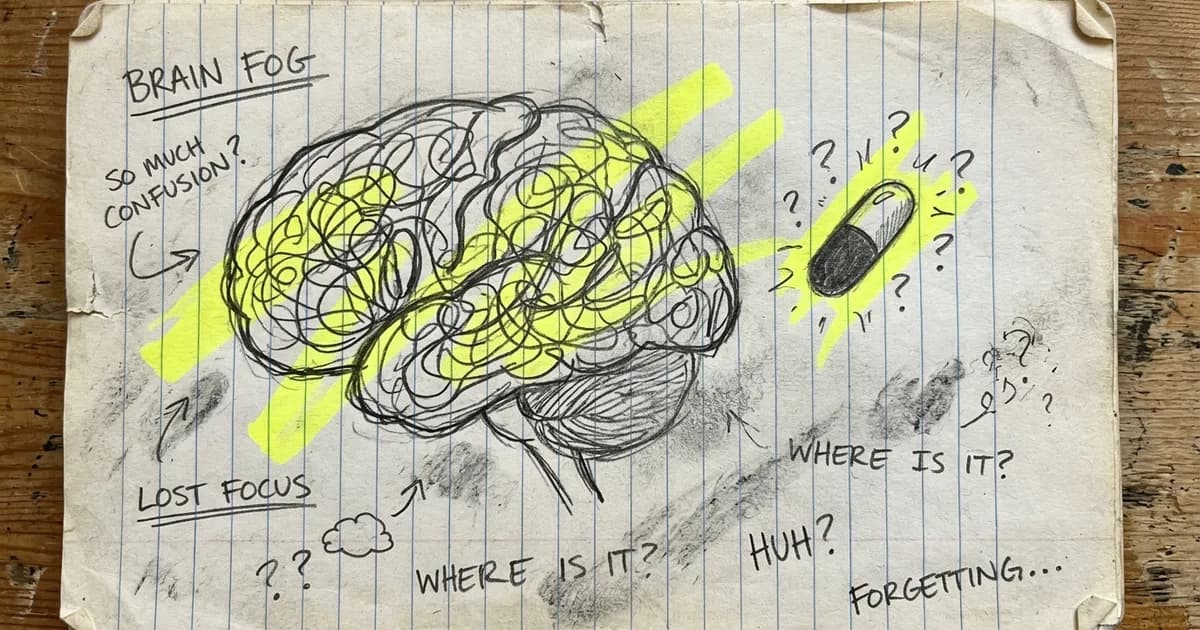
Research published in Frontiers in Neuroscience supports a phase model: chronic stress first increases HPA axis activity, then decreases it over time. Early burnout looks like anxiety and hypervigilance. Late-stage burnout looks like flatness, brain fog, and the inability to care about anything.
This matters for burnout recovery because it tells you something simple: burnout isn't a motivation problem. It's a hardware problem. Your stress-response system is depleted, and it needs time and the right inputs to rebuild.
How Long Does Burnout Recovery Actually Take?
This is the question everyone asks, and the honest answer is uncomfortable.
Cleveland Clinic reports that burnout recovery can take "anywhere from a few months to a few years." South Florida Medical Group puts it more starkly: severe burnout recovery takes six months to two years or longer, and some individuals with severe clinical burnout did not fully recover even after four years.
Here's a general framework based on the available research:
| Burnout Severity | Typical Recovery Timeline | Key Factors |
|---|---|---|
| Mild | 2-8 weeks | Adequate rest, workload adjustment |
| Moderate | 3-6 months | Lifestyle changes, possible therapy |
| Severe | 6 months to 2+ years | Professional support, major life changes |
Burnout researcher Jennifer Moss notes that burnout recovery doesn't follow a clean timeline. It follows patterns, and the severity of the burnout combined with the quality of the intervention determines the outcome.
The takeaway: if you've been grinding through burnout for months or years, don't expect a long weekend to fix it. But don't despair either. The brain is remarkably plastic. With the right approach, burnout recovery happens.
The 5 Pillars of Real Burnout Recovery
1. Sleep: The Non-Negotiable Foundation
Nothing else in burnout recovery works if your sleep is broken. During deep sleep, your brain clears metabolic waste through the glymphatic system, consolidates memories, and restores the neurotransmitter balance that burnout disrupts.
Most burned-out professionals average six hours or less. They compensate with caffeine, which works until it doesn't, and then they add more caffeine. This cycle accelerates HPA axis dysfunction and stalls any progress toward recovery.
What to do: Aim for 7-9 hours. Keep a consistent wake time (even on weekends). Cut caffeine after noon. If you can't fall asleep within 20 minutes, get up and do something boring until you're drowsy. This isn't glamorous advice. It's the single highest-impact change you can make for burnout recovery.
2. Movement: Not Punishment, Recovery
Exercise reduces cortisol, increases BDNF (brain-derived neurotrophic factor), and promotes neurogenesis in the hippocampus, a brain region that shrinks under chronic stress. But the type of exercise matters during job burnout recovery.
High-intensity training when you're already in a depleted state can backfire. Your body reads it as another stressor. During active burnout recovery, moderate-intensity movement, like walking, swimming, cycling, or yoga, gives you the neurochemical benefits without the additional cortisol spike.
What to do: Start with 20-30 minutes of moderate movement, five days a week. If that feels like too much, start with ten minutes. The goal is consistency, not intensity.
3. Cognitive Load Management
Burnout doesn't just drain your energy. It shrinks your working memory and executive function. The prefrontal cortex, which handles planning, decision-making, and impulse control, is one of the first brain regions affected by chronic stress.
This means that during burnout recovery, you need to actively reduce the number of decisions you make each day. Simplify your routines. Batch similar tasks. Say no to things that don't matter. Every unnecessary decision draws from a cognitive bank account that's already overdrawn.
What to do: Audit your daily decisions. Automate or eliminate anything that doesn't require your judgment. Protect your best cognitive hours (usually morning) for your most demanding work.
4. Social Connection (Not Networking)
The depersonalization dimension of burnout makes you want to withdraw. That instinct is understandable and also counterproductive. Social isolation worsens burnout outcomes and slows work burnout recovery.
The 2024 NAMI Workplace Mental Health Poll found that 62% of employees who felt uncomfortable discussing mental health at work also reported feeling burned out. The connection runs both ways: burnout makes you withdraw, and withdrawal deepens burnout.
You don't need to join a support group or pursue structured burnout recovery programs (unless that helps you). You need one or two people you can be honest with. A friend. A partner. A therapist. Someone who won't just tell you to "push through." Real connection is a core part of job burnout recovery.
5. Stimulant Strategy: Help or Harm?
Here's where most high-performers sabotage their own burnout recovery.
When your brain is foggy and your energy is gone, the instinct is to reach for more stimulants. More coffee. Energy drinks. Nicotine pouches. Pre-workout supplements with 300mg of caffeine per serving.
The problem: large doses of stimulants create a spike-and-crash cycle that mimics and reinforces the exact neurochemical pattern burnout creates. You get a temporary boost, followed by a deeper trough, followed by the need for another hit. Your already-stressed HPA axis takes another beating.
This doesn't mean you need to quit caffeine entirely. It means you need to rethink the dose and the delivery, especially if you're serious about work burnout recovery.
A randomized, triple-blind, placebo-controlled study found that L-theanine reduced salivary cortisol following a stress protocol while increasing alpha brain wave activity, the neural signature of calm, focused attention. Another randomized controlled trial showed that 28 days of L-theanine supplementation led to a 17.98% decrease in perceived stress scores and improved cognitive attention.
The science points toward a specific approach: lower-dose caffeine combined with calming compounds like L-theanine produces focus without the cortisol spike. It's the difference between a controlled burn and a wildfire, and it matters for burnout recovery.
What Work Burnout Recovery Looks Like Week by Week
Recovery isn't linear. But it does tend to follow a general arc:
Weeks 1-2: You acknowledge the problem and start protecting sleep. Energy may actually dip at first as your body begins to recalibrate without constant stimulant support. This is normal during early burnout recovery.
Weeks 3-6: Sleep quality improves. Brain fog begins to lift. You start noticing small windows of clarity and motivation. Exercise feels less punishing.
Months 2-4: Emotional regulation returns. You can handle setbacks without spiraling. Cognitive stamina increases. You start to remember what genuine interest in your work feels like.
Months 4-6+: If you've made structural changes (workload, boundaries, stimulant habits), this is where burnout recovery compounds. The improvements build on each other. Your baseline energy stabilizes.
The people who stall in job burnout recovery are usually the ones who try to "optimize" their way out of burnout with the same mindset that caused it, ignoring what strategic recovery for high performers actually requires. More supplements. More productivity hacks. More hustle. Burnout recovery requires the opposite: doing less, but doing it right.
Sustainable Performance, Not Stimulant Crashes
Burnout recovery forces a reckoning with how you've been fueling your brain. The caffeine-crash-repeat cycle that most professionals run on isn't just unsustainable. It's actively harmful to a nervous system that's trying to heal.
That's the thinking behind Roon, a zero-nicotine sublingual pouch built around a different model of cognitive support. It combines 80mg of caffeine (comparable to a cup of coffee) with L-theanine, theacrine, and methylliberine. Rather than a lower dose, the advantage is the stack and the curve: L-theanine smooths the caffeine while theacrine and methylliberine extend it to 6-8 hours of steady focus without the cortisol spike, the jitters, or the crash that comes from slamming a triple espresso at 2pm.
If you're rebuilding your cognitive performance through burnout recovery, the last thing you need is another stimulant rollercoaster. You need something that works with your brain's recovery process, not against it. That's what sustainable performance actually looks like.