Burnout Recovery Stages: What Your Brain Actually Needs to Heal
Understanding the burnout recovery stages starts with honesty. You stopped sleeping well three months ago. Your focus shattered somewhere between the second reorganization and the third "urgent" Slack thread at 9 PM. You know something is wrong, but you keep pushing because that's what got you here. Here's the problem: the burnout recovery stages don't begin until you stop pretending the problem is just a bad week.
The World Health Organization classifies burnout in the ICD-11 as a syndrome with three defining features: energy depletion, mental detachment from your job, and a growing sense of professional ineffectiveness. That's not a mood. It's a clinical pattern with measurable effects on your brain and body.
And the data on how widespread this is should alarm you. According to a 2025 report from The Interview Guys, roughly 82% of employees are at risk of burnout this year, yet only half of employers design work with well-being in mind. This isn't a personal failure. It's a structural one, and knowing the burnout recovery stages can help you respond effectively.
Key Takeaways:
- Burnout physically changes your brain, shrinking the prefrontal cortex and enlarging the amygdala.
- Recovery typically takes 3 to 6 months of sustained effort, and severe cases can take over a year.
- The burnout recovery stages include recognition, withdrawal, restoration, and rebuilding.
- Vacations alone won't fix it. Structural changes to your habits and workload are required.
What Burnout Does to Your Brain (And Why Burnout Recovery Stages Take So Long)
Before you can move through the burnout recovery stages, you need to understand what burnout actually does under the hood.
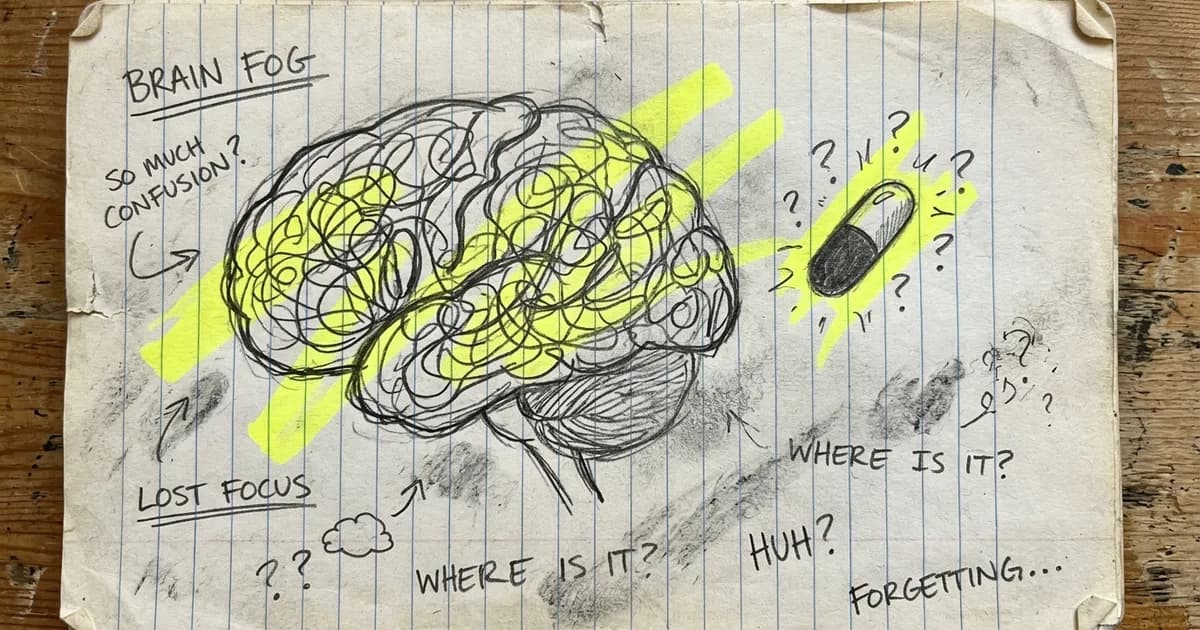
Burnout is not just psychological. It's neurological. Research covered by the Association for Psychological Science found that individuals with burnout had enlarged amygdalae and weaker connections between the amygdala and the anterior cingulate cortex. The more stressed participants reported feeling, the weaker these neural connections appeared on brain scans.
Your amygdala is your threat-detection system. When it's overactive, everything feels like an emergency. Meanwhile, the prefrontal cortex, the region responsible for decision-making, focus, and emotional regulation, starts to thin. Neuroimaging research summarized by BrainPost confirmed cortical thinning of the prefrontal cortex in people experiencing chronic occupational stress, along with reduced functional connectivity to other brain regions.
In plain terms: your alarm system gets louder while the part of your brain that's supposed to manage it gets weaker. This is the biological reality that makes the burnout recovery stages a months-long process, not a weekend fix.
Then there's cortisol. Under normal stress, cortisol spikes and then returns to baseline. Under chronic stress, that cycle breaks. Brain Health Decoded describes a three-phase cortisol pattern in burnout: first the stress hormone stays elevated (you feel wired), then it begins to drop (you feel tired and anxious), and finally it falls below baseline and stays there. That last phase is full burnout. Your body can't mount a proper stress response or fully stand down.
This is why a long weekend doesn't fix things. According to Apollo Technical, the positive effects of time off disappear within 2 to 4 weeks for burned-out employees who return to the same conditions that caused the problem. Real progress requires moving through the burnout recovery stages deliberately.
The Four Burnout Recovery Stages
Recovery from burnout isn't a single event. It's a sequence. Most clinicians and researchers describe the burnout recovery stages as a process that moves through distinct phases, each with its own challenges and markers of progress.
Stage 1: Recognition
This is the hardest of the burnout recovery stages for high performers. Recognition means admitting that what you're experiencing isn't normal fatigue, a rough quarter, or something you can push through with more caffeine.
The SHRM Employee Mental Health in 2024 Research Series found that 45% of workers feel emotionally drained from work and 51% feel "used up" by the end of the day. If those numbers describe your daily experience, you're not lazy. You're burned out.
Signs you're in this stage:
- Chronic fatigue that sleep doesn't resolve
- Difficulty concentrating on tasks that used to be easy
- Emotional flatness or irritability that feels out of character
- Physical symptoms like headaches, muscle tension, or digestive issues
Recognition also means accepting that burnout is not a character flaw. The ICD-11 specifically defines it as a result of chronic workplace stress that has not been successfully managed. The emphasis is on "managed," not "endured." Entering this first of the burnout recovery stages is an act of clarity, not weakness.
Stage 2: Withdrawal and Rest
Once you recognize the problem, the instinct is to fix it immediately. Set new goals. Download a meditation app. Optimize your morning routine.
Resist that instinct. The second of the burnout recovery stages is about pulling back, not adding more.
This means reducing your commitments to the minimum viable level. It means saying no to projects, delegating tasks, and protecting your non-work hours with the same ferocity you once reserved for deadlines. For some people, this stage requires a medical leave of absence. For others, it means setting firm boundaries around work hours and digital communication.
Sleep is the foundation here. Your HPA axis, the system that regulates cortisol, needs consistent, quality sleep to begin recalibrating. Without it, no recovery strategy works.
The research backs this up. A 1.5-year follow-up study published on ScienceDirect found that even after extended recovery periods, clinical burnout patients showed improved cortisol awakening responses, but their cognitive performance still hadn't fully returned to normal. The burnout recovery stages are real, but they take longer than most people expect.
Stage 3: Restoration
This is where active rebuilding of your cognitive and emotional capacity begins. By this point in the burnout recovery stages, your nervous system has had enough rest to start responding to positive inputs again.
Restoration looks different for everyone, but the core elements are consistent:
- Physical movement. Exercise reduces cortisol and promotes neuroplasticity. It doesn't need to be intense. Walking, swimming, or yoga all work.
- Social reconnection. Burnout often causes people to isolate. Rebuilding social connections counteracts the cynicism dimension of burnout.
- Cognitive re-engagement. Start with low-stakes intellectual activities. Read for pleasure. Work on a side project with no deadline. The goal is to remind your brain that focused effort can feel good.
There's encouraging news from the neuroscience side. BrainPost's review of the literature notes that longitudinal brain imaging studies have shown cortical thinning and decreased functional connectivity of the prefrontal cortex can be reversed when stress exposure is reduced. Your brain can recover. But only if you give it the right conditions, and that's exactly what this phase of the burnout recovery stages is designed to provide.
Stage 4: Rebuilding (With Guardrails)
The final of the burnout recovery stages is the most dangerous one. You feel better. Your energy is returning. And the temptation is to go right back to the exact patterns that burned you out in the first place.
Rebuilding requires structural changes, not just good intentions. This means:
- Workload audits. Track your actual hours and commitments weekly. If you're consistently exceeding sustainable limits, something needs to go.
- Recovery rituals. Build non-negotiable rest into your schedule. Not as a reward for hard work, but as a prerequisite for it.
- Stimulant awareness. If you're relying on escalating doses of caffeine, energy drinks, or other stimulants to maintain output, you're masking the problem, not solving it.
According to Apollo Technical, employees who engage in structured mental health support recover 40% faster than those who try to manage burnout alone. Professional help isn't a luxury at this stage of the burnout recovery stages. It's an accelerant.
How Long Do the Burnout Recovery Stages Actually Take?
The honest answer: longer than you want them to.
Thriving Center of Psych reports that individuals dealing with short-term stressors can recover within a few months, while severe burnout cases can take over a year. Mental health professionals generally estimate that completing the burnout recovery stages requires 3 to 6 months of sustained intervention and reduced stress.
Here's a rough timeline based on the available research:
| Recovery Phase | Typical Duration | Key Markers |
|---|---|---|
| Recognition | 1-4 weeks | Acknowledging the problem, seeking assessment |
| Withdrawal & Rest | 4-12 weeks | Reduced workload, improved sleep, lower reactivity |
| Restoration | 2-4 months | Returning energy, improved focus, emotional stability |
| Rebuilding | Ongoing | Sustainable habits, workload boundaries, relapse prevention |
These timelines aren't rigid. They depend on the severity of your burnout, the structural changes you make, and whether you have professional support, including options like dedicated burnout recovery retreats. But they give you a realistic framework for the burnout recovery stages instead of the fantasy that a two-week vacation will reset everything.
Why Most People Relapse After the Burnout Recovery Stages (And How to Avoid It)
The relapse rate for burnout is high for one simple reason: people treat the symptoms instead of the system.
You feel better, so you take on more. You start skipping the boundaries you set during the burnout recovery stages. You reach for stimulants to push through the afternoon slump instead of questioning why the slump exists.
The pattern is predictable. And it's preventable.
Preventing relapse after completing the burnout recovery stages comes down to three principles:
- Monitor your energy, not just your output. Productivity metrics don't capture the cost of that productivity. Track how you feel at the end of each week, not just what you accomplished.
- Treat rest as infrastructure. Sleep, downtime, and recovery aren't things you earn. They're the foundation that makes performance possible.
- Choose sustainable tools. The stimulants and coping mechanisms you use daily matter. A tool that gives you a short spike followed by a crash is training your nervous system to repeat the boom-bust cycle that caused burnout in the first place.
Sustainable Performance as Burnout Prevention
The burnout recovery stages teach you something valuable: the goal was never maximum output. It was sustainable output.
That principle should extend to everything in your daily routine, including how you support your focus and energy. High-dose caffeine, energy drinks loaded with sugar, and nicotine pouches all share the same problem. They deliver a sharp peak followed by a crash, which trains your body to depend on escalating doses just to feel normal.
Roon was designed around the opposite philosophy. It's a zero-nicotine sublingual pouch that combines caffeine (80 mg, roughly one cup of coffee) with L-Theanine, Theacrine, and Methylliberine. The advantage isn't a smaller dose; it's the stack and the curve. A study published in the Journal of the International Society of Sports Nutrition found that this combination of caffeine, methylliberine, and theacrine delivered similar cognitive performance benefits to double the caffeine dose alone, without the blood pressure spikes or jitteriness. L-Theanine smooths the caffeine, while methylliberine and theacrine extend it to 6 to 8 hours of sustained focus with no crash, no jitters, and no tolerance buildup. Separately, a randomized controlled trial published in PMC found that a single dose of L-Theanine produced reductions in salivary cortisol and increased alpha brain wave activity in stressed adults.
The result is 6 to 8 hours of sustained focus without the jitters, without the crash, and without the tolerance buildup that forces you to keep increasing your dose. Sustainable performance, not stimulant crashes.
If you're working through the burnout recovery stages, or trying to make sure you never need to, the tools you choose every day are part of the system. Choose ones that work with your biology instead of against it.