Brain Rot Game: What It Actually Means and What It's Doing to Your Focus
Brain Rot Game: What It Actually Means and What It's Doing to Your Focus
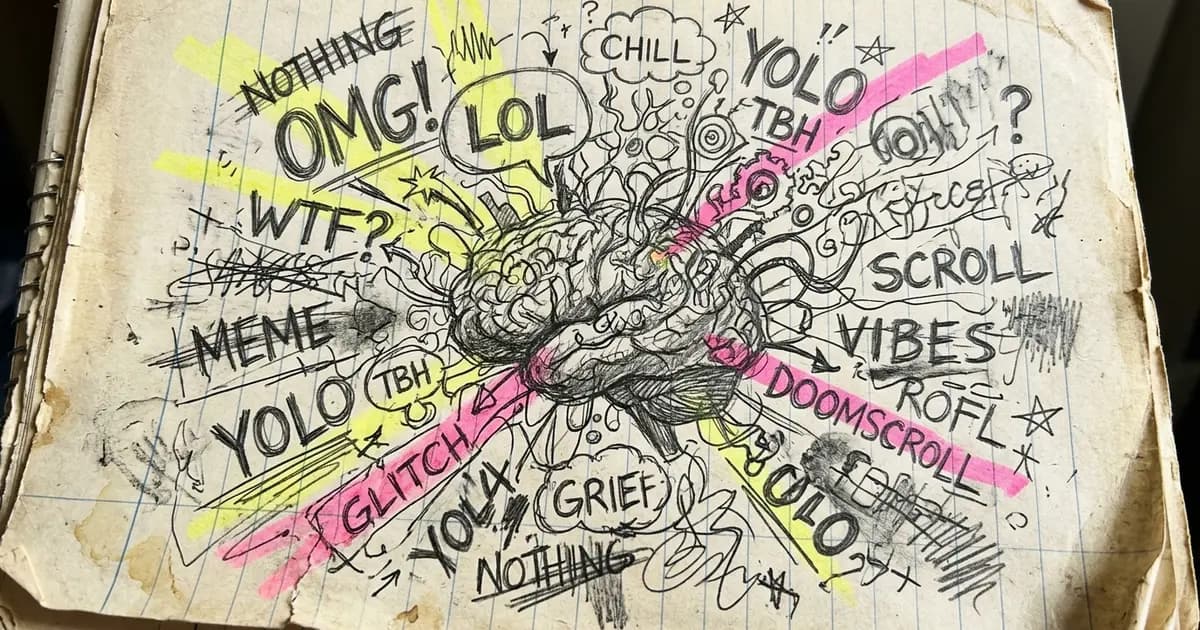
You just lost 45 minutes to a brain rot game you don't even like. The kind where you tap, swipe, or watch numbers go up for no real reason. You put your phone down, try to read an email, and your brain feels like it's buffering. That post-session haze has a name now: brain rot. And the brain rot game genre, the category of low-effort, high-dopamine mobile games fueling the problem, is worth understanding if you care about how well your mind actually works.
Oxford University Press named "brain rot" the 2024 Word of the Year, with more than 37,000 people voting in the selection process. The term's usage surged 230% between 2023 and 2024, according to Wikipedia's tracking of the trend. What started as a joke on Discord around 2020 became a cultural diagnosis for an entire generation's relationship with screens.
This isn't just internet slang. There's real neuroscience behind why these games leave you feeling foggy, scattered, and unable to concentrate on anything that matters.
Key Takeaways:
- A "brain rot game" refers to any low-effort, high-stimulation game designed to keep you tapping without thinking.
- These games exploit your dopamine system, and chronic overuse can desensitize your brain's reward pathways.
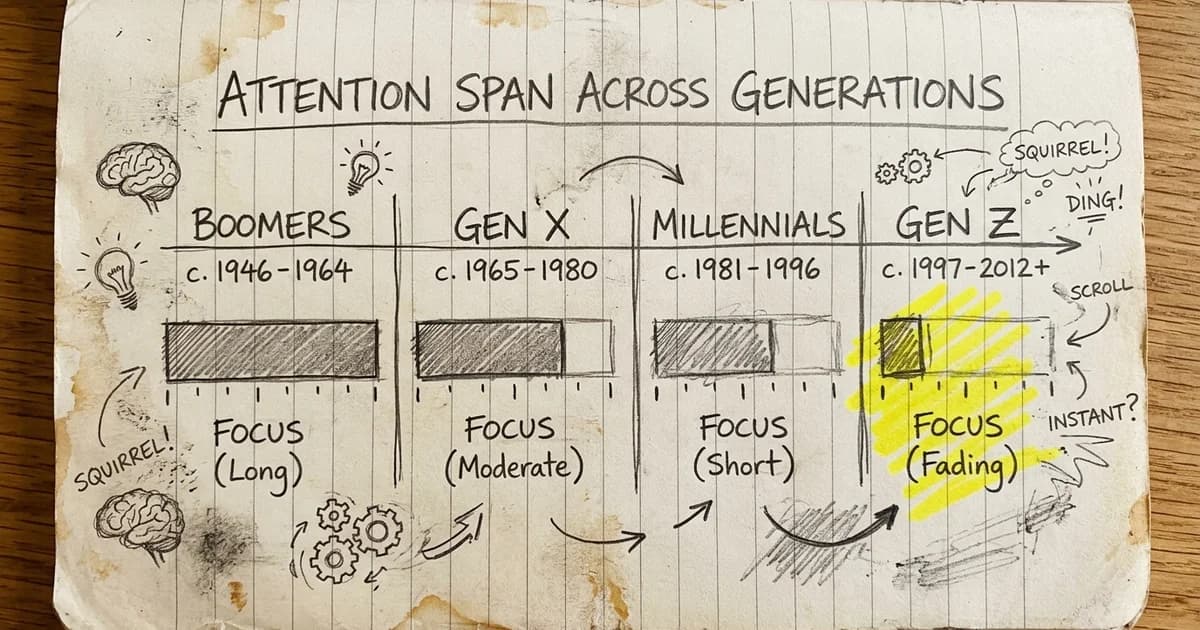
- The average attention span on a single screen dropped from 2.5 minutes to 47 seconds over the past two decades.
- Recovering your focus after too many brain rot game sessions is possible, but it requires understanding the neurochemistry behind the fog.
What Counts as a Brain Rot Game?
The term doesn't appear in any official game taxonomy. It's a cultural label, applied by the same Gen Z and Gen Alpha users who coined it. A brain rot game generally shares a few traits:
- Minimal cognitive demand. You don't solve problems. You tap, swipe, or watch.
- Endless loops. There's no real endpoint. The game keeps going as long as you do.
- Rapid reward cycles. Points, coins, level-ups, or satisfying animations fire every few seconds.
- Passive engagement. You can play while watching TV, sitting in a meeting, or half-asleep.
Think endless runners like Subway Surfers, idle clickers, hypercasual puzzle games, and the flood of ad-supported titles that fill app store charts. Subway Surfers has outpaced competitors like Candy Crush and Angry Birds in download rates and became a staple of TikTok "brain rot" content, where gameplay footage runs alongside unrelated audio clips.
Any single brain rot game isn't inherently dangerous. The problem is what happens when these titles become your brain's default setting.
The Dopamine Loop: Why a Brain Rot Game Feels So Sticky
Every time you collect a coin or clear a row, your brain releases a small hit of dopamine. That's the neurotransmitter responsible for motivation, reward anticipation, and the feeling that something is "worth doing." Brain rot games are engineered to trigger this release as frequently as possible.
Here's where it gets interesting. Your brain adapts. According to research compiled by Recovery.com, chronic overstimulation through excessive gaming can lead to dopamine desensitization, where the brain becomes less responsive to dopamine over time. You need more stimulation to feel the same effect. Real-life activities, like reading, working, or having a conversation, start to feel flat compared to a brain rot game session.
This isn't speculation. Neuroimaging research published in Neuroscience & Biobehavioral Reviews found that internet game playing was associated with changes to brain regions responsible for attention and control, impulse control, and emotional regulation. The same research found lower white matter density in areas involved in decision-making and behavioral inhibition.
The pattern looks like this:
| Stage | What Happens | How It Feels |
|---|---|---|
| Initial play | Dopamine spikes with each reward | Fun, satisfying, "just one more round" |
| Habitual play | Reward threshold rises | Need longer sessions for the same feeling |
| Overuse | Dopamine receptors downregulate | Boredom with real tasks, difficulty concentrating |
| Withdrawal | Baseline dopamine feels insufficient | Restlessness, brain fog, irritability |
That last column is where the "rot" part of brain rot stops being a joke.
Your Attention Span Is Already Shorter Than You Think
Research from the University of California tracked how long people can focus on a single screen over the past two decades. In the early 2000s, the average was 2.5 minutes. By 2020, it had dropped to 47 seconds. That's a two-thirds decline, and it happened before the current wave of brain rot content even peaked.
A 2025 report from Speakwise found that 59% of employees can't focus for even 30 minutes without getting sidetracked by a digital distraction. The average American now spends 4 hours and 30 minutes on their phone daily, up 52% from 2022.
Every brain rot game sits at the intersection of these trends. These titles are designed for fractured attention. They reward you for checking in briefly, then pull you back with notifications and streaks. Each brain rot game session trains your brain to expect stimulation on demand, making sustained focus on anything complex feel almost painful.
What a Brain Rot Game Actually Does to Your Neurochemistry
The term "brain rot" is hyperbolic. Your brain isn't literally decomposing. But the neurochemical effects of chronic low-quality stimulation are real and measurable.
Adenosine Buildup and Mental Fatigue
Adenosine is a byproduct of neural activity. The more your brain works (even on mindless tasks), the more adenosine accumulates. High adenosine levels signal fatigue and reduce alertness. Caffeine works by blocking adenosine receptors, which is why coffee temporarily makes you feel sharper. But if your baseline adenosine load is already elevated from hours of compulsive brain rot game use, a single cup of coffee barely makes a dent.
GABA and the Inability to Calm Down
GABA (gamma-aminobutyric acid) is your brain's primary inhibitory neurotransmitter. It helps you slow down, filter out noise, and focus on one thing at a time. Chronic overstimulation can disrupt GABA signaling, leaving you in a state where your brain is simultaneously tired and wired. You can't focus, but you also can't relax. Sound familiar?
Dopamine Receptor Downregulation
We covered this above, but it bears repeating. As Recovery.com reports, video games can artificially spike dopamine but fail to teach the brain how to manage serotonin, GABA, and norepinephrine, the neurotransmitters involved in emotional regulation, relaxation, and focus. The result is a reward system that's been cranked to maximum sensitivity for brain rot game stimuli and dulled to everything else.
How to Recover From Brain Rot Game Habits (Without Going Full Luddite)
You don't need to smash your phone or swear off games forever. The goal is to reset the neurochemical imbalance that makes deep focus feel impossible.
1. Audit Your Screen Time Honestly
Check your phone's screen time report. Not the number you think it is. The actual number. Most people underestimate their daily usage by about 50%. Identify which apps, especially any brain rot game you play on autopilot, are eating the most time with the least return.
2. Replace, Don't Just Remove
Deleting a brain rot game leaves a void. Your brain will look for the next dopamine source, which might be social media or another game. Replace the habit with something that provides moderate stimulation: a podcast, a physical activity, or a game that actually requires strategic thinking.
3. Practice Sustained Attention in Small Doses
Your attention span is a muscle, not a fixed trait. Start with 10 minutes of uninterrupted reading or focused work. No phone nearby. Build from there. Research from UC Irvine suggests that reclaiming focus is absolutely possible, even after years of fragmented attention.
4. Support Your Neurochemistry
The three systems most disrupted by brain rot game overuse, adenosine, GABA, and dopamine, can be supported through targeted nutrition, sleep optimization, and specific compounds that modulate these pathways. This is where most "just put your phone down" advice falls short. Willpower alone doesn't fix a neurochemical deficit.
Feeding Your Brain What a Brain Rot Game Takes Away
The conversation around brain rot games usually stops at "use your phone less." That's half the equation. The other half is giving your brain the raw materials it needs to recover and perform.
A study published on PubMed found that a combination of 97 mg of L-theanine and 40 mg of caffeine improved accuracy during task switching and increased subjective alertness in young adults, while reducing tiredness. That specific pairing, low-dose caffeine with L-theanine, targets the adenosine and GABA pathways simultaneously: caffeine blocks the fatigue signal while L-theanine promotes calm, focused attention without sedation.
Research on theacrine and methylliberine adds another layer. A study on esports athletes found that combining caffeine, theacrine, and methylliberine improved cognitive performance and reaction time without increasing anxiety or headaches. According to findings on ResearchGate, theacrine modulates adenosine and dopamine receptors without causing tolerance, meaning it doesn't lose effectiveness over time the way caffeine alone does.
That combination, caffeine, L-theanine, theacrine, and methylliberine, is exactly what Roon delivers in a single sublingual pouch. No nicotine, no sugar, no jitters. Just 6-8 hours of sustained focus that targets the same neurochemical pathways every brain rot game disrupts.
If your brain has been running on empty reward loops and cheap dopamine, it might be time to give it something that actually works. Cut through the fog.